The truth about ELEX combat
ELEX's combat is the most criticised thing about the game, and the criticism is partly fair. Melee is stiff, animations are heavy, and hit feedback never feels crunchy. But a large share of the frustration new players feel does not come from the controls — it comes from fighting the wrong way. ELEX is not a character-action game where you out-skill enemies with reflexes. It is an RPG where positioning, stamina and target selection decide fights long before your swing connects. Once you internalise that, the combat stops feeling broken and starts feeling deliberate, if rough.
The core loop is simple to state and hard to live by: never fight on empty stamina, never fight a pack you cannot separate, and never melee something you could safely shoot. Players who respect those three rules win fights that look impossible; players who ignore them die in the first few seconds and blame the engine.
The number one cause of early deaths is emptying your stamina bar mid-fight. With no stamina you cannot dodge, block or attack effectively, leaving you wide open. If your bar is low, disengage and let it recover before re-engaging.
Stamina is the real skill
Every meaningful action in combat — attacking, dodging, blocking — draws from your stamina pool, which refills when you stop acting. This single system is the heart of ELEX combat. Mashing attack until the bar is empty leaves you defenceless, so the rhythm you want is short, deliberate bursts followed by repositioning to recover. Think of stamina as your budget for the whole exchange, not a resource to spend the instant it exists.
Constitution raises stamina (and health), which is why it is valuable in every build, not just melee. Early on, investing in Constitution does more to keep you alive than almost any weapon upgrade, because it widens the margin for error in every fight you take.
| Approach | Strength | Weakness | Best used |
|---|---|---|---|
| Melee | High damage when it connects, no ammo cost | Stiff, stamina-hungry, exposes you to hits | Single weak targets once you have stamina and abilities |
| Ranged (bow/firearm) | Damage from safety, great for kiting | Ammo and stamina management, weaker against rushers | Early game and any enemy you can keep at distance |
| PSI / mana | Crowd control, burst, utility | Needs attribute investment and a faction | Supplementing weapons once your build comes online |
Kite first, commit later
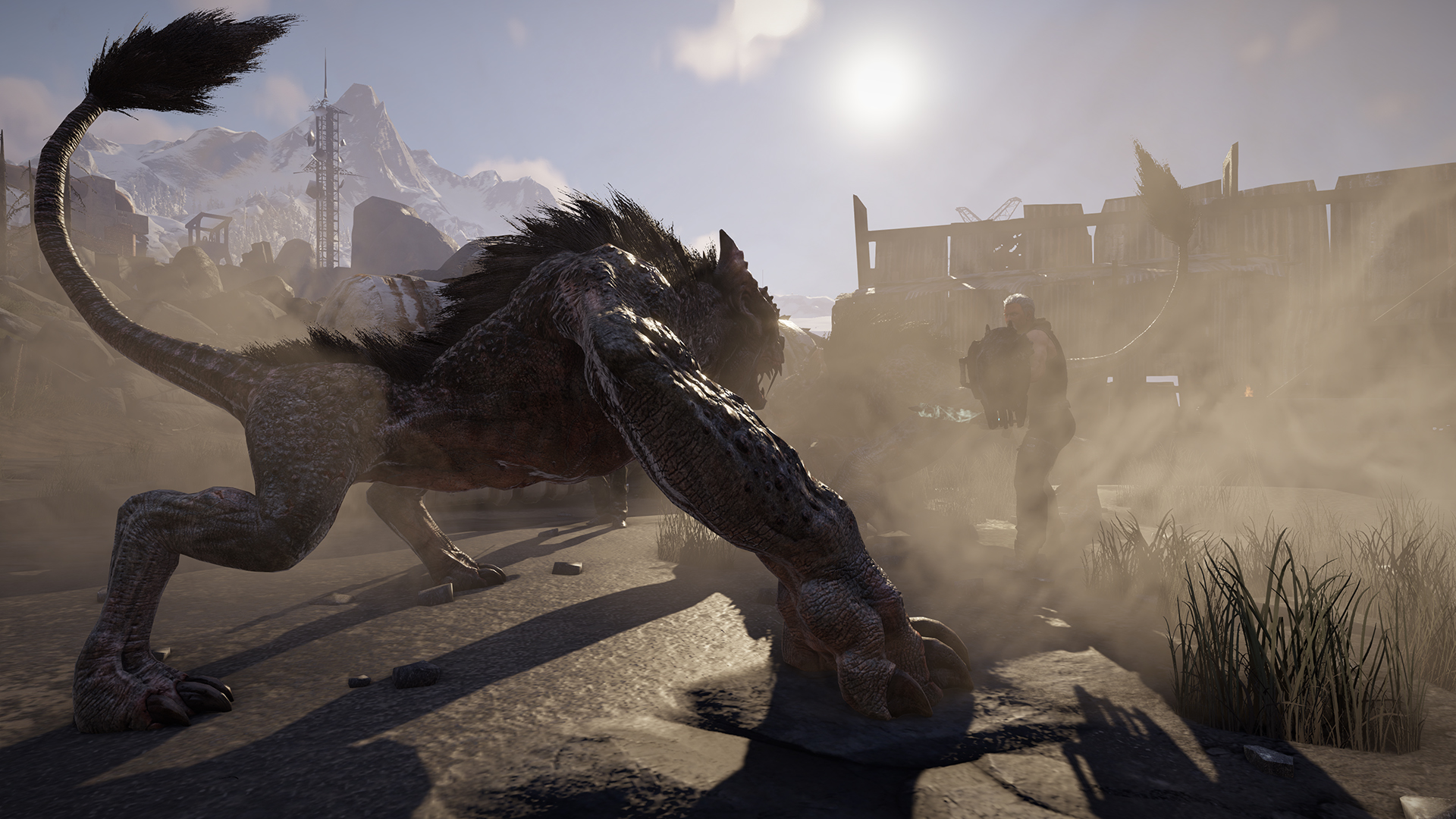
For your first several hours, ranged combat is your lifeline. A bow or firearm lets you deal damage while keeping enemies at a distance, and kiting — moving backwards while firing, using terrain to slow pursuers — is the most reliable way to clear threats you could never out-trade in melee. Lure single enemies away from groups, retreat to a chokepoint or high ground, and chip them down. It is slower than charging in, but it is the difference between progress and a reload.
Melee earns its place later. Once you have the attributes to wield a strong weapon, the abilities to hit harder, and enough Constitution to fight without running dry, committing to melee becomes efficient against isolated targets. The mistake is trying to make melee your answer to everything from hour one, when neither your stats nor the controls are ready for it.
-
1
Assess before you engage
Count the enemies and judge their level. If it is a pack or anything that looks too strong, do not engage — reposition or leave.
-
2
Open at range
Use a bow or firearm to pull a single target and start dealing damage before it reaches you.
-
3
Manage stamina in the exchange
Attack in short bursts, dodge key blows, and back off to recover stamina rather than swinging on empty.
-
4
Use the jetpack to reset
If a fight goes wrong, jet to a ledge or break line of sight to disengage, heal and re-approach on your terms.
The jetpack is a weapon
Most guides treat the jetpack as a traversal toy, but in combat it is one of your strongest tools. Use it to break line of sight against ranged attackers, to reposition over rocks and walls that slow enemies, and to reach ledges and rooftops that melee foes simply cannot follow you onto. Against a dangerous pack, jetting to high ground and picking them off with ranged attacks turns a death sentence into a manageable fight. Learning to fight in three dimensions — not just back and forth on flat ground — is what separates players who tolerate ELEX combat from players who exploit it.
The jetpack also enables clean disengages. When a fight tips against you, a quick burst to an unreachable spot buys time to heal and reassess. Treat retreat as a tactic, not a failure; ELEX rewards the player who lives to fight smarter.
Weapons, abilities and the long game
As you invest, combat broadens. Melee weapons scale with Strength, bows and light weapons with Dexterity, firearms with Cunning, and energy weapons and PSI with Intelligence — which is exactly why your faction and attribute choices shape your fighting style. Layer in faction abilities (Berserker mana spells or Cleric PSI) for crowd control and burst, keep healing and stamina consumables stocked, and craft or buy ammo so your ranged option never runs dry. By mid-game, a well-built Jax who manages stamina and uses the jetpack can take fights that would have been suicide at the start.
Your weapon options are gated by your faction and attributes, so plan ahead — our ELEX builds guide covers how to meet requirements efficiently, and the factions guide explains which combat style each faction unlocks. New to the game entirely? Start with the ELEX beginner guide.