Verdict Games Verdict Games

Honest game guides & reviews

Verdict Games

Multilingual walkthroughs and honest, no-nonsense reviews for Steam and mobile games: beginner roadmaps, boss orders, tier lists and verdicts backed by real playtime.

Popular

Popular Games

View all →

Pickup

New Games

View all →

Guides

Latest Guides

For The King Party Guide — Three Slots, One Budget guide

For The King Party Guide — Three Slots, One Budget

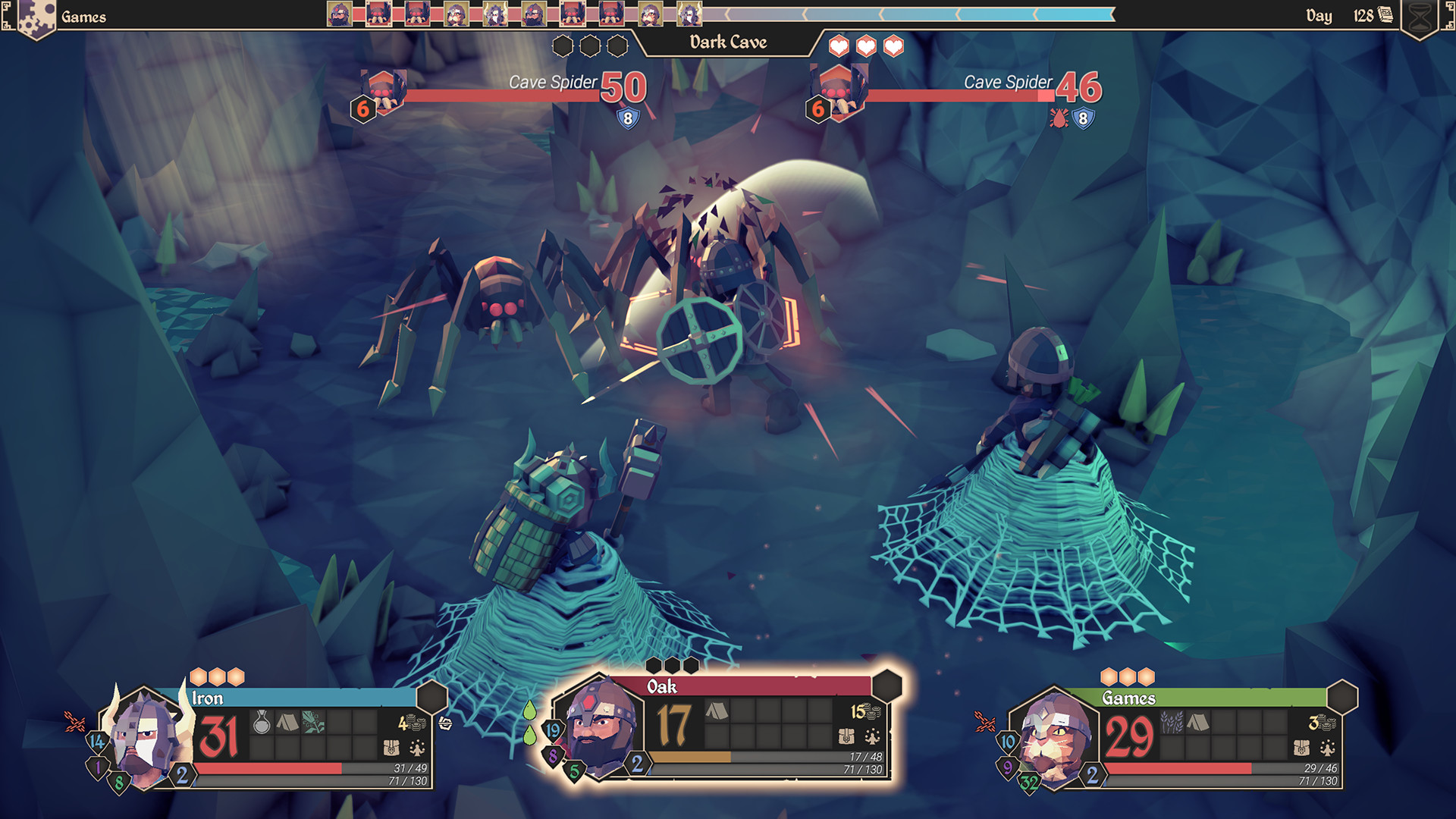
Party advice for For The King usually copies role-based games — a tank, a healer, a damage dealer. That framing is close enough to work on Apprentice and wrong enough to lose on Master. Your party is three separate Focus pools that all pay into one adventure. The compositions that succeed are the ones that either generate Focus or stop spending it, not the ones that tick role boxes.

For The King Focus Guide — One Currency Runs Everything guide

For The King Focus Guide — One Currency Runs Everything

For The King looks like a dice game with seven stats. In practice one resource decides almost everything: Focus, which converts a random roll into a guaranteed one. It pays for combat, movement, lockpicking and trap evasion out of the same pool, capped at nine. And there is exactly one thing it cannot buy, which is why that thing is the game's real difficulty.

For The King Class Tier List — All Thirteen Ranked guide

For The King Class Tier List — All Thirteen Ranked

For The King has thirteen playable characters and the usual way to compare them is Strength against Intelligence. That misses the stat that actually decides adventures. Focus is the currency that guarantees rolls, and it ranges from 2 to 4 across the roster while everything else moves in tens. Two characters also manufacture more of it. Meanwhile Luck is 50 on every single character, and Luck is the one roll Focus can never touch.

For The King Beginner Guide — Focus Is the Whole Game guide

For The King Beginner Guide — Focus Is the Whole Game

For The King hands you three adventurers, a hex map and seven stats, and most first runs end because the party spent its certainty in a dungeon and met a boss with nothing left. The fix is one habit and one town service. Here is the opening in order — what Focus is, who to bring, and the decisions that are permanent.

Armello Victory Conditions — Prestige Is Not One of Four guide

Armello Victory Conditions — Prestige Is Not One of Four

Armello presents four ways to take the throne as if they were four equal options. They are not. Kingslayer, Spirit Stone and Rot all require you to reach the King and do something. Prestige requires you to be ahead when somebody else fails. That asymmetry runs the whole game, and the rule that makes it work is the one people skip: attacking the King strips almost all of your Prestige.

Armello Hero Tier List — Every Base Hero Ranked guide

Armello Hero Tier List — Every Base Hero Ranked

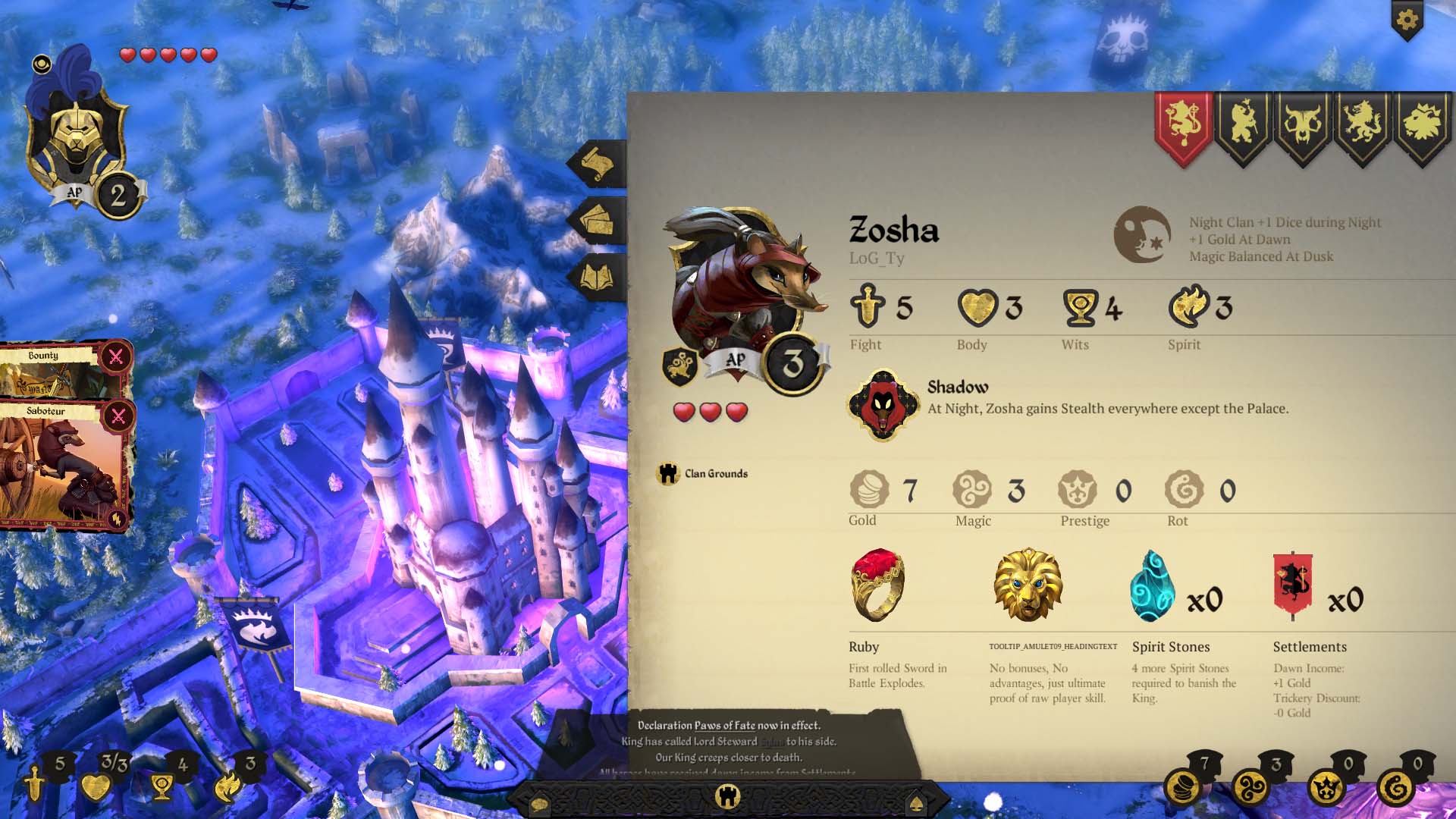
Every hero in Armello spends exactly sixteen points across Fight, Body, Wits and Spirit. That makes the stat line a distribution question rather than a power question, and it means no hero is simply stronger than another on paper. What is not in the sixteen is where the differences live: starting Gold, day or night affinity, and the hero ability. Amber starts with eight Gold and Sana with three, and neither paid for it.

Armello Combat Guide — Your Hand Beats Your Dice guide

Armello Combat Guide — Your Hand Beats Your Dice

Armello looks like a dice game and is mostly a card game. Before any dice are thrown you may burn as many cards from your hand as you want, and each burn forces one die to show the symbol printed on that card. So the player with cards decides the fight and the player without one rolls. On top of that, corruption inverts two of the six symbols, which means a corrupted hero is not weaker — their dice mean different things.

Armello Beginner Guide — Do Not Charge the King guide

Armello Beginner Guide — Do Not Charge the King

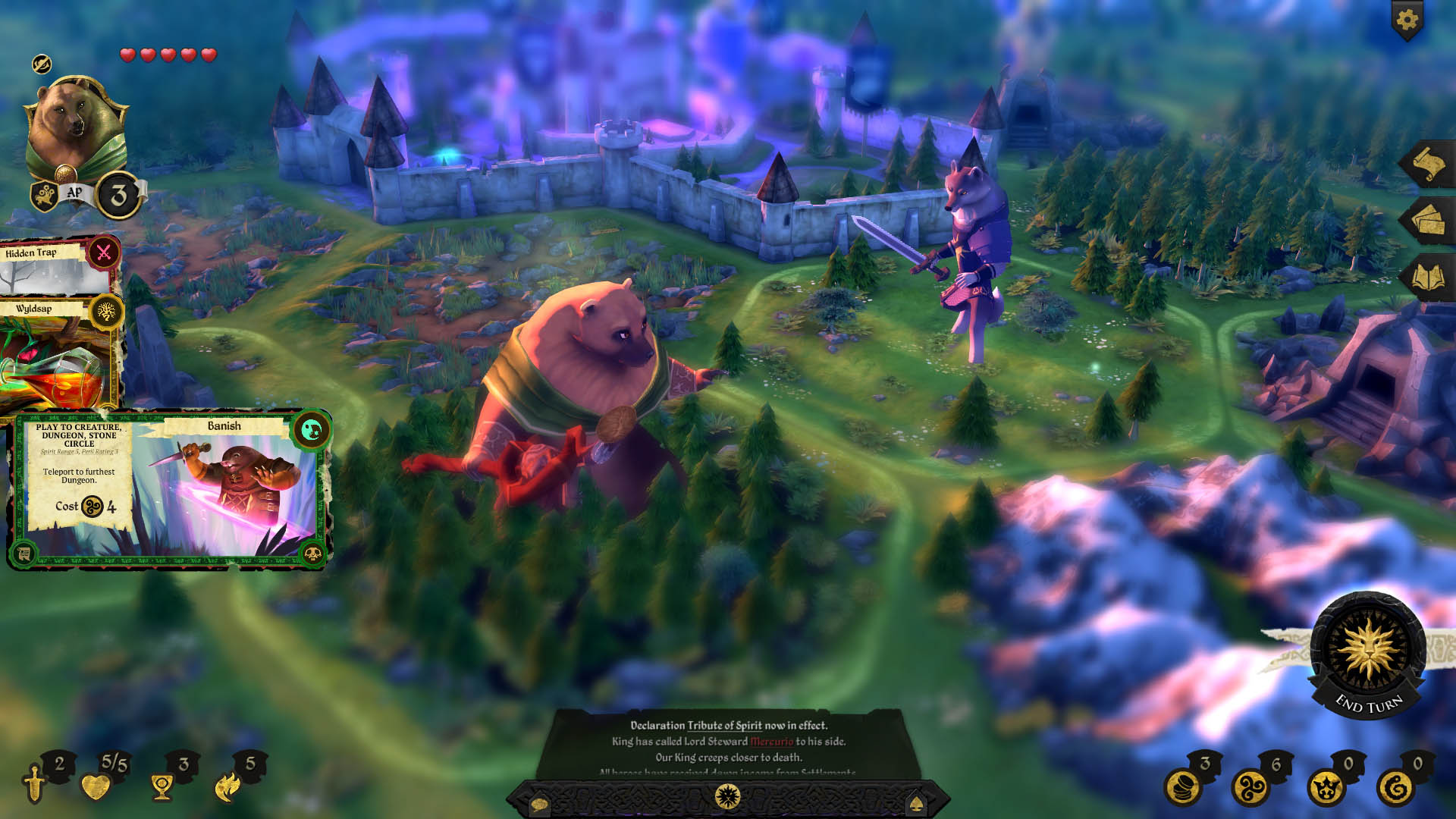
Armello looks like a board game about killing a king and is mostly a game about not needing to. First games usually go wrong in the same two places — charging the palace, and losing fights you thought your stats would win. Here is the opening in order: which victory to default to, how combat is actually decided, and what the clock is doing while you decide.

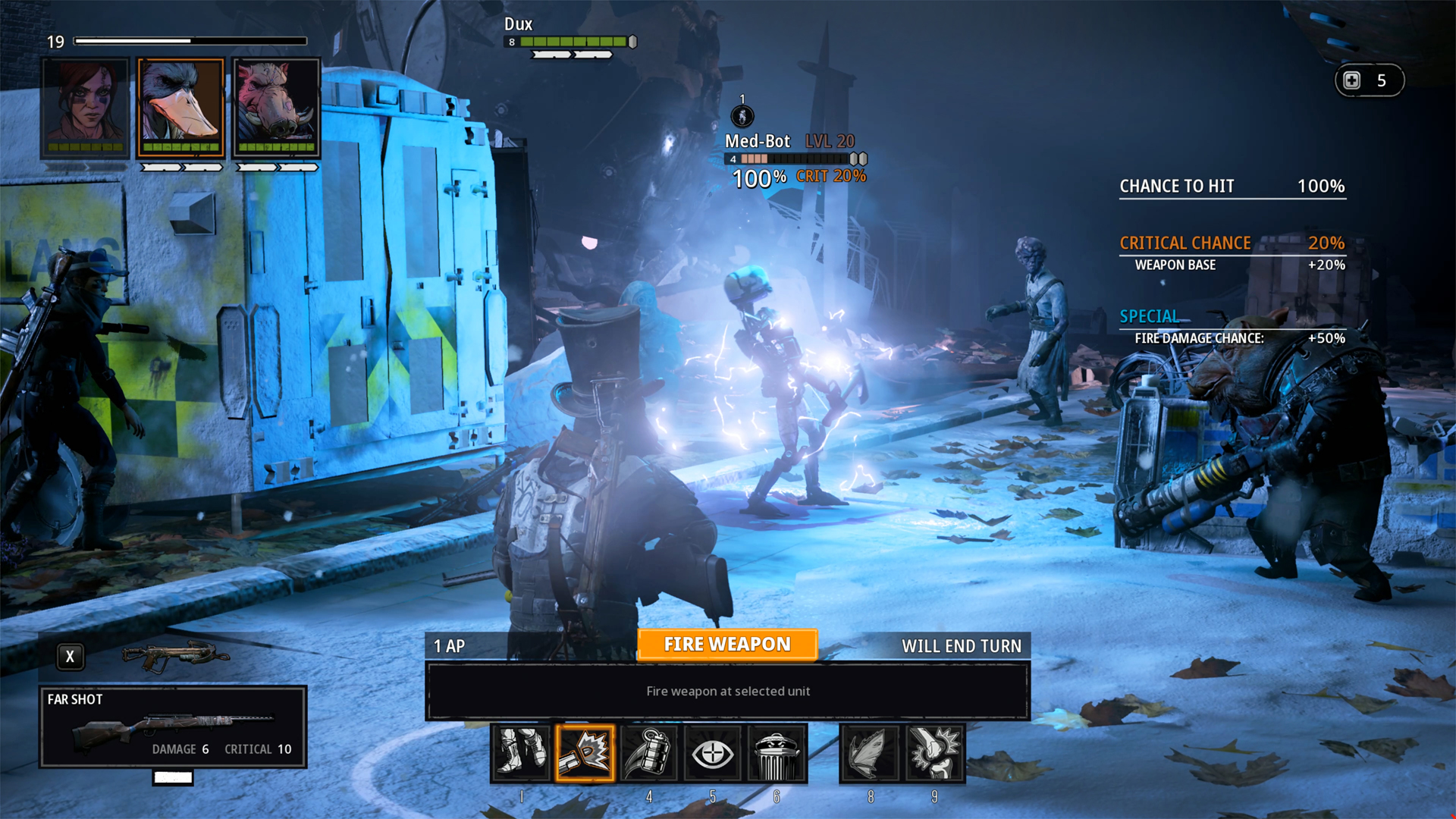
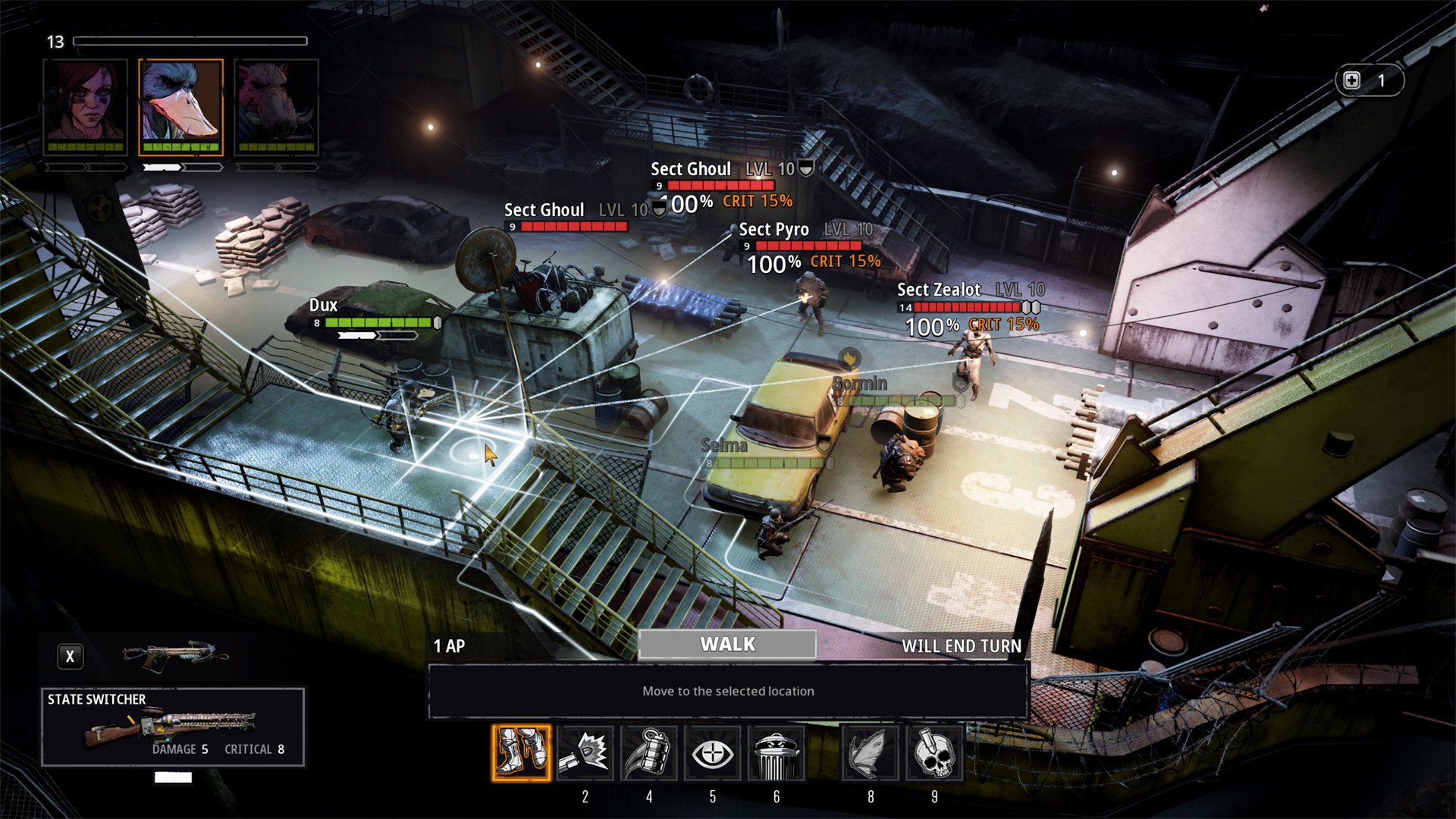
Mutant Year Zero Stealth Guide — Only Three Silent Guns guide

Mutant Year Zero Stealth Guide — Only Three Silent Guns

Mutant Year Zero asks you to thin a camp out before the fight starts. What it does not tell you is how hard a ceiling it puts on that: the base game ships exactly three silenced weapons, and all three deal 4 damage. So your stealth phase is not limited by patience or positioning. It is limited by how many enemies have 4 or less effective health, and by critical chance — which is why Silent Assassin and the choice between crossbow and pistol matter more than they look.

Reviews

Latest Reviews

For The King Review — A Board Game That Bites review

For The King Review — A Board Game That Bites

For The King is a turn-based adventure played on a board of hexes, with a party of three, permadeath and a great deal of dice. It should be frustrating and mostly is not, because of one system. Focus lets you buy certainty on any roll you care about. Around 88 percent positive on Steam. What follows is what that system fixes, what it leaves broken, and who the game is for.

Armello Review — A Board Game That Punishes Charging review

Armello Review — A Board Game That Punishes Charging

Armello is a digital board game where four animal heroes race for the throne of a king dying of a plague called the Rot. Its best idea is structural: the victory everyone reaches for first is the one the game charges most for. Around 82 percent positive on Steam. What follows is what that design buys, why the dice still frustrate people ten years on, and who the game is actually for.

Mutant Year Zero Review — The Best Opening in Tactics review

Mutant Year Zero Review — The Best Opening in Tactics

Mutant Year Zero has the best opening move in turn-based tactics. You approach in real time, split a patrol, remove the stragglers silently, and start the fight you chose on ground you picked. Nothing else in the genre lets you author the first turn that completely. Around 90 percent positive on Steam. What follows is what that opening buys, why it stops working in the last third, and who the game is for.

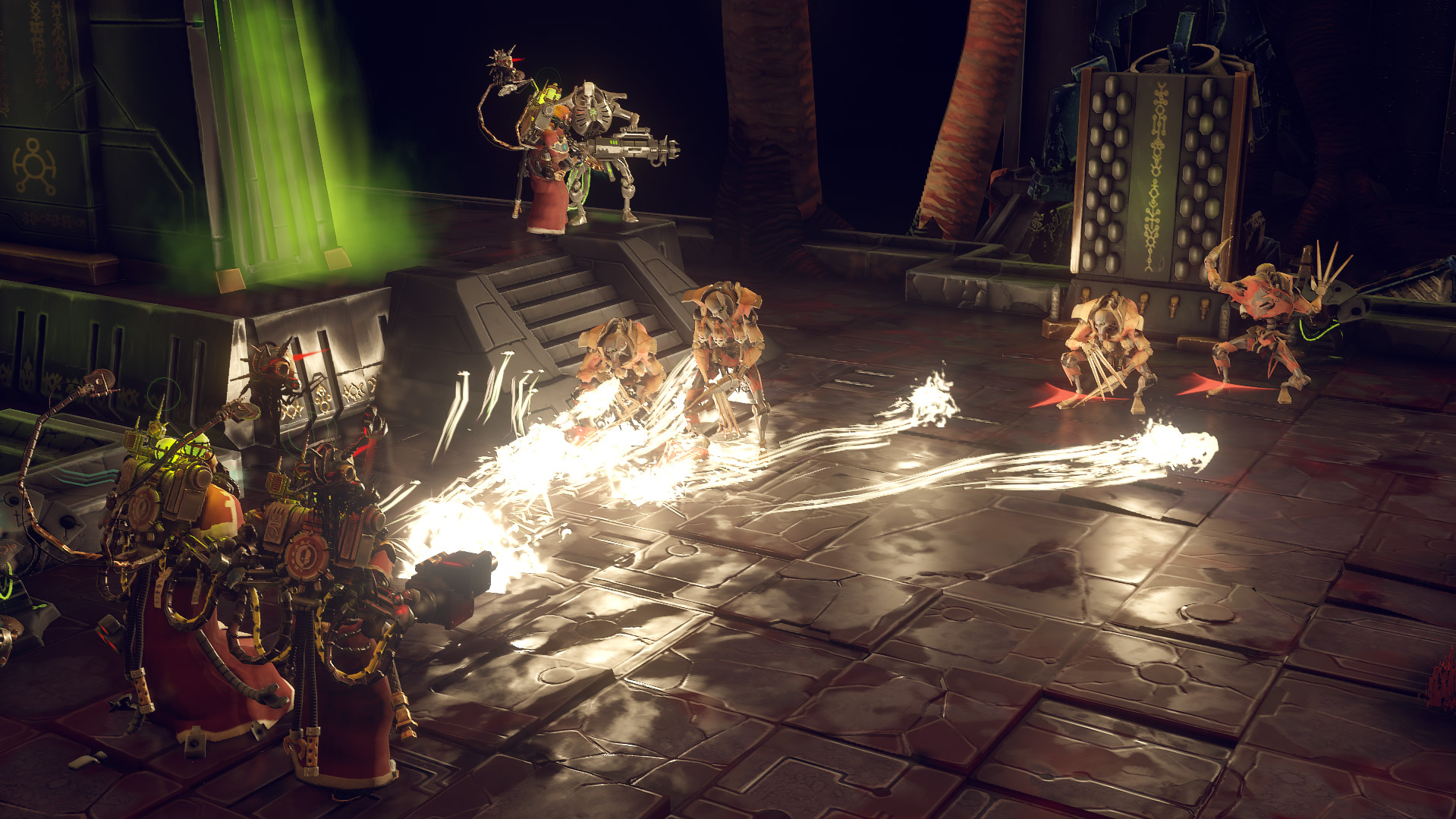
Mechanicus Review — A Clock Worth Playing Against review

Mechanicus Review — A Clock Worth Playing Against

Mechanicus is a tactics game whose best idea is not in the tactics. Every room you explore wakes the tomb a little further, and the tomb waking fully ends your campaign — so curiosity has a price and you pay it in a currency you can count. It sits at around 91 percent positive on Steam. This covers what the clock buys, where the tech-priest itemisation falls short, and who it suits.

Age of Wonders 4 Review — A Faction Creator Worth the 4X review

Age of Wonders 4 Review — A Faction Creator Worth the 4X

Age of Wonders 4's headline feature is that you design the faction — body, culture, society traits and a magic school you research over the game. It is genuinely the most interesting character creator in strategy. It is also the part the game explains least, because the rules that decide whether a faction works are buried in affinity requirements. This covers what the design buys, where it thins out, and the DLC question.

Loop Hero Review — You Build the Difficulty Yourself review

Loop Hero Review — You Build the Difficulty Yourself

Loop Hero's central idea is unusual enough to carry the whole game: you do not fight what the game sends, you place the cards that decide what shows up. Difficulty is a dial you hold, and loot is what you get for turning it. It sits at 92 percent positive on Steam from roughly 36,500 reviews. This covers what earns that, and the pacing problem that shows up somewhere around chapter three.