Start with the right mindset
Star Traders: Frontiers does very little to ease you in. It opens the whole sandbox at once — jobs, talents, ship upkeep, faction politics, trade, contracts — and explains it through dense text, so the most common new-captain experience is feeling overwhelmed and then going bankrupt or dying. The fix is not to learn everything at once. It is to start small, play safe, and add one system at a time. Your only real goals in the first few hours are to stay solvent, keep your crew loyal, and not lose a fight you should have run from. Everything else can wait until the core loop clicks.
Once you internalise that — steady income, careful spending, deliberate growth — the game stops being a wall and becomes the deep, rewarding sandbox it is. The advice below is all in service of that single idea.
Star Traders: Frontiers is a slow, deliberate sandbox with no fixed objective. Surviving and building a stable income comes first; the bigger stories — war, exploration, intrigue — open up naturally once you are no longer fighting to stay afloat.
Pick a forgiving captain and ship
Your captain creation choices shape how hard the early game is. A captain leaning toward trade, transport, patrol or command — with a balanced, affordable ship — gives you safe ways to earn while you learn. Aggressive pirate or pure-combat starts are far riskier for a beginner, because they push you into ship battles and faction hostility before you understand upkeep, morale or combat. There is no shame in an "easy" start; you can always pivot toward combat, spying or exploration once you have your footing and a cash buffer.
Whatever you pick, think about your faction allegiance too. Starting friendly with a major faction gives you reliable contacts and contracts, which is exactly the steady, low-risk work a new captain needs.
If in doubt, favour a captain with strong economy and command skills and a ship you can comfortably afford to run. A safe, profitable start teaches you the systems without the constant threat of bankruptcy that a combat build invites.
Earn steadily and control your costs
Money is survival in Star Traders, and the early game is a balancing act between income and two big ongoing costs: crew salary and ship upkeep. Take safe, profitable contracts — trade runs, transport, patrols and simple jobs from factions that like you — and keep a cash buffer at all times. Resist the urge to over-hire or buy a ship you cannot sustain; a smaller crew you can reliably pay beats a large one that bankrupts you. Trading goods between worlds can supplement contract income, but learn the basics of buying low and selling high gradually rather than gambling your savings on it.
The discipline of earning steadily and spending carefully is what keeps early runs alive. Most failed starts come from ambition outrunning income — a fancy ship, too many mouths to feed, or a risky venture before there was a buffer to absorb it.
| Priority | Do this | Why it matters |
|---|---|---|
| 1. Stay solvent | Take safe, profitable contracts | Bankruptcy is the most common way to lose early |
| 2. Keep crew loyal | Pay salary, keep food and rest | Low morale leads to conflict and mutiny |
| 3. Maintain the ship | Repair, refuel, resupply at friendly worlds | A neglected ship breaks down at the worst time |
| 4. Pick fights wisely | Flee or hold distance vs stronger ships | A lost battle can end your run |
Keep your crew loyal and your ship running
A captain is nothing without a crew, and crews have needs. They require regular salary, food and rest, and if you let pay lapse, run out of supplies, or push them too hard for too long, morale drops and you risk conflict or outright mutiny. Your ship likewise needs fuel, maintenance and the occasional repair, and neglect leads to breakdowns at the worst possible moments. Budget for these ongoing costs as a normal part of every voyage, and resupply and repair at friendly worlds before problems compound. Watching morale and ship condition, and acting before they become crises, is a core survival skill.
This is also why you should not stretch yourself thin. A lean, well-paid, well-fed crew on a maintained ship will carry you far further than an overextended operation teetering on the edge.
Fight only when you can win, and grow deliberately
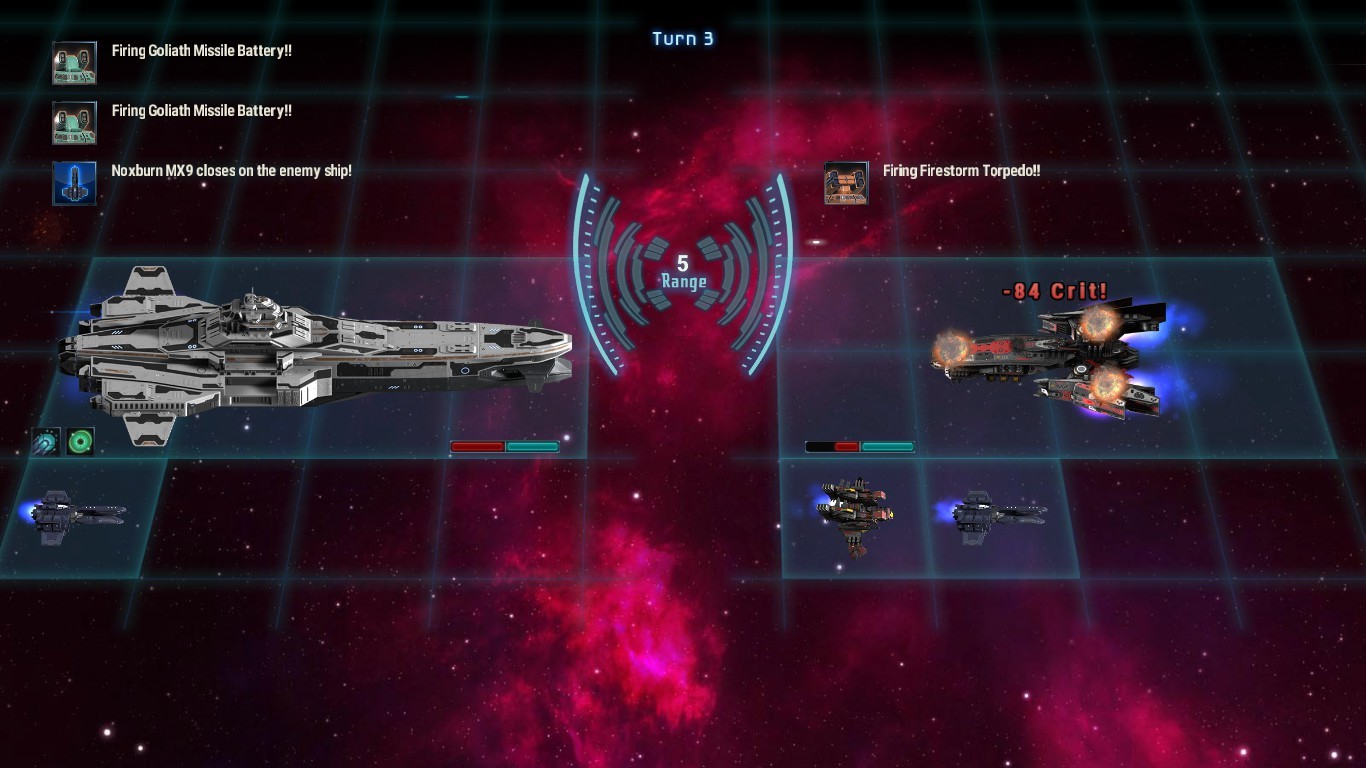
Early on, your ship and crew are fragile, so picking your battles is essential. Against a stronger ship, hold distance or flee rather than trading blows you will lose — learning when to run is as important as learning to fight. When you do engage, do it on your terms, with the advantage or a contract worth the risk. Preserving your crew and hull is almost always more valuable than the spoils of a dangerous fight.
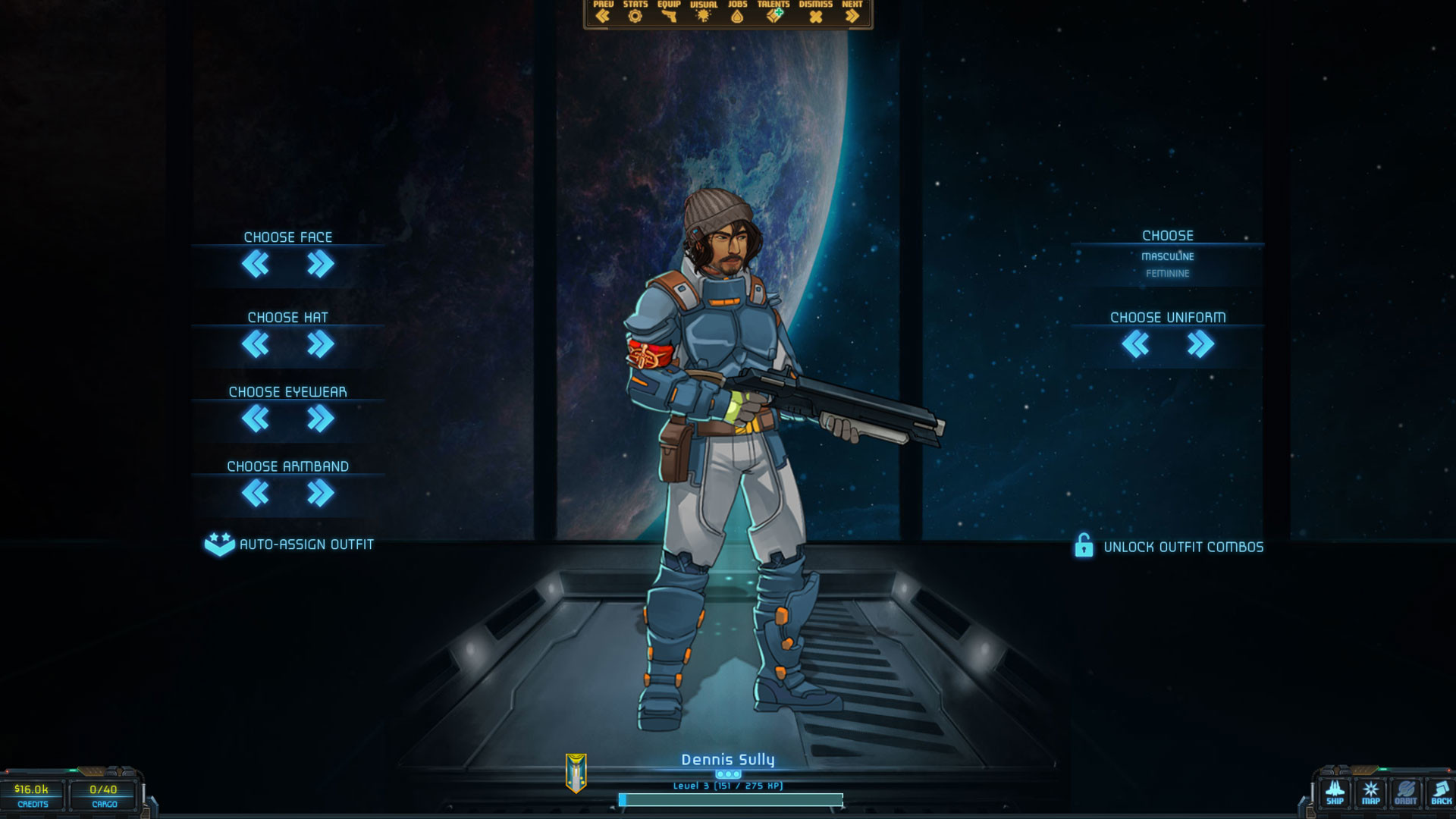
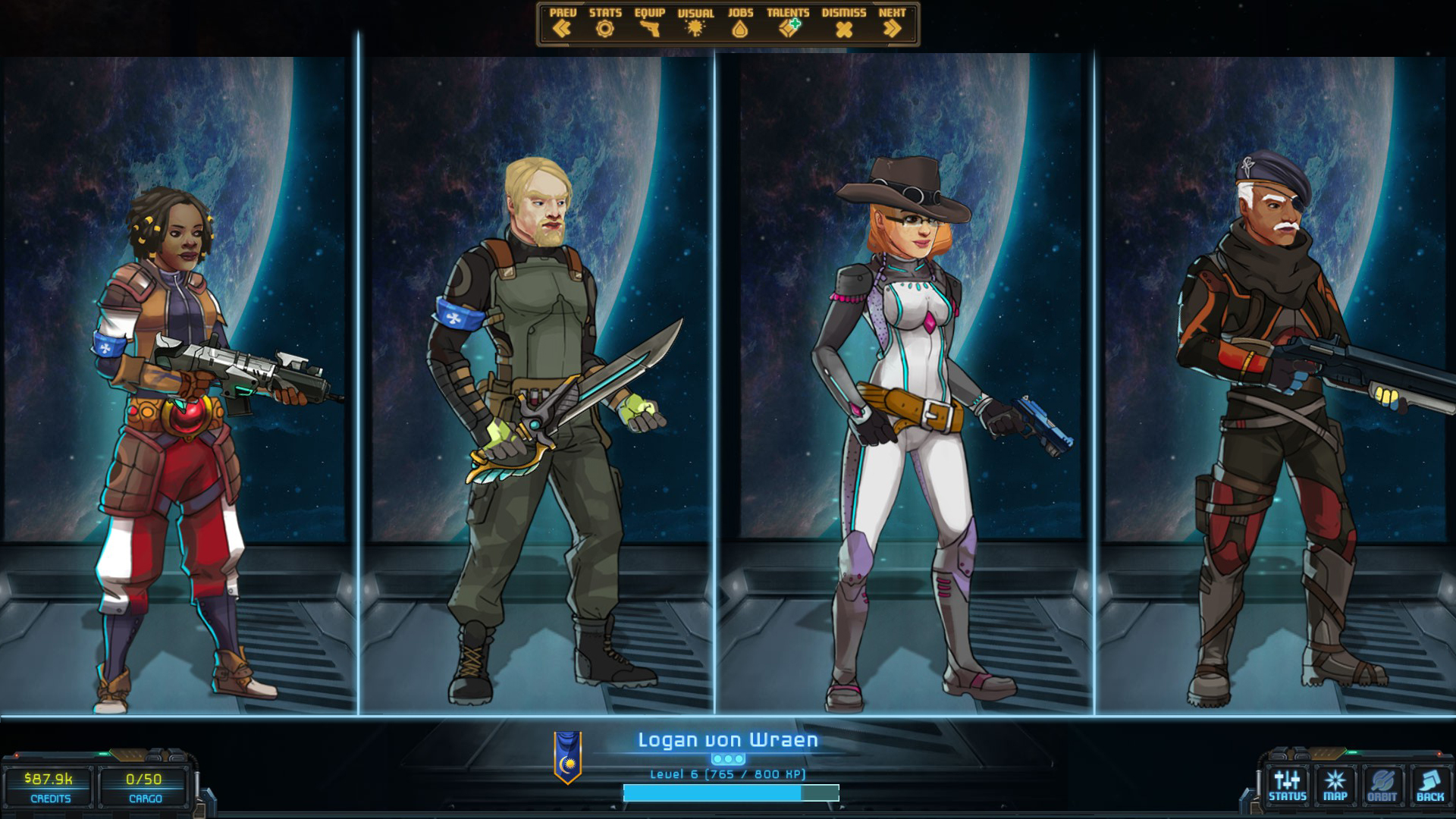
For growth, build your crew deliberately. Recruit for the roles you actually need, rank up jobs to unlock talents, and equip people well, focusing first on the essentials — a capable Pilot, Gunner, Mechanic and Doctor keep your ship flying and your people alive. Add combat and specialist jobs as your income and confidence grow. Our jobs tier list helps you prioritise, the ship combat guide teaches you to win and survive battles, and the trade and contracts guide shows how to turn a steady profit. Master these fundamentals and the overwhelming opening becomes a thriving career.