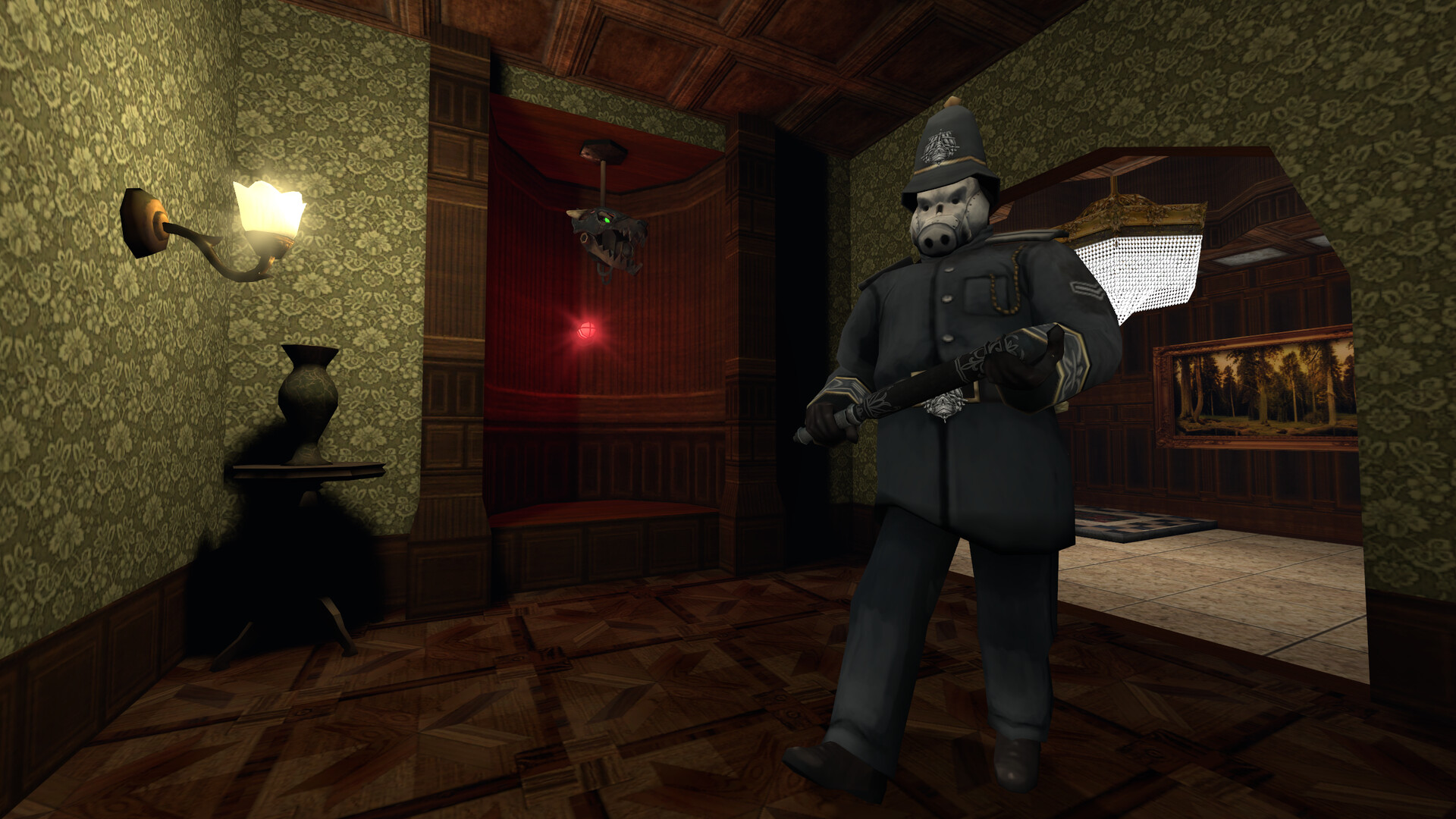
Why Gloomwood feels punishing at first
If your first hour in Gloomwood ended with the Doctor cornered by something you never heard coming, that is the game working as intended. Gloomwood is a stealth immersive sim with survival-horror tension, and it does not coddle you. The early difficulty is not about reflexes — it is about scarce resources, limited saves and detection that punishes carelessness. The skill you need first is not aim. It is discipline: moving slowly, staying quiet, and choosing your battles.
Treat the opening as a careful infiltration, not a fight. You are under-equipped and the city is hostile, and that is normal. Your job is to learn how the systems work — light, sound, saving and inventory — and to let that knowledge, rather than brute force, carry you through.
Do not sprint everywhere or shoot the first enemy you see. Running is loud, gunfire is louder, and both summon more trouble than they solve. The players who struggle most in Gloomwood are the ones who play it like an action game.
Your first steps, the right way
There is a clear, low-risk way to play the opening. Build these habits early and the tense start becomes a tense pleasure rather than a wall.
-
1
Move slowly and crouch
Walking and crouch-walking keep you quiet. Sprinting is for emergencies only — noise reveals you faster than sight does.
-
2
Mind the floor surface
Different surfaces make different noise. Wood and metal can be loud; learn to route over quieter ground when sneaking past enemies.
-
3
Live in the shadows
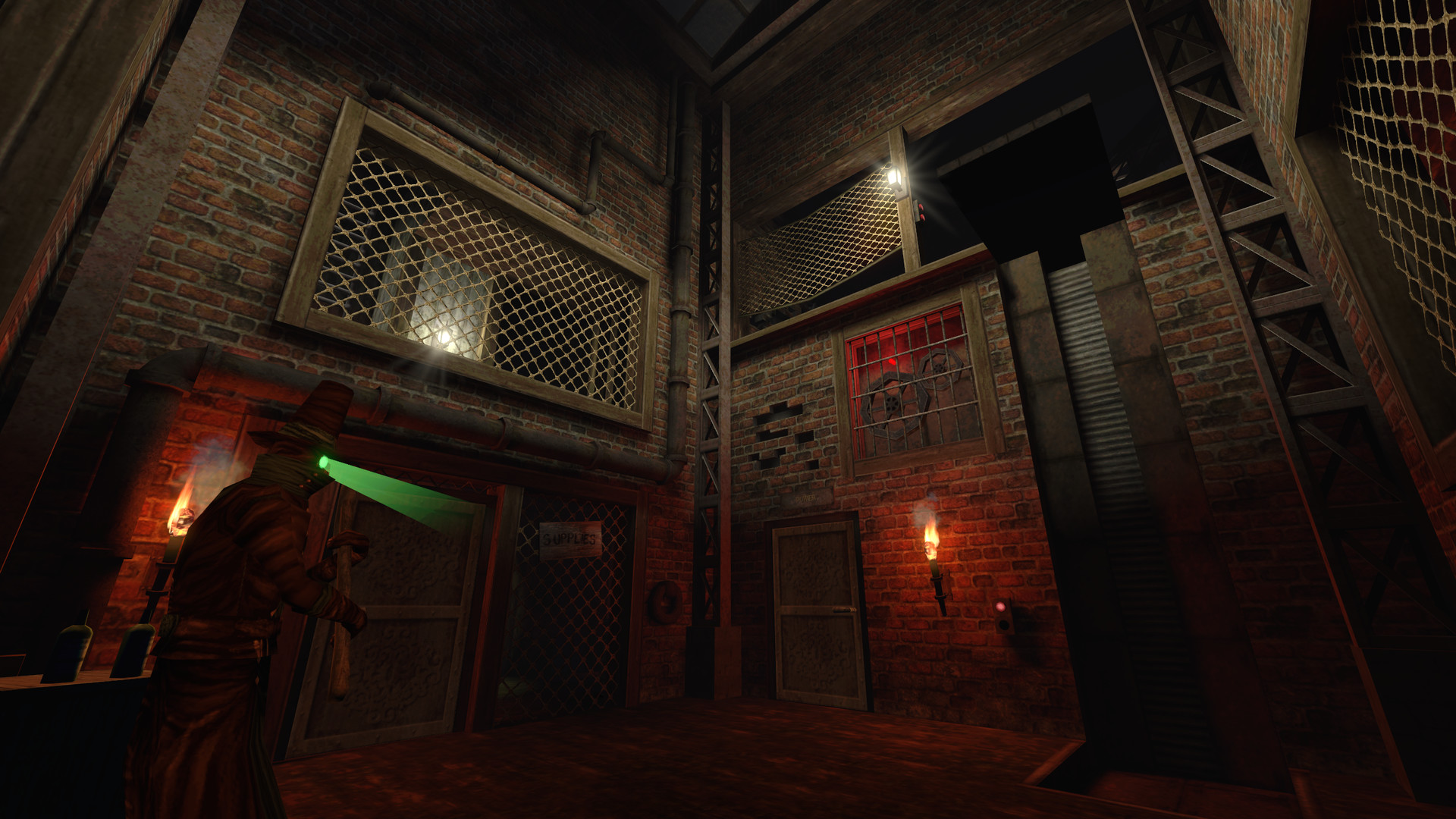
Stay out of light and use darkness to move unseen. Douse or avoid light sources where you can, and check your visibility before crossing open ground.
-
4
Lean before you move
Use leaning to peek around corners and doorways, scout patrols, and plan a route before committing.
-
5
Save at gramophones, deliberately
Saves are manual and tied to gramophones. Save before risky sections so a mistake costs minutes, not progress.
Light, sound and detection
Gloomwood's stealth rests on two readable systems: light and sound. Visually, you are safer in shadow and exposed in light, so manage your position relative to lamps and windows, and put out or avoid lights that would silhouette you. Aurally, your own movement makes noise that enemies can hear — sprinting, walking on loud surfaces, and combat all generate sound that draws attention. The trick is to internalise both at once: a shadow is no good if your footsteps announce you, and silence is wasted if you are standing in a spotlight.
Enemies behave consistently, which means you can learn and plan around their patrols. Watch from cover, time your movement to their backs, and use leaning to confirm a path is clear before you take it. Patience here is not just safer — it is the intended, satisfying way to play.
| Action | Noise level | When to use |
|---|---|---|
| Crouch-walk | Very quiet | Default movement when enemies are near |
| Walk | Moderate | Covering ground when the area is clear |
| Sprint | Loud | Emergencies and escapes only |
| Gunfire | Very loud | Last resort — expect it to attract enemies |
Saving, inventory and resources
Two survival-horror systems shape how you play. First, saving: you save at gramophones, manually, so treat each save as a checkpoint you earn. Save before pushing into unknown or dangerous areas, and you will rarely lose meaningful progress. Second, your inventory is a grid with limited space, so what you carry is a genuine decision — prioritise healing, key items and your most useful weapon over hoarding everything. Ammunition is scarce throughout, which is exactly why avoidance beats combat: every bullet you do not fire is one you keep for a moment you truly need it.
The throughline is restraint. Gloomwood rewards the player who plans, conserves and avoids, not the one who charges in. Lean into that and the city becomes a tense, rewarding puzzle rather than a meat grinder.
When in doubt, go around. Most encounters can be avoided entirely, and avoidance saves ammo, health and noise. Once you are comfortable with the basics, our Gloomwood stealth guide goes deeper on light and sound, and the survival guide covers saving and inventory in detail.