The two pillars of Gloomwood stealth
Great stealth games are legible: they tell you, clearly, when you are safe and when you are exposed, so that hiding becomes a plan rather than a guess. Gloomwood is one of those games, and its stealth rests on two pillars you must read at the same time — light and sound. Visibility is governed by light and shadow; audibility is governed by your movement and the surfaces you cross. Master either one alone and you will still get caught. Master both together and the cursed city opens up, letting you move where you like, when you like, on your own terms.
This guide treats those two systems in depth, then adds the tools that tie them together: leaning to scout, and reading patrols to time your movement. The throughline is control. Gloomwood is at its best when you are the one deciding what happens, and stealth mastery is how you take that control.
Gloomwood draws its stealth directly from the Thief tradition — light and sound as the two axes of detection — while layering on survival-horror tension. Because it is in Early Access, specific level layouts and enemy placements may shift between updates, but these underlying detection principles stay constant.
Light and shadow: controlling visibility
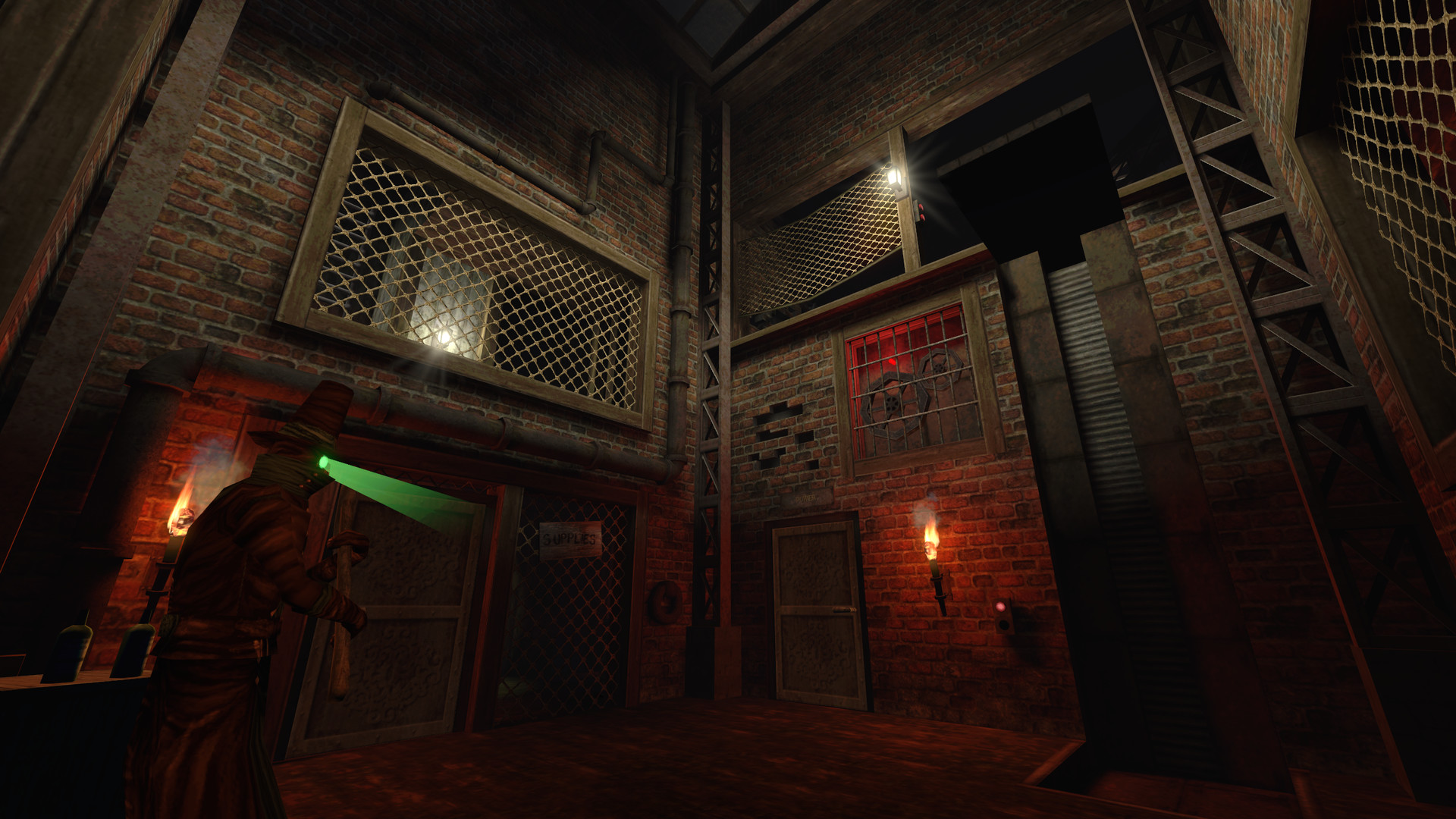
The visual half of stealth is about where the light falls. You are harder to see in shadow and dangerously exposed in light, so your first instinct in any space should be to find the dark routes and avoid the bright ones. Lamps, windows and open lit areas are hazards; pools of shadow are highways. Where you can influence light sources, doing so changes the map in your favour, turning a guarded lit corridor into a passable dark one. And never silhouette yourself — crossing a bright opening or standing against a light makes you visible from far away, undoing all your careful positioning.
The practical habit is to plan your path through darkness before you move, the way you would plan a jump before you take it. Look at the room, find the shadow line that connects where you are to where you want to be, and follow it.
Sound: the half that catches careless players
The audio half is where most players get caught, because it is easy to forget. Your movement makes noise, and that noise scales with how fast you move and what you move across. Sprinting is loud everywhere; walking is moderate; crouch-walking is quiet. On top of that, surfaces matter — hard, resonant floors like wood or metal carry your steps further than soft ground. Put those together and the lesson is clear: near enemies, slow down and mind your footing. A perfect shadow is worthless if your boots announce you to everyone in the room.
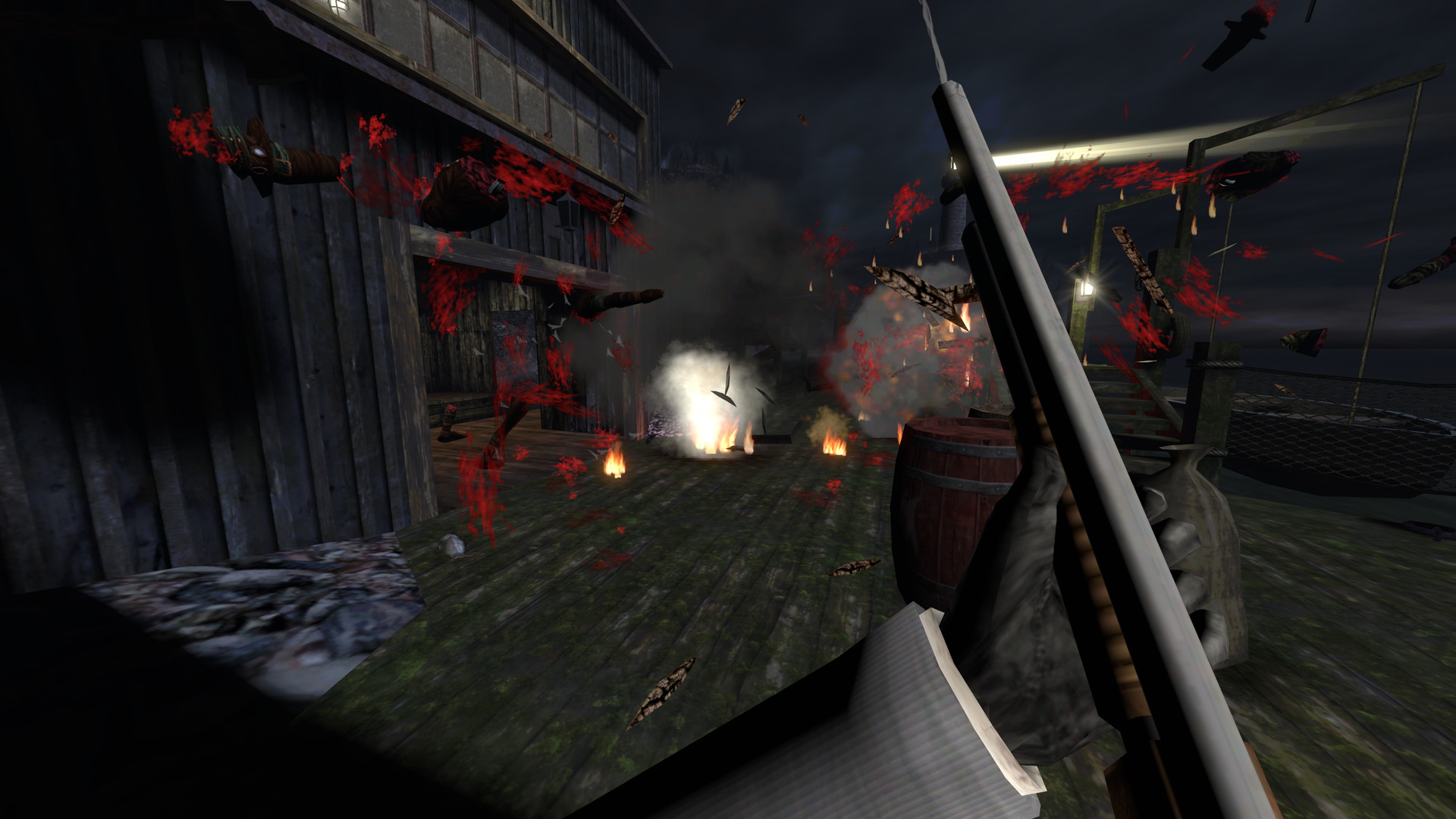
Weapons are the loudest sound of all, which is why firing one is a last resort. Even successful combat tends to draw more enemies, so the quietest solution — slipping past, or a silent takedown — is almost always the best one.
| Factor | Makes you safer | Gives you away |
|---|---|---|
| Light | Staying in shadow, dousing or avoiding lights | Standing in light, silhouetting in open areas |
| Movement | Crouch-walking, moving on quiet surfaces | Sprinting, crossing loud wood or metal floors |
| Weapons | Silent takedowns, thrown options | Gunfire, which carries far and draws enemies |
Leaning and reading patrols
Two skills turn the light-and-sound theory into reliable practice. The first is leaning. By peeking around corners, doorways and cover, you can scout an area, locate patrols, and plan a route without exposing your body or committing to a move you cannot undo. Lean first, always — it costs nothing and prevents the blind steps that get you spotted. The second skill is reading patrols. Enemies in Gloomwood behave consistently, so a few moments of observation tell you their routes, their timing and when their backs are turned. Once you can predict an enemy, you can move on your schedule instead of theirs.
Put together, the loop is: lean to scout, identify the shadow path, wait for the patrol's back, and move quietly. Repeat that and you can cross spaces that look impossible at a glance.
-
1
Lean and scout
Before moving, lean around the corner or doorway to locate every enemy and their facing.
-
2
Find the shadow path
Pick the route that keeps you in darkness and avoids lit, open ground.
-
3
Time the patrol
Wait for the enemy to turn away or move along their route before you commit.
-
4
Move quietly
Crouch-walk on quiet surfaces, stay in shadow, and reach the next piece of cover.
Putting it together
The defining mistake in Gloomwood is using one system and ignoring the other — hugging the shadows while sprinting, or moving silently across a brightly lit room. Mastery is holding both in mind at once: dark and quiet, every step. Add leaning to scout and patrol-reading to time your moves, and you graduate from reacting to enemies to orchestrating your way around them. That is when Gloomwood stops being stressful and becomes the tense, deeply satisfying stealth game it is built to be.
When stealth does break down, knowing your tools matters — see our Gloomwood weapons guide for what to reach for in an emergency. To handle the saving and resource tension that frames every careful advance, read the survival guide, and if you are just starting, the beginner guide covers the fundamentals.
When you are unsure whether a route is safe, assume it is not and lean to check. The few seconds spent scouting are always cheaper than the noise, combat and lost progress that come from being spotted.