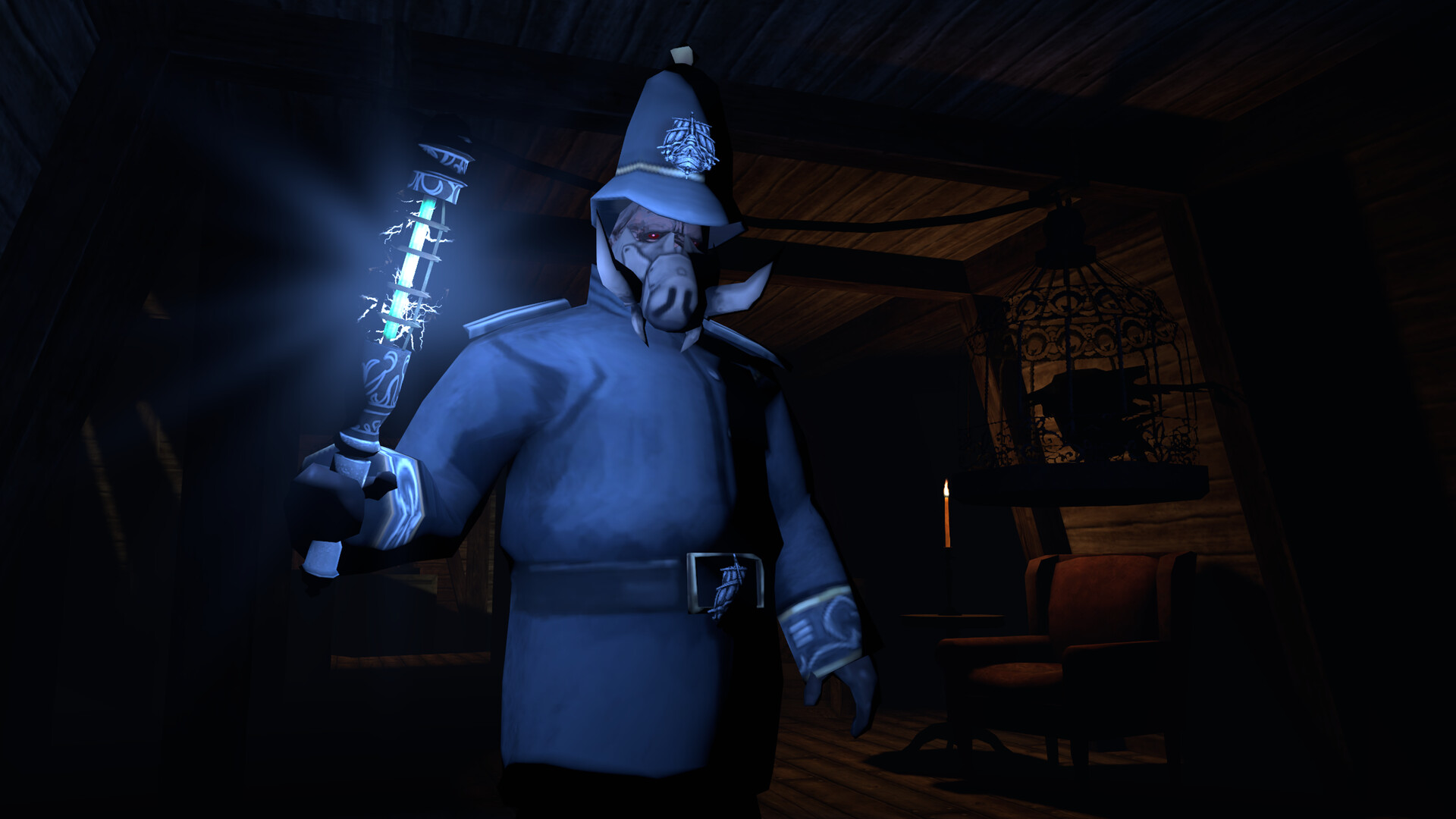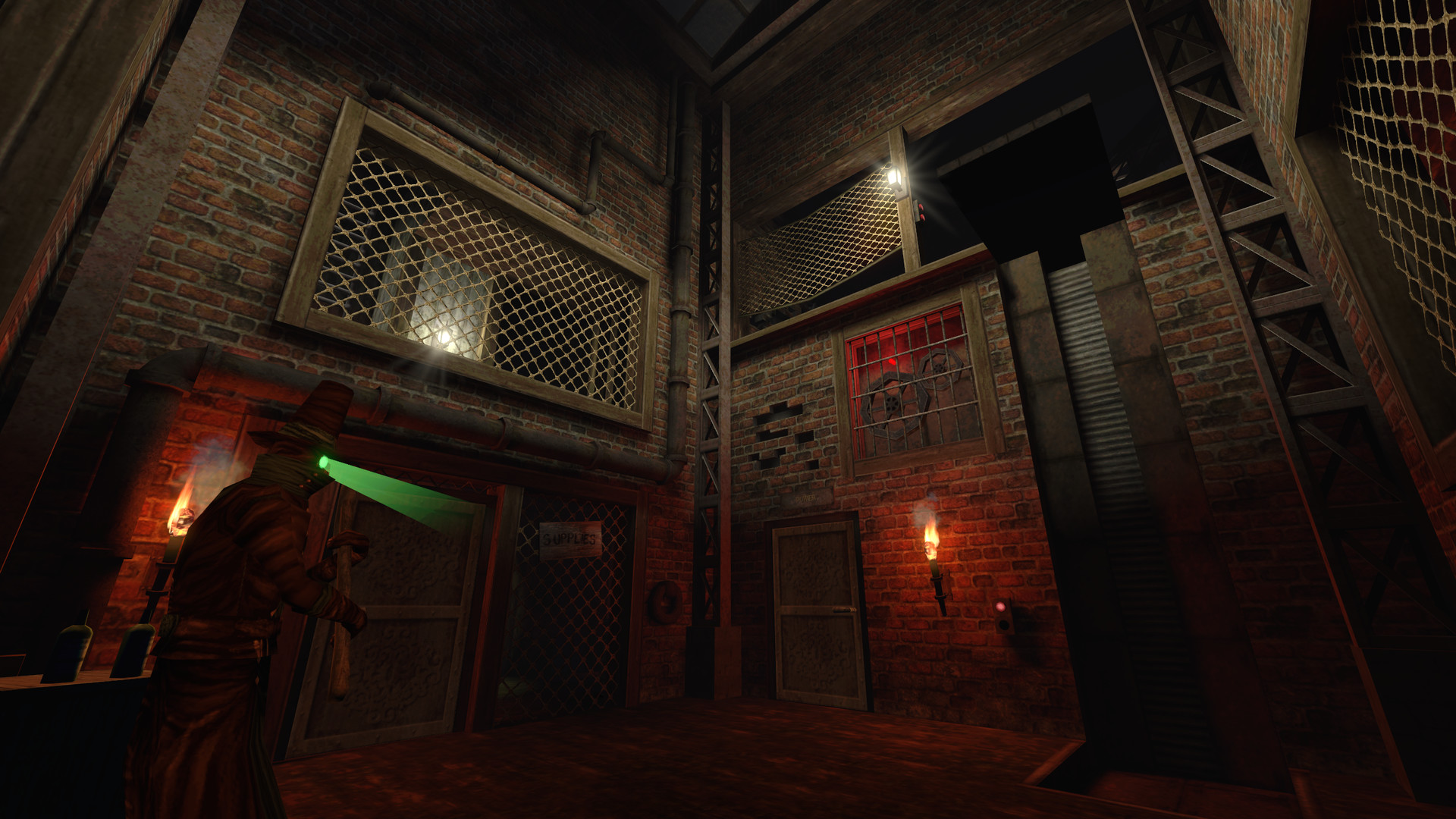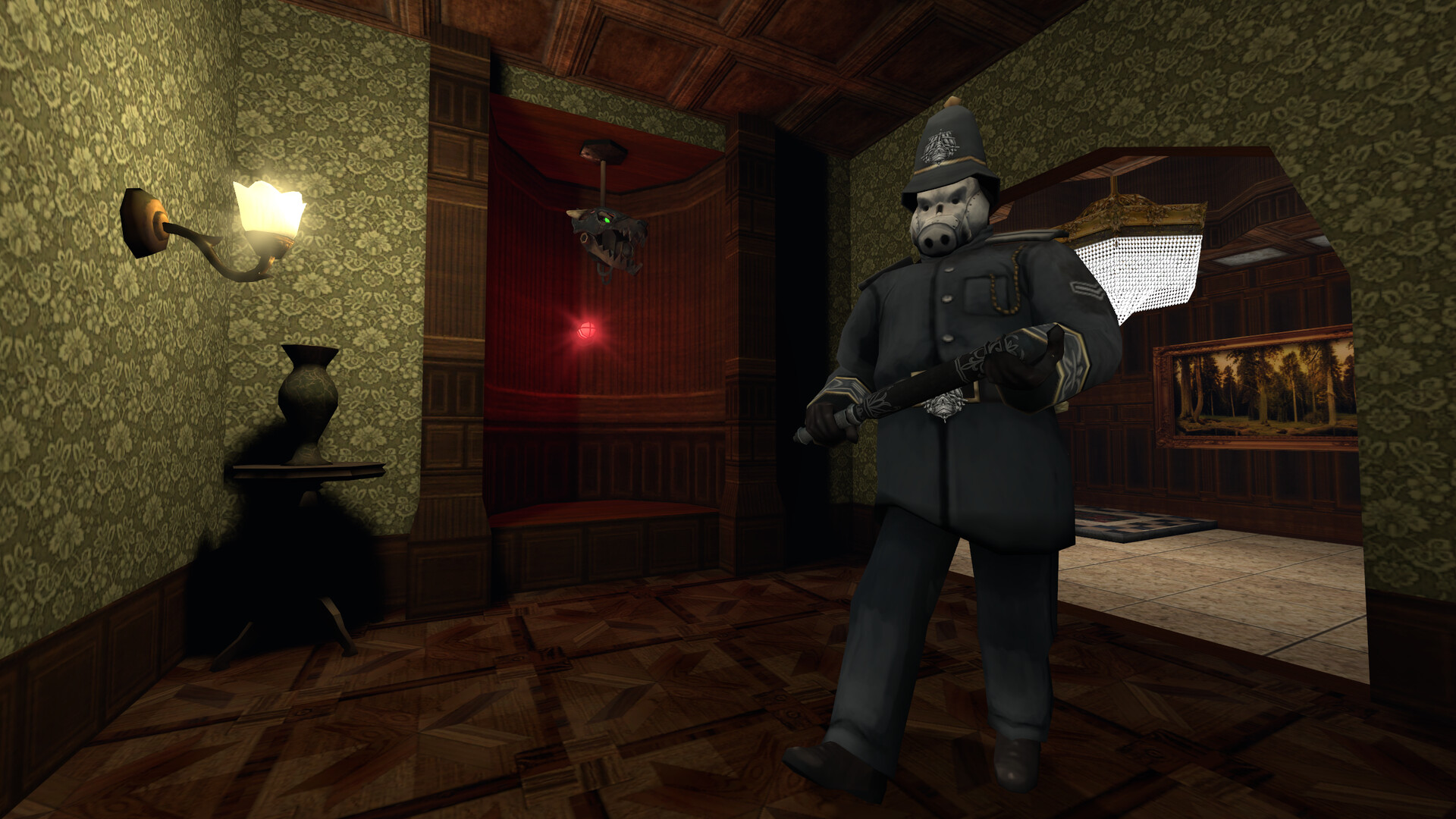
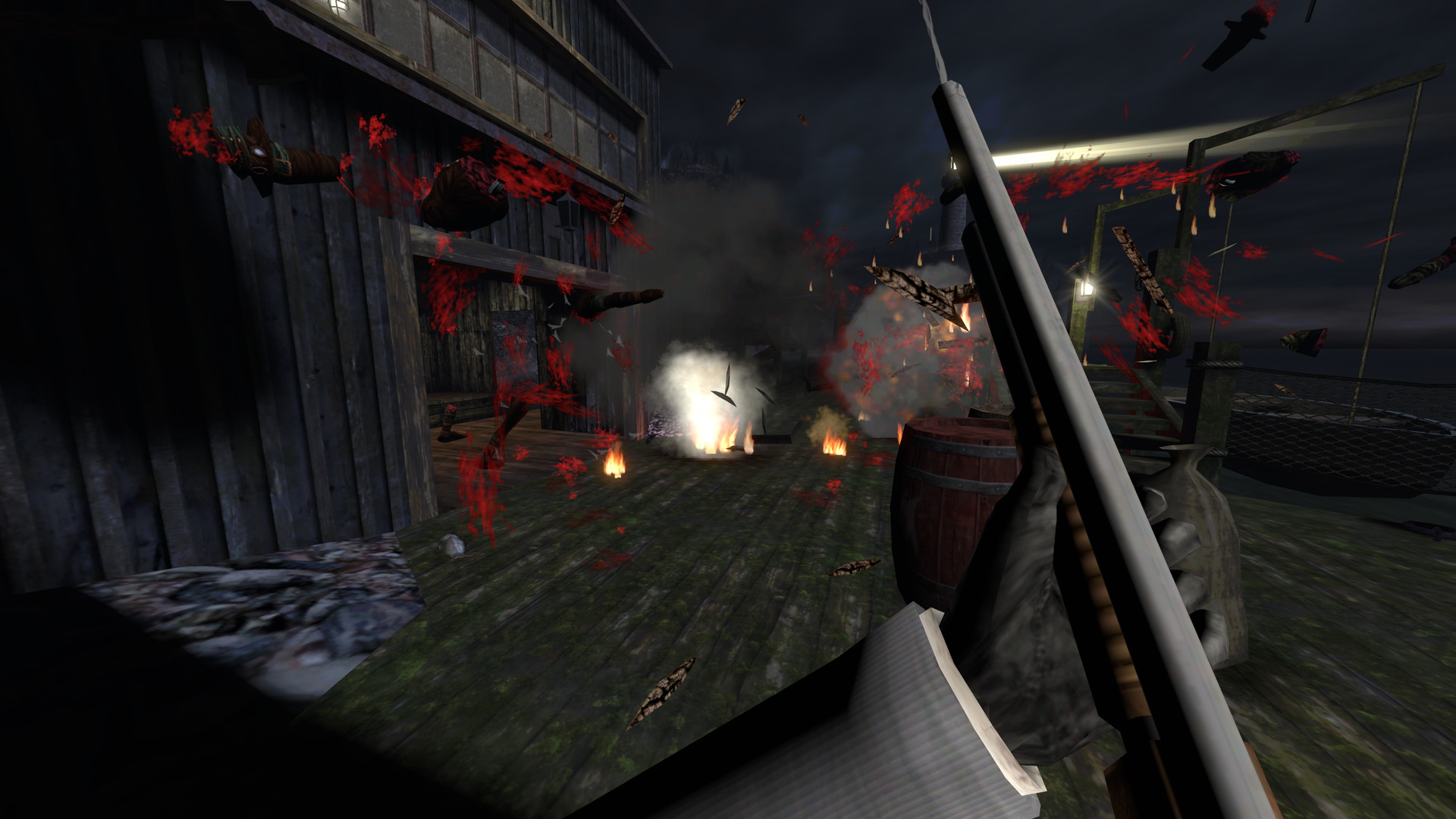
Gloomwood is a survival game, not just a stealth game
It is easy to describe Gloomwood purely as a Thief-like stealth game, but that undersells half of what makes it tick. Layered onto the stealth is a survival-horror skeleton — manual saves, a grid inventory and genuinely scarce resources — and those systems are the source of the game's distinctive tension. They are also the systems that catch out players who treat Gloomwood as a pure sneaking simulator. Understanding how saving, inventory and resources work, and how to plan around them, is what turns a stressful slog into a tense, controllable experience.
The unifying idea is cost. Every choice in Gloomwood has a price: pushing deeper risks your last save, carrying one item means leaving another behind, firing a gun spends ammunition you cannot easily replace. Once you start playing with those costs in mind rather than ignoring them, the survival layer becomes a puzzle you can solve.
Gloomwood is in Early Access, so specific resource availability, save placement and inventory details can change between updates as content is added. The principles here — save deliberately, carry purposefully, conserve always — hold regardless of the current build.
Saving at gramophones
The most important survival system to internalise is saving. You do not save whenever you like; you save manually at gramophones placed through the world. This is lifted straight from classic survival horror, and it is deliberate: the distance between save points is where tension lives. The practical implications are simple but vital. Plan your movement with the next gramophone in mind, and always save before pushing into an unknown or dangerous area. Do that and a mistake costs you a few minutes of replay; ignore it and a single error can erase a long, careful stretch of progress.
Treat each save as something you earn by reaching it safely. That mindset reframes the save system from a frustration into a series of small, satisfying checkpoints that punctuate your infiltration.
Never push into a risky section right after a long unsaved run. If you have not seen a gramophone in a while and the way ahead looks dangerous, the smart play is to scout cautiously and find a save opportunity before you commit. Losing twenty minutes to a careless death is the most avoidable mistake in the game.
Managing the grid inventory
Your second survival system is the grid inventory, again inspired by classic survival horror. Items and weapons take up space, and you cannot carry everything, so every loadout is a series of trade-offs. The goal is a lean, purposeful kit rather than a hoard. In practice that means prioritising the essentials — your silent melee weapon, one ranged emergency option, healing, and any key items — and deliberately leaving space rather than filling every slot with marginal pickups. Carrying junk you will never use is how you end up without room for the thing you actually need.
Think of inventory management as another expression of restraint. Just as you avoid fights to conserve resources, you curate your inventory to stay flexible. A tidy, intentional kit is worth far more than a full but cluttered one.
| Priority | Carry | Why |
|---|---|---|
| Essential | Silent melee weapon | Your default tool for staying hidden |
| Essential | Healing items | Survival when stealth fails or damage is unavoidable |
| Situational | One ranged emergency weapon | For unavoidable fights and escapes |
| Low | Excess or marginal pickups | Clutter that costs space you may need later |
Conserving ammo, healing and health
Resources in Gloomwood are scarce by design, and that scarcity is exactly why avoidance is so valuable. Every enemy you slip past is ammunition you keep, health you do not lose, and noise you do not make. The most reliable way to always have supplies when an emergency demands them is to spend as little as possible the rest of the time — favour silent takedowns and sneaking over gunfights, and reach for loud, ammo-hungry weapons only when there is no alternative. Searching the environment thoroughly is the other half of the equation: the city rewards careful exploration with the supplies that scarcity makes precious, along with shortcuts and routes that make survival easier.
The mindset to carry throughout is simple: assume you will have less than you want, and play so that you rarely need more than you have.
The cheapest survival tool is avoidance — it costs no ammo, no health and no noise. For the detection systems that let you avoid encounters, see our Gloomwood stealth guide; for which weapons to keep for emergencies, the weapons guide; and if you are new, the beginner guide ties the basics together.