
Starting your first city
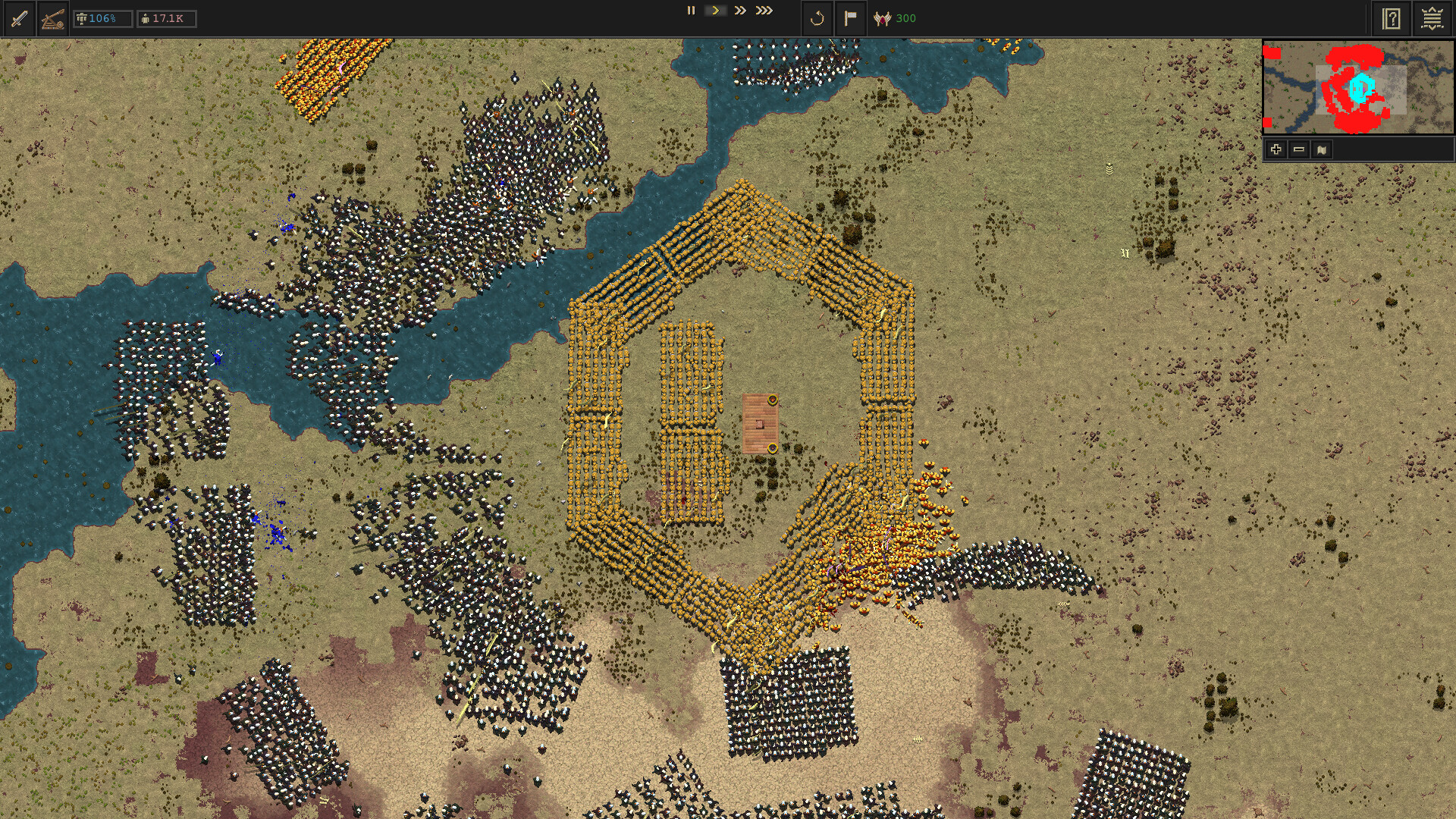
Songs of Syx can feel overwhelming on your first attempt. You are handed a small band of settlers, a patch of land, and a dense interface full of races, jobs, resources and needs, with a world map of rival kingdoms looming beyond. The single biggest mistake new players make is treating it like a normal, forgiving city builder and expanding fast — which almost always ends in a food shortage, a disease outbreak or a morale collapse within a few years. The good news is that the early game has a clear priority order, and once you follow it the game becomes deeply rewarding rather than punishing. This guide walks you through your first years: securing food, choosing and housing your races, assigning your workforce, and keeping morale stable, so that you build a foundation strong enough to grow from.
The single most important idea to hold onto is that food comes before everything. A well-fed small city can grow steadily and safely; a hungry one collapses no matter how clever the rest of your plans. Get food right first, and everything else follows.
Songs of Syx runs in real time but can be paused freely, so take your time. Pause, study your food and morale, and plan before you build. The game rewards careful, deliberate management far more than fast expansion.
Your first years, step by step
The early game rewards a clear sequence: secure food, build simple housing, assign your workforce sensibly, add basic morale, and only then grow. Follow these steps and your first city will survive long enough to thrive.
-
1
Secure food above all
Build vegetable farms immediately, then add grain farming and a bakery when you can, since grain and bread feed most races efficiently. Set up a small pasture for meat, and expect to forage in the first couple of years. Do not let population outpace food.
-
2
Build simple single-race housing
Remember that housing is single-race only — you cannot mix species in one home. Early on, simple apartments and small houses near the workplaces are enough. Keep your first city compact so hauling distances stay short.
-
3
Weight your workforce to food
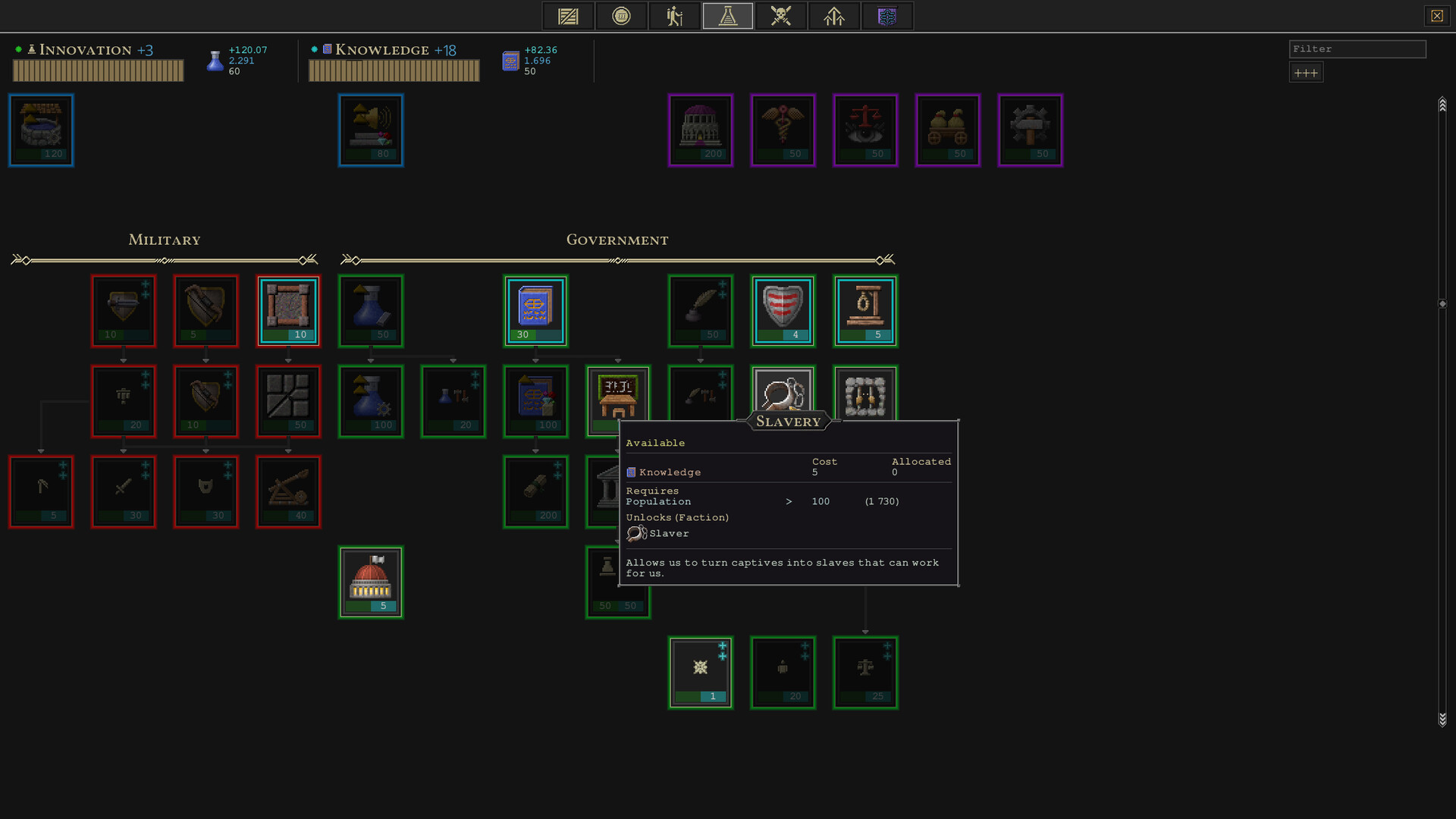
Assign roughly half your population to food production early, with the rest on hauling, basic workshops and essentials. Use slaves for farming and hauling. Concentrate workers into specialised industries — the experience system rewards it.
-
4
Add basic morale, slowly
Once fed and housed, add a little morale: a lavatory upgrade, one tavern, and simple entertainment. Do not promise luxury goods your economy cannot supply. Grow happiness gradually alongside a stable economy.
-
5
Grow only when stable
Expand your population only once food comfortably exceeds demand and morale is steady. Grow in layers — add capacity, stabilise, then grow again — rather than rushing. A slow, stable city beats a fast, collapsing one.
Understanding the core loop
Once your first village is stable, Songs of Syx settles into a satisfying loop: your population works your farms and industries, producing food and goods; those goods feed, house and satisfy your citizens and generate a surplus you can trade or invest; and a content, well-fed population grows, letting you expand your city and workforce further. The key beginner lesson is that these systems are tightly connected. Growing your population without first growing your food and housing causes shortages; adding industries without workers to staff them does nothing; promising morale goods without the economy to supply them backfires. The skill is keeping everything in balance as you scale, rather than racing any single system ahead of the others.
A useful early habit is to watch two numbers above all: your food balance and your morale. If food is comfortably positive and morale is stable or rising, you can afford to grow; if either is slipping, stop expanding and fix it first. This simple discipline — grow only from a position of surplus and stability — is what turns the game's daunting complexity into a manageable, rewarding rhythm.
Concentrate your workers rather than spreading them thin. Because of the experience system, an industry staffed by many dedicated workers becomes far more efficient than several understaffed ones. When in doubt, run fewer industries well, especially in food, before branching into everything at once.
Growing toward a metropolis and the world
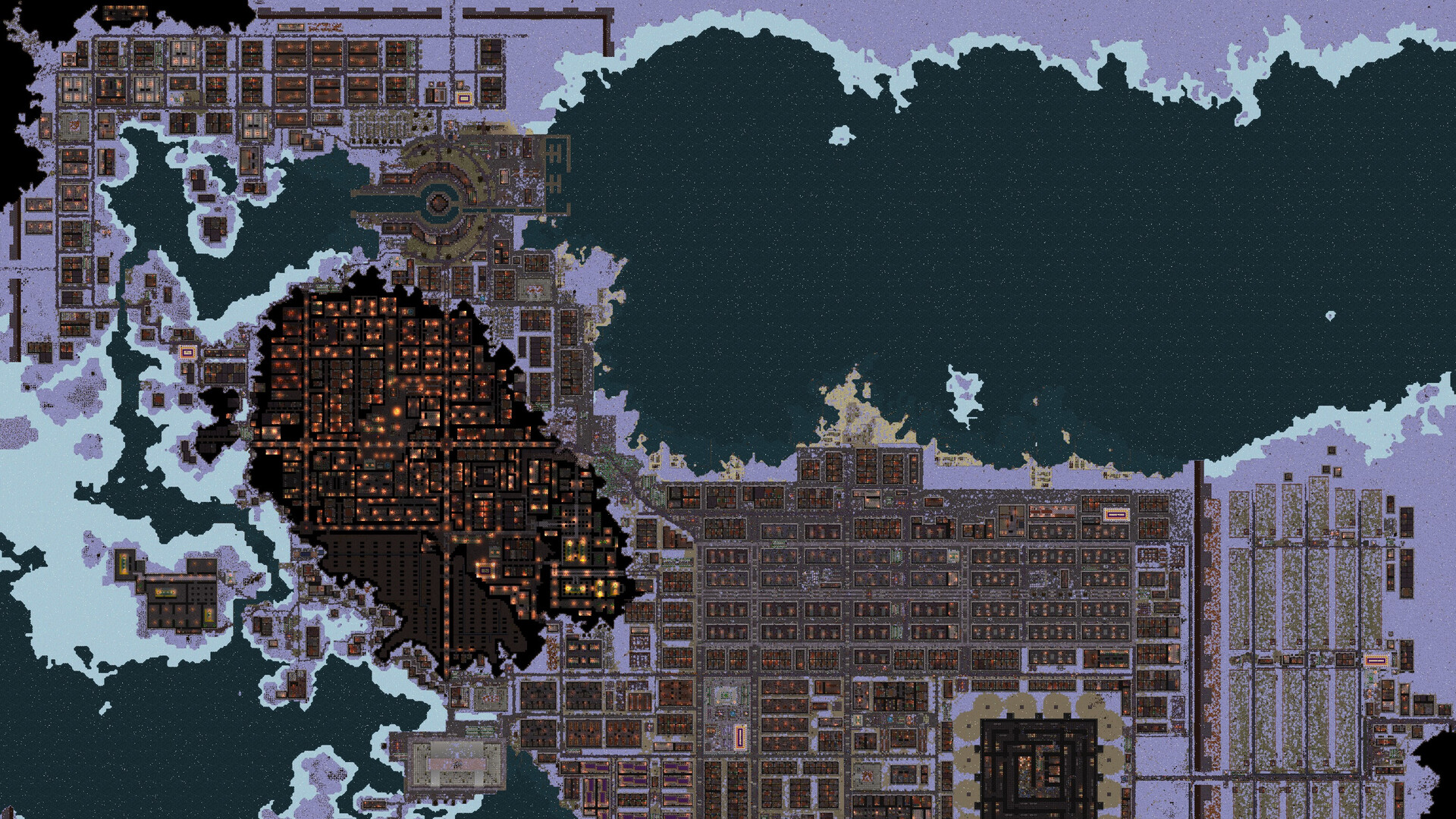
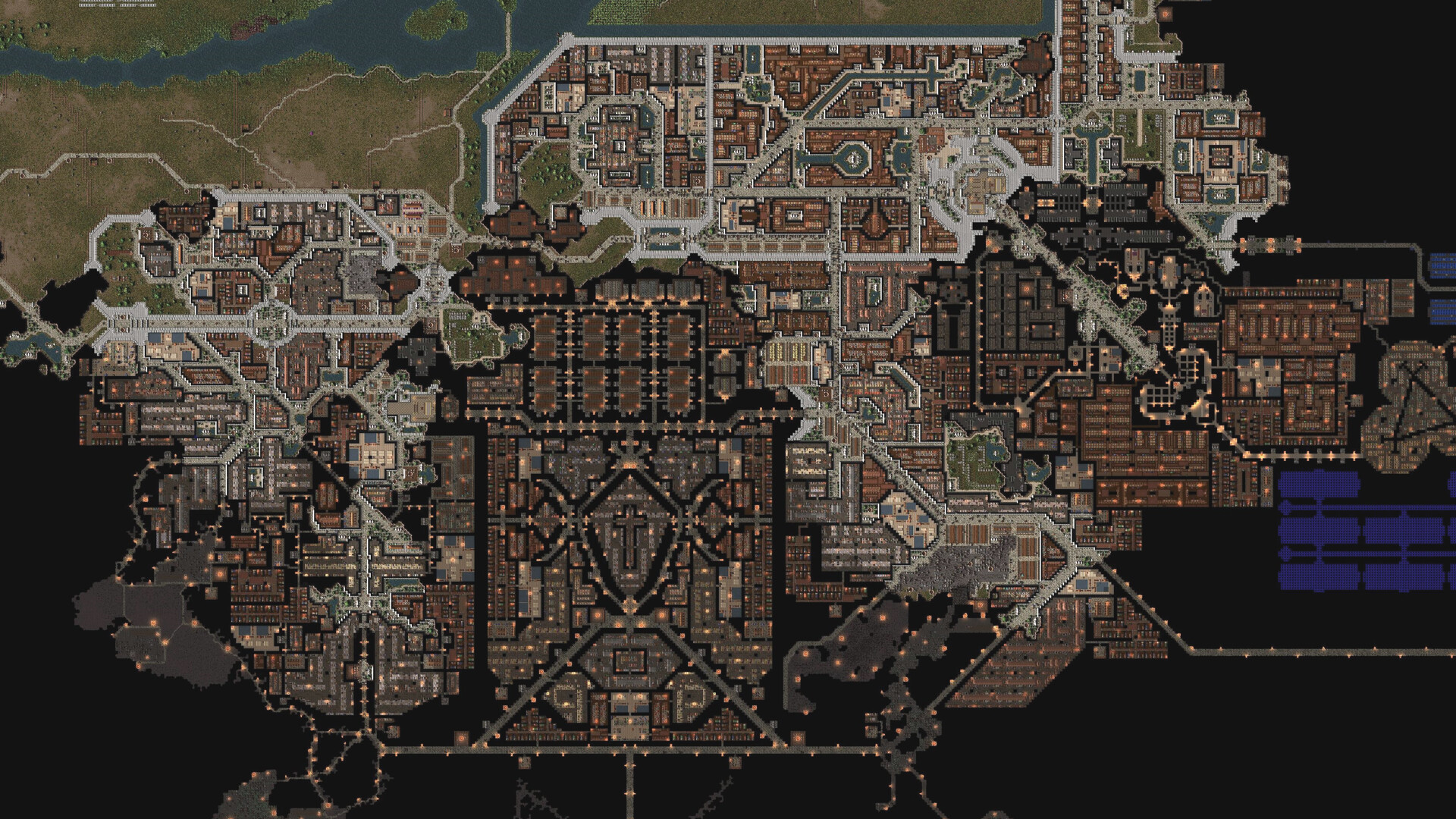
With a stable, well-fed village, sensible housing, and steady morale, you are ready to grow Songs of Syx's deeper systems at your own pace. Larger and more specialised production chains let you manufacture goods to satisfy more advanced needs and to export for wealth. Bringing in additional races lets you fill specialist roles — miners, crafters, herders, researchers, soldiers — though you must manage the relationships between them. And eventually the world map opens up, with rival kingdoms to trade with, out-manoeuvre or conquer, backed by armies your economy equips and supplies. None of this is urgent in your first years, which is exactly why getting food, housing and morale solid first matters so much — it gives you the stable base from which real expansion becomes possible.
From there, the scale is yours to push as far as your skill and patience allow, toward the hundreds of thousands of citizens the game is famous for. For deeper strategy, see our races tier list on choosing your peoples, our economy guide for mastering production, and our military guide for war and conquest. If you are still deciding whether the game is for you, read our Songs of Syx review.
Do not expand like a normal city builder. Rushing to grow your population and city footprint is the classic way new players collapse in Songs of Syx — through food shortages, disease or morale crises. Secure food, stabilise, and only then grow, in careful layers. Patience is the core survival skill.