The economy is the city
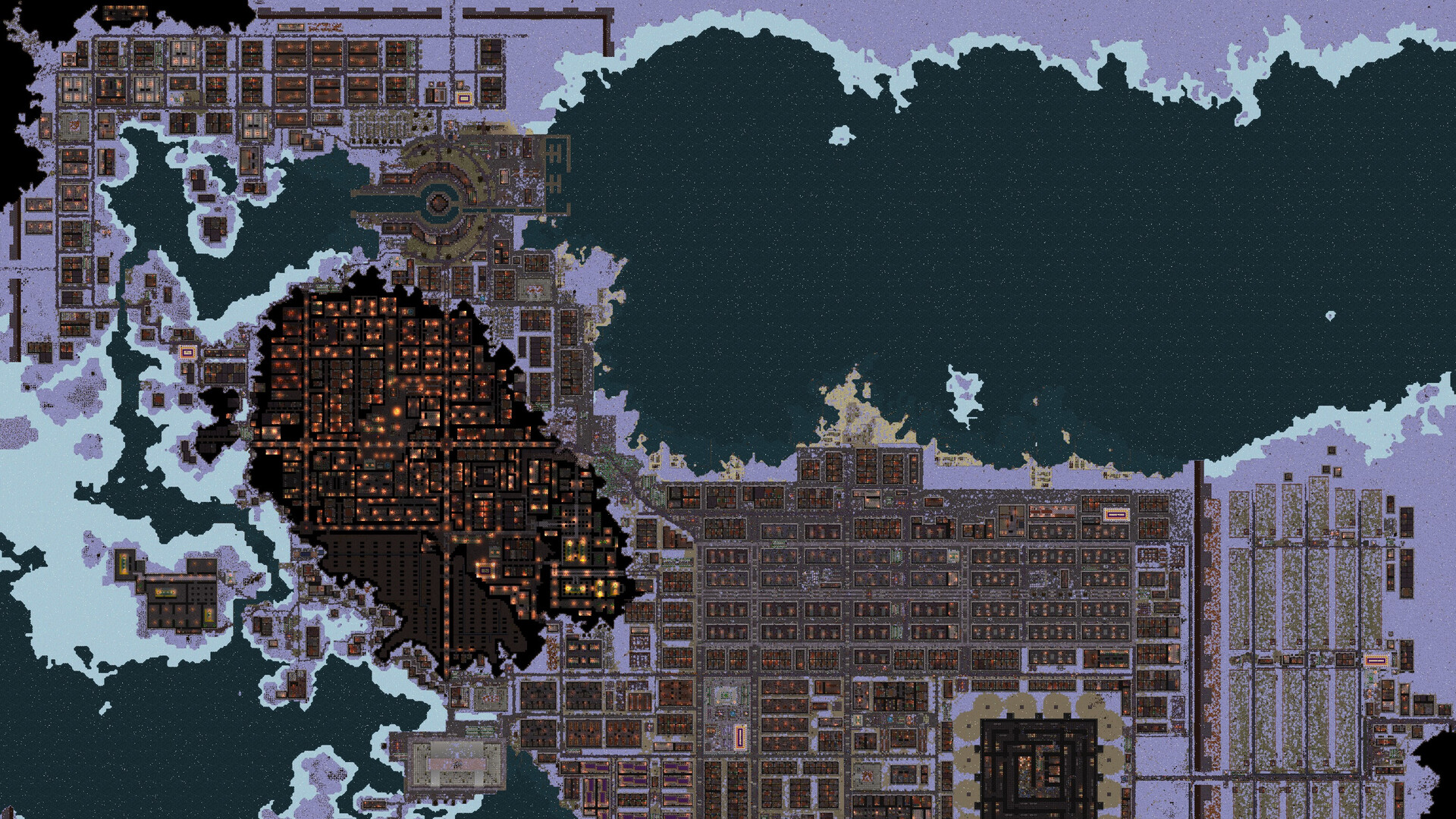
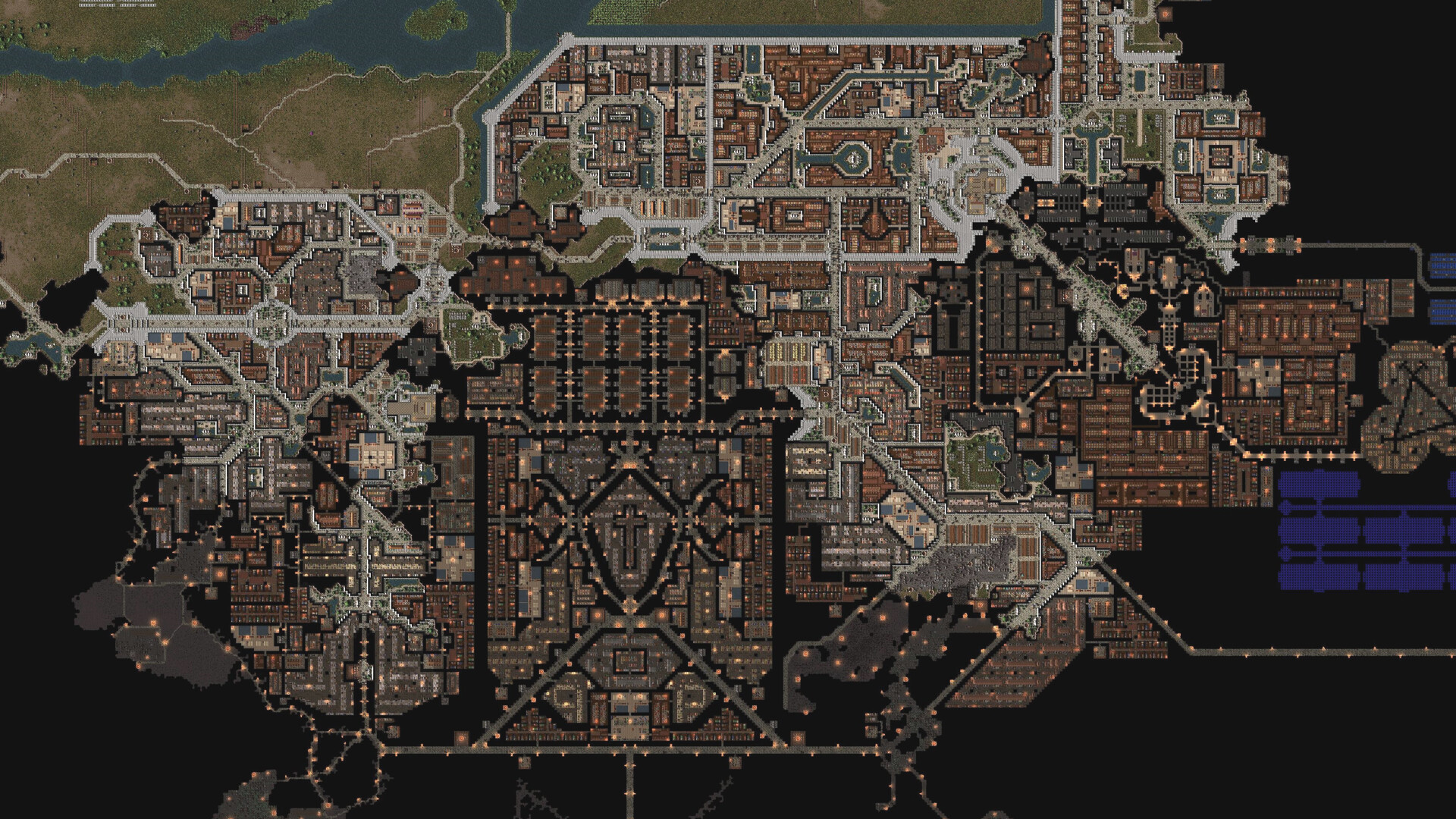
In Songs of Syx, your economy is the engine that turns a handful of settlers into a metropolis of hundreds of thousands. Everything your city can do — feed its people, keep them content, expand its borders, raise and supply armies — flows from how well you produce, allocate and trade. A strong economy grows steadily and weathers setbacks; a weak one collapses into famine, unrest or bankruptcy. This guide covers how to build that economy in the right order: securing food, constructing production chains, allocating your workforce to exploit the experience system, satisfying needs sustainably, and exporting finished goods for wealth. Master this and the rest of the game opens up; neglect it and no amount of ambition will save your city.
The mindset to hold onto is that the economy is built in layers, and food is the bottom one. You cannot run industries, satisfy luxuries or field armies on a starving population, so every economic plan starts with feeding your people and grows outward from there.
Everything in your economy rests on food. A well-fed city can grow, specialise, trade and fight; a hungry one can do none of it. Before any ambitious project, make sure your food surplus is comfortable — then build outward.
Food: the foundation of everything
Your economy begins and ends with food, because a hungry population cannot grow, work or fight, and food shortages are the single most common cause of an early collapse. The most efficient approach for most races is grain and bread: grain farms on fertile land feeding bakeries produce food far more efficiently than most alternatives, so this chain forms the reliable backbone of nearly any city. Supplement it with vegetable farms for variety and a pasture for meat, and remember that different races have different food preferences, so a diverse population needs a diverse larder. In the very early game, expect to forage while your farms mature, and always keep production comfortably ahead of your population rather than running it to the margin.
The discipline that separates thriving cities from collapsing ones is simple: grow your population only from a food surplus. It is tempting to expand quickly, but every new citizen is another mouth, and a city that outruns its food supply spirals into famine and unrest. Build your food capacity first, confirm the surplus is solid, and only then let your numbers climb — then repeat. This patient rhythm keeps your foundation secure no matter how large your city eventually becomes.
Put around half your early workforce into food, and lean on grain and bread for the bulk of it. If your city is struggling just to stay fed, a core of good farmers running grain on fertile land, backed by bakers, is the fastest way to stabilise before you build anything more ambitious.
Workforce, specialisation and production chains
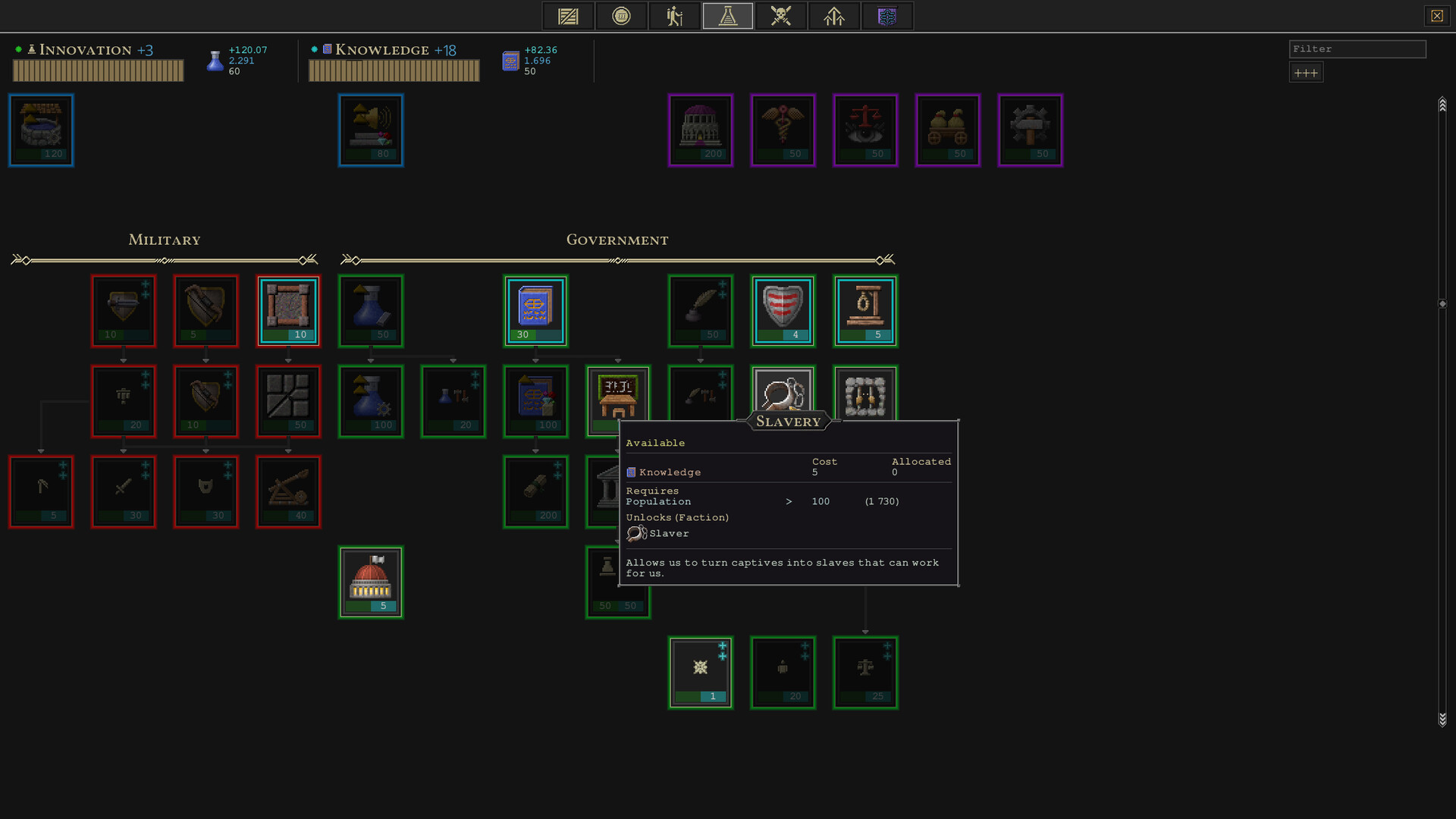
Once food is secure, the heart of your economy is how you allocate your workforce and build your production chains. You assign population to jobs by setting worker counts for each room and industry, and the crucial mechanic to understand is experience: workers become more efficient at their job over time, so concentrating many workers into a specialised industry yields far more output than spreading them thinly across many half-staffed ones. This rewards building fewer, well-staffed industries and letting your workers become experts, rather than dabbling in everything at once. Slaves are valuable here too, handling farming, hauling and basic labour so your citizens are freed for skilled and specialised roles.
Your industries connect into production chains, where raw materials are gathered, refined and crafted into finished goods, each stage needing its own workers, buildings and inputs. Grain becomes bread; ores become refined metals and then tools or weapons; raw materials become clothing and furniture. A chain is only as strong as its weakest link, so a shortage of raw material, workers or storage at any stage stalls everything downstream. Building a healthy economy means keeping each chain balanced — enough input feeding enough workers with enough space — and expanding chains deliberately rather than leaving bottlenecks that choke your output.
| Priority | What it covers | How to handle it |
|---|---|---|
| Food | Grain, bread, vegetables, meat | Secure first; keep surplus ahead of population |
| Workforce | Assigning workers to jobs | Concentrate for the experience system |
| Production chains | Raw to refined to finished | Balance every stage; avoid bottlenecks |
| Exports | Selling finished goods | Specialise surplus goods for steady wealth |
Wealth, needs and sustainable growth
With food secure and industries running, your economy turns toward wealth and satisfaction. Money comes largely from exporting finished goods — crafted products like clothing and furniture are far more valuable than raw materials — so a city that concentrates on producing a surplus of manufactured goods can trade them for steady income, which in turn funds imports, growth and, eventually, military power. Because the experience system makes specialised industries so efficient, building dedicated export industries once your basics are covered is one of the most reliable ways to grow rich. The same specialised, well-staffed approach that feeds your city also fills its coffers.
Meanwhile, keeping your growing population content is an economic problem as much as a social one. Happiness comes from meeting needs — food, housing, services and the goods each race desires — and the key discipline is to promise only what your economy can reliably supply. Offering luxury goods you cannot consistently produce backfires, so grow morale in step with production, adding services and desired goods as your capacity allows. Managed this way, a well-fed, well-supplied population stays content and keeps growing, which strengthens your economy further in a virtuous cycle. That cycle — food, specialised production, exports and sustainable morale — is what carries a city toward the hundreds of thousands. For turning that economic might into military power, see our military guide; for choosing the peoples who staff it, our races tier list; and if you are just starting out, the beginner guide.
Do not grow faster than your economy can support. Expanding population, industries or morale promises beyond what your food and production can sustain is the fastest route to collapse. Grow every part of your economy from surplus and stability, in balance — a slightly slower, solid economy always beats a fast, fragile one.