The verdict up front
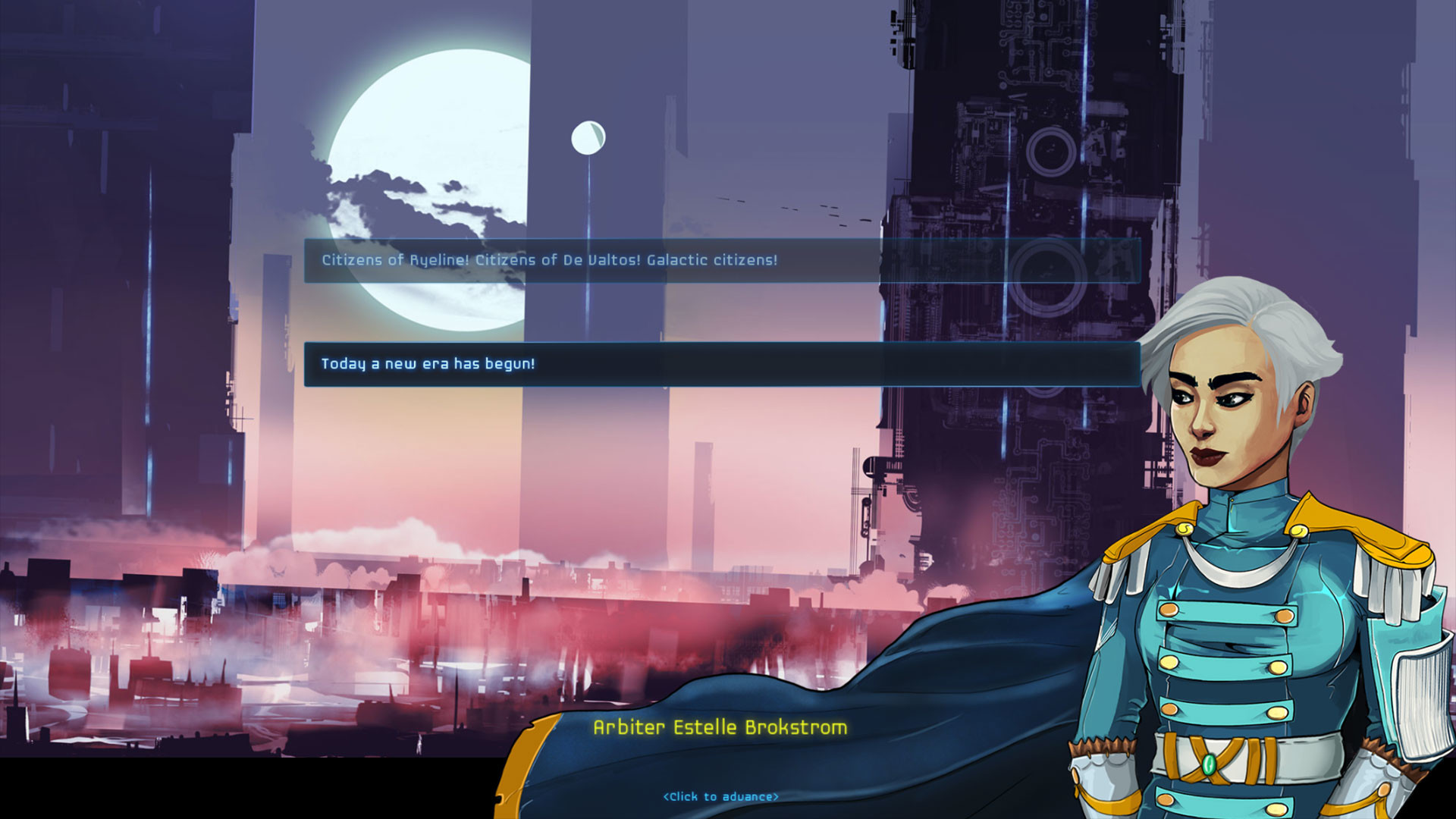
Star Traders: Frontiers is the kind of game that inspires fierce devotion in the people who stick with it and quiet bafflement in those who bounce off the first hour. Made by the prolific indie duo Trese Brothers, it is an open-ended space RPG sandbox: you create a captain, assemble a crew of named officers, customise a ship, and then simply make your own way through a living quadrant of six rival factions. There is no set story to follow. You take contracts, trade goods, hunt bounties, spy, smuggle, explore the void or wage war, and the quadrant — its politics, its wars, your reputation — reacts to what you do. It holds a Very Positive rating on Steam, and that score reflects a genuinely enormous, replayable game.
So is it worth buying? For players who love deep, systems-rich roleplay, absolutely — this is a cult classic with staggering depth and value. The honest caveats are that it is hard to learn, leaning on dense text and a utilitarian interface rather than modern polish or hand-holding, and that it is English only and slow-paced by design. If those do not deter you, few games offer this much sandbox to lose yourself in.
Star Traders: Frontiers is a single-player space RPG sandbox from Trese Brothers. It is a one-time purchase with optional paid expansions and no predatory microtransactions, has been updated extensively since its 2018 release, and holds a Very Positive rating on Steam.
What you actually do
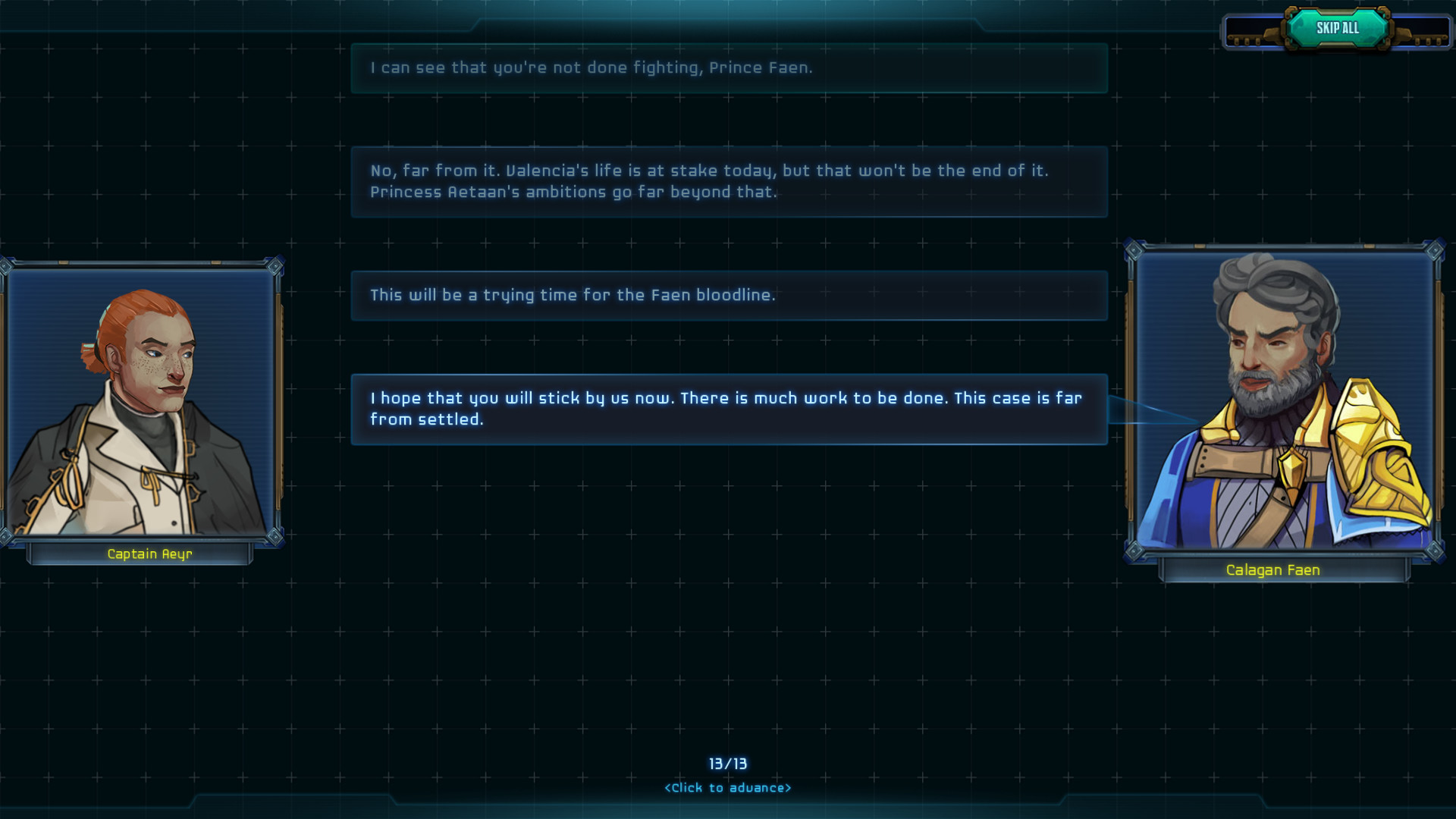
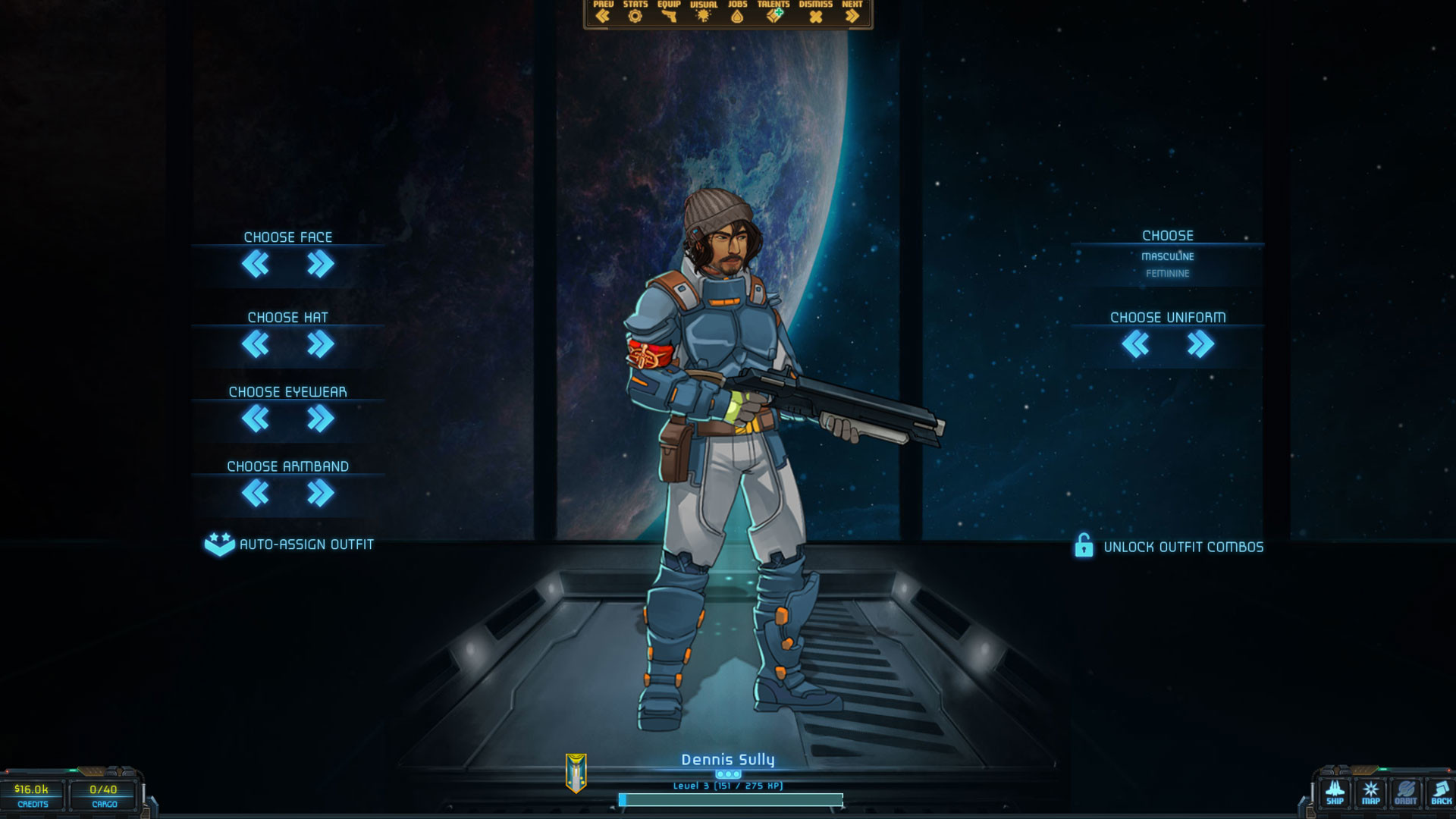
You begin by designing a captain — their background, faction allegiance and starting jobs — and a ship, then you are released into the quadrant with no objective but to survive and thrive. The core loop is part trader, part RPG campaign: you sail between worlds taking contracts from faction contacts (trade runs, patrols, bounties, spying, blockades, war missions), buy and sell goods and rumours, manage your ship's upkeep, fuel and crew morale, and fight or flee the ships you meet. Every choice nudges your standing with the factions, opening some doors and closing others, and that web of reputation is what turns a series of jobs into a personal story.
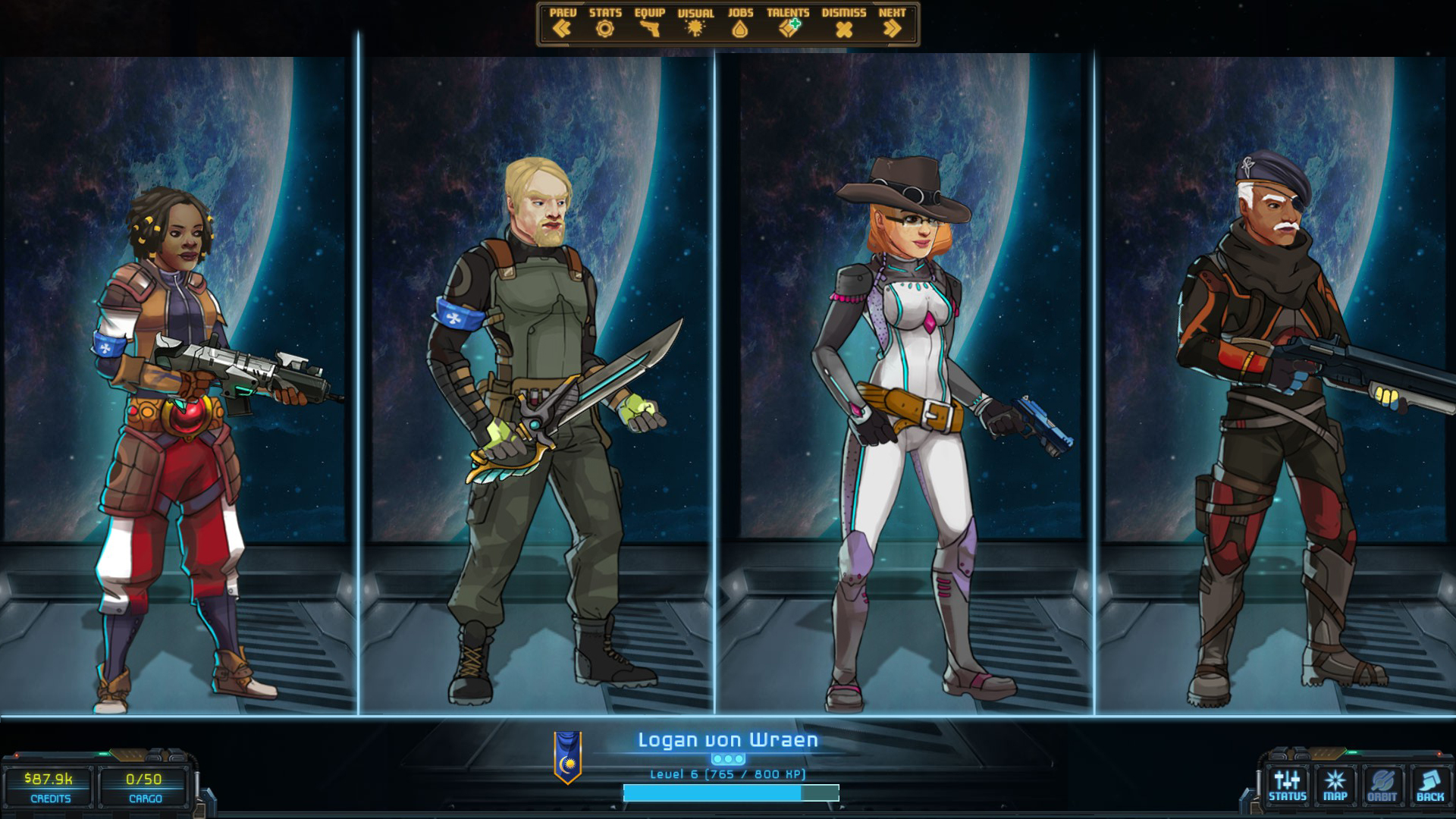
Underpinning it all is a remarkably deep character system. Your crew are individuals with attributes, skills and multiple stackable jobs, and managing, training and combining them is as much the game as flying the ship. It is a sandbox in the truest sense: the systems are the content, and what you do with them is up to you.
New captains often overreach and go bankrupt. Early on, take safe, profitable contracts, keep your crew paid and your ship maintained, and learn one system at a time. Our Star Traders: Frontiers beginner guide covers the survival fundamentals that stop early runs from collapsing.
Why the job system carries everything
The heart of Star Traders is its job system, and it is worth being specific about why it is special. Each crew member can hold several jobs at once — a single officer might be a Pilot and a Navigator, or a Soldier and a Swordsman — and ranking up a job unlocks its talents: active abilities you deploy in ship combat, boarding actions and the various contests that pepper the game. Because jobs stack and talents combine, party-building has enormous flexibility. You decide what each crew member is for, how your captain specialises, and which talents you want available when a torpedo duel or a boarding action breaks out.
This is what makes the game feel like a roleplay campaign rather than a spreadsheet. Two players will field completely different crews and captains, leaning into trade, combat, espionage or exploration, and the job system supports all of it. It rewards experimentation and long-term planning, and it is the engine behind the game's huge replayability. Our Star Traders: Frontiers jobs tier list ranks the jobs to help you build a capable crew.
Pros
- +A vast, genuinely open sandbox driven by your choices and faction standing.
- +A deep, flexible multi-job character system with real roleplay weight.
- +Tactical ship combat and boarding with multiple ways to win.
- +Exceptional replayability and value, with ongoing support and expansions.
Cons
- −A steep learning curve and dense, text-heavy onboarding.
- −A utilitarian, dated interface with little modern polish.
- −English only and extremely text-heavy.
- −Slow, deliberate pacing throughout.
Ship combat and the living quadrant
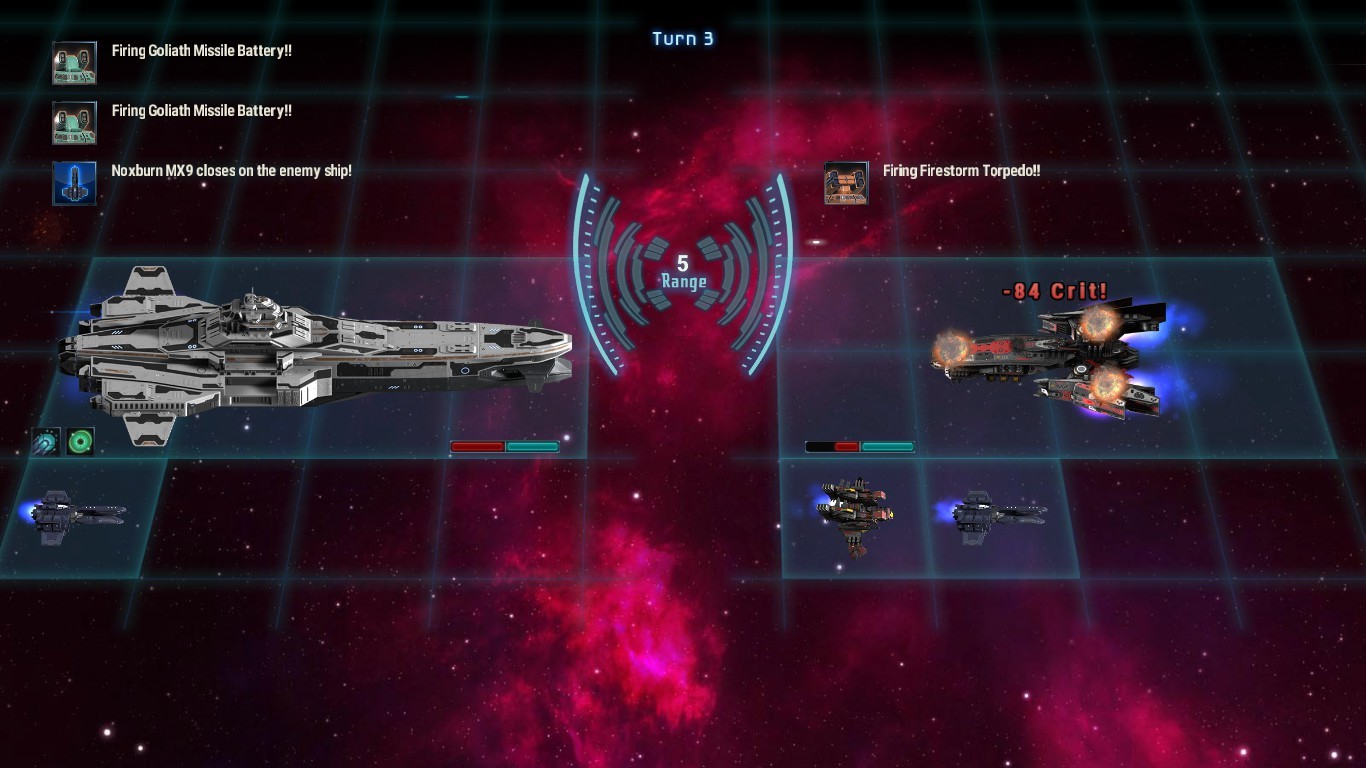
Ship combat is turn-based and fought across range bands, and it is more tactical than it first appears. You spend Reactor Points each turn to move, fire weapons or trigger talents, and the smart play is rarely to simply trade blows. You can sit at long range and cripple a foe with torpedoes, hold distance to conserve points for weapons, or close in and board — sending your crew into a tactical fight against theirs, where killing the enemy captain can end the battle outright. Crucially, you choose your outcome: destroy a ship, cripple it, capture it intact, or force its surrender, each with different rewards and risks. Boarding in particular can save you when you are outgunned, and capturing ships in good condition can be lucrative.
Around the combat sits the living quadrant. Factions go to war, contacts offer escalating work, rumours and permits open opportunities, and your reputation shifts with every decision. This is where the sandbox truly comes alive — your reputation as a trusted merchant or a wanted pirate genuinely changes how the galaxy treats you. Our ship combat guide and trade and contracts guide go deeper on both halves.
The honest weaknesses
Now the part the store page underplays. Star Traders: Frontiers is hard to learn, and not because the combat is punishing but because the sheer volume of systems is delivered through dense menus and walls of text with limited guidance. The first few hours can feel genuinely impenetrable as you try to make sense of jobs, talents, ship upkeep, faction politics and economy all at once. For players who relish mastering a deep system this is a feature; for anyone wanting a smooth on-ramp it is a real barrier, and it is fair to know that going in.
The presentation is the other dividing line. This is a functional, utilitarian game with a dated interface, static art and little of the polish or feedback modern players expect — it wears its mobile-friendly, indie roots openly. Add that it is English only and extremely text-heavy, with deliberately slow pacing, and you have a brilliant but pointedly niche game. None of this undermines the depth, which is exceptional; it just defines who it is for.
Buy Star Traders: Frontiers for its depth and freedom, not for accessibility or presentation. If you need a gentle tutorial, modern polish, fast action, or your own language, this is not the game for you. If a vast, systems-rich space sandbox excites you, few games reward investment this richly.
Who should buy it
If you love open-ended, systems-rich RPGs and the joy of building a crew and writing your own story, Star Traders: Frontiers is a standout. Sandbox and tabletop fans will recognise the freedom and embrace the depth; tactics players will appreciate the ship combat and job-building; and anyone who enjoys emergent, self-directed campaigns will get dozens or hundreds of hours from it. At its price, with relentless replayability, ongoing updates and optional expansions, the value is exceptional for the right player. To get started without going bankrupt, read our beginner guide and jobs tier list, then dig into the ship combat guide.
Who should pass? Anyone who needs modern presentation, a gentle learning curve, fast-paced action, or their own language, and anyone who bounces off dense, text-driven systems. For everyone else, Star Traders: Frontiers is a deep, open, one-of-a-kind space RPG that earns its devoted following — with the honest asterisk that it is demanding, dated-looking, and proudly built for players who want exactly this.