How to think about classes in Wildermyth
Wildermyth has only three classes — Warrior, Hunter and Mystic — but they interlock so cleanly that party composition matters more than chasing a single "best" pick. Each class fills a distinct role: the Warrior holds the front, the Hunter deals damage from range, and the Mystic bends the battlefield itself. Because heroes also grow through story events, aging and transformations, two heroes of the same class can end up quite different over a campaign. So this tier list ranks the classes by their core power, flexibility and reliability, while reminding you that the strongest "build" in Wildermyth is usually a well-balanced party, not a stacked one.
The practical lesson: judge a class by what it contributes to the whole party, and build each hero to its role first. Transformations and themes are powerful bonuses layered on top, but the class foundation is what wins the early and mid game.
Wildermyth's combat is on the accessible side, so even the "lower" class here is fully viable — this ranking reflects power and flexibility, not a gap between good and bad. A balanced party of all three is the recommendation for almost every campaign.
The classes tier list
This ranking weighs raw impact, flexibility across situations, and how reliably a class helps you win and keep heroes alive. It assumes a balanced party as the baseline; a class's value is highest when it is supported by the others.
S tier — the Mystic
The Mystic is the closest thing Wildermyth has to a class that single-handedly tilts battles. Its signature mechanic, interfusion, lets it bond with objects, walls and terrain to deal damage and impose control, effectively weaponising the battlefield itself. Early on it can feel modest, but as it gains abilities and transformations its reach, targets and effects expand, and a well-supported Mystic scales into the most impactful hero in your party. The catch is fragility: it must be kept behind your frontline and out of danger. Protect it, and it rewards you with control and damage no other class matches.
A tier — the Warrior and Hunter
These two are not weaker so much as more grounded, and almost every party needs them. The Warrior is the backbone — a durable frontline that absorbs punishment, blocks lanes and pins enemies in melee, buying the space your fragile heroes need to operate. It is rarely the flashiest hero, but a party without a solid frontline collapses fast, which is why it is indispensable. The Hunter provides dependable ranged single-target damage, deleting priority threats before they reach your line. It needs good positioning and protection to stay safe, but it reliably contributes every fight. Together they form the stable core around which the Mystic does its work.
| Class | Core strength | Weakness | Build toward |
|---|---|---|---|
| Mystic | Control and scaling damage via interfusion | Fragile, needs protection | Range, targets and effect-extending abilities |
| Warrior | Durability and lane control | Limited reach, lower burst | Toughness, frontline and lockdown abilities |
| Hunter | Reliable ranged single-target damage | Vulnerable if caught, position-dependent | Accuracy, damage and mobility abilities |
Building a party that lasts
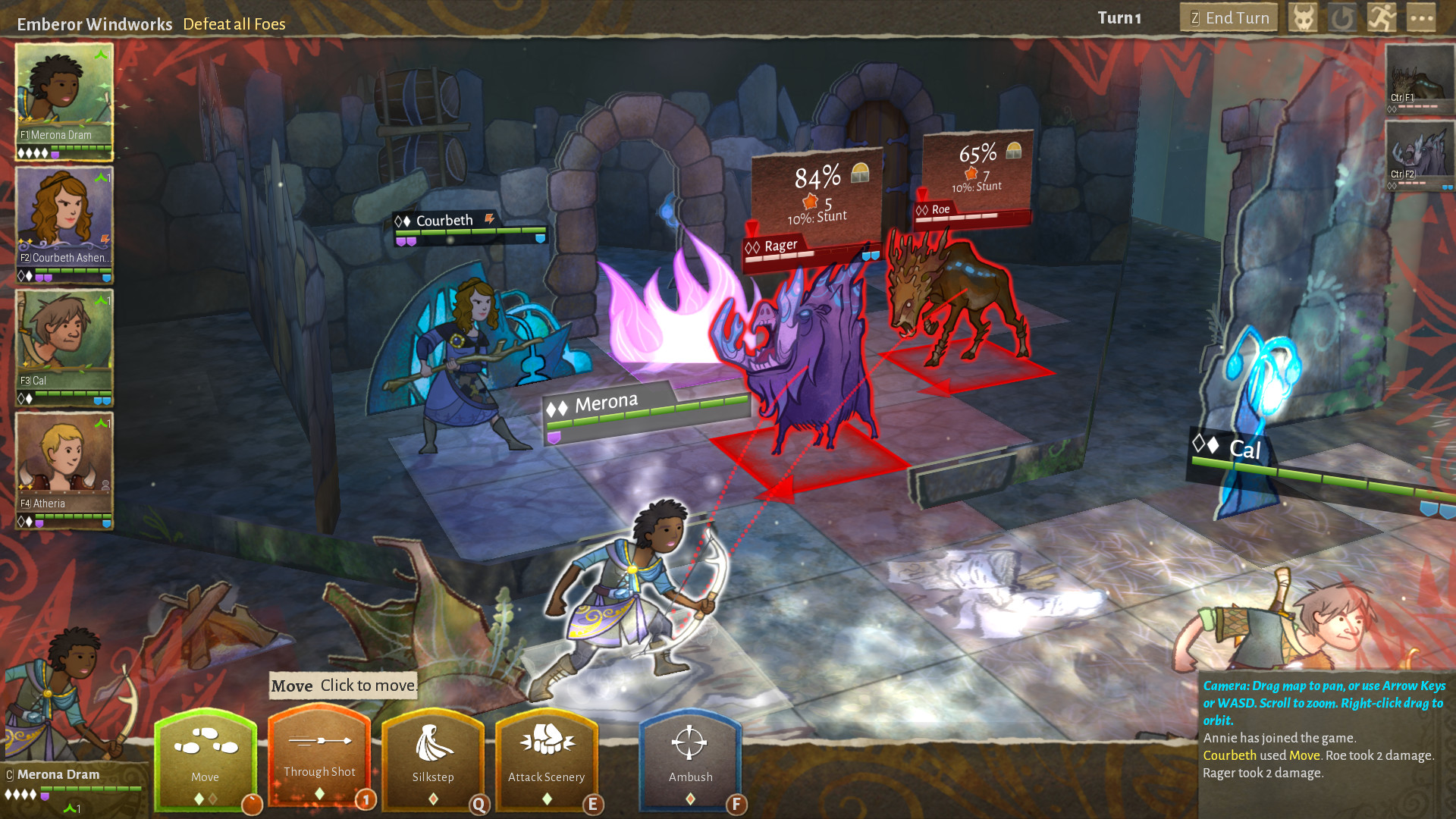
The winning approach in Wildermyth is balance: a Warrior to hold the front, a Hunter to deal ranged damage, and a Mystic to control and scale, each built to its role. Keep the Mystic and Hunter protected behind the Warrior, and use the Mystic's interfusion to shape engagements before they turn dangerous. As heroes age and live through story events, transformations and theme abilities will deepen each one in emergent ways — embrace those as bonuses, but keep the class foundation intact. A balanced, well-positioned party reliably wins fights and, just as importantly, keeps your heroes alive long enough to become legends.
For the tactics that make each class perform — interfusion, flanking, positioning and more — see our Wildermyth combat guide. New to the game? Start with the beginner guide, and to understand how your heroes carry forward, read the legacy guide.
Do not double up on classes until you understand the game — a balanced trio of Warrior, Hunter and Mystic covers every role and is far more forgiving than stacking two of one class early on.