How to start Wildermyth without regrets
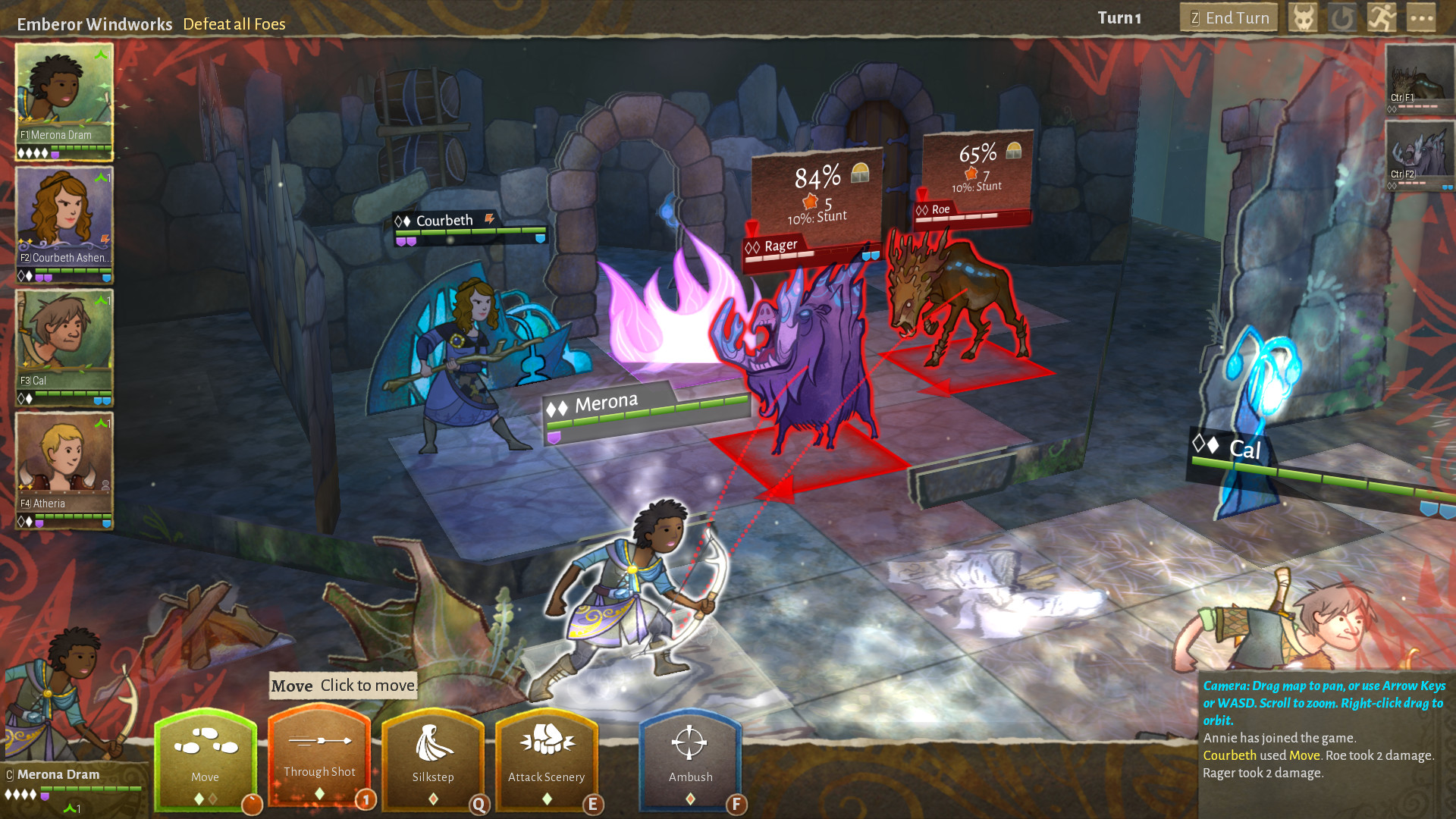
Wildermyth is welcoming compared to hardcore tactics games, but it still trips up new players in one specific way: they treat it purely as a combat game and miss that story choices and aging are half the point. Your heroes are not disposable units — they grow, change, form bonds, and die for good, and the game is built around that arc. The early skill is less about winning every fight flawlessly and more about understanding the systems, protecting the heroes you come to love, and leaning into the saga the game is generating around you.
Treat your first campaign as a learning run where the story matters as much as the tactics. You will make some suboptimal choices, lose a hero or two, and that is fine — those losses become part of your legend. Your job is to learn how combat, classes, story events and aging fit together so your next campaign hits even harder.
Do not stress about "perfect" story choices. There are rarely strictly wrong answers — choices shape who your heroes become rather than pass or fail you. Pick what fits the character and enjoy where it leads.
Your first campaign, set up right
A little setup makes the opening far smoother. These choices give you room to learn without a punishing commitment.
-
1
Pick a shorter campaign
A one or three chapter campaign teaches the systems without the long haul of a five-chapter saga. Save the big campaigns for once you are comfortable.
-
2
Choose a comfortable difficulty
Wildermyth lets you tune difficulty and permadeath. Starting gentler lets you learn combat and story without losing favourite heroes immediately.
-
3
Build a balanced party
Take a Warrior, a Hunter and a Mystic so you cover frontline, ranged damage and support-control. Balance is the most forgiving early composition.
-
4
Read your heroes' story events
Engage with the branching events — they shape personalities, relationships and transformations that matter for the whole campaign.
-
5
Protect, don't gamble
Position carefully, retreat wounded heroes, and avoid risky plays. A permanent death early stings more than a slow, safe victory.
The three classes
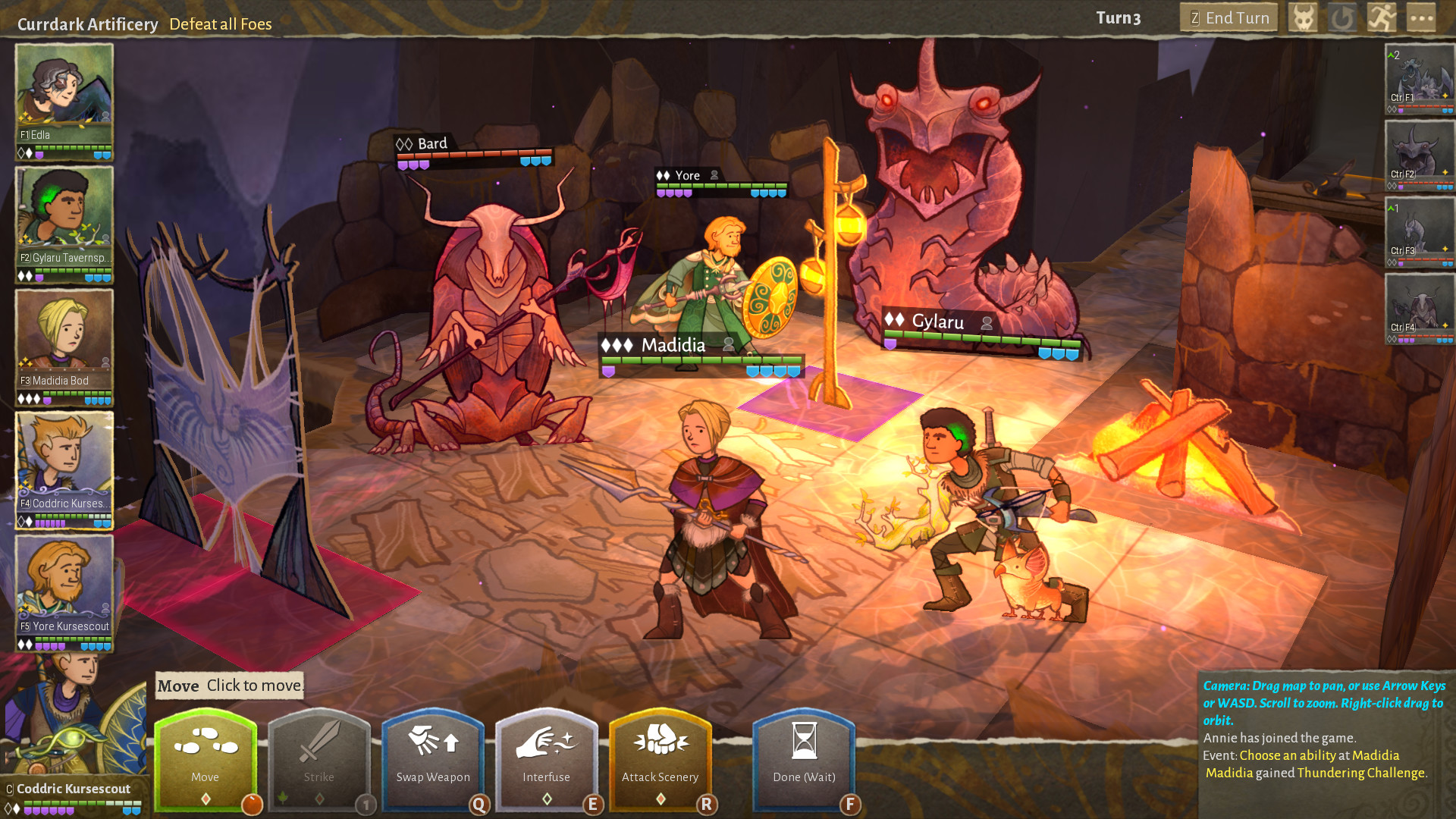
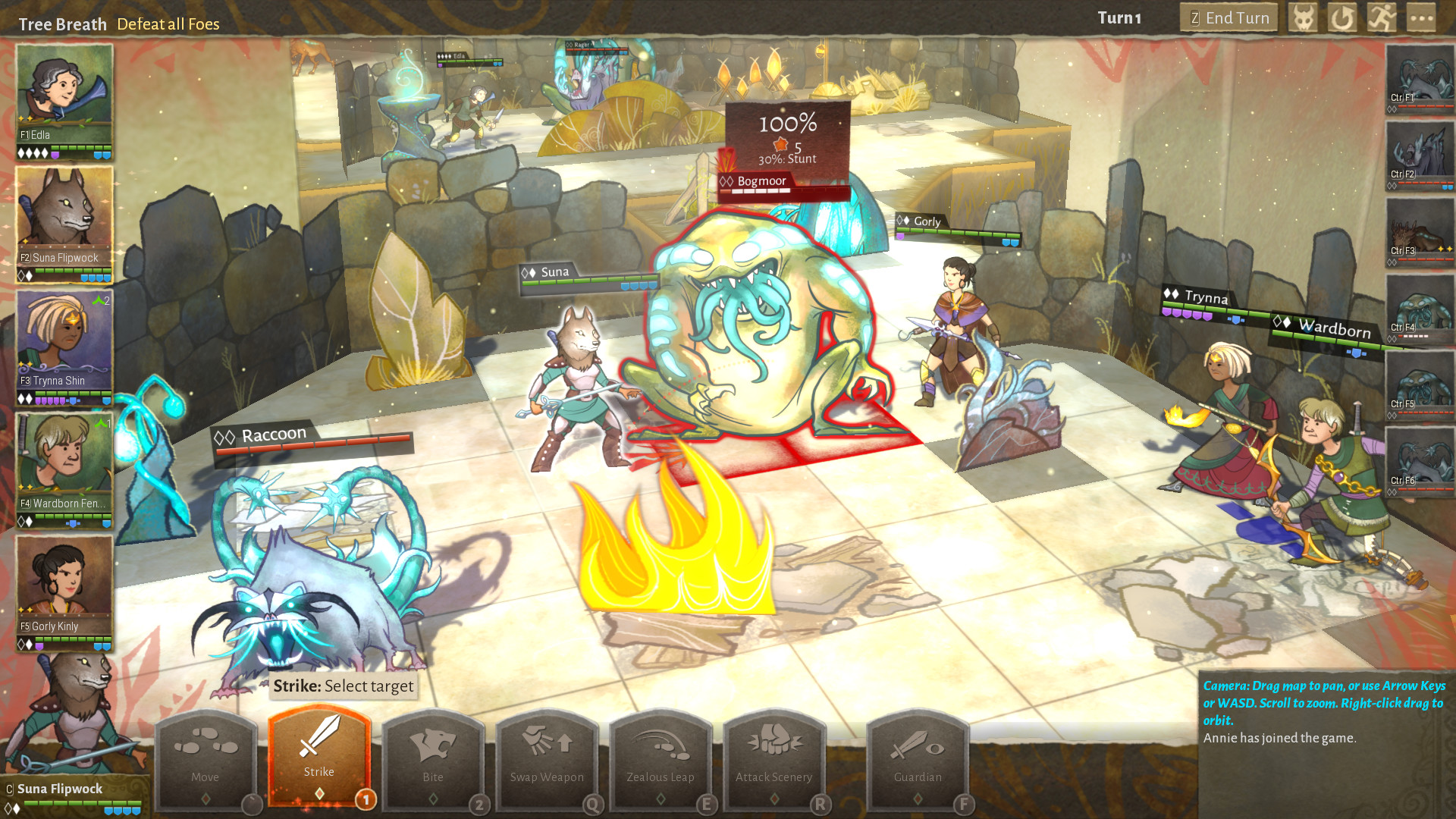
Wildermyth's combat is built around three clear roles, and understanding them is the foundation of a safe party. The Warrior is your durable frontline, soaking hits, blocking lanes and locking down enemies in melee. The Hunter deals reliable ranged damage with a bow, picking off priority targets from safety. The Mystic is the most distinctive: a support-caster who uses interfusion to bond with objects, walls and terrain, turning the battlefield itself into a weapon for damage and control. A beginner party that runs one of each covers every base and teaches you how the roles interlock.
As heroes level up and live through story events, they gain new abilities and themes, and some transform in ways that reshape their kit. Early on, though, you do not need to optimise — just play each class to its role and you will be fine. Our Wildermyth classes tier list goes deeper on builds when you are ready.
| Class | Role | Plays like |
|---|---|---|
| Warrior | Durable frontline melee | Tank and lane-blocker who holds the line |
| Hunter | Ranged single-target damage | Bow specialist picking off targets from safety |
| Mystic | Support, control, environment | Interfusion caster who warps the battlefield |
Story, aging and the long view
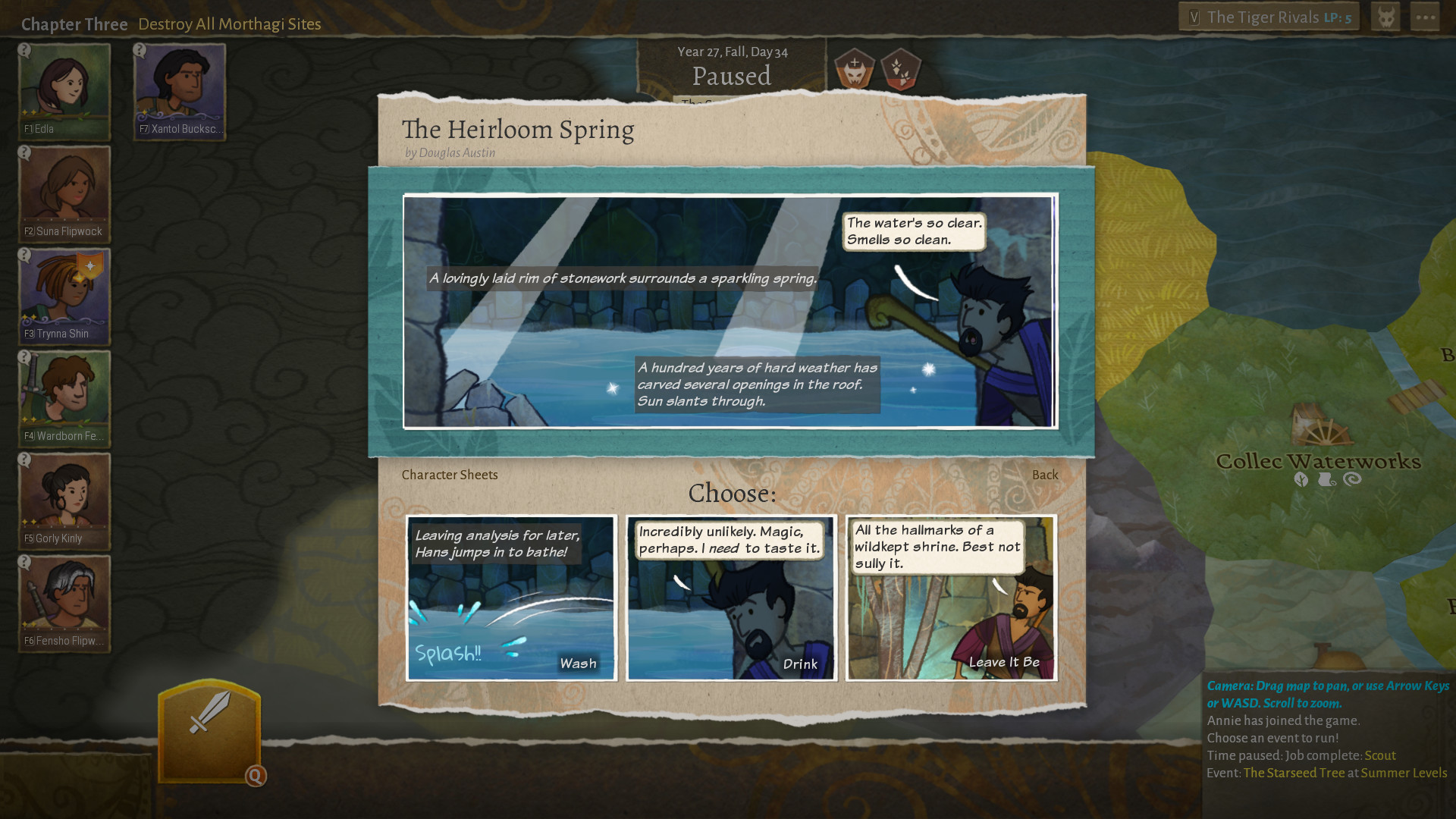
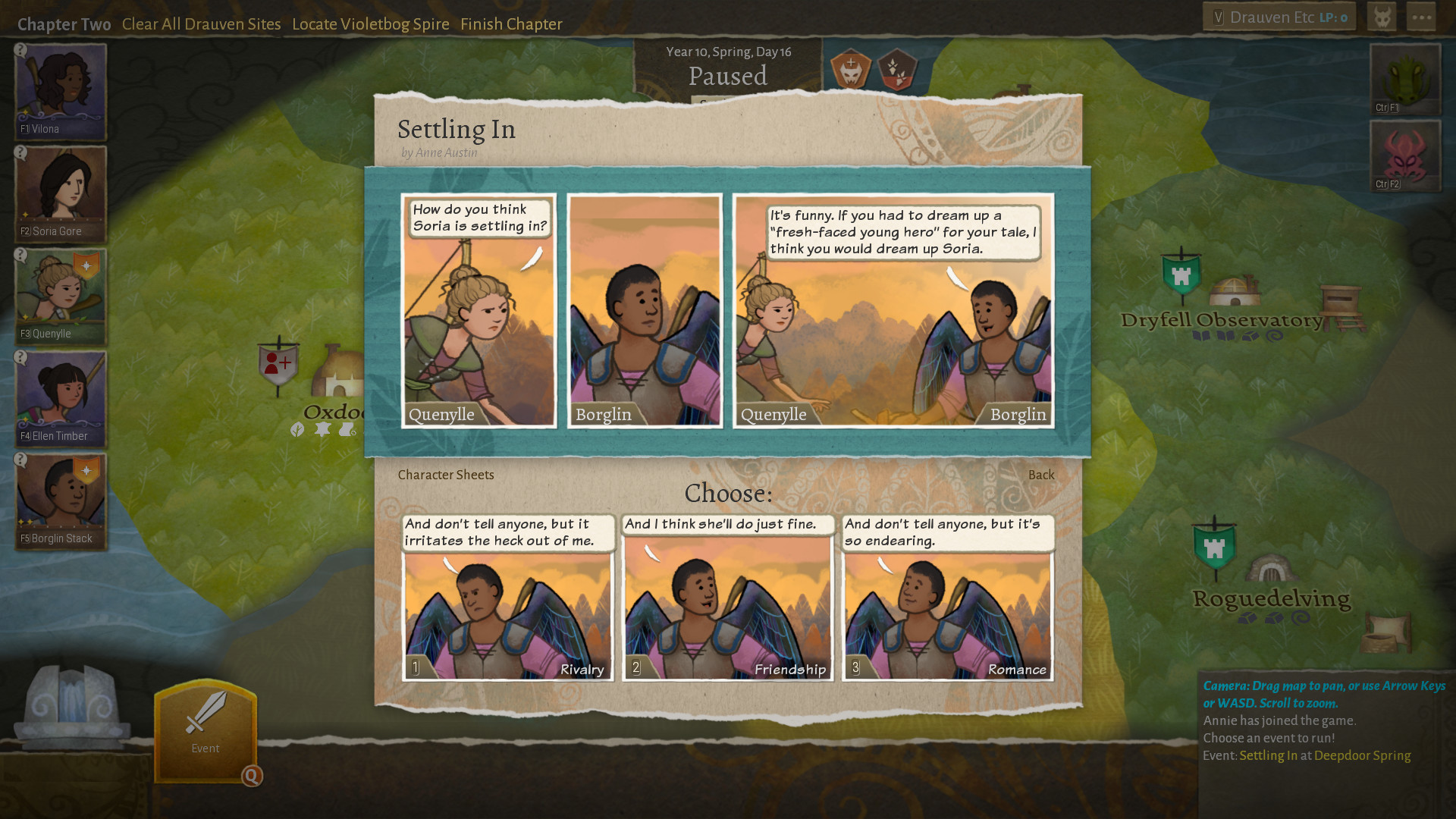
The thing that sets Wildermyth apart is that your heroes have lives. They age across the campaign's chapters, growing stronger through their prime before declining, and they can be maimed (gaining hooks, prosthetics or scars) or transformed by magic into something part-beast or part-element. They form relationships — friendships, romances, rivalries — that color the story and sometimes the battlefield. And they can die permanently, which is exactly what gives every fight and every choice weight. Rather than fighting this, lean into it: the heroes you protect, the ones you lose, and the ones who grow old become your personal legend.
This long view also connects to the legacy system, where heroes carry into future campaigns. So your first party is not just a one-off — it is the start of a mythology. Play to enjoy their stories, and the systems reward you for it.
When a hero is badly wounded, pulling them back is almost always worth it — a living hero ages into a legend, a dead one ends their story. For the systems behind keeping heroes alive and effective, see our Wildermyth combat guide, and to understand how heroes live on, the legacy guide.