Wildermyth is a game about lives, not units
Most tactical RPGs treat characters as collections of stats you optimise and replace. Wildermyth treats them as people with whole lives, and its most distinctive systems — aging, relationships, permadeath and legacy — exist to make that real. Heroes are born ordinary, grow through their prime, form bonds, change in strange ways, and eventually age out or die, leaving a story behind. Understanding these systems is what transforms Wildermyth from a pleasant tactics game into something singular: an engine for generating a personal mythology that spans not just one campaign, but many.
The unifying idea is impermanence with continuity. Individual heroes are finite — they will age and fall — but through the legacy system they carry forward, so the saga continues even as the cast changes. Lean into that rhythm rather than resisting it, and the game rewards you with attachment few others can match.
You can tune difficulty and permadeath settings to taste, but aging and the finite arc of a hero's career are core to the design. Wildermyth is built to be a story of whole lives, not a quest to keep one perfect roster forever.
Aging and the finite hero arc
Aging is the heartbeat of a Wildermyth campaign. As chapters pass, your heroes grow older — gaining experience and power through their prime, then gradually declining as age sets in, until they retire or die. This finite arc is deliberate: it means every hero's career has a shape, a rise and a fall, and that shape is what makes their story feel like a life rather than a stat progression. Practically, it means you should make the most of a hero's prime, value the time you have with your favourites, and accept that decline and loss are not failures but the natural close of a story.
The takeaway is to plan around lifespans. A hero in their prime is your peak power; an aging hero is a beloved veteran nearing the end of their tale. Treat both as part of the narrative rather than fighting the clock.
Do not expect to keep a single perfect hero forever. Aging will eventually take them, and that is by design. The goal is to enjoy and protect their career, then let the legacy system carry their memory forward — not to min-max immortality.
Relationships, transformations and identity
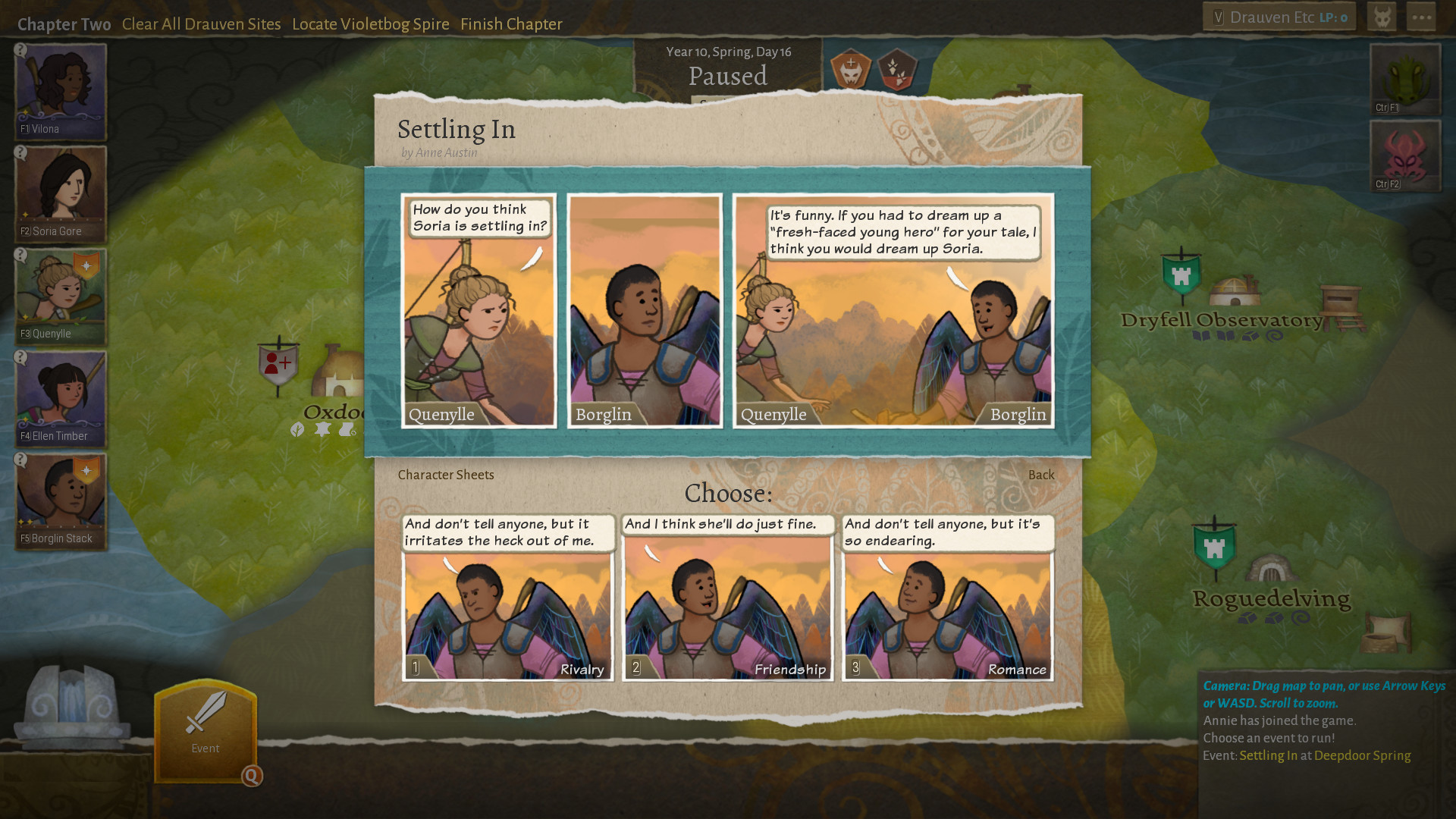
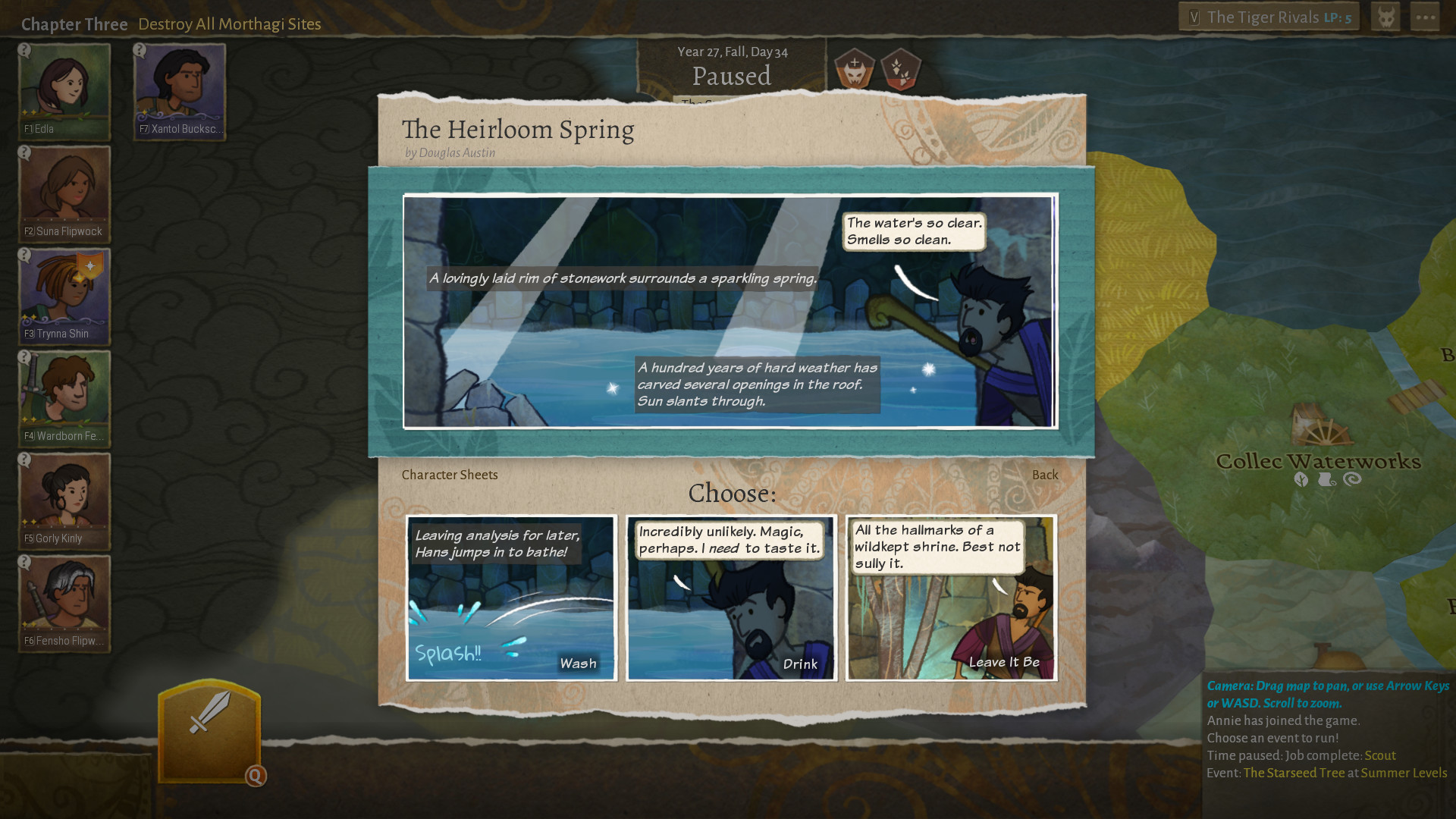
What makes individual heroes unforgettable is everything that happens to them along the way. Through story events and shared history, heroes form relationships — friendships, romances, rivalries — that color the narrative and can ripple into how they develop and fight. They also undergo transformations: story-driven changes that may give them beast-like or elemental traits, new abilities, or altered appearances, layered on top of their class. Because these are emergent and shaped by your choices, no two heroes end up the same, and the cast of a campaign becomes a unique ensemble with its own dramas. Embrace these moments — choosing for character rather than pure optimisation is exactly what makes the saga yours.
| System | What it does | Why it matters |
|---|---|---|
| Aging | Heroes rise through a prime, then decline | Gives each career a meaningful, finite arc |
| Permadeath | Heroes can die for good | Makes fights and choices carry real weight |
| Relationships | Bonds, romances, rivalries form | Makes heroes feel like people, shapes the story |
| Transformations | Story-driven changes to a hero | Makes each hero distinctive over a career |
The legacy system: building a mythology
The legacy system is what ties it all together and gives Wildermyth its remarkable longevity. Heroes from your campaigns can carry forward as legacy heroes, recruitable again in future playthroughs with their history intact and growing in legacy over time. Combined with procedurally generated worlds, threats and events, this means your past runs enrich your future ones — the heroes you loved return, the ones you lost are remembered, and a personal pantheon grows across playthroughs. You can also create and import custom heroes, and the Workshop and level editor extend the possibilities further. It is a structure designed to turn many separate campaigns into one connected, evolving mythology that is uniquely yours.
The practical approach is to play for the long game: protect and develop heroes you love so they survive to become legacy heroes, make story choices that give them memorable identities, and let your mythology accumulate. The more you invest in your heroes as people, the more the legacy system gives back.
Keeping a beloved hero alive through their career means they can return in future campaigns as a legacy hero — so the combat and protection tactics in our Wildermyth combat guide directly feed your mythology. To build heroes worth carrying forward, see the classes tier list, and if you are new, start with the beginner guide.