The verdict up front
Distant Worlds 2 is the biggest space 4X you can buy, and it is also one of the most divisive. Developed by the small studio CodeForce and published by Slitherine, it is a pausable real-time strategy game in which you build and run a galactic empire across a procedurally generated galaxy of up to two thousand star systems, teeming with hundreds of thousands of objects. What sets it apart is twofold: an automation system so deep you can hand off almost any part of your empire and play at whatever level of detail you like, and a living private economy in which civilian ships mine, trade and migrate on their own, making your empire feel like a genuine, breathing civilization rather than a set of menus. It holds a Mostly Positive rating on Steam, and that mixed score tells the real story.
So is it worth buying? For patient 4X and grand-strategy fans who crave scale and depth, it can be a landmark — there is simply nothing else this large or this automatable. But the honest caveats are significant: the onboarding is brutal, the interface is menu-heavy and dense, the automation can misbehave, and the late game slows down. If those do not deter you, Distant Worlds 2 offers a galaxy no other game does; if they do, you will bounce off hard.
Distant Worlds 2 is a single-player pausable real-time 4X space strategy game from CodeForce, published by Slitherine. It is a one-time purchase with optional paid expansions and no predatory microtransactions, has received ongoing patches since its 2022 release, and holds a Mostly Positive — genuinely divisive — rating on Steam.
What you actually do
You take a fledgling empire and grow it across the galaxy, doing everything a 4X demands at an enormous scale: exploring star systems, colonizing worlds, researching technology, conducting diplomacy with other empires, defending against pirates, designing ships and bases, and waging war. The twist is that you rarely have to do all of it yourself. Through the automation and policy settings, you decide which areas you want to control personally and which you hand to the AI and your advisors, so the same game can be a hands-on micromanager's dream or a relaxed, macro-level experience where you set direction and let your civilization run.
Underneath sits the private economy, one of the game's signature ideas. Your private sector — civilian freighters, mining ships and passenger vessels — operates on its own, hauling resources, supplying your colonies, moving migrants and tourists, and generating wealth, while your state handles military and strategic decisions. Balancing the two, and watching a living economy hum along beneath your empire, is a big part of what makes Distant Worlds 2 feel uniquely alive.
New players almost always drown in the interface. The smart start is to lean on automation and the advisors, taking manual control of only one or two areas at a time as you learn. Our Distant Worlds 2 beginner guide covers how to use automation to ease into the game.
Why automation and the private economy carry everything
It is worth being specific about why Distant Worlds 2 is special, because its two big ideas are genuinely unlike its rivals. The automation system is the more famous: you can automate almost every element of your empire, from sending a construction ship to build a single mining outpost up to handing the AI your entire economy, fleets and colonization, with advisors offering suggestions and notifications along the way. This is what lets the game scale to two thousand systems without burying you — you choose your level of involvement, and the game fills in the rest. Used well, it is liberating; it lets you focus on the parts of empire-building you actually enjoy.
The private economy is the quieter marvel. Because your civilian sector trades and mines autonomously, your empire behaves like a real economy with its own logistics and momentum, rather than a spreadsheet you push numbers around in. Together, these systems create a sense of a vast, living galaxy that no other 4X quite matches, and they are the heart of the game's appeal. Our automation guide and economy guide break both down.
Pros
- +Unmatched galactic scale and a deep, interlocking simulation.
- +Automation that lets you play at any level of control you like.
- +A living private economy that makes your empire feel real.
- +Huge replayability with ongoing support and expansions.
Cons
- −Brutal onboarding, especially for players new to 4X.
- −A menu-heavy, dense interface that buries information.
- −Automation that can misbehave or get stuck.
- −Late-game slowdown, and English only with heavy text.
The honest weaknesses
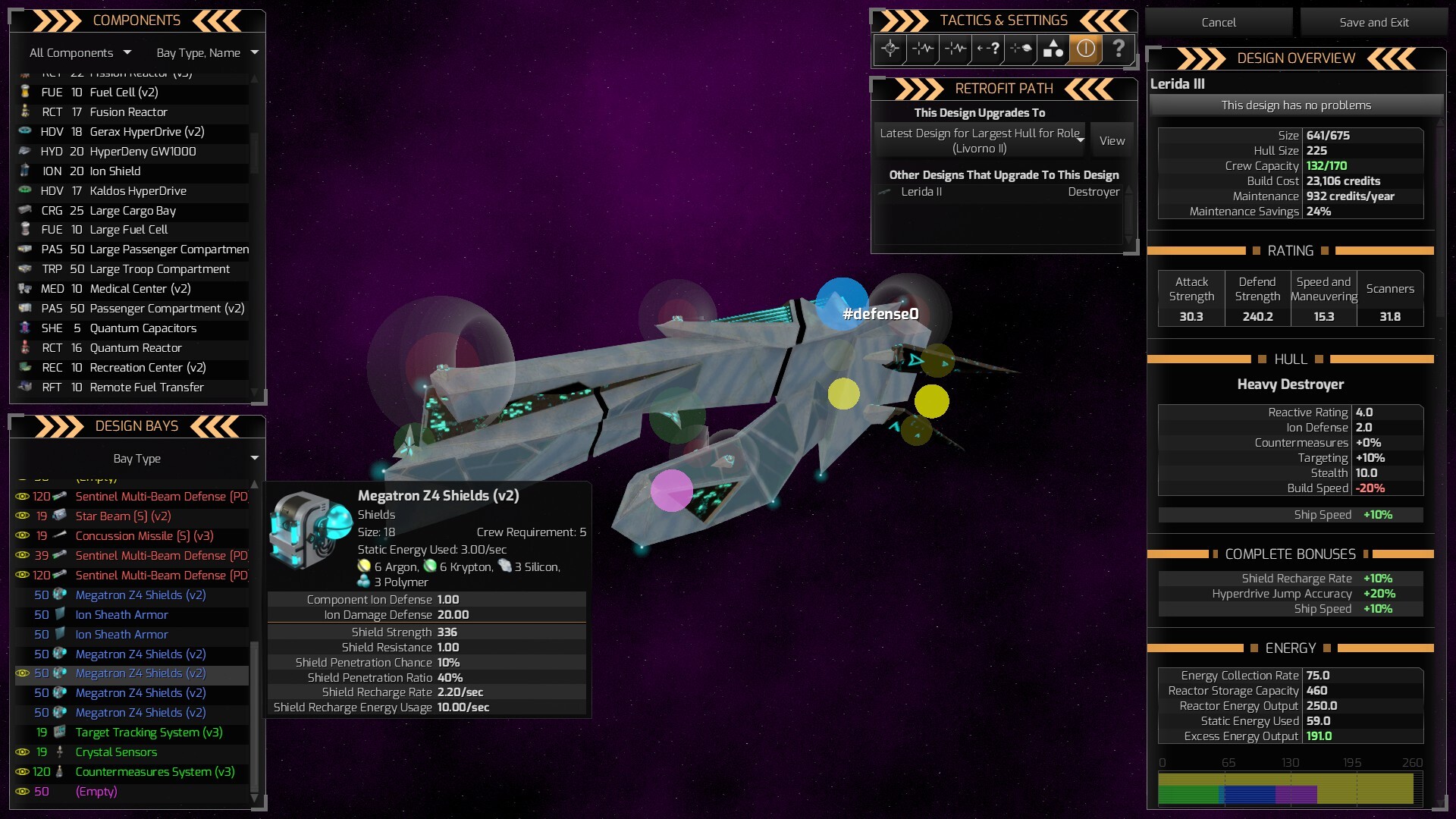
Now the part the store page underplays, and it is the reason the reviews are mixed rather than glowing. Distant Worlds 2's onboarding is widely regarded as its biggest failing: it throws an enormous, complex game at you with little hand-holding, and players new to the genre — or even to the series — can feel completely lost in the first hours. The interface compounds this. It is powerful but menu-heavy and information-dense, with a lot of trawling through screens to find what you need, and it can be genuinely hard to sift the signal from the noise.
The automation, for all its brilliance, is also imperfect. Automated fleets sometimes do odd things — wandering, getting stuck, or acting in ways the game does not clearly explain — and it can be hard to tell a glitch from intended behaviour. And the scale comes at a cost: late-game performance degrades as the simulation grows, with long games slowing noticeably. Add that it is English only and extremely text-heavy, and you have a brilliant but rough game. None of this erases the depth, which is exceptional; it just explains why Distant Worlds 2 divides players so sharply.
Buy Distant Worlds 2 for its scale, automation and depth, not for polish or accessibility. If you need a gentle tutorial, a clean interface, flawless automation, or your own language, this is not the game for you. If a vast, living galaxy you can run your way excites you, nothing else delivers it — rough edges included.
Who should buy it
If you love deep, large-scale 4X strategy and have the patience to climb a steep, rough learning curve, Distant Worlds 2 can be a landmark. Grand-strategy and space-4X devotees will find a galaxy bigger and more automatable than anything else, and the private economy and automation give it a living quality its rivals lack. At its price, with strong replayability and ongoing support, the value is good for the right, patient player. To get past the rough start, read our beginner guide and automation guide, then dig into the economy and fleets guides.
Who should pass? Anyone who wants a gentle on-ramp, a clean modern interface, reliable automation, fast pacing, or their own language, and anyone with little patience for rough edges. Be honest with yourself about that, because Distant Worlds 2 asks a lot. For the players it suits, it is an unrivalled space empire simulator; for everyone else, it is a frustrating one — and that split is exactly why its reviews are mixed, and why this verdict is an honest "it depends" rather than a blanket recommendation.