The one part to run yourself
Distant Worlds 2 is a game about deciding what to automate, and your military is the clearest case for keeping the controls in your own hands. The reason is simple and well established: the AI handles the military poorly. Left to automate ship design, it tends to overspend and build inefficient vessels, and automated fleets are notorious for wandering, getting stuck, or making decisions that cost you battles and campaigns. These are also the areas where good play matters most — a war is won or lost on your ships, your fleets and your commands. So while you can comfortably automate the economy's busywork, your ship design, your fleets and your wars are worth taking manual control of. This guide covers how to do that well, from designing effective ships to commanding fleets in battle.
The mindset is that automation runs your civilization, but you run your army. The moment a war looms, the value of having your military under your own hand becomes obvious.
If you only take three things off automatic in Distant Worlds 2, make them ship design, troop recruitment and fleet management. These are where the AI wastes the most resources and makes the most damaging mistakes, and where your own decisions pay off most.
Designing ships that work
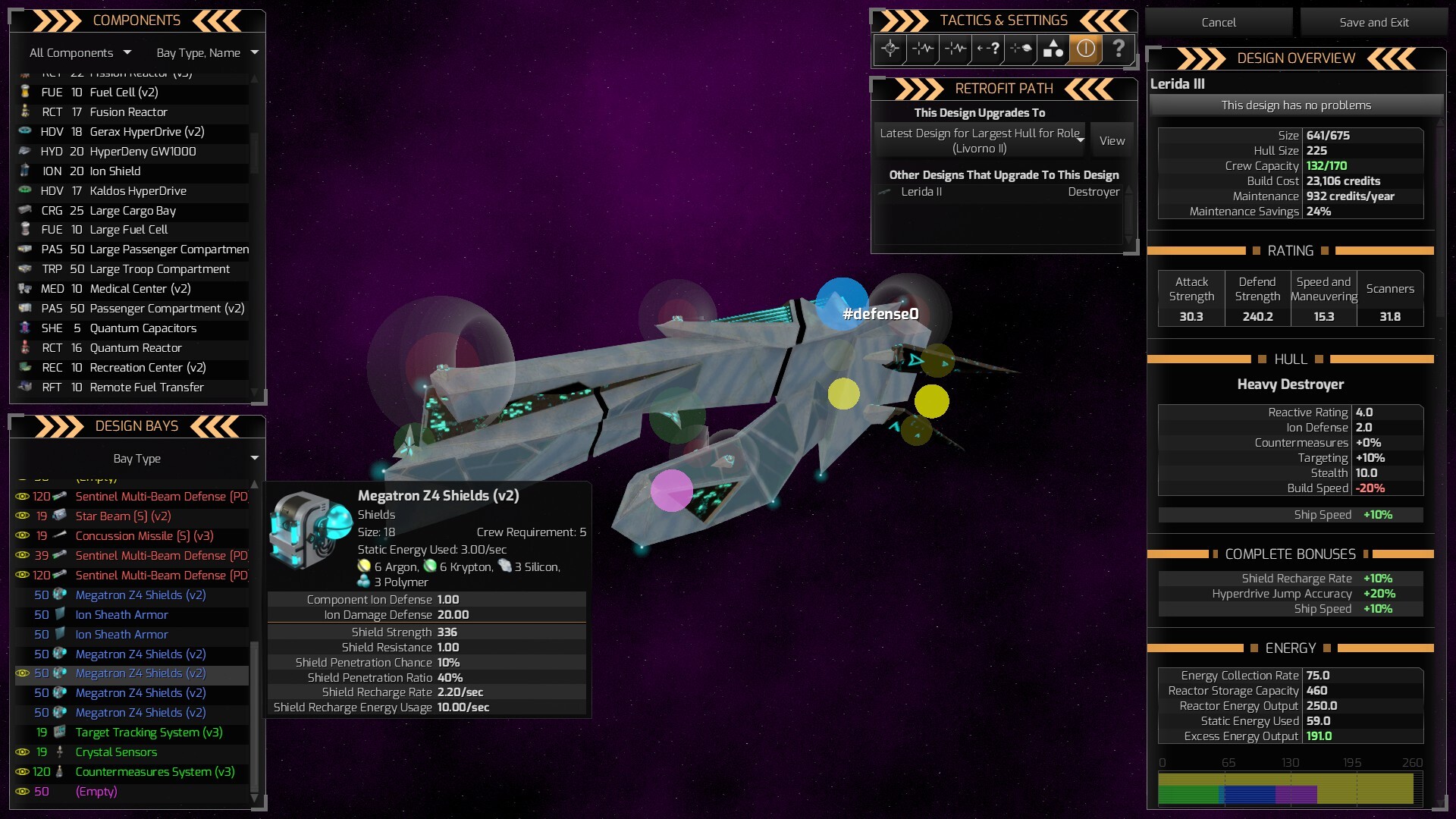
Ship design is the foundation of an effective military, and the key principle is to design for a role and a budget rather than cramming every component onto every hull. Decide what each ship is for — a frontline warship, a defensive escort, a long-range explorer, a construction or mining vessel — and fit the components that serve that purpose efficiently. A focused warship built around its weapons, defences and engines will outperform and outprice a bloated design that tries to do everything, and because the AI's automated designs tend to be wasteful, your purpose-built ships will be both more effective and more affordable. That efficiency compounds across a whole fleet.
Keep your designs current as your technology advances, updating ships with better components so your forces do not fall behind. And design with your economy in mind: ships you can actually afford to build and replace, supplied by the resources you have secured, will serve you far better than a handful of expensive showpieces. Effective, affordable, role-focused designs are the backbone of a military that can sustain a war.
Maintain a small set of good designs for clear roles — a main warship, an escort, an explorer, a constructor — and update them as tech improves. A tidy roster of purpose-built ships is easier to build, supply and command than a sprawl of one-off designs.
Fleets, defence and commanding wars
Individual ships win little; organised fleets win wars. Group your warships into fleets with clear purposes — a strike fleet to take the fight to the enemy, a defensive fleet to hold key worlds, patrol forces to secure your space — and command them as cohesive groups rather than scattering ships across the map. Keeping fleet management manual is strongly recommended, because automated fleets can behave erratically and squander your military strength at exactly the wrong moments. When you direct your fleets yourself, you can concentrate force, protect your supply, and strike where the enemy is weak, which is how campaigns are won.
Defence is the other half of military play, and much of it is about protecting your economy. Pirates and enemy raiders prey on your vulnerable civilian ships, so position patrols and defensive bases to cover your important trade routes, mining operations and colonies, and respond promptly when raids appear. A defended economy keeps your private sector — and therefore your income and supply — flowing, while undefended trade bleeds you dry. Put it together — efficient ship designs, focused fleets under your command, and a protected economy — and you hold a decisive edge, precisely because the AI handles all of this so poorly. To fund and supply that military, see our economy guide, and to set the right manual-versus-automatic balance, the automation guide. If you are still starting out, the beginner guide lays the groundwork.
Do not hand your fleets to the AI during a war and hope for the best. Automated fleets wander, get stuck and waste themselves, and a war lost to bad automation is the most avoidable defeat in the game. Command your military yourself when it counts.