The Verdict — A Genuine Fallout Successor That Asks a Lot of You
UnderRail is one of the most complete realizations of the Fallout 1 and 2 design ethos to come out in the years since those games. Built by Stygian Software — a tiny developer — and released from Early Access in December 2015, it is a single-character, isometric, turn-based CRPG set in a far-future underground world. The surface became uninhabitable, and what remains of humanity lives in and around the metro stations of "the Underrail." You explore in real time and fight in tactical, action-point (AP) combat, and from the first hour it is clear this is a deliberate throwback aimed squarely at people who already love this genre.
The reception backs that up — UnderRail holds a "Very Positive" Steam rating, with roughly 86% of around 4,940 reviews recommending it. That is a strong score for a niche, buy-to-play game with no marketing engine behind it. But the gap between "people who adore this" and "people who bounce off it hard" is wide, and being honest about why matters more here than with most games.
UnderRail is single-character only — there is no party. Every encounter is you, your build, your consumables, and your preparation against the world. That focus is part of what makes the build system so deep, but it also means a weak or mis-planned character has nowhere to hide.
The Good — Build Depth That Few Games Match
The character system is the headline, and it earns it. You allocate 7 stats — Strength, Dexterity, Agility, Constitution, Perception, Will, and Intelligence — across 20+ skills, pick feats every two levels, and from level 15 onward (with the Expedition DLC) choose specializations that further refine your strengths. The level cap is 30, and reaching it on a focused build feels like the culmination of a long series of meaningful choices rather than a numbers treadmill.
On top of that sits the optional Psi (psionics) system, split across Thought Control, Psychokinesis, Metathermics, and Temporal Manipulation. Psi is unlocked through the Psi Empathy feat, which carries a permanent -20% maximum HP cost — a real trade-off, not a free upgrade. Psi is widely regarded as both very strong and the most beginner-accessible path, which makes it a sensible pick for a first character even if purists prefer a gun or melee build.
Two XP systems support all of this. Classic rewards kills and quests; Oddity rewards finding unique items, nudging you toward exploration instead of grinding. The combination of stats, skills, feats, specializations, Psi, and two progression philosophies produces enormous replayability — different builds genuinely play like different games. If you want to plan ahead, our build guide walks through how the pieces fit together.
Pros
- +One of the deepest character systems in the genre, with real build freedom
- +Tactical AP combat that rewards positioning, traps, consumables, and preparation
- +Dense, oppressive underground atmosphere and rich environmental lore
- +Crafting that meaningfully outpaces loot and rewards engagement
- +Huge replayability across builds, Psi schools, and two XP systems
Cons
- −Brutal, often obtuse difficulty — including a mid-game wall many never pass
- −Dated, clunky UI and fiddly inventory management
- −Sparse fast travel and lots of backtracking through large, maze-like maps
- −Mechanics and quest direction are poorly explained; the opening hours drag
Combat and Crafting — Slow, Deliberate, and Demanding
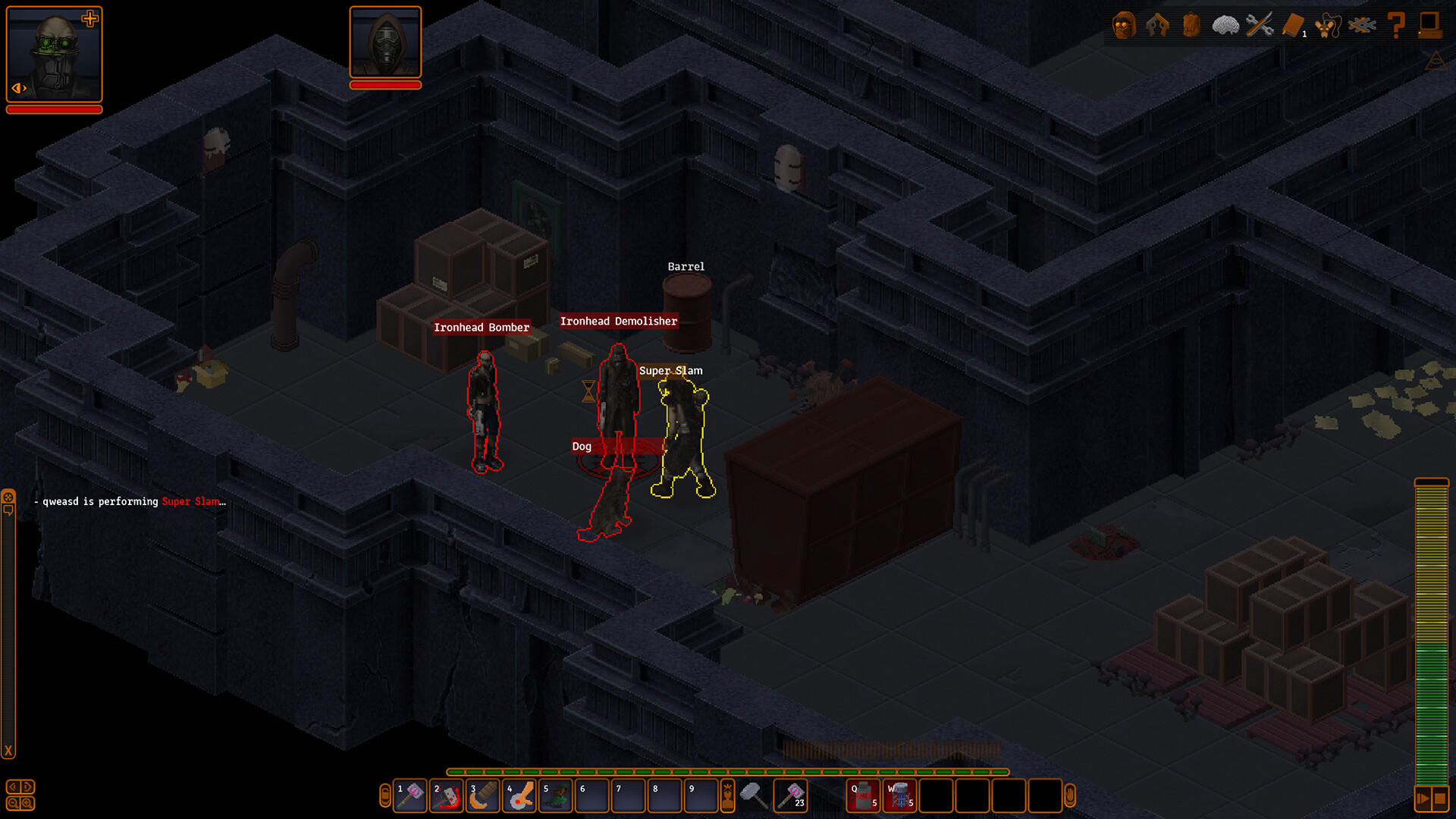
Combat is turn-based and built around AP, and it is where the game's tactical depth shows. Positioning, line of sight, traps, grenades, status effects, and consumables all matter; a fight you walk into unprepared can end your run, while the same fight approached with the right setup becomes a satisfying puzzle. This is combat that respects planning over reflexes, and it is consistently one of the most praised parts of the game.
Crafting is effectively mandatory. Crafted gear outclasses what you find lying around, and component quality directly determines how good the result is, so scavenging for better parts becomes part of the loop. You can play without leaning into it, but you will feel the gap. It is fair to treat crafting as a core pillar rather than an optional convenience — something worth knowing before you commit.
Pick Oddity XP and a Psi-capable build for your first character. Oddity paces progression around exploration rather than grinding, and Psi's accessibility (despite its -20% HP cost) smooths out the early difficulty spikes that send so many new players back to the menu.
The World — Dense, Bleak, and Worth Exploring
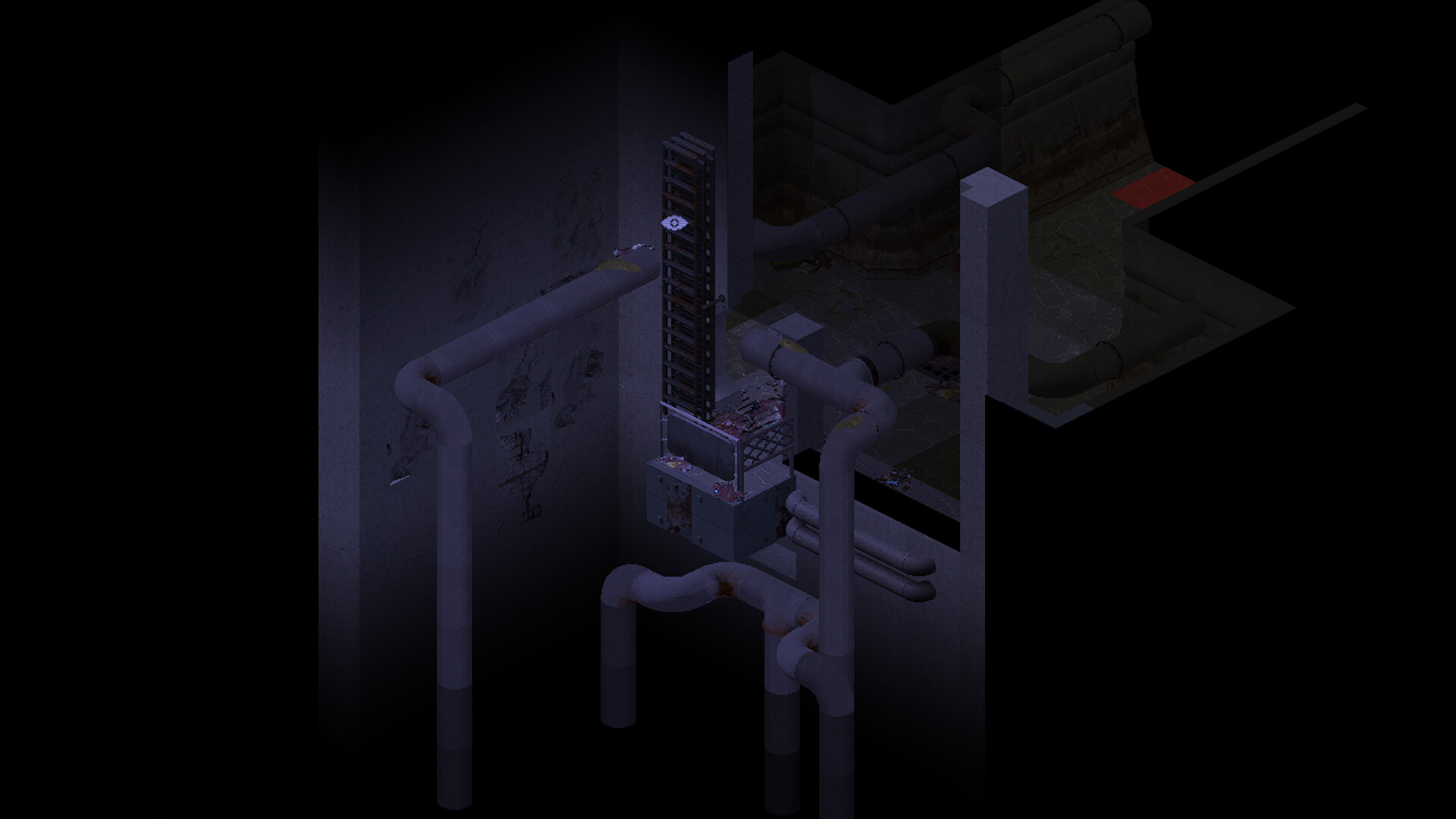
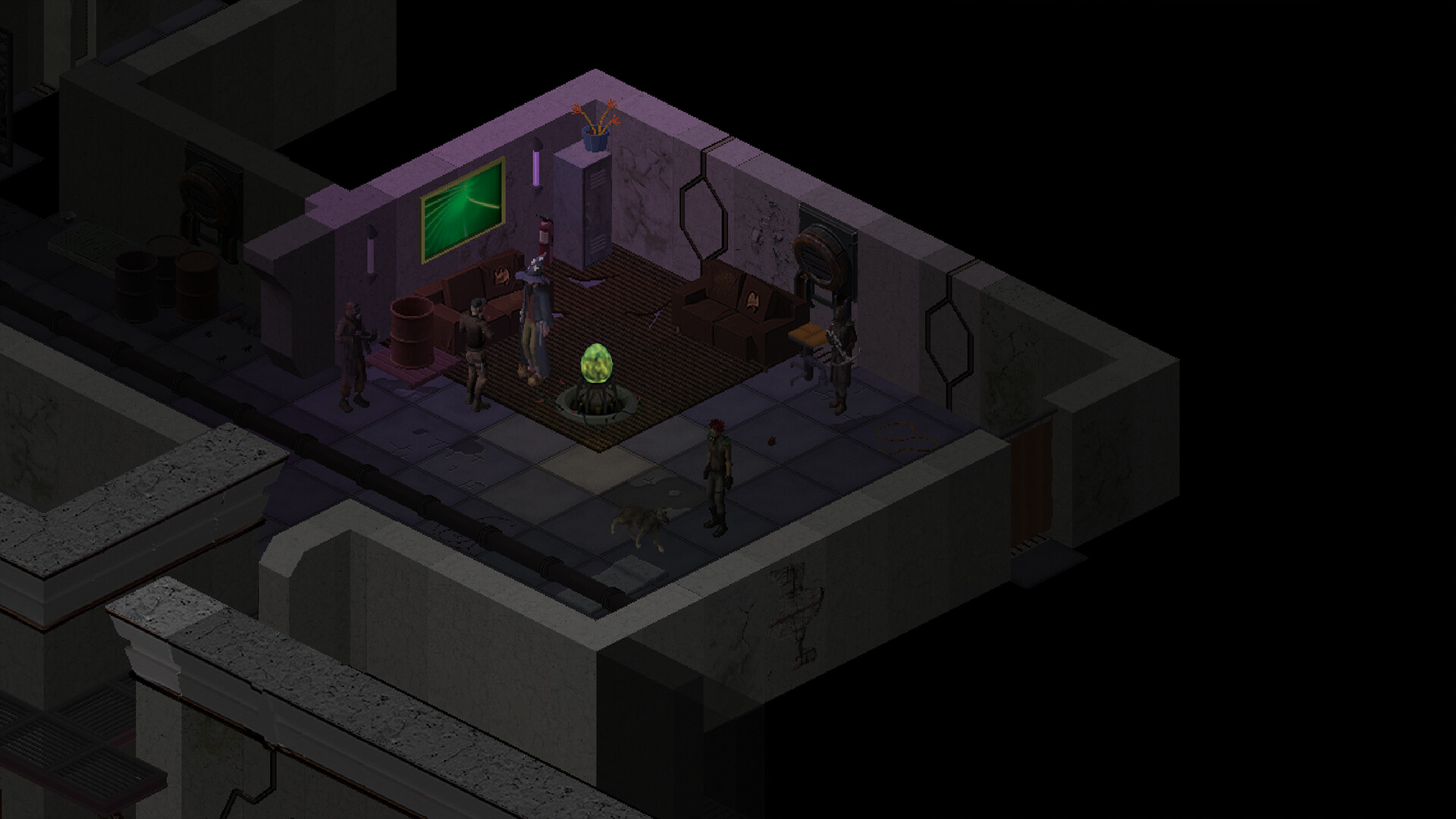
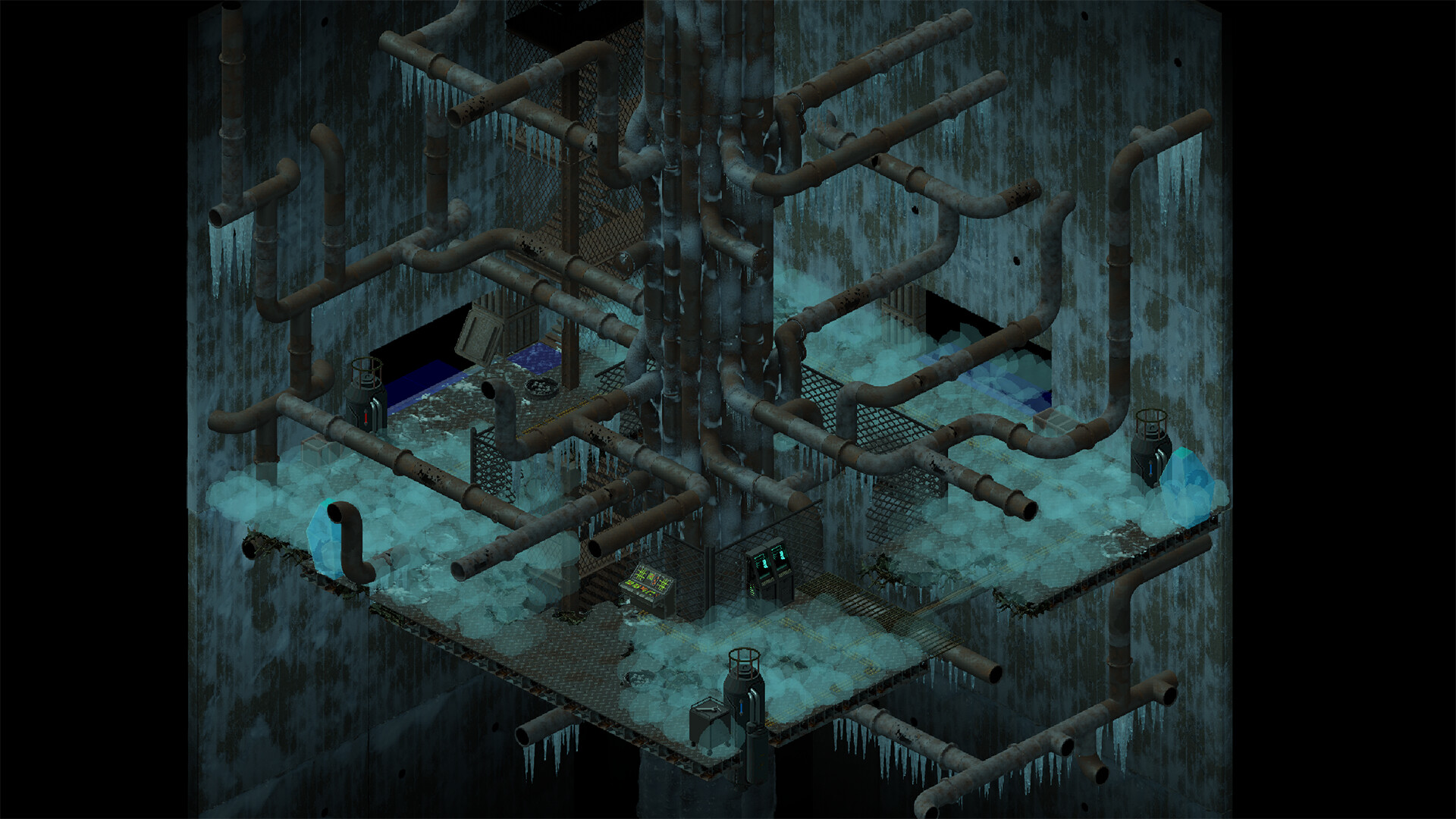
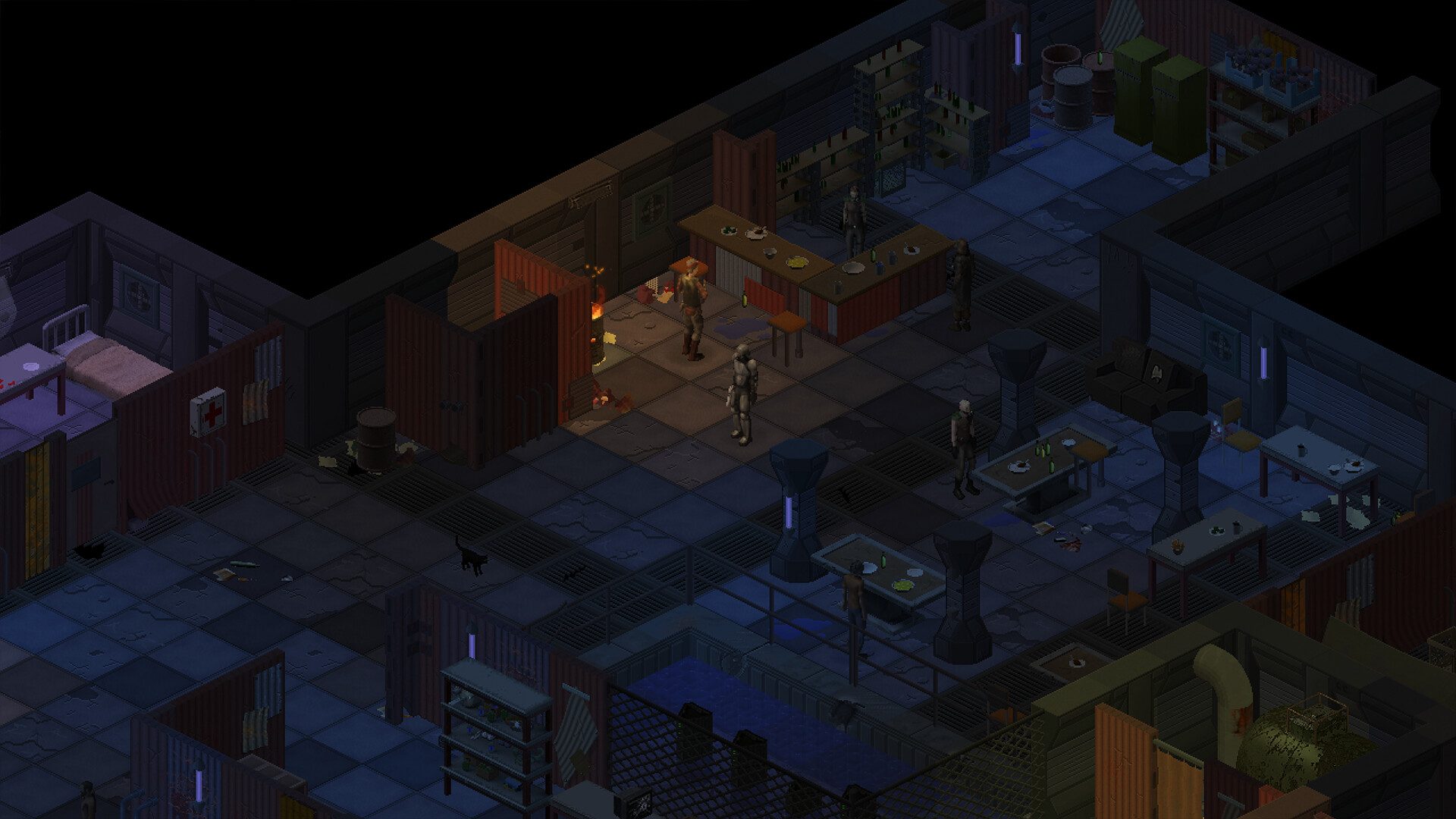
The setting is a real strength. The Underrail is a claustrophobic network of metro stations and tunnels, with factions like the authoritarian Protectorate and the resistance-minded Free Drones shaping the politics around your home base, South Gate Station (SGS). The world is dense with lore, much of it environmental, and exploration is genuinely rewarded — secrets, unique items, and hidden routes are everywhere if you are the kind of player who pokes at every wall.
The flip side is presentation. The visuals are functional rather than beautiful, leaning on a deliberately grim, dated aesthetic. The atmosphere is excellent; the polish is not modern. If you came up on the original Fallout titles, this will feel right at home. If your baseline is a current-generation RPG, set expectations accordingly.
The Not-So-Good — Difficulty, UI, and Backtracking
Here is where honesty matters most. UnderRail is notoriously hard, and not always in a fair-feeling way. The most infamous example is a mid-game area called Depot A, a difficulty wall where roughly half of players reportedly quit. The jump in challenge there is steep, and because the game explains so little, hitting it underprepared can feel less like a test of skill and more like a brick wall you didn't know was coming.
That ties into the broader problem — weak hand-holding. Mechanics are poorly explained, quest direction is often vague, and the early hours are slow and punishing while you figure out systems the game declines to teach. There are difficulty options — Easy, Normal, Hard, and DOMINATING, plus a later Custom setting — and lowering combat difficulty helps, but it doesn't fix the obtuseness or the lack of guidance.
The UI is dated and clunky, inventory management is fiddly, and there is sparse fast travel across large, maze-like maps, which means a lot of backtracking. Add the fact that some stat choices are permanent and can effectively soft-brick a first build, and the result is a game that can punish you for decisions you made hours earlier without realizing.
Read up before your first build. Permanent stat choices can leave a character underpowered with no way to respec out of it, and the game won't warn you. A short look at a beginner guide before you start can save a 10-hour run that quietly went wrong — see our beginner guide.
Expedition DLC and Longevity
The Expedition DLC (2019) is a substantial addition rather than a token one. It opens the Black Sea region — roughly 200 areas — adds boat and jet-ski travel, introduces new weapon types (shotguns, swords, spears), brings the Temporal Manipulation Psi school, and layers in 30+ feats along with the level-30 cap and specializations. For a game already running 60-100+ hours per playthrough, it meaningfully extends both the content and the build options.
Longevity is one of UnderRail's clearest strengths. Between the length, the breadth of viable builds, the two XP systems, and Expedition, there is an enormous amount here for the money. As a buy-to-play title from a small studio with no microtransactions, the value proposition is hard to argue with — provided the design suits you.
Final Score — Brilliant, but Earn It
Overall 8.3. UnderRail is a remarkable achievement from a tiny team and one of the best Fallout-style CRPGs available. The build depth, tactical combat, dense world, and sheer replayability are genuinely excellent, and for the right player it is close to a must-own. But the brutal, obtuse difficulty, the dated UI, the backtracking, and the near-total lack of guidance are real, not nitpicks — and the Depot A wall is a meaningful reason a large share of players never finish.
Buy it if you love old-school CRPGs, enjoy theory-crafting, and don't mind reading mechanics for yourself. Hold off if you want an accessible, guided experience or a smooth modern interface. If you do dive in, start with our beginner guide and plan your character with the build guide — a little preparation is the difference between bouncing off this game and falling in love with it.