What UnderRail Is, and What to Expect
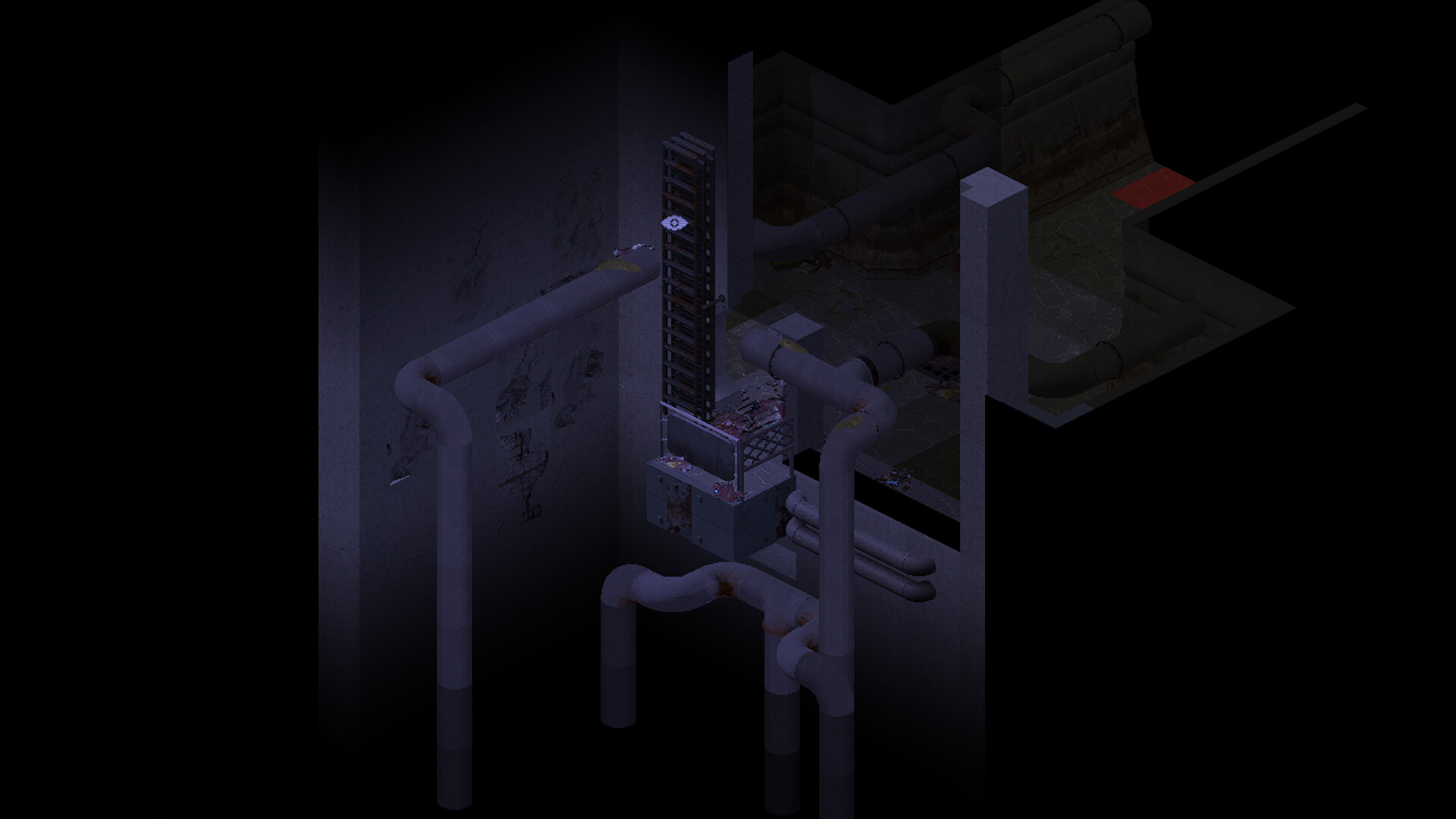
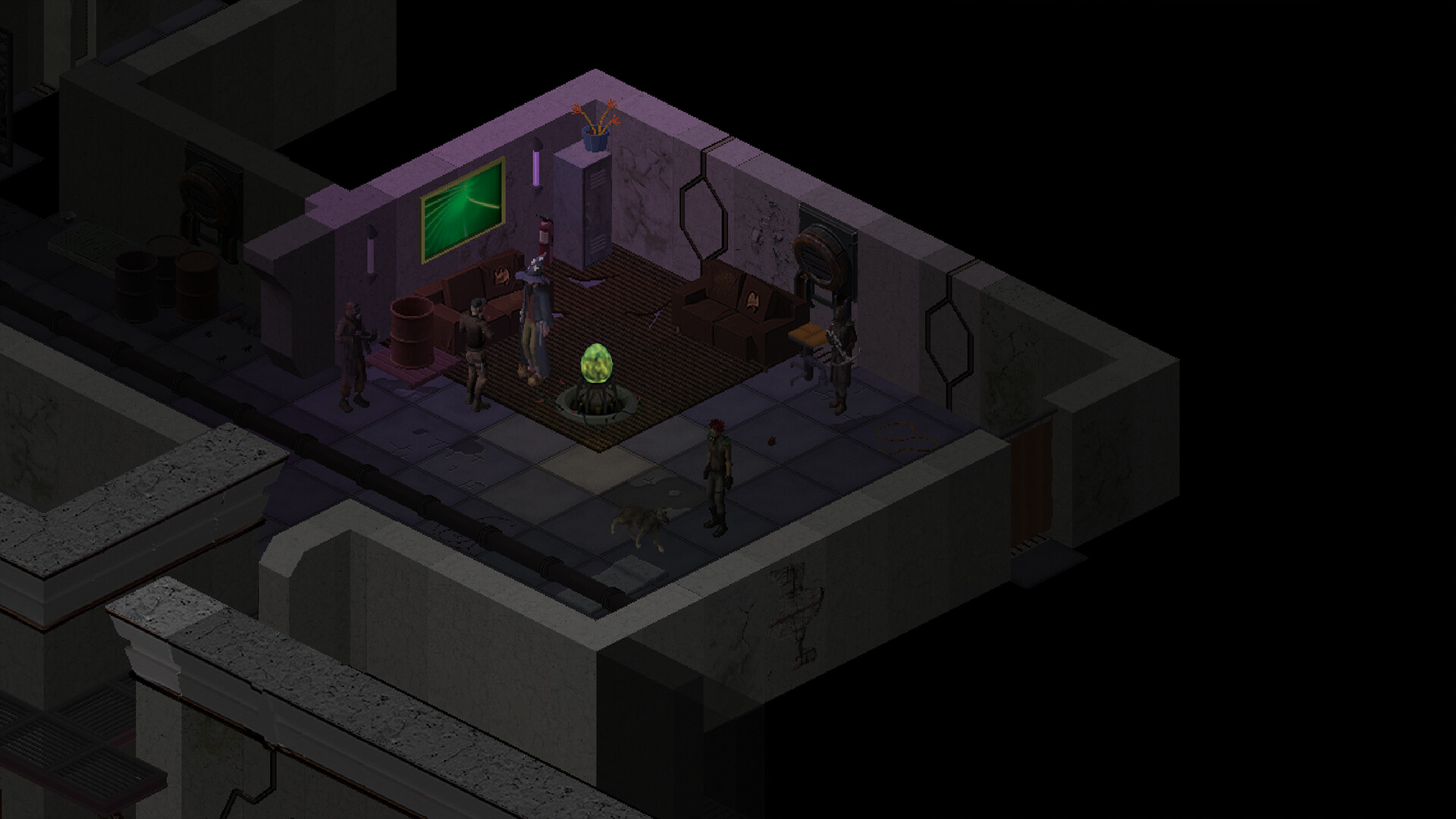
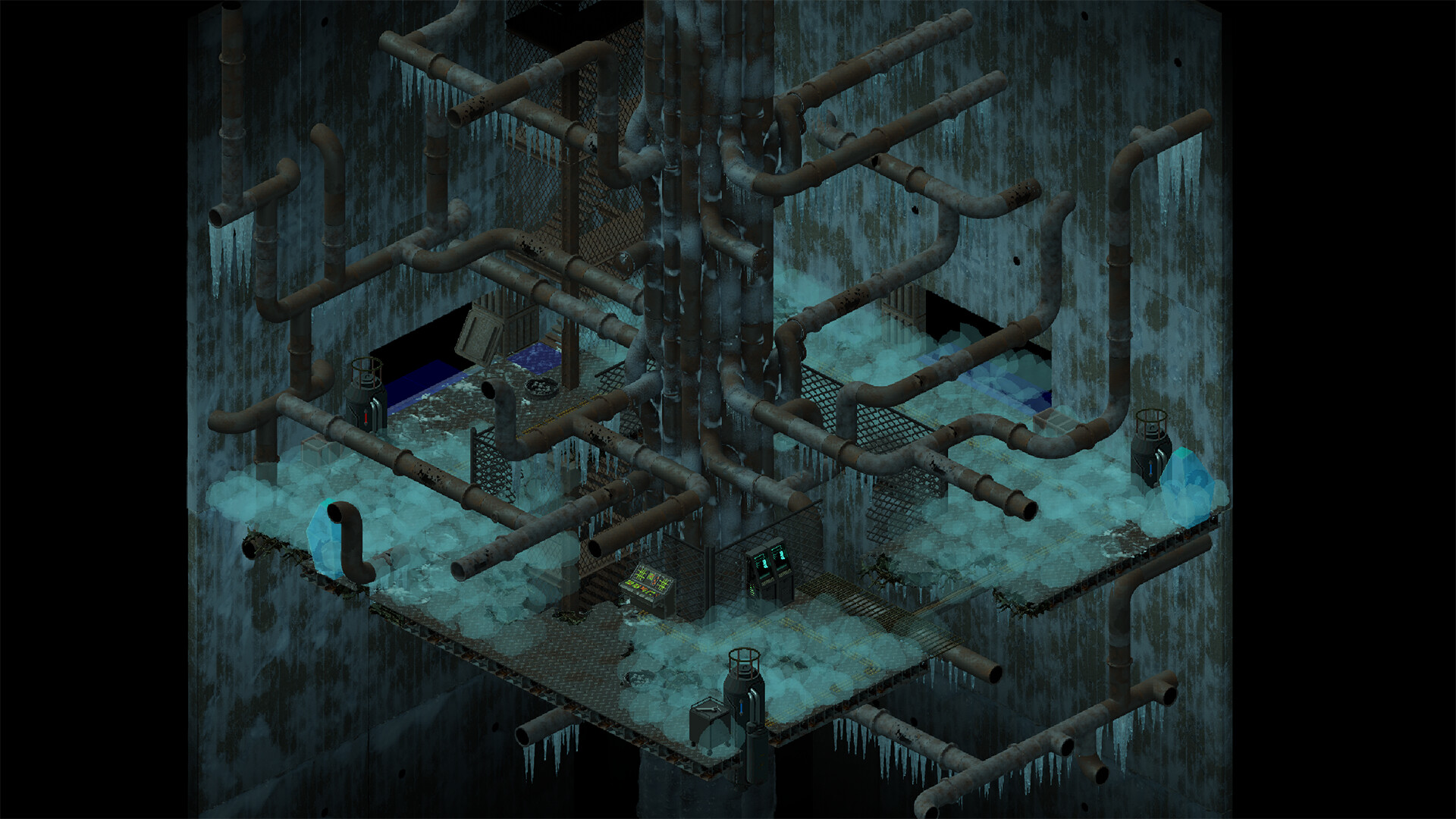
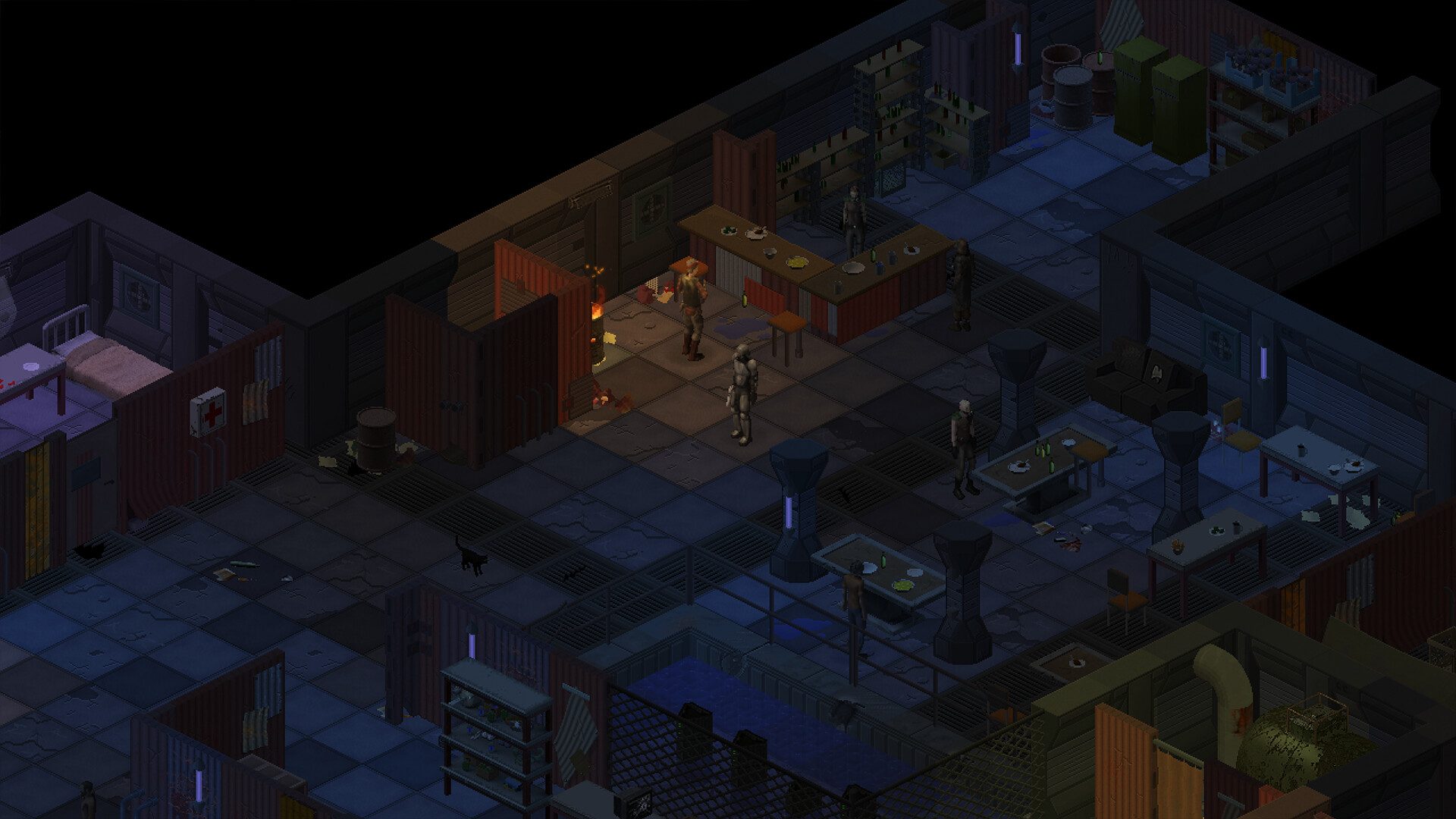
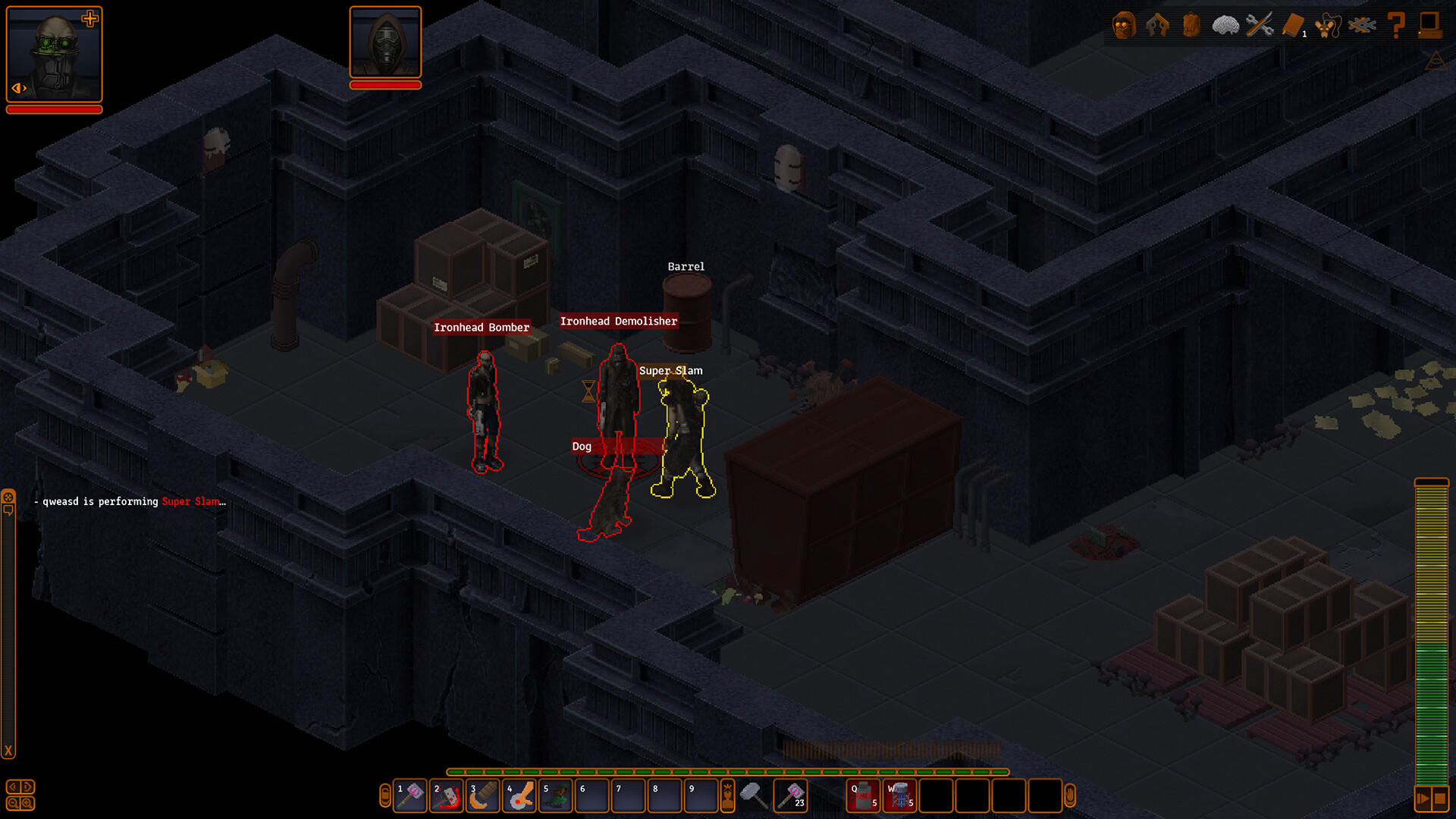
UnderRail is a turn-based, isometric, single-character CRPG in the tradition of Fallout 1 and 2, set in a sprawling underground world of metro tunnels and stations after the surface became uninhabitable. You explore in real time, but the moment combat starts the game switches to turn-based action points (AP), where every shot, step and item use costs AP. Your home base is South Gate Station, usually shortened to SGS, which acts as your hub for early quests, vendors and workbenches.
Set your expectations honestly: this is a slow, demanding, old-school game. It does not hold your hand, encounters can punish you hard, and the most important decisions are made before you take a single step. The payoff is one of the deepest character systems in the genre and a world that genuinely respects how you choose to build your character. If you go in expecting a fast action game, you will bounce off. If you go in expecting a deliberate puzzle of stats, gear and positioning, you will find a lot to love.
UnderRail is one character from start to finish — there is no party. Everything you survive, you survive on the strength of one build, so the choices below matter more than in most RPGs.
Picking a first build, briefly
Character creation is the single most important decision in UnderRail, and it is largely permanent — you cannot freely respec later. You have seven stats: Strength, Dexterity, Agility, Constitution, Perception, Will and Intelligence. They are created in the range 3 to 10, where 4 is roughly neutral, and you gain one ability point to raise a stat every four levels. Because those points are rare, plan your stat spread around a single combat style rather than trying to be good at everything.
Three builds are forgiving enough for a first run:
| Build | Key stats | Why it suits beginners |
|---|---|---|
| Assault Rifle | Perception | Versatile ranged damage that handles most situations; the most forgiving all-rounder. |
| SMG | Dexterity + Perception | Fast, burst-heavy gunplay that shreds single targets and acts early in combat. |
| Pure Psi | Will + Intelligence | A full toolbox of abilities that is always available, with strong crowd control and burst. |
Any of these three will carry you through a first playthrough. The Assault Rifle build is the gentlest because it stays effective at range in almost every fight. SMG rewards good positioning and a high turn order. Pure Psi is powerful but mentally demanding, since you are juggling several ability schools rather than firing a gun. Pick the one that sounds fun and commit to it — see the linked UnderRail build guide for detailed stat and feat breakdowns.
Classic vs Oddity XP
At character creation you also choose how you earn experience, and the two systems play very differently.
| XP system | How you gain XP | Feel |
|---|---|---|
| Classic | Kills and quest completion | Steady combat progress; reaches the Depot A milestone around level 12. |
| Oddity | Finding unique oddity items, plus quests | Rewards exploration and lets you avoid fights; reaches Depot A around level 8-9. |
Oddity XP comes from discovering special unique items scattered around the world, which means thorough exploration is rewarded and you can sometimes sneak past or avoid combat entirely. Classic XP comes from killing enemies and finishing quests, so it suits players who want to grind progress through fights. Neither is strictly better. Choose Oddity if you enjoy poking into every corner, Classic if you prefer reliable, combat-driven levelling.
Stats, Skills and the Golden Rule of Focus
You receive 40 skill points per level — and 120 at creation — and each skill caps at "10 plus 5 per level," so you can never push everything at once. Feats, the special perks that define your build, arrive every two levels.
The golden rule of UnderRail is focus. New players ruin runs by sprinkling points across many skills "just in case," ending up mediocre at everything and strong at nothing. Instead, pour points into your one combat skill (Guns or your chosen Psi schools), the crafting skills you will actually use, and one or two utility skills that fit your concept.
Spreading skill points too thin is the most common reason beginner builds fail. A focused character that is excellent at one thing beats a "jack of all trades" in almost every fight. When in doubt, invest deeper, not wider.
A useful secondary investment for almost any build is Throwing, which powers grenades. Grenades are very strong early-game area-of-effect damage and a reliable answer to clustered enemies, so a modest Throwing investment pays off across the whole campaign.
Crafting Basics
Crafting in UnderRail is effectively mandatory. Crafted gear consistently beats what you find or buy, and the quality of the components you use directly determines how good the result is. The crafting skills are Mechanics, Electronics, Chemistry, Biology and Tailoring, and you build items at workbenches found in stations like SGS.
-
1
Pick crafting skills that match your build
A gun build leans on Mechanics for weapons and Tailoring for armor; a Psi or tech build values Electronics and Biology. Choose two or three and invest meaningfully rather than dabbling in all five.
-
2
Hoard quality components
Buy and loot high-quality components whenever you can afford them. A higher component quality produces noticeably better weapons, armor and consumables.
-
3
Craft your own armor and consumables
Tailored armor tuned to a threat — for example acid-resistant plating before Depot A — and home-brewed grenades and drugs will outclass shop stock and keep you alive.
-
4
Check vendors on restock
Merchants refresh their stock over time. Visit them regularly to snap up the best components before crafting your next upgrade.
You do not need to master all five crafting skills. Two or three, supported by good components, will produce gear far stronger than anything a vendor sells.
The Depot A Wall and How to Prepare
Depot A is the game's infamous mid-game difficulty wall, and it is where roughly half of players quit. It throws you into tight spaces against acid-spitting enemies that can melt an unprepared character in a couple of turns. The mistake is treating it like any other area. Treat it instead as a planned expedition.
-
1
Arrive at an appropriate level
Roughly level 8-9 on Oddity or level 12 on Classic. Do other content first if you are short.
-
2
Wear acid-resistant armor
Acid is the primary threat here. Craft or equip armor that resists it before you go in — this single change saves countless runs.
-
3
Stock 15 or more health hypos
You will take heavy damage. Carry plenty of healing and keep it on your hotbar.
-
4
Bring lots of grenades and combat drugs
Area damage clears clustered enemies, and combat drugs buy you the extra action and survivability you need for the hardest fights.
Difficulty in UnderRail is set per save. For a first run, Normal or Easy with hints enabled is the right call — Hard and DOMINATING assume you already know builds and item locations. There is no shame in lowering difficulty to learn the systems.
Combat, Initiative and Common Mistakes
Combat is turn-based and built on action points, so think before you act: every move and attack has a cost, and wasted AP gets you killed. Equally important is Initiative, which decides turn order and is driven by Agility, Dexterity and Perception. Acting before the enemy lets you open with a burst, throw a grenade into a group, or reposition to cover before they ever fire — beginners routinely underestimate how much a high turn order is worth.
Avoid the mistakes that sink new players:
- Spreading skill points too thin instead of committing to one combat focus.
- Allocating permanent stats badly at creation — plan around your build before you confirm.
- Ignoring crafting and relying on found or bought gear.
- Neglecting consumables like hypos, grenades and combat drugs, then dying when a fight turns.
- Underestimating Initiative and walking into ambushes with a slow, low-order character.
Play deliberately, keep your character focused, and lean on crafting and consumables, and UnderRail's brutal reputation becomes fair rather than unfair. When you want a deeper look at whether the game is for you, read our UnderRail review, and when you are ready to optimize, follow the build guide linked above.