The heart of your reign
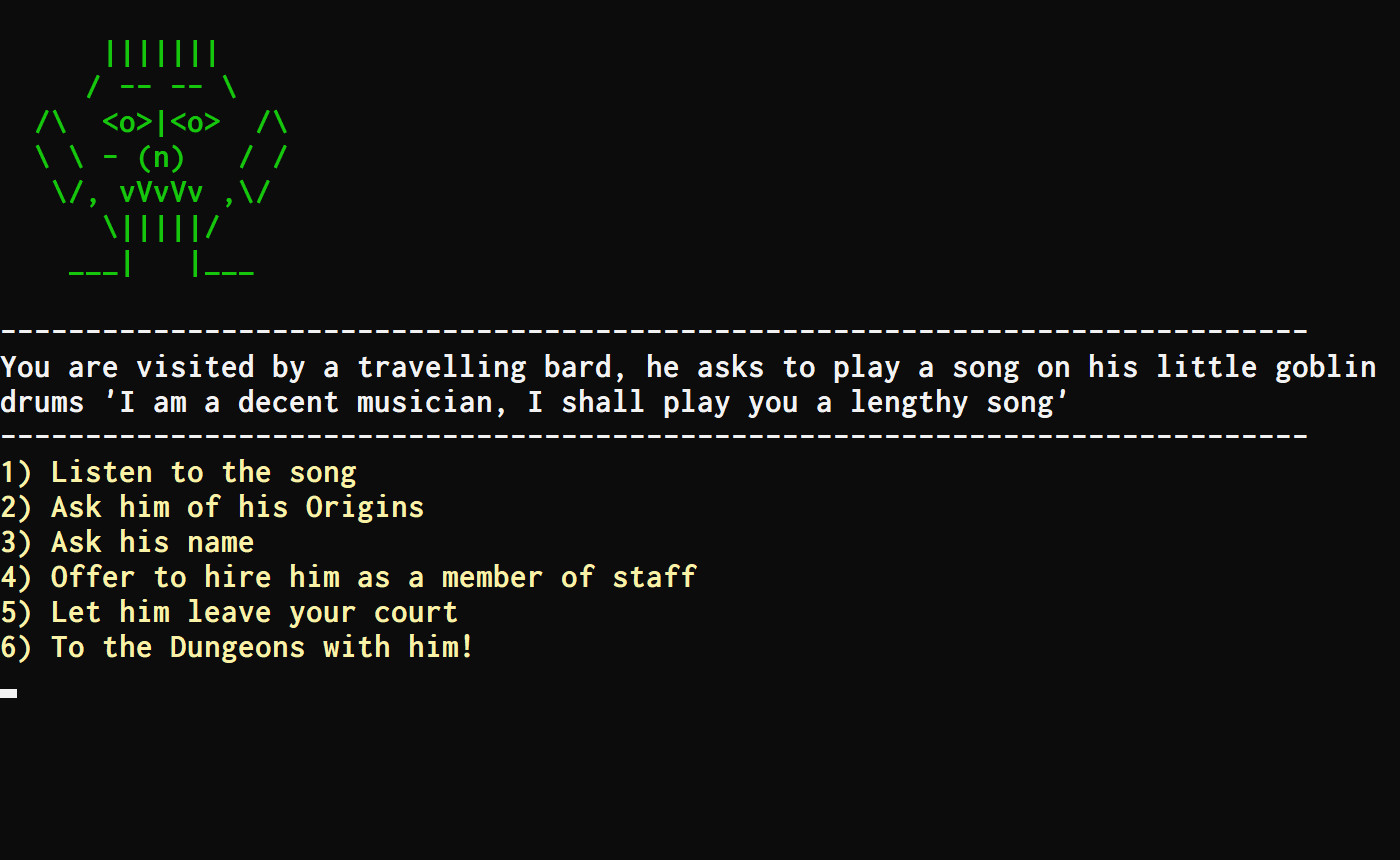
If the economy is the lifeblood of your realm in Warsim: The Realm of Aslona, the throne room is its beating heart. This is where you sit in judgement as ruler, and where a constant procession of visitors and events comes before you: petitioners seeking favours, mercenaries offering their swords, beggars and bards, diplomats from rival factions, and a vast array of strange, often darkly funny random events. With over a thousand different encounters, each with branching choices, the throne room is where much of the game's character and consequence lives. Your decisions here are not isolated — they ripple out across your gold, your military, your people's happiness and your standing with the factions of the world. This guide covers how to read and judge those encounters well, and how diplomacy, the arena and exploration extend your rule beyond the throne.
More than any other system, the throne room is where you express what kind of ruler you are. The same encounter can be met with generosity or cruelty, caution or boldness, and the realm you build emerges from the accumulation of those choices. Learning to handle it well is learning to rule.
The throne room is turn-based and unhurried, so read every encounter fully before deciding. The text usually hints at the stakes and the likely outcomes, and because nothing is rushed, you can weigh each choice against your goals and your treasury without pressure.
Judging encounters well
The core skill of the throne room is judgement: reading each encounter and choosing the option that best serves the realm you are trying to build. Many encounters offer tangible rewards — gold, troops, opportunities, information — while others are traps that cost you if mishandled, and a good number are simply flavour that colours your reign. The reliable early approach is to favour cheap, safe choices that build goodwill and avoid unnecessary risk, while remembering that you are never obliged to grant every request. Refusing a costly petition, or even punishing a troublemaker, is sometimes exactly the right call. As you play, you will start to recognise the patterns: which kinds of events reliably pay off, which tend to backfire, and which are worth a gamble.
Crucially, your choices should align with your wider strategy. If you are building a content, prosperous realm, lean towards fair and generous decisions that lift happiness; if you are running a lean, militarised state, prioritise the encounters that strengthen your forces and treasury. The throne room rewards rulers who decide with purpose rather than reflex, treating each encounter as a small investment of gold, goodwill or risk in service of a larger plan.
You do not have to say yes. New rulers often feel pressured to grant every petition, but many encounters are designed to test you, and refusing or punishing is frequently the wiser, cheaper choice. Judge each request on whether it serves your realm, not on a sense of obligation.
Ruling your way: mercy and menace
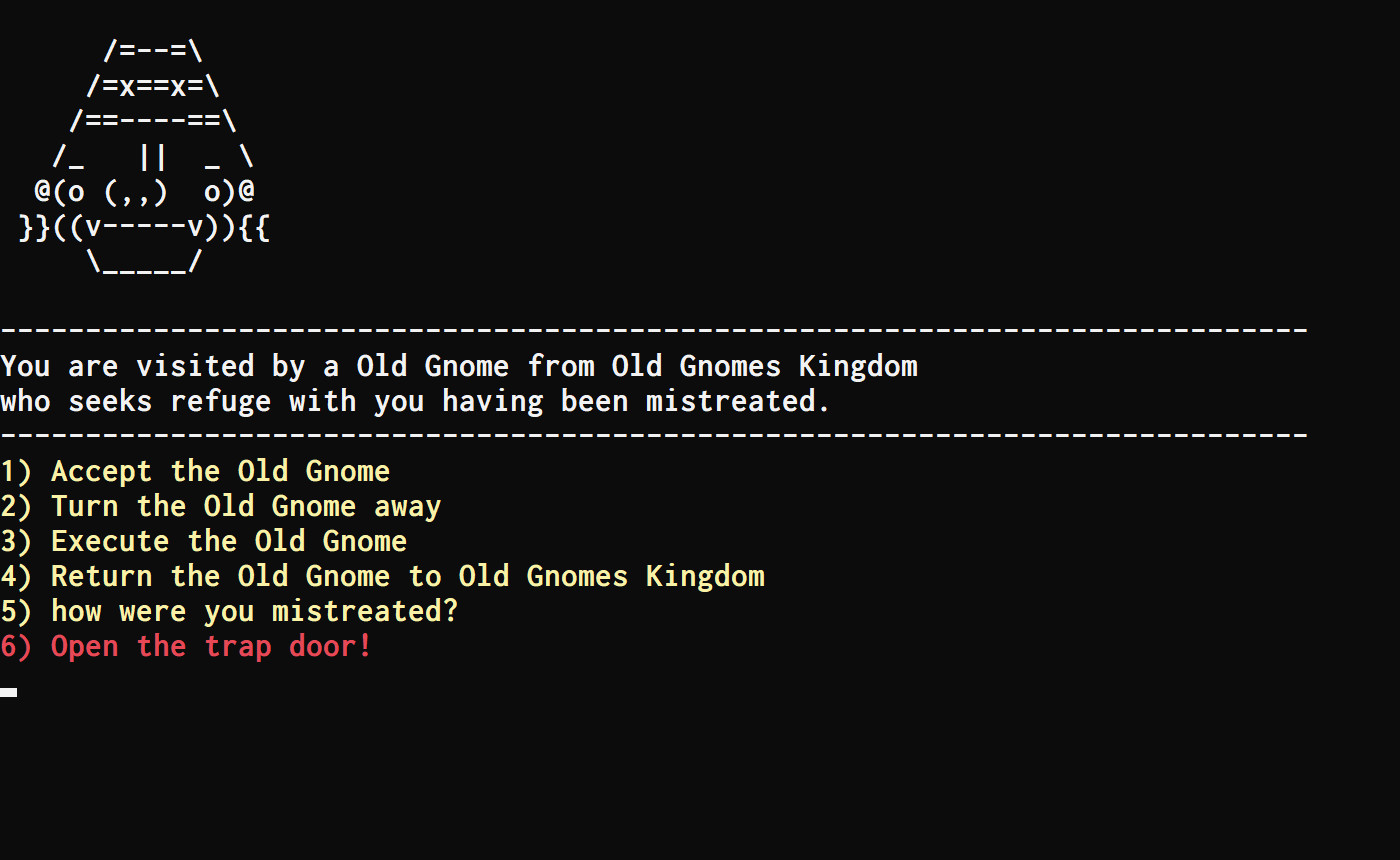
One of the throne room's great strengths is how completely it lets you define your reign. You can rule as a generous, just monarch — granting fair petitions, showing mercy, and building a realm bound together by goodwill and stability — and reap the reward of a content, rebellion-resistant population. Or you can rule as a ruthless tyrant, governing through fear, slaves and harsh judgement, up to and including the infamous trapdoor beneath the throne that disposes of those who displease you. This path trades goodwill for control and short-term gains, and brings its own risks of unrest, but it is fully supported and often grimly entertaining. Most rulers find themselves somewhere in between, fair when they can afford to be and hard when they must be.
What makes this work is that the game rarely forces a moral path on you. It hands you the choices and lets the consequences follow naturally — happiness rising or falling, factions warming or cooling, your treasury swelling or draining. Combined with the dark humour woven through so many encounters, this freedom gives Warsim enormous character, and it is a large part of why two playthroughs can feel so different even in the same generated world.
Beyond the throne: diplomacy, arena and exploration
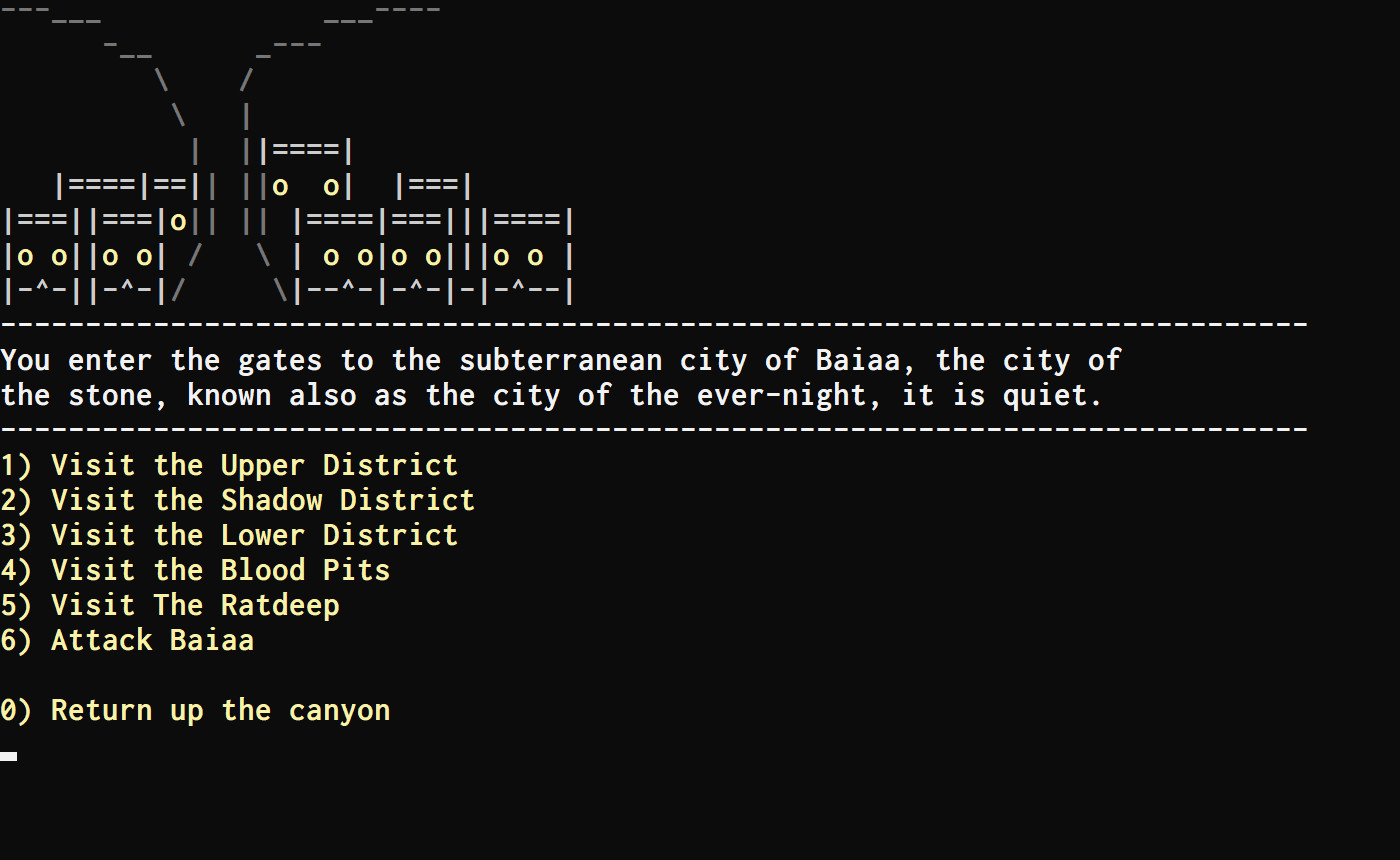
Your rule extends well past the throne room, and three systems in particular deepen it. Diplomacy plays out with the realm's many factions and races — each with their own generated attitudes — through throne room visits and dedicated menus, where you trade, ally, make demands and scheme to improve your standing. Because those groups are largely generated, every realm's diplomatic map is different, and reading each one's disposition is an ongoing art. The gladiatorial arena lets you stage fights, charge entry fees, bet on combatants and put the monsters you capture to use, serving as both a spectacle for your people and a genuine income stream. And exploration sends you out across the procedurally generated world to uncover hidden cities, blackmarkets, factions and opportunities you would never find from the throne alone.
All three tie back to your core rule. Diplomacy can secure trade, peace or allies that strengthen your position; the arena funds your treasury and entertains your people; exploration opens new options and rewards. None of them are urgent in your first hours, but each becomes a powerful way to extend a stable realm once your economy and people are secure. For where to direct your attention overall, see our strategy tier list; for the gold that funds it all, our economy guide; and if you are just starting out, the beginner guide. To decide whether Warsim is for you, read our review.
Throne room choices have lasting consequences. A decision that grants quick gold but angers a faction or your people can cost you far more later. Before you choose, consider not just the immediate reward but how it affects your happiness, your factions and your long-term plans.