Verdict Games Verdict Games
Warsim Strategy Tier List — What to Prioritise in Aslona

Warsim Strategy Tier List — What to Prioritise in Aslona

Author: Verdict Games Editorial Team Last Updated:

The Bottom Line

In Warsim, the strongest realms are built on economy and stability first, defended by a sensible military, and then multiplied by diplomacy, the arena and exploration. This tier list ranks those pillars by reliability rather than asserting rigid balance, because Aslona is procedurally generated — but the priority order it describes holds across almost every realm you will rule.

Summary

This Warsim: The Realm of Aslona strategy tier list ranks what to prioritise as a ruler — economy, military, stability, diplomacy, the arena and exploration — by how reliably each builds a lasting realm. Because Aslona is procedurally generated, this ranks strategic pillars and playstyles, not rigid unit balance. Economy and stability anchor every realm; military deters threats; diplomacy, the arena and exploration multiply a strong base. We also flag the traps that sink new rulers.

Who This Is For: Warsim players deciding what to focus on to build a strong realm Intermediate

Key Points

Key Points

1

Economy and stability are S-tier — every lasting realm is built on steady gold and a content population.

2

Military is A-tier — enough force to deter bandits and rivals protects everything else you build.

3

Diplomacy, arena and exploration multiply a strong base but rely on a stable foundation first.

4

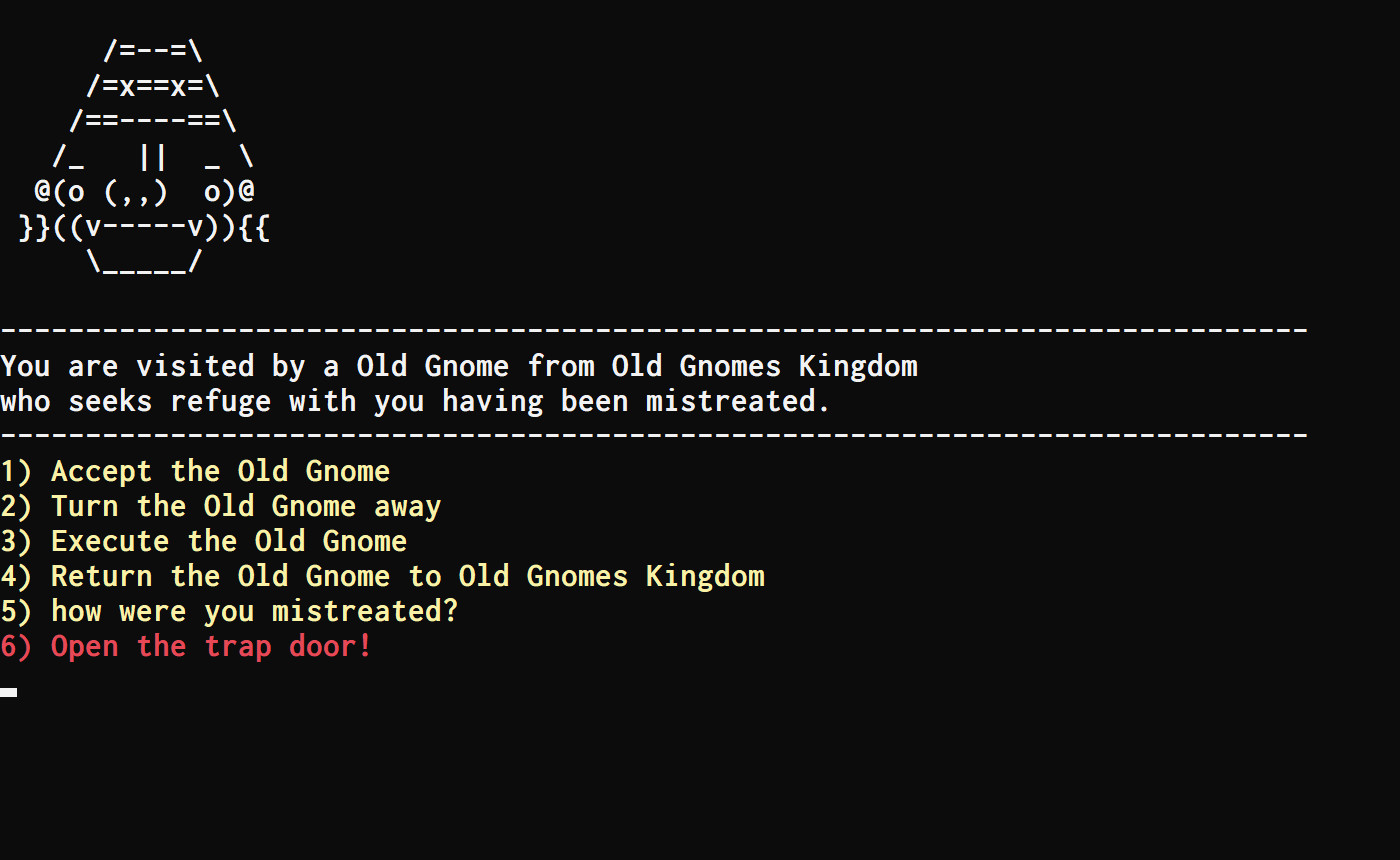
Avoid the traps — over-taxing, hoarding slaves without soldiers, and overextending sink new realms.

How to read this tier list

Warsim: The Realm of Aslona generates so much of its world — millions of possible races, thousands of monsters, countless factions and events — that ranking specific units or races would be meaningless, because what you face changes wildly from game to game. What stays constant is the value of the broad strategic pillars you build a realm around: your economy, the stability of your people, your military, your diplomacy, the arena, and exploration. This tier list ranks those pillars and the playstyles built on them by how reliably each one contributes to a strong, lasting realm, for new and growing rulers alike. It is a guide to where your attention and gold are best spent, not a claim about rigid balance — and in keeping with that, it deliberately avoids asserting precise numbers the generated world does not guarantee.

Treat the tiers as a priority order. The higher a pillar sits, the earlier and more consistently it should command your focus; the lower ones are powerful multipliers that pay off best once your foundation is secure. We close with the common traps that sink new realms, because avoiding mistakes is as important as making good plays.

This ranks strategic pillars and playstyles, not specific units or races. Because Aslona is procedurally generated, the broad approaches below hold their value across almost every realm, while any individual unit or faction varies from game to game.

The tier list

S
Economy (peasants, mines, taxes) Gold is the lifeblood of the realm. A steady income from peasants working fields and mines, plus sensible taxes, funds every other ambition. Nothing you want to do is possible without it, which makes economy the single most reliable focus in the game. Stability & happiness A content population is what keeps your realm from collapsing behind you. Manage taxes, slaves and unpopular decisions so unrest never boils into rebellion. Stability protects everything else you build and pairs inseparably with the economy.
A
Military deterrence Enough force to deter bandits and discourage rival factions protects your economy and people from being picked apart. It depends on gold for upkeep, so it sits just below the economy — but neglecting it entirely leaves you defenceless. Scouting before war Knowing an enemy's strength before you commit turns risky gambles into informed decisions. Cheap, low-risk and reliably valuable, scouting prevents the catastrophic losses that come from marching blind.
B
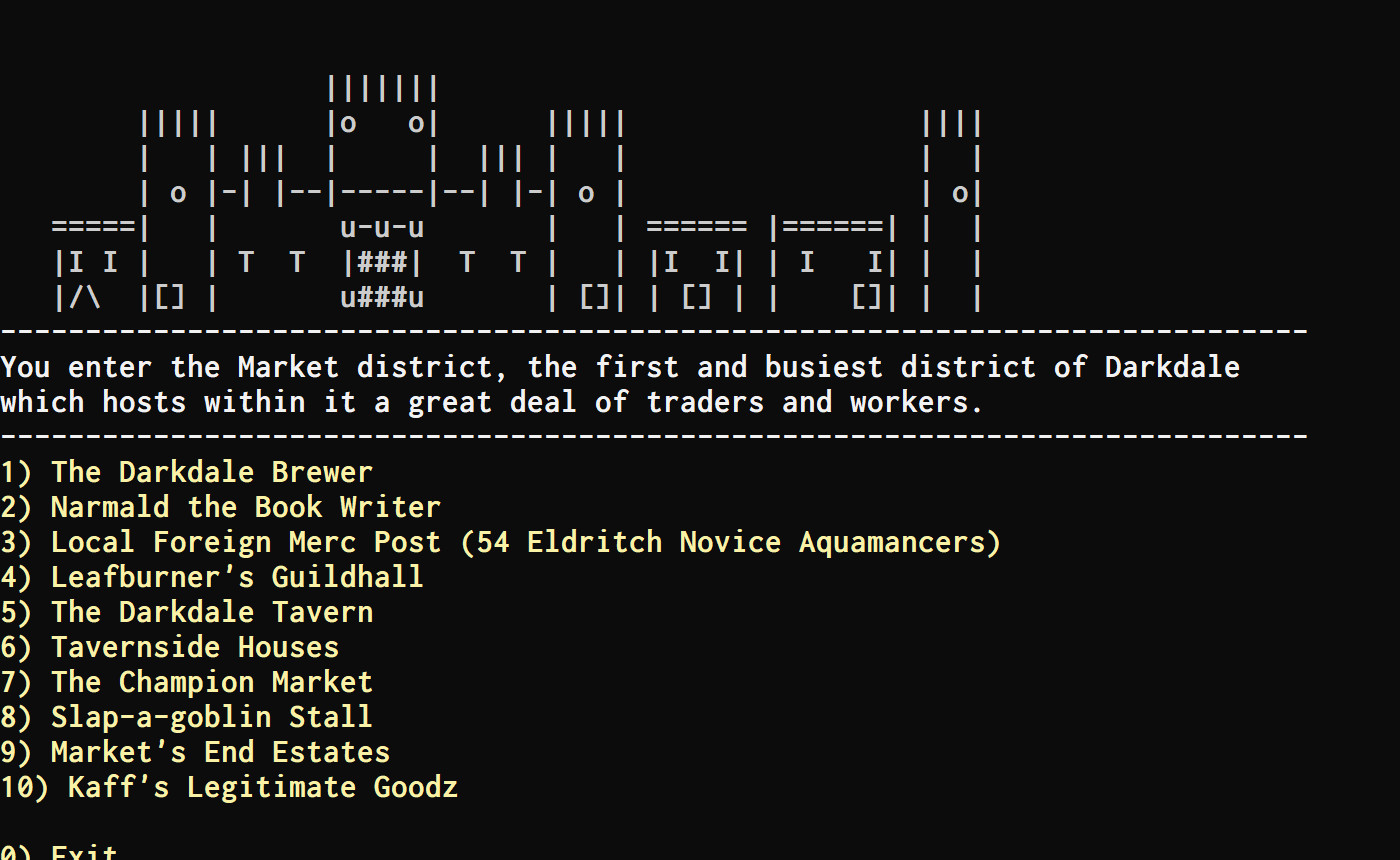
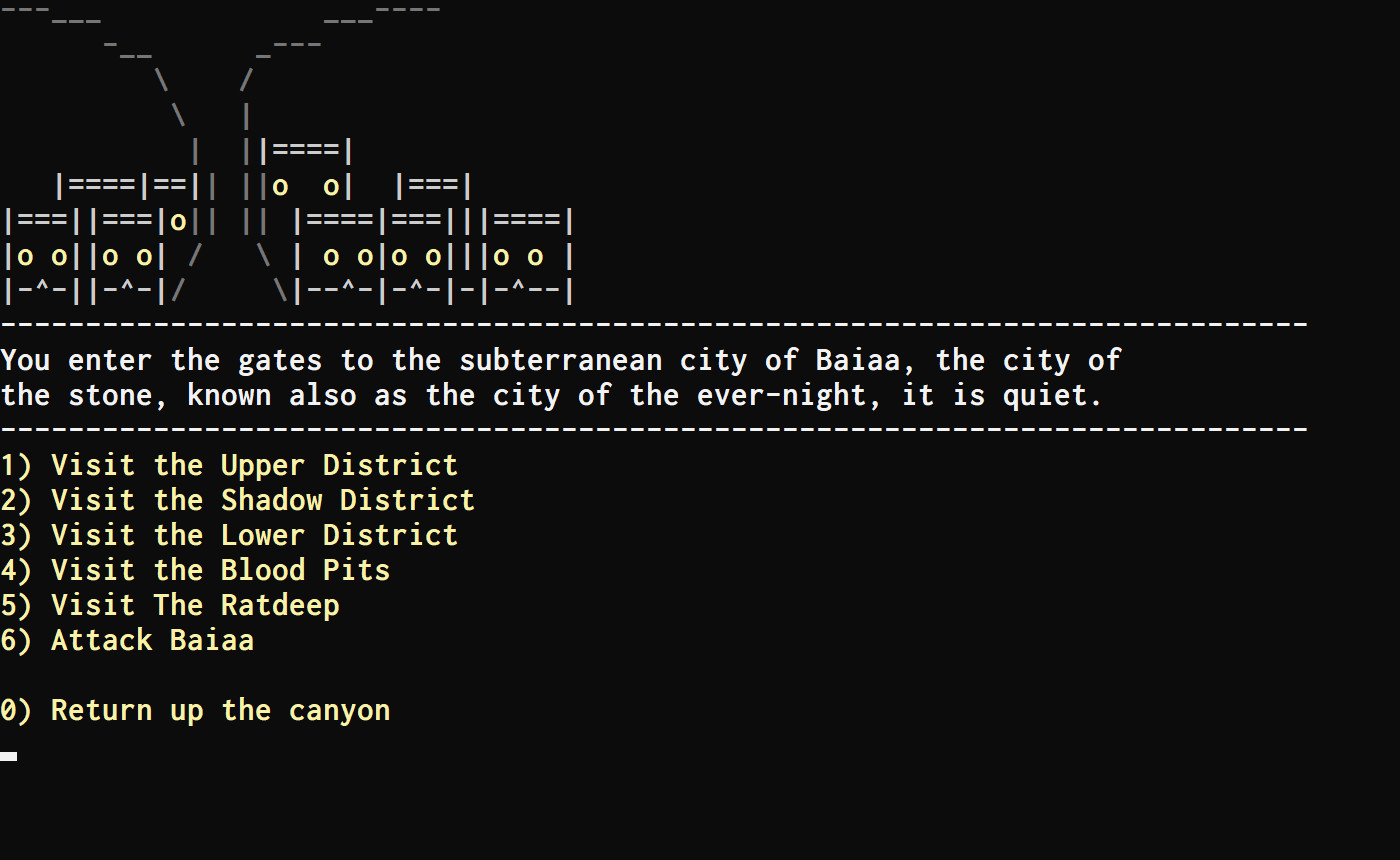
The arena A genuine income stream through entry fees and betting, a use for captured monsters, and a way to entertain your people. A strong multiplier once your economy and stability are solid, though not a substitute for them. Diplomacy & factions Trading, allying and scheming with the realm's many factions opens opportunities and reduces threats. Powerful and flexible, but most reliable once you have a stable base to negotiate from. Exploration Uncovering hidden cities, blackmarkets and opportunities across the generated map can pay off handsomely. Rewarding but variable, since what you find is generated — best pursued from a position of security.
C
Luxury & vanity spending Pouring gold into prestige and luxuries before your foundation is secure drains the treasury you need for armies and emergencies. Enjoyable later, but a poor early priority. Niche minigames & sidelines Taverns, gambling and assorted diversions add character and the occasional payout, but chasing them over core systems rarely builds a stronger realm. Treat them as flavour, not strategy.

Why the foundation pillars win

The reason economy and stability top this list is that everything in Warsim ultimately runs on them. Your armies, your upgrades, your ability to weather a bad event or a costly war — all of it is funded by gold and protected by the goodwill of your people. A ruler with a thriving treasury and a content realm can raise a force, fund the arena, pursue diplomacy or explore the map whenever the need or opportunity arises. A ruler without that foundation cannot do any of it for long, no matter how clever their plans. This is why the reliable path is always to secure your income and stability first, then add a sensible military, and only then lean into the higher-variance, higher-reward pillars.

The A-tier pillars — military deterrence and scouting — earn their place by protecting that foundation. They are not where realms are built, but they are what keeps realms from being torn down, and they cost little relative to the disasters they prevent. The B-tier pillars are genuine power, but power that compounds a strong base rather than creating one. Approached in that order, Warsim's systems reinforce each other; approached out of order, they tend to pull a young realm apart.

When in doubt, ask whether a decision strengthens your income or your stability. If it does, it is almost always a good early play. If it costs you either for an uncertain gain, be cautious — the realm that survives long enough to use the flashy systems is the one whose foundation never cracked.

The traps that sink realms

Finally, the mistakes. Three traps account for most early collapses in Warsim, and all of them come from chasing strength faster than your foundation can support. The first is over-taxing: it is tempting to crank rates up for an immediate gold boost, but the unrest it breeds can spiral into a revolt that costs far more than the extra income. The second is hoarding slaves without enough soldiers to keep order — slaves are cheap and boost harvests, but a large slave population without a standing force to police it is one of the most common causes of an uprising. The third is overextending: raising a huge army, funding it with painful taxes, and marching out before your economy can sustain the cost, leaving an empty treasury and an angry realm behind you.

Avoiding these is as valuable as any positive strategy. A ruler who keeps taxes moderate, balances slaves with soldiers, and expands only from a position of economic strength will see most of their realms survive the dangerous early hours and reach the point where Warsim's deeper systems truly open up. For the practical mechanics behind all this, see our economy guide, our throne room guide, and the beginner guide if you are just starting out.

The fastest way to lose a realm is to grow your ambitions faster than your economy. Over-taxing, unpoliced slaves and premature wars sink more new rulers than any enemy does. Keep your foundation solid and the rest of Aslona is yours to shape.
FAQ

FAQ

Prioritise your economy and your people's stability above everything else. A steady flow of gold from peasants working fields and mines, plus a sensible tax rate, funds every other ambition, and a content population keeps your realm from collapsing into rebellion behind you. Military comes next, as enough force to deter bandits and rivals. Only once that foundation is solid should you lean heavily into diplomacy, the arena or exploration, which multiply a strong base but cannot replace one.
No. Because Warsim generates millions of possible races, thousands of monsters and countless factions procedurally, ranking specific units or races would be misleading — what you face varies wildly from game to game. Instead this ranks strategic pillars and playstyles: the broad approaches like economy, military and diplomacy that hold their value across almost every realm. That keeps the advice accurate regardless of what your particular world generates.
Economy comes first. Your military depends entirely on gold, because troops cost upkeep and an army you cannot pay for becomes a liability that can bankrupt or destabilise you. A strong economy lets you raise and sustain whatever force you need, when you need it. That said, neglecting the military entirely is its own trap, since bandits and rivals will pick apart an undefended realm. The reliable order is economy and stability first, then enough military to stay safe.
The arena is a strong B-tier pillar: a genuine income stream through entry fees and betting, a place to use the monsters you capture, and a way to entertain your people. It is valuable, but it works best as a multiplier on a stable realm rather than your sole focus. Lean into it once your economy and stability are solid, when its gold and spectacle can accelerate a realm that is already standing on its own.
Three traps sink new rulers. First, over-taxing for a quick gold boost, which breeds unrest and revolt that cost far more than the extra income. Second, hoarding slaves without enough soldiers to keep order, a classic cause of uprisings. Third, overextending — raising a huge army and marching out before your economy can sustain it, leaving an empty treasury and an unhappy realm. Avoid these and most of your realms will survive long enough to thrive.

Our editorial policy is honest, no-spin reviews. We separate facts from opinion and back every rating with reasoning. View Editorial Policy

Related

Related Articles