Starting your first voyage
Approaching Infinity can feel overwhelming on your first launch. You are handed a starship, a small crew, a galaxy of procedurally generated sectors, and a long list of systems — classes, skills, factions, trade, crafting, two kinds of combat — with little hand-holding about where to begin. The good news is that the early game has a sensible order to learn things in, and once you grasp the basics the depth becomes exciting rather than intimidating. This guide walks you through your first hours: choosing a class, using adventure mode to learn safely, understanding ship travel and away missions, and surviving your first fights. Get those basics down and the galaxy's richer systems — factions, trade, endless progression — open up on a solid footing.
The single most important early decision is to play in a way that lets you learn without being punished for every mistake. Approaching Infinity is deep, and you will make mistakes; setting yourself up to survive and learn from them is what turns a daunting first run into an enjoyable one.
Approaching Infinity is turn-based, so nothing happens until you act. That means you can take your time, read your options, and learn the systems at your own pace. Even in combat there is no time pressure, so think before every move.
Your first priorities, step by step
The early game rewards a clear sequence: set up to learn safely, pick a fitting class, then master movement, exploration and combat before branching out. Follow these steps in your first runs and the galaxy stops being intimidating.
-
1
Turn on adventure mode
Before anything else, start in adventure mode. It turns the game's hardcore permadeath into a temporary setback, so a single mistake will not wipe your run. This is the biggest thing you can do to make learning Approaching Infinity enjoyable rather than frustrating.
-
2
Pick a class that fits you
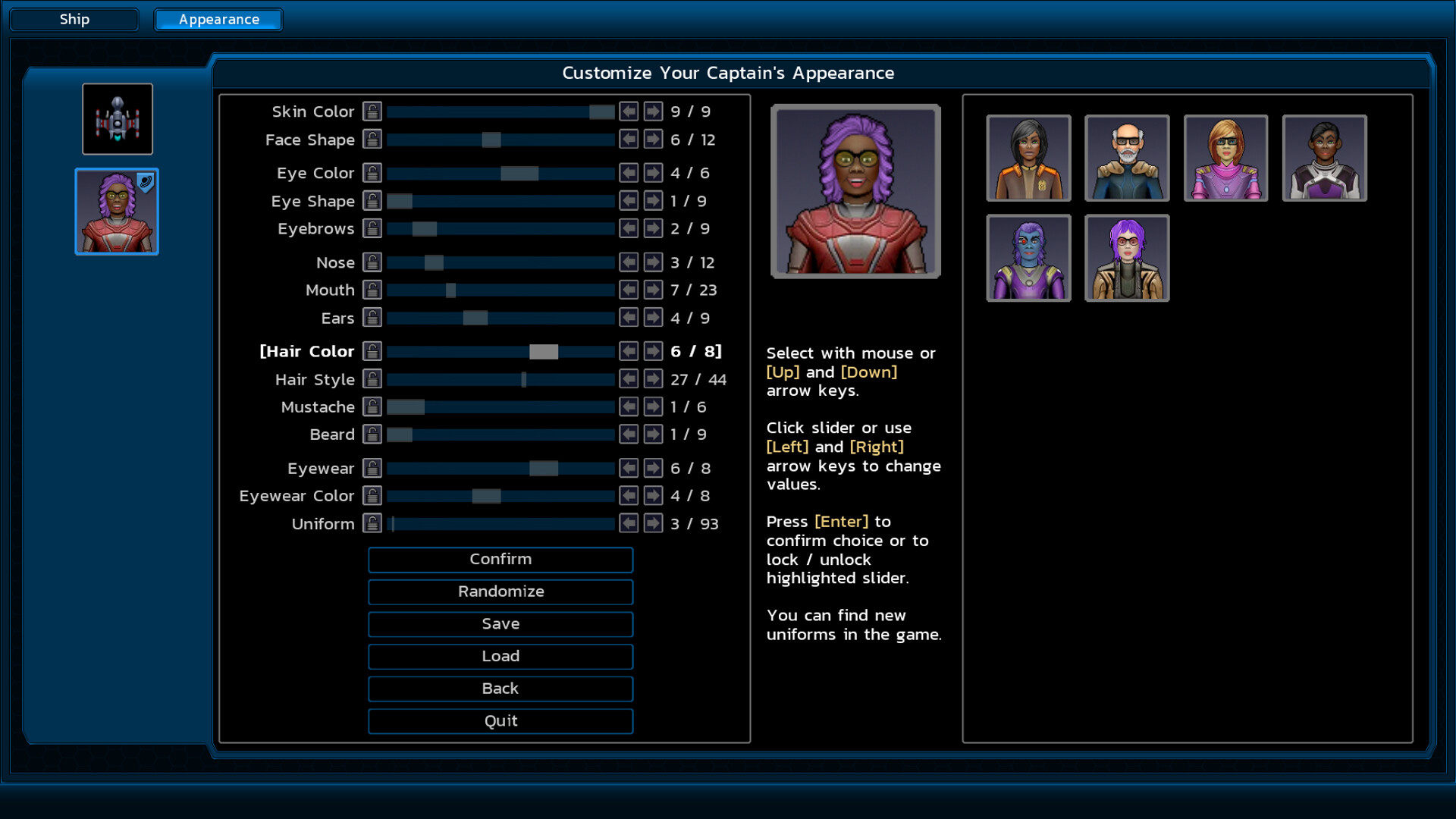
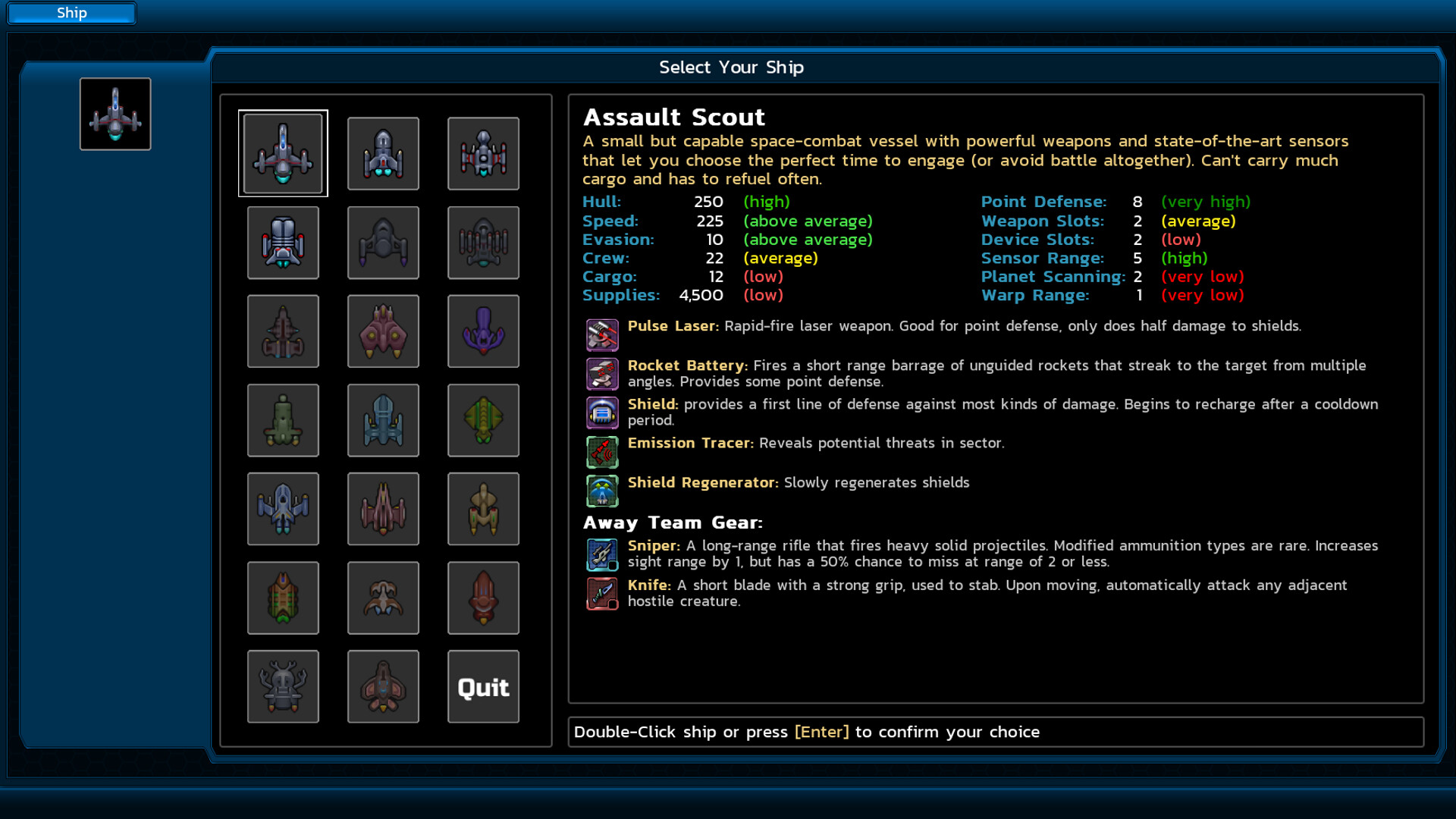
Choose a class that matches how you want to play, since each levels from different activities and grants its own ship and away-team skills. A combat-leaning class is a safe, straightforward start; a trade or exploration class rewards those playstyles. Match the class to what you actually want to do.
-
3
Learn to travel and survey
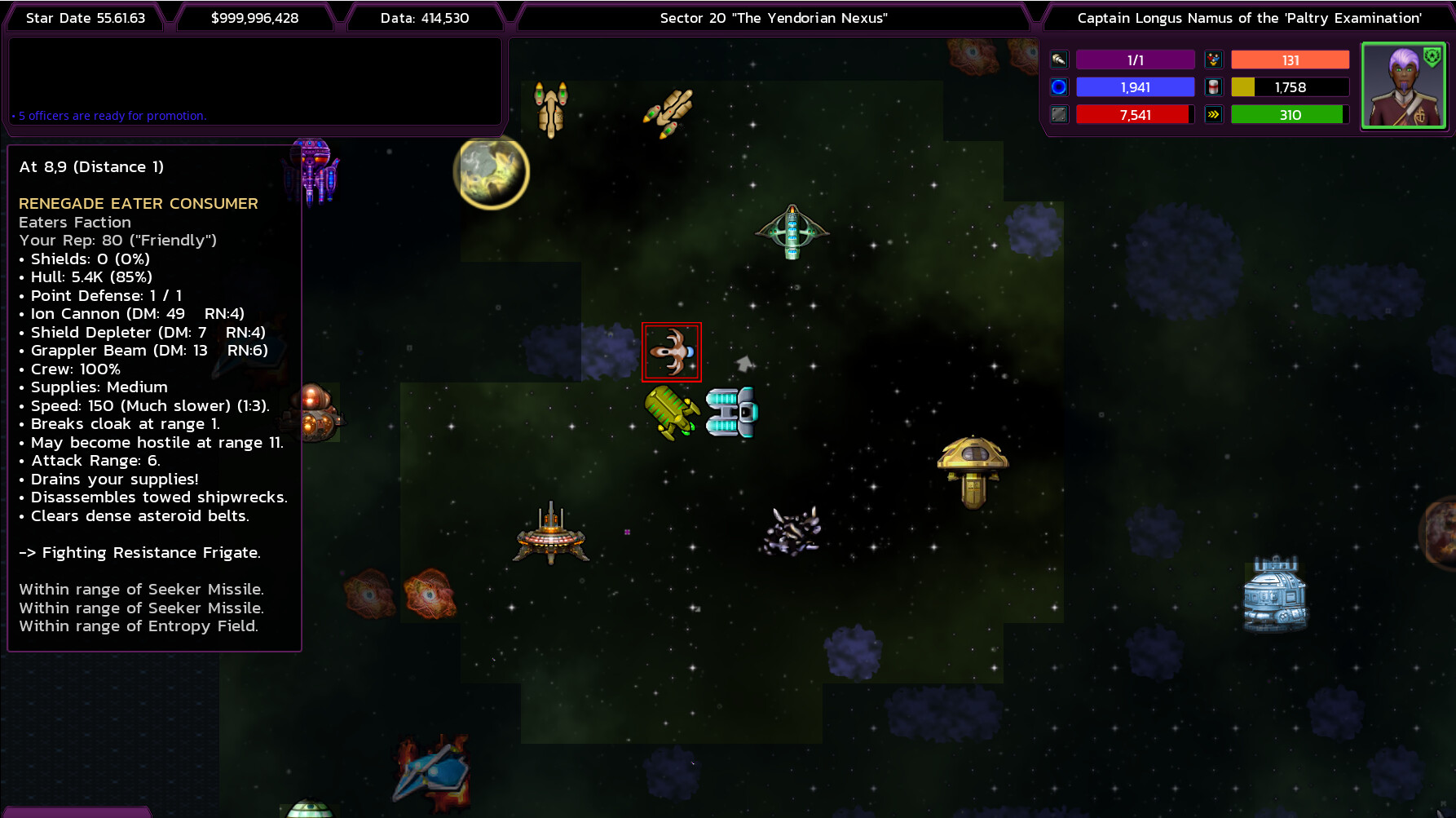
Get comfortable moving between sectors and surveying planets. Distance is abstracted, so the star map works like any other turn-based screen. Scan your surroundings, note opportunities, and decide where to point your ship before you commit.
-
4
Run a simple away mission
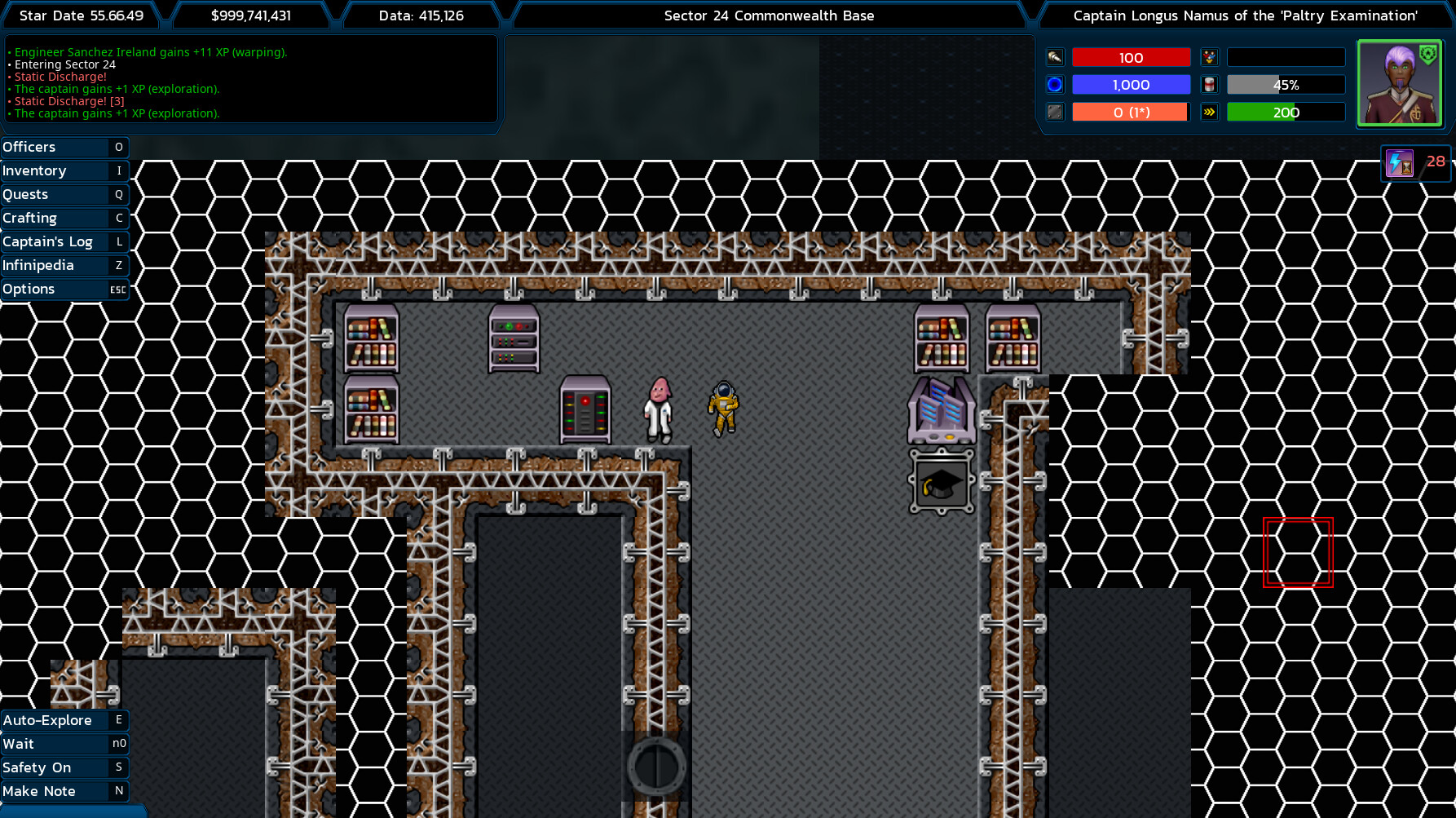
Beam an away team down to an easy planet or derelict to learn ground exploration. Watch for hazards like fire and decompression, keep your team together, and retreat if things get dangerous. Away missions are where much of the loot and risk live.
-
5
Fight cautiously, watch sensors
In both ship and ground combat, seeing the enemy first is everything. Lean on your sensors and vision to spot threats early, then choose to fight on your terms or flee. Do not charge blindly into encounters you have not scouted.
Understanding the core loop
Once you are moving and fighting with confidence, Approaching Infinity settles into a satisfying loop: explore sectors, find planets and derelicts worth investigating, beam down away teams to gather loot and complete objectives, fight or talk your way through what you meet, and use what you gain to upgrade your ship, crew and gear. The key early lesson is that the game's systems support many different playstyles, and you do not have to engage with all of them at once. You can lean into combat, trade, exploration, mining or diplomacy as suits you, and grow your captain and crew steadily through whatever activities you enjoy most. Because progression is effectively endless, there is no rush; steady, careful play beats reckless expansion.
A useful early habit is to focus on one new system per run. Spend one run mostly learning ship combat, another getting comfortable with away missions, another dipping into trade or a faction quest. Layering your understanding this way, rather than trying to master everything immediately, is how the game's depth becomes a pleasure instead of a wall.
Keep your crew alive. Your officers and away team are valuable, and losing them sets you back more than losing gear. Equip them well, do not send them into fights they cannot win, and retreat from away missions that turn dangerous. A surviving crew is a growing crew.
Growing beyond the basics
With adventure mode keeping you safe, a class that suits you, and a handle on travel, exploration and combat, you are ready to explore Approaching Infinity's deeper systems at your own pace. The galaxy's fourteen factions offer full quest lines you can cooperate with, oppose or ignore, and eight of them lead to their own victories — with a couple of hidden win conditions for the curious. Trade, mining, smuggling and crafting open up a whole economic layer you can build wealth and gear through. And the endless procedural progression means there is always a stronger ship, a better crew, and a deeper sector waiting. None of these are urgent in your first hours, which is exactly why learning the fundamentals first matters so much — it lets you engage with the rich stuff from a position of confidence.
From here, the galaxy is yours to shape. Whether you rise through a faction, master the markets, or simply push as far into the infinite as you can, the foundation is always the same: a captain who knows the basics and a crew that survives. For deeper strategy, see our classes tier list, our ship guide for mastering your vessel, and our away team guide for ground missions. If you are still deciding whether the game is for you, read our Approaching Infinity review.
Do not try to learn everything at once. Approaching Infinity has many systems, and cramming them all into your first run is the fastest way to get overwhelmed. Use adventure mode, focus on one system at a time, and let your understanding grow run by run.