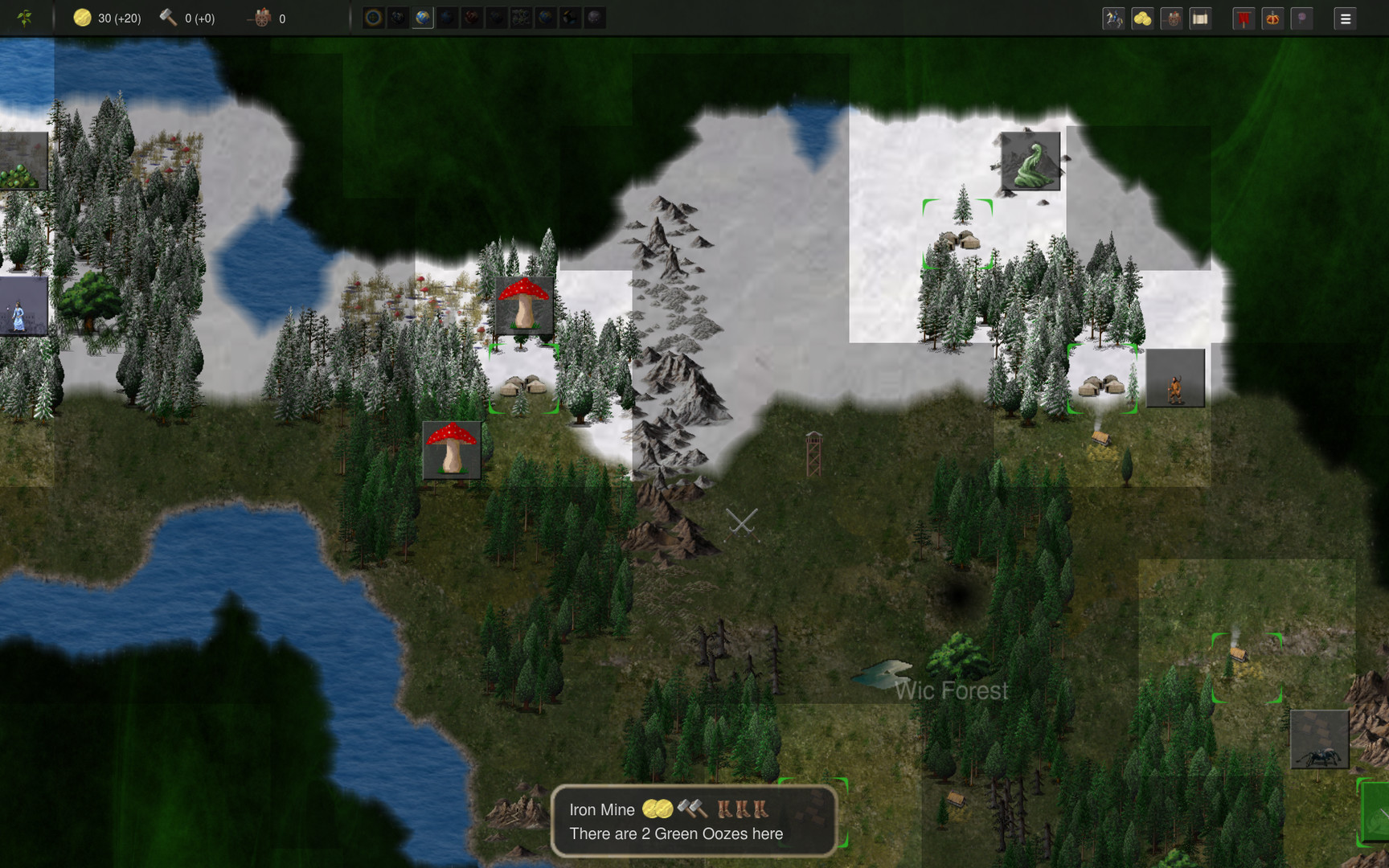
The engine of the game
Everything you do in Conquest of Elysium 5 runs on a single loop: gather resources, then spend them on rituals to summon your army. Master that loop and you build a strong force; neglect it and you stall. The elegant part is that the loop is the same for every class, but what you gather and what you summon differ wildly — a Necromancer collecting Hands of Glory to raise the dead plays nothing like a Baron drawing on his lands to recruit knights, or a Demonologist gathering what he needs to bind demons. So learning your class really means learning its particular resources and rituals, layered over this shared core. This guide goes deep on that engine: how resources are gathered, why your commanders are central, how rituals turn resources into forces, and how to run the whole thing efficiently so your economy powers the army that wins your games.
The mindset to hold is that your economy is your army. Every soldier, undead, demon or monster you field traces back to a resource you gathered and a ritual you performed, so the player who manages resources and rituals best fields the strongest force.
What to conquer depends entirely on your class. Because each class needs different resources, there is no universal "best" site to take — a Necromancer prizes places that yield Hands of Glory, another class wants something else entirely. Learn what your class gathers, then expand toward the locations that produce it.
Gathering: locations and commanders
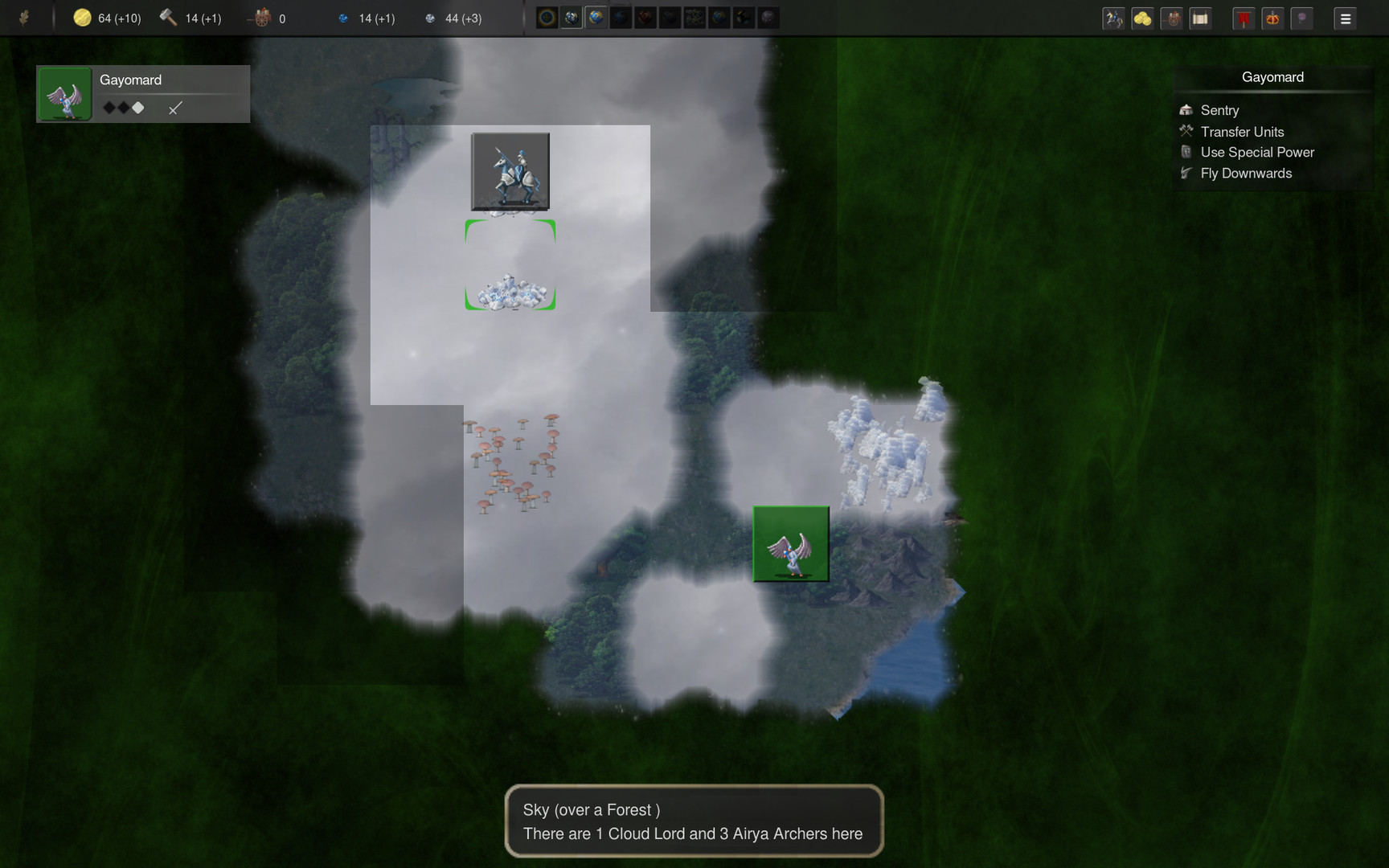
Resources come from the locations you conquer and the commanders who gather them, and both halves matter. The map is dotted with sites — villages, mines, ruins, magical places and more — and different sites produce different resources, so expanding your territory is really about claiming the locations that feed your class. The more good sites you control, the richer your resource income, and the more rituals you can afford. So the foundation of a strong economy is steady, purposeful expansion: explore outward, identify the sites that yield what your class needs, and conquer and hold them.
The crucial twist is that your commanders are your gatherers. Resources are collected by your leaders, which makes them precious in a way beyond their fighting value: if you lose all the commanders capable of gathering a particular resource, you can no longer gather it until you recruit another who can, although whatever you have already banked remains available. This has real strategic consequences. It means you should protect the commanders who feed your economy, avoid throwing your gatherers into reckless fights, and ideally not rely on a single leader for a vital resource. Treat your gathering commanders as the backbone of your economy, because losing them does not just cost you a battle — it can choke off your income.
Do not over-concentrate your gathering in one vulnerable commander. If a single leader is your only source of a key resource, a lucky enemy raid can cut off your supply. Where you can, spread gathering across several commanders and keep your most important gatherers safe, so no single loss cripples your economy.
Rituals, costs and the planes
With resources flowing in, rituals are how you turn them into power. Each class has its own set of rituals that spend its resources to summon units, recruit forces, create effects or unlock options, and performing them is the main way you build your army. Learning your class's rituals — what each costs, what it produces, and which are most important — is central to playing the class well, because your choice of which rituals to prioritise shapes the force you field. Spend your resources on the rituals that build toward a strong army and the options your strategy needs, rather than scattering them. A well-chosen sequence of rituals turns a steady resource income into a growing, capable force.
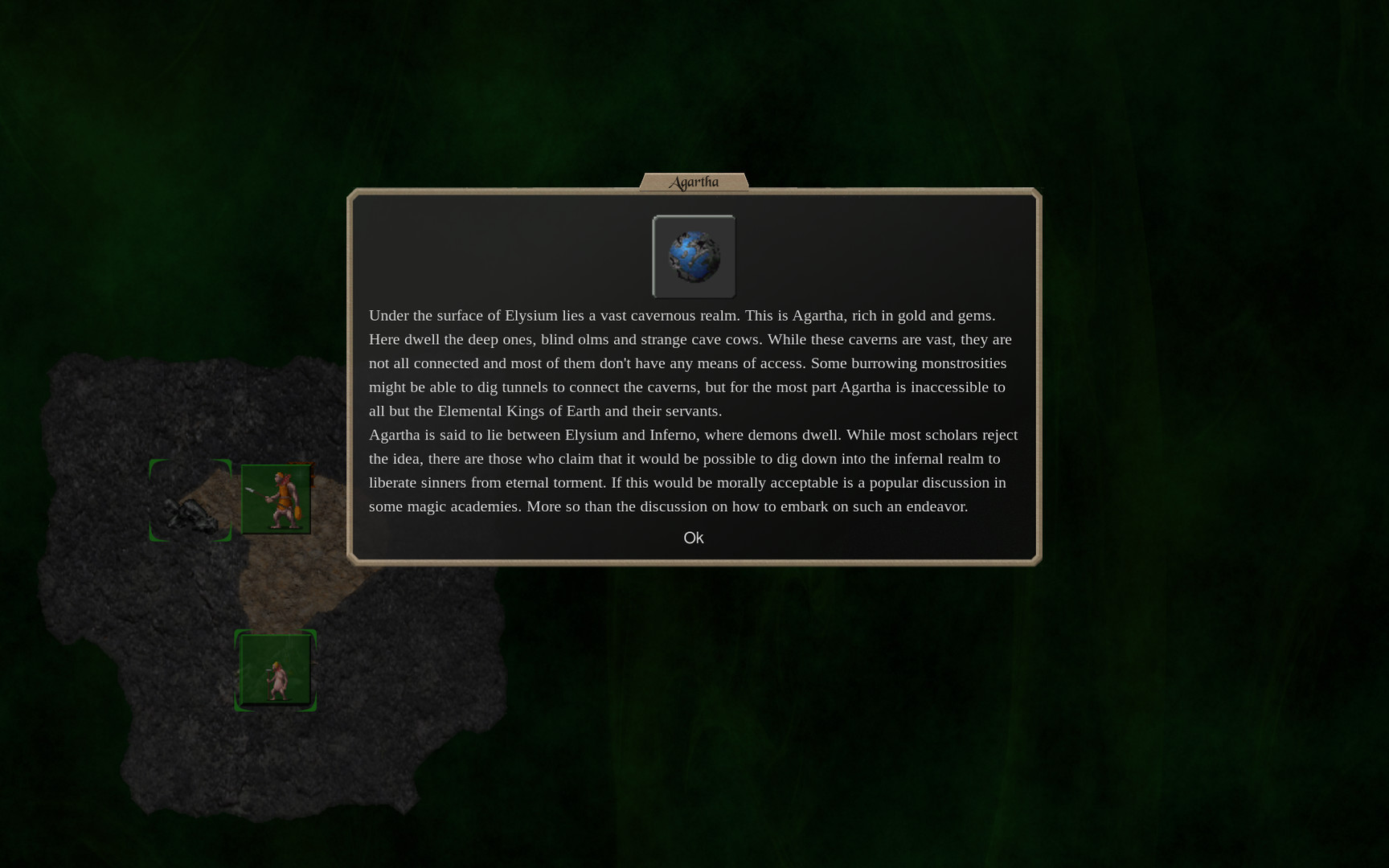
Two further wrinkles deepen the system. First, some rituals have a variable cost: rather than a fixed price, you can choose to spend more or fewer resources, which raises or lowers the ritual's chance of success. This lets you back an important ritual heavily when you can afford to, improving its odds, or economise when resources are tight at the risk of failure — a small gambling element that rewards judging when a ritual is worth the investment. Second, the game's ten planes of existence each hold their own locations, resources and dangers, so travelling beyond the mortal world can open new resource sites and powerful opportunities, at the cost of facing new threats. Some classes are tied closely to particular planes. Exploring the planes carefully can significantly expand your economy and options, but the other realms are often more dangerous than home.
| Element | What it does | How to use it |
|---|---|---|
| Locations | Produce class-specific resources | Conquer the sites your class needs |
| Commanders | Gather your resources | Protect them; spread gathering |
| Rituals | Spend resources to summon and act | Prioritise the ones that build your army |
| Planes | Hold their own resources and dangers | Explore carefully for more income |
Running the loop well
Bring it together and managing resources in Conquest of Elysium 5 becomes a clear discipline. Expand steadily to conquer the locations that produce your class's resources, keeping the commanders who gather them protected and your income spread so no single loss cripples you. Spend that income deliberately on the rituals that build your army and serve your strategy, using variable costs to back important rituals when you can afford to and to economise when you cannot. And when you are ready, push carefully into the other planes for the additional resources and opportunities they hold, weighing their dangers. Done well, this loop produces a steadily growing force that overwhelms the game's opponents; done poorly — over-extended, with gatherers lost and resources wasted on the wrong rituals — it stalls, and a stalled economy means a weak army.
The throughline is that your economy is the foundation of everything. A player who gathers efficiently, protects their income, and spends their resources on the right rituals will field a stronger force than one who simply fights well, because in Conquest of Elysium 5 the army is the output of the economy. To turn that army into victories on the map, see our combat guide; to pick a class whose economy suits you, the classes tier list; and if you are just starting, the beginner guide covers the basics.
Do not let your economy stall. It is easy to focus on fighting and forget that your army comes entirely from gathered resources and performed rituals. If you stop expanding, lose your gatherers, or waste resources, your force stops growing and you fall behind. Keep conquering resource sites, protect your gatherers, and keep performing rituals — a healthy economy is what keeps your army growing.