Start with the Baron
The first decision in Conquest of Elysium 5 is your class, and for a new player the choice should be easy: start with the Baron. The game offers over twenty classes, each playing completely differently with its own resources, rituals and summoned armies, and while that variety is the heart of the game's appeal, it is overwhelming for a beginner. The Baron sidesteps all of that. He fields straightforward human soldiers, knights and siege engines, with no exotic resource economy or strange summoning system to master, which makes him by far the most beginner-friendly class and the perfect way to learn the fundamentals. Playing the Baron, you can focus on the core loop — exploring, conquering sites and fighting — without also having to decode an unusual class mechanic. Once that loop feels natural, the weirder, more powerful classes like the Necromancer or Demonologist will make far more sense.
So resist the temptation to jump straight into a flashy summoning class. Learn the game's bones with the Baron first, and you will pick up everything else far faster.
Do not worry about learning every class at once. Conquest of Elysium 5's huge variety of classes is its long-term appeal, not a first-game requirement. Master the core explore-gather-summon loop with the Baron, and each new class becomes a fun puzzle rather than a wall.
Explore, conquer and gather
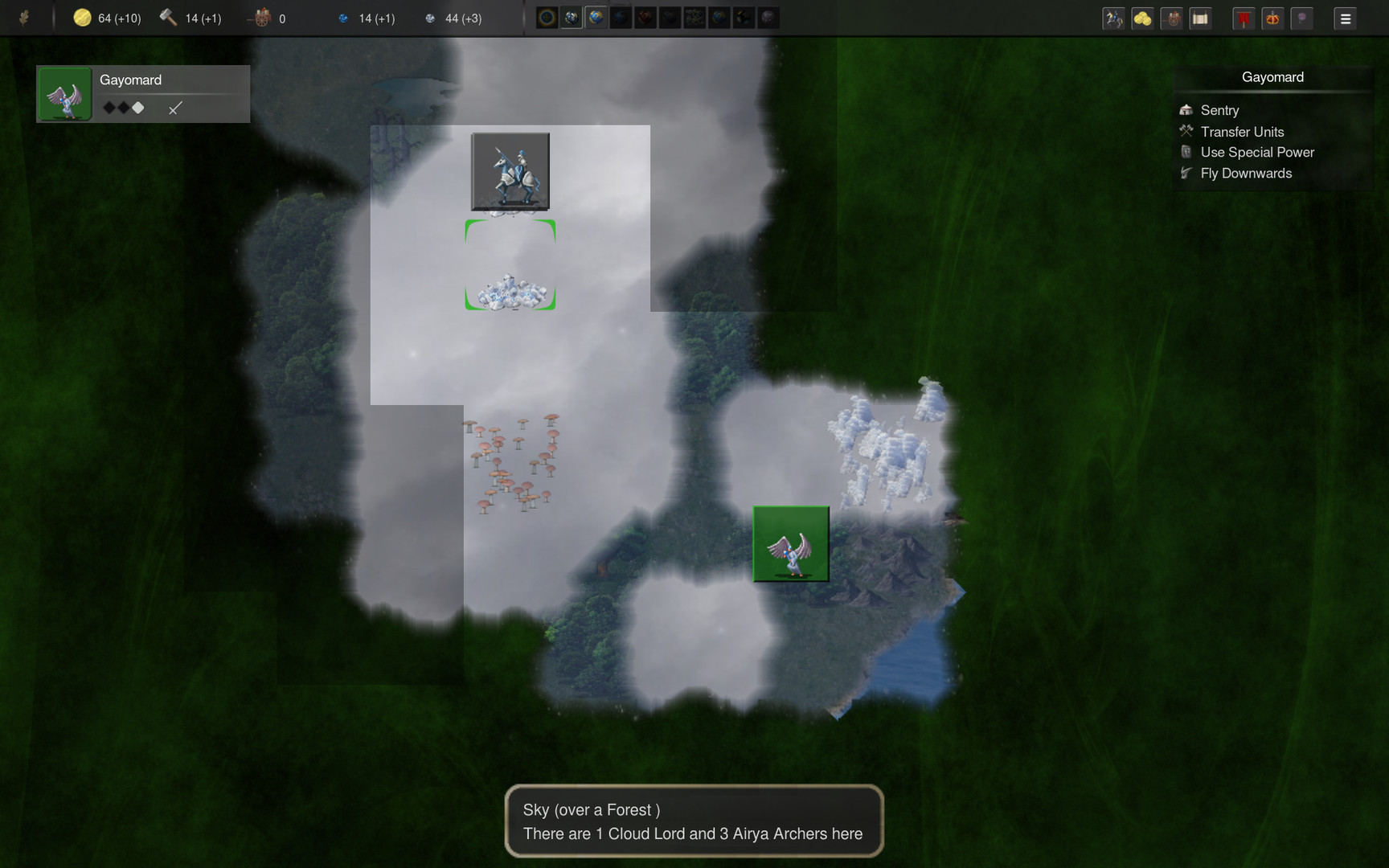
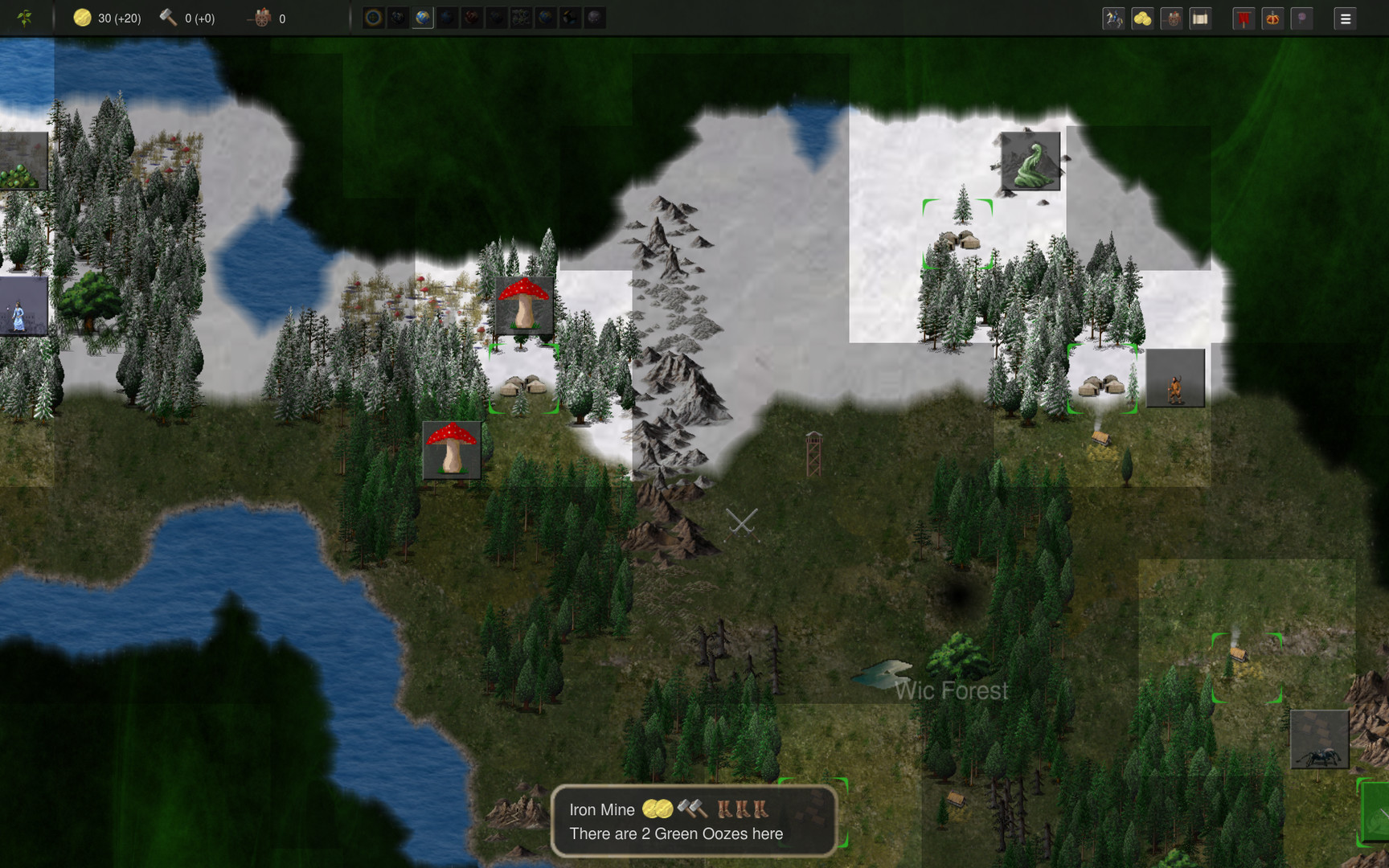
Once your game begins, your engine of growth is exploration and conquest. You start with a home citadel and a few commanders, and your task is to send those commanders out across the procedurally generated map to conquer independent locations. These sites — villages, mines, ruins, magical places and more — are what produce resources, and gathering resources is what fuels everything else you do. Crucially, it is your commanders who gather, so expansion is a matter of pushing your leaders out to take and hold valuable sites. The more good locations you control, the more resources flow in, and the stronger you can become. Explore outward steadily, claiming the sites that feed your class, while keeping an eye on the dangers — wild monsters and rival rulers — that share the map.
One important detail: because commanders are your gatherers, protecting them matters. If you lose all the commanders who can gather a particular resource, you stop gathering it until you recruit another who can, so do not throw your gatherers recklessly into danger. Expansion is about taking ground and holding it with leaders you keep alive, not just rushing forward.
Scout before you commit. The map hides both rich resource sites and dangerous monsters, so send commanders to explore and reveal what is around you before pushing your main forces in. Knowing where the good sites and the threats are lets you expand toward reward and away from a fight you cannot win yet.
Summon your army and guard your base
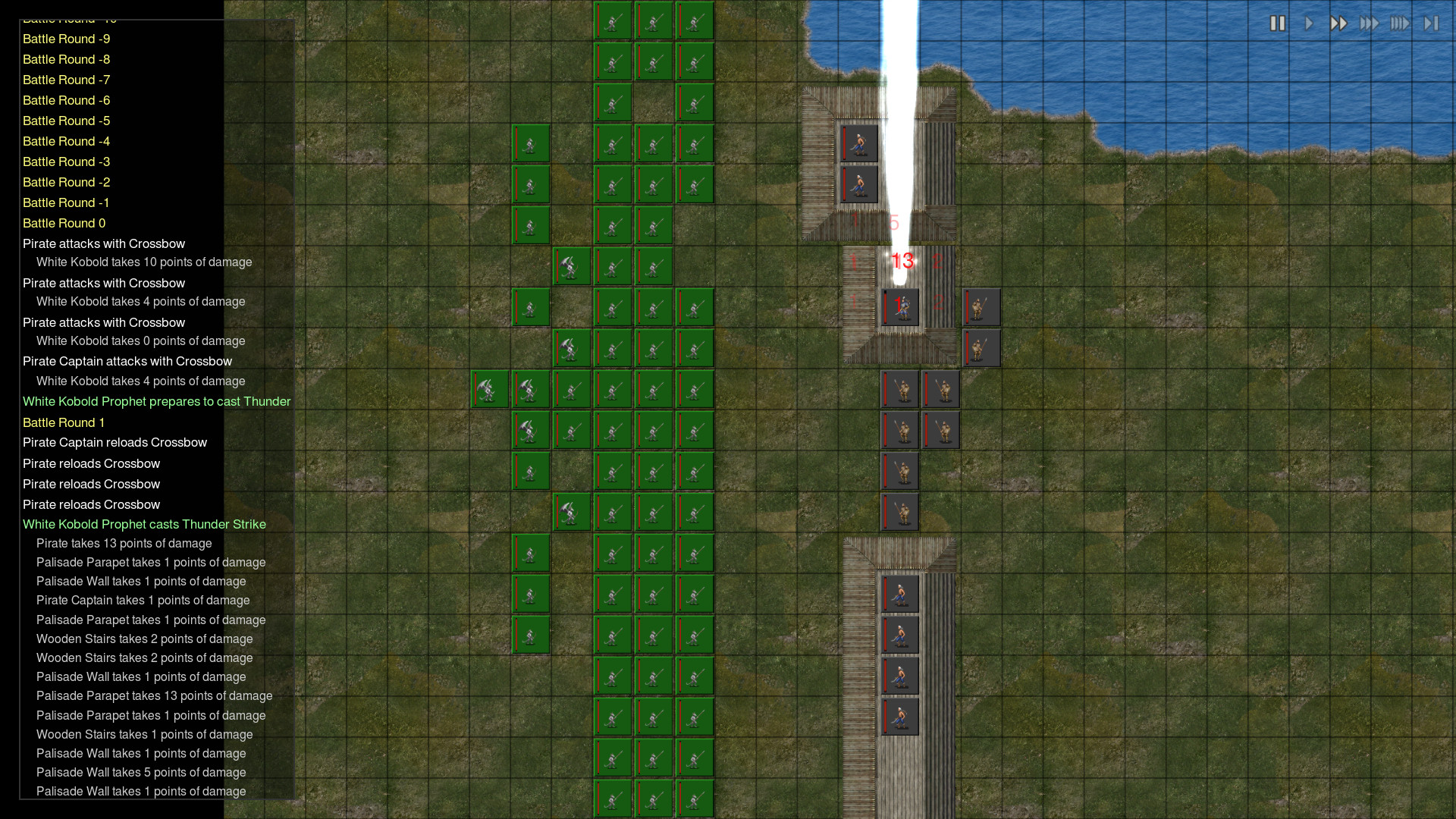
With resources flowing in, the other half of the loop is rituals. Rituals are how you spend your resources to summon and recruit your army — and for the Baron, to raise human troops, knights and siege engines, while other classes summon undead, demons and stranger things. This gather-then-summon cycle is the beating heart of Conquest of Elysium 5: conquer sites for resources, perform rituals to build your forces, use those forces to conquer more sites, and so on. Learn what your class's rituals do and keep performing them to grow a steadily stronger army. When your forces meet an enemy, combat resolves automatically based on your units and their positioning, so your job is to bring the right army to the right fight rather than to control the battle directly.
The one rule you must never forget is that you can lose instantly. You are eliminated the moment you lose all your home citadels or all your commanders, so protecting your base is paramount. If you have only one citadel, guard it properly — an undefended home that a raiding enemy stumbles into can end your game in a single turn, no matter how well your expansion is going. Balance your aggressive exploration with a defended home, and you will not be caught out.
| Priority | Do this | Why it matters |
|---|---|---|
| Class | Start as the Baron | Simplest class to learn the loop |
| Explore | Conquer resource sites with commanders | Sites and gatherers fuel everything |
| Summon | Spend resources on rituals | Rituals build your army |
| Defend | Guard your citadel and commanders | Losing them ends the game instantly |
Survive and win your first game
Put it together and your first game has a clear shape: pick the Baron, explore outward to conquer resource sites, gather steadily, spend your resources on rituals to summon an army, expand by taking and holding more ground, and always keep your home citadel and key commanders defended. You will probably lose a few early games — the game has a roguelike streak, and a wandering monster or aggressive rival can punish a mistake — but games are short, so each loss teaches you the systems and you are quickly back in. The goal of your first game is not to win flawlessly but to internalise the explore-gather-summon loop and the deadly importance of protecting your base. Once those are second nature, the game opens up.
Survive and win a game or two as the Baron, and Conquest of Elysium 5's real joy unlocks: the freedom to try its other twenty-odd classes, each a fresh strategic puzzle. When you are ready, our classes tier list helps you choose your next class, the resources guide goes deep on gathering and rituals, and the combat guide covers building and positioning your armies. If you want Illwinter's deeper, slower game next, see Dominions 6.
Never leave your home citadel undefended. The most painful beginner loss is expanding aggressively while a raider slips past and destroys your unguarded base, ending the game instantly. However well your conquest is going, always keep enough force at home to protect your citadel and commanders — a strong offence cannot save you from a lost capital.