What decides a battle — in order
Conquest of Elysium 5 resolves combat automatically, which means every decision you get to make happens before the fight. If you keep losing armies, the causes are these, in order.
| Order | What decides it | Why it is this high | What to do |
|---|---|---|---|
| 1 | **What you brought** | You cannot micromanage a battle here, so composition is close to the whole game. An army that is the wrong shape for the enemy loses before the first round resolves. | Build a mixed force rather than stacking one unit type, and scout what you are walking into. |
| 2 | **Where your units stand** | Placement determines who takes the hits and who survives to keep hitting. | Put your durable units where the enemy reaches first and keep fragile ranged and casters behind them. |
| 3 | **Whether your commander survives** | Commanders carry the army. Losing one costs you far more than the units around it. | Keep them out of the front rank, and do not gamble them for a marginal fight. |
| 4 | **Whether you needed the fight at all** | The cheapest battle is the one you skipped. Expansion that outruns your ability to defend is the most common way runs end. | Expand at the pace you can garrison, and protect the base that produces everything. |
Battles are won before they start
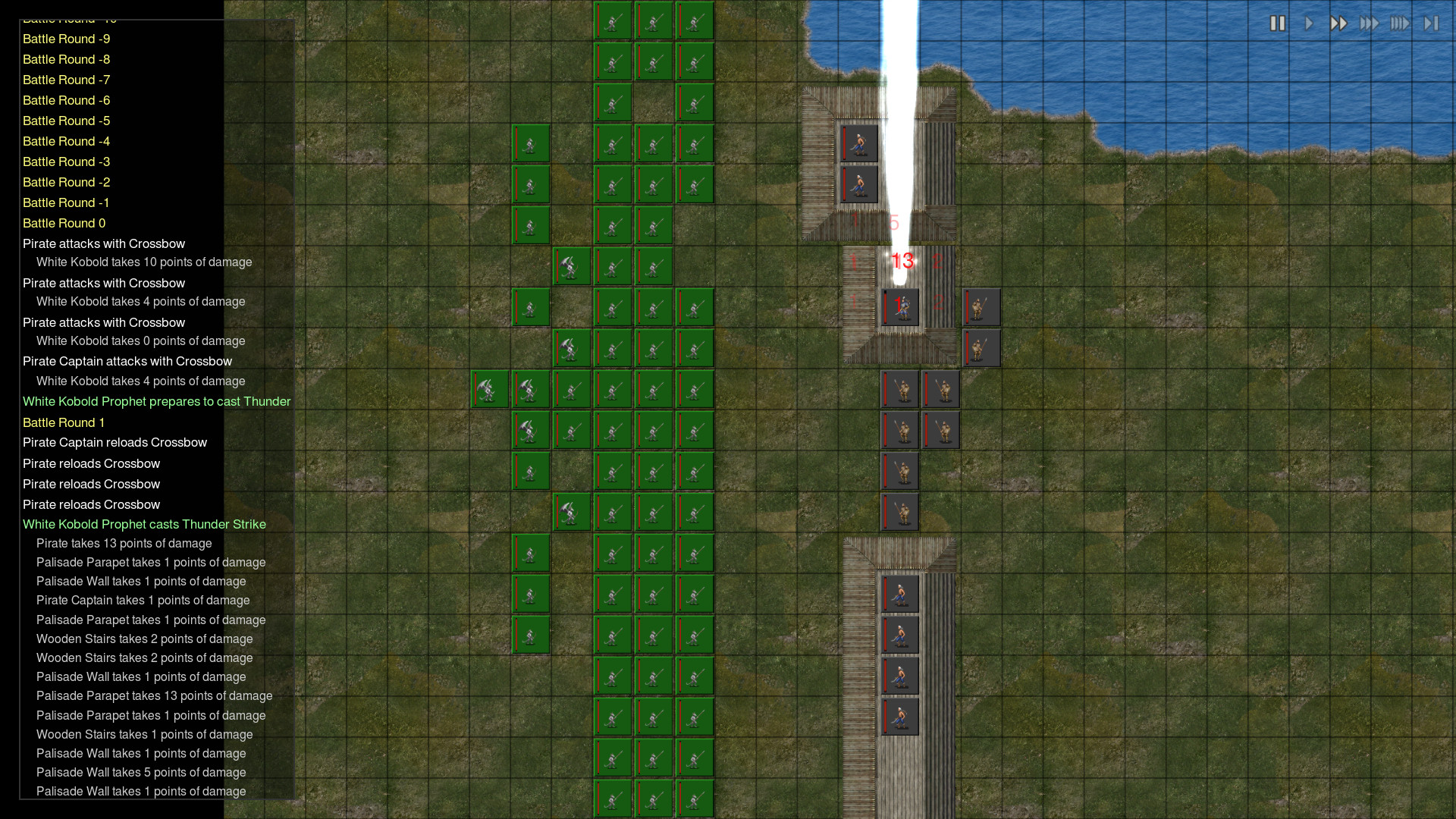
The most important thing to understand about combat in Conquest of Elysium 5 is that you do not fight battles directly — they are resolved automatically. When your army meets an enemy, the fight plays out on its own based on the units present, their positioning and their abilities, without you controlling it turn by turn. This means your influence over a battle happens entirely beforehand, in three decisions: what army you bring, how you arrange it, and whether you choose to fight at all. Winning, therefore, is about preparation and judgement rather than reflexes or micromanagement. A player who builds a balanced force, positions it sensibly, and picks fights where they hold the advantage will win consistently, while one who throws units together and marches into any fight will lose armies they did not need to. This guide covers those pre-battle decisions, plus the expansion and defence that surround them.
The mindset to carry is that the battle is the verdict on choices you already made. By the time two armies clash, the outcome is largely set by your composition, your positioning and your decision to be there — so put your thinking into those, and let the resolution confirm it.
Because combat auto-resolves, your army composition and positioning are your real tactical tools. Build a balanced force and arrange it sensibly before a fight, and check how battles play out so you learn what works — then adjust the army you bring next time.
Composition, positioning and commanders
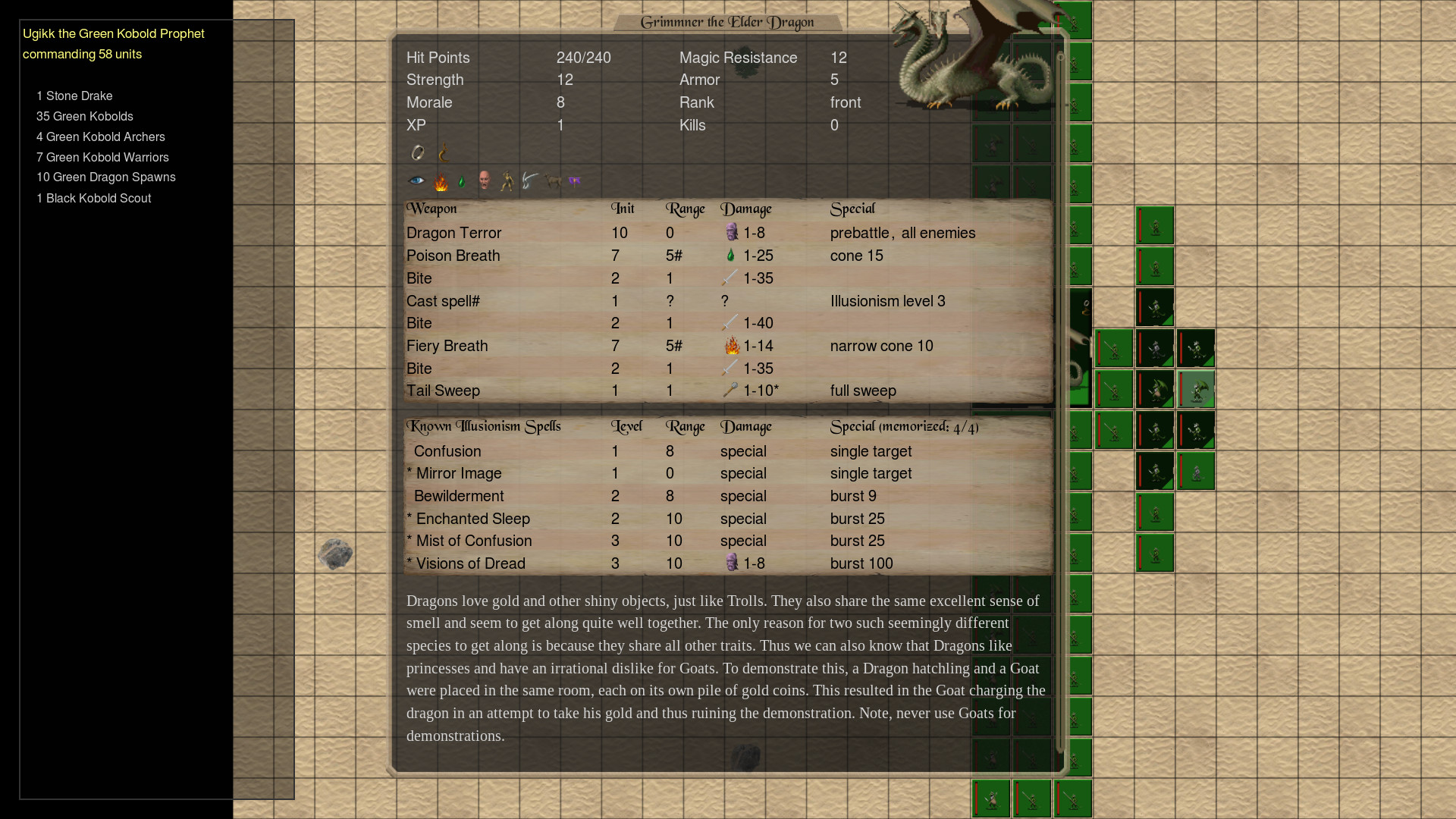
Winning auto-resolved battles comes down to two things you control: what is in your army and how it is arranged. Composition is the foundation. A strong force is usually a balanced one — a solid front line of durable units to hold the enemy, supported by ranged attackers, magic, or special units behind them, and led by capable commanders. An army that is all fragile attackers crumbles when it is hit; one that is all slow front-liners cannot deal with ranged or magical threats. So build forces that cover the bases your class provides, using its summoned units and recruits to create a line that can both take and deal punishment. Positioning is the second lever: how your units are placed affects how the battle unfolds, so arrange your front line, support and commanders sensibly rather than leaving placement to chance. A balanced army, well arranged, will beat a nominally stronger one that is carelessly thrown together.
Commanders deserve special attention, because they do double duty. They lead your armies and often bring powerful abilities or magic that can swing a battle, and they are also your resource gatherers, so they are central to both your military and your economy. This makes them valuable and vulnerable at once: a strong commander can carry a fight, but losing one hurts twice, weakening your army and potentially cutting off resource gathering, and losing all your commanders ends the game. So use your commanders to lead and bolster your forces, but keep your important ones — especially gatherers and powerful spellcasters — out of fights they might not survive. Protecting your leaders is as much a part of winning as building your army.
Build a front line first. Whatever your class, an army needs durable units at the front to absorb the enemy and protect your fragile attackers, casters and commanders behind them. A force with no front line gets its valuable units killed quickly, so make sure something tough is standing between the enemy and the units you care about.
Expanding safely and protecting your base
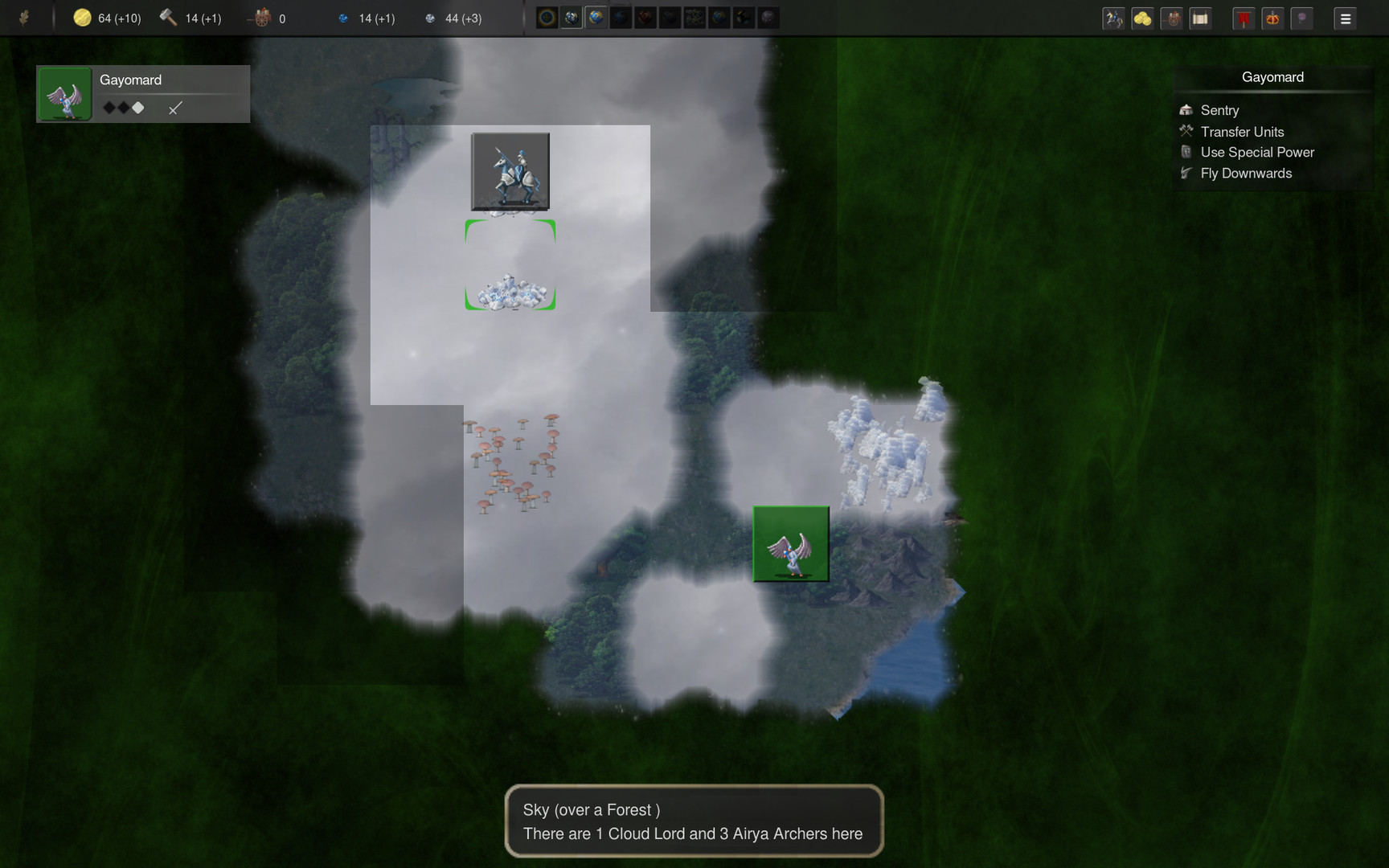
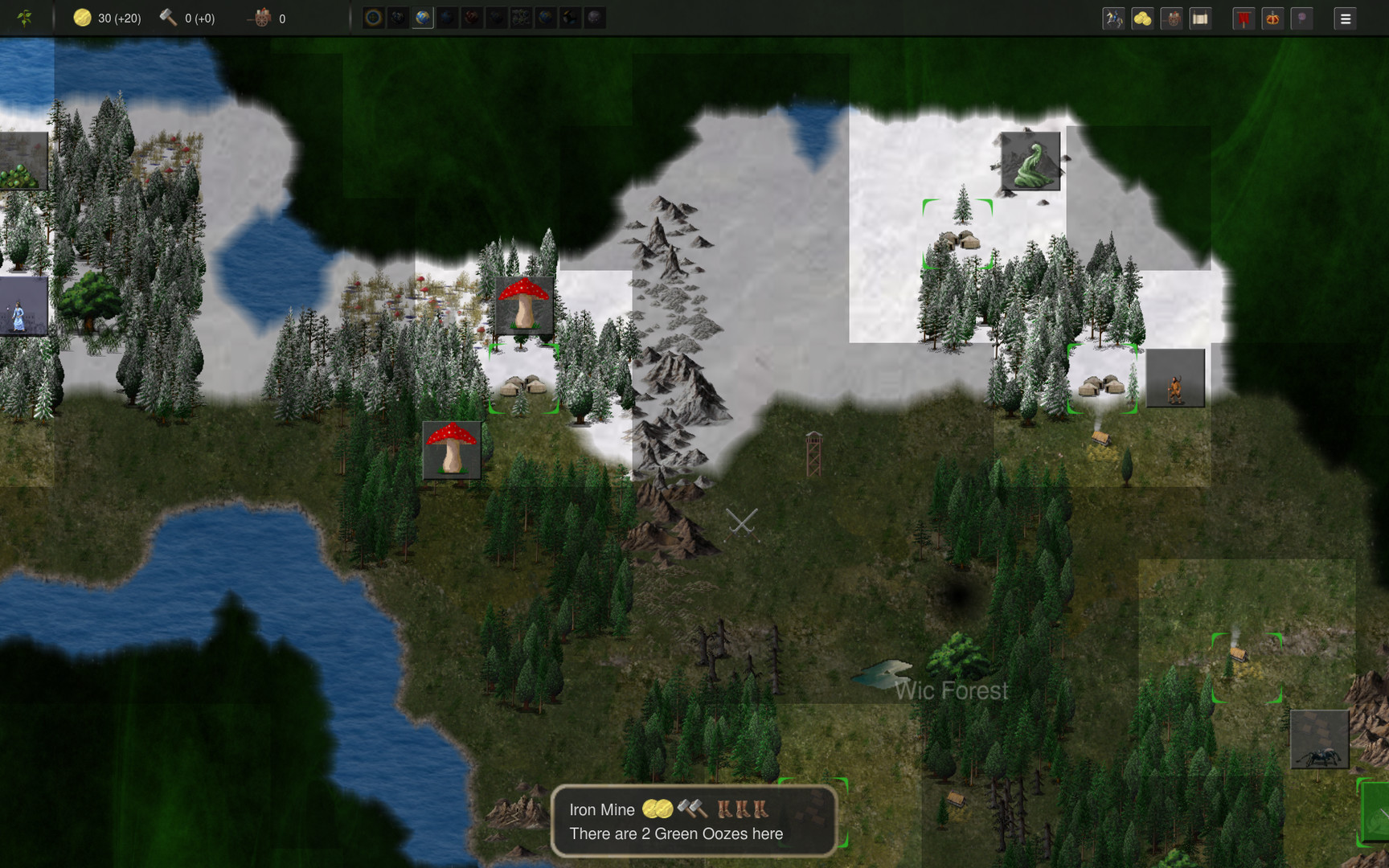
Combat in Conquest of Elysium 5 happens in the wider context of expansion, and how you expand decides which fights you face. The map is full of opportunity — resource sites to conquer — but also danger, in the form of wandering monsters and rival rulers, some of which can destroy an unprepared army. The key skill is to scout before you commit. Send commanders to explore and reveal what surrounds you, so you know where the safe, rewarding sites are and where the threats lurk, then expand toward the fights you can win and build up your army before tackling the dangerous ones. Reckless expansion — marching your main force blindly into the unknown — gets armies and gatherers killed; careful, informed expansion grows your empire steadily while keeping your forces intact. Take the locations you can hold, strengthen your army through your rituals, and tackle harder sites only when you are ready.
Above all, never forget the rule that you can lose instantly. You are eliminated the moment you lose all your home citadels or all your commanders, so protecting your base is the single most important thing you do. However aggressively you expand, always keep a defending force at home, especially if you have only one citadel, because a raiding enemy or a wandering monster that reaches an undefended base can end your game in a single turn, no matter how well your conquest is going. Balance offence with a guarded home, keep your commanders alive, and you will never be caught out by a sudden, game-ending strike.
| Decision | How to handle it | Why it matters |
|---|---|---|
| Composition | Build a balanced, layered army | Auto-resolve rewards good armies |
| Positioning | Arrange front line and support | Placement shapes the battle |
| Expansion | Scout, then take fights you can win | Avoids losing armies needlessly |
| Defence | Always guard citadel and commanders | Losing them ends the game instantly |
Bringing it together
A winning game of Conquest of Elysium 5 ties combat, expansion and defence into one approach. You build balanced armies from your class's units and arrange them sensibly, knowing the battle will resolve on the strength of those choices. You expand carefully, scouting before you commit and picking fights where your army has the edge, growing your empire without feeding your forces into hopeless battles. You use your commanders to lead and strengthen your armies while keeping the important ones safe, since they are both your fighting and your gathering power. And you never leave your home undefended, because the game can end in an instant if your citadel or your last commanders fall. None of these is complicated, but together they turn the game's automatic battles into consistent victories and keep a sudden disaster from undoing your progress. To build the economy and army that win these fights, see our resources guide and classes tier list; if you are new, start with the beginner guide.
Do not march your whole army into the unknown. Because monsters and rivals can outmatch an unprepared force, blindly pushing your main army into unexplored territory can lose it in a single battle. Scout with commanders first, learn what is out there, and commit your army only to fights you have reason to think you can win.