Combat is a skill, not a dice roll
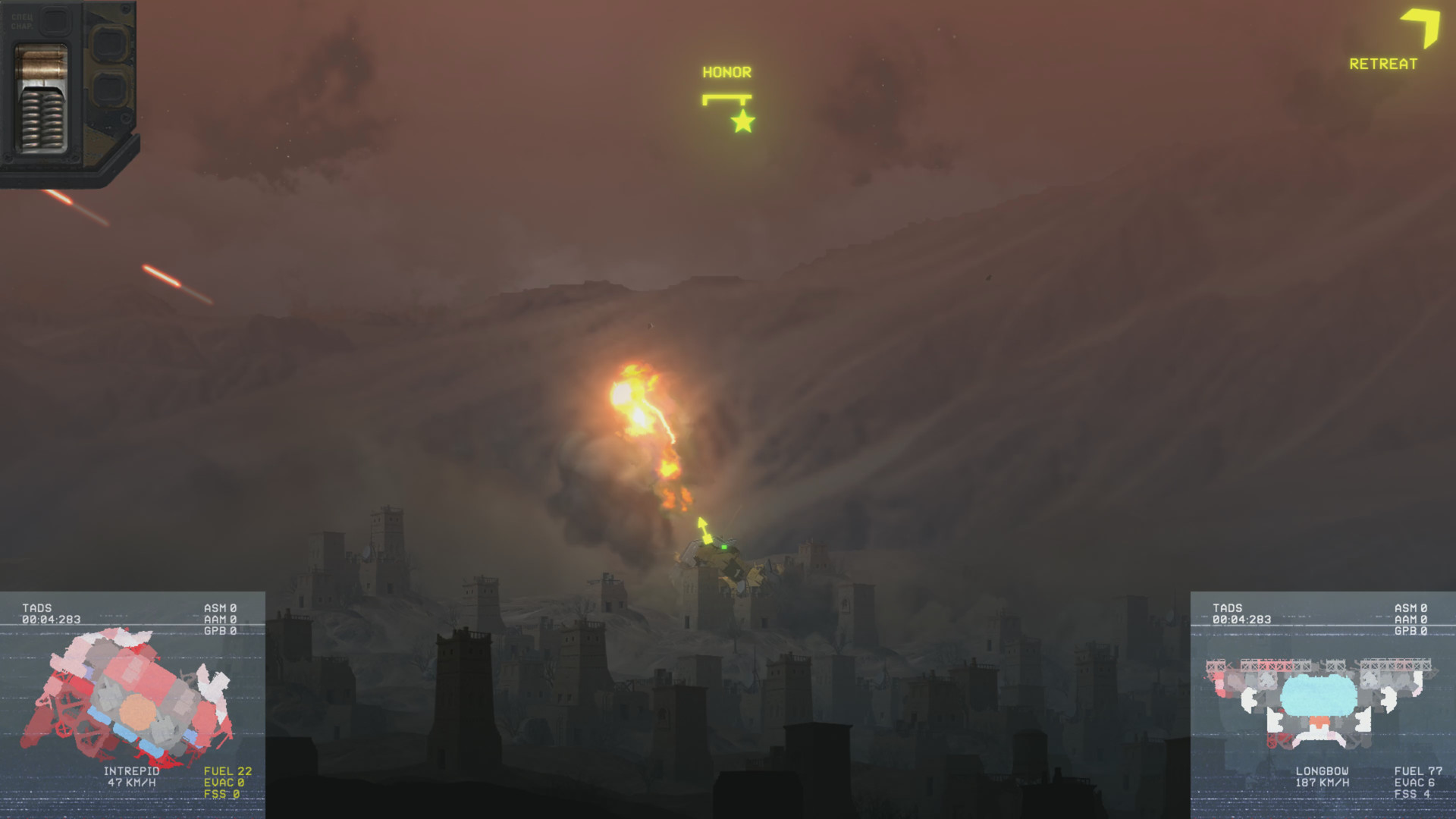
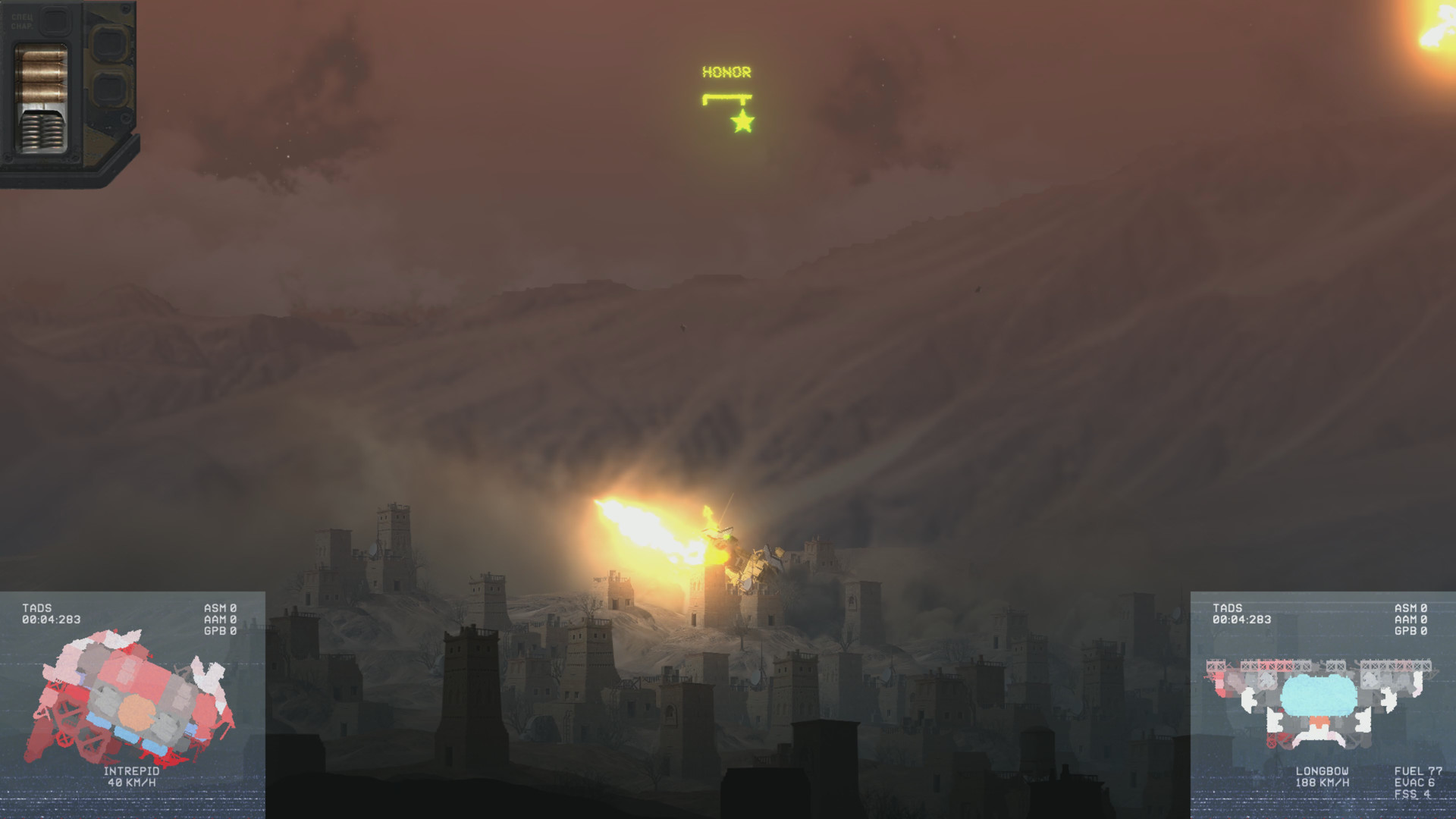
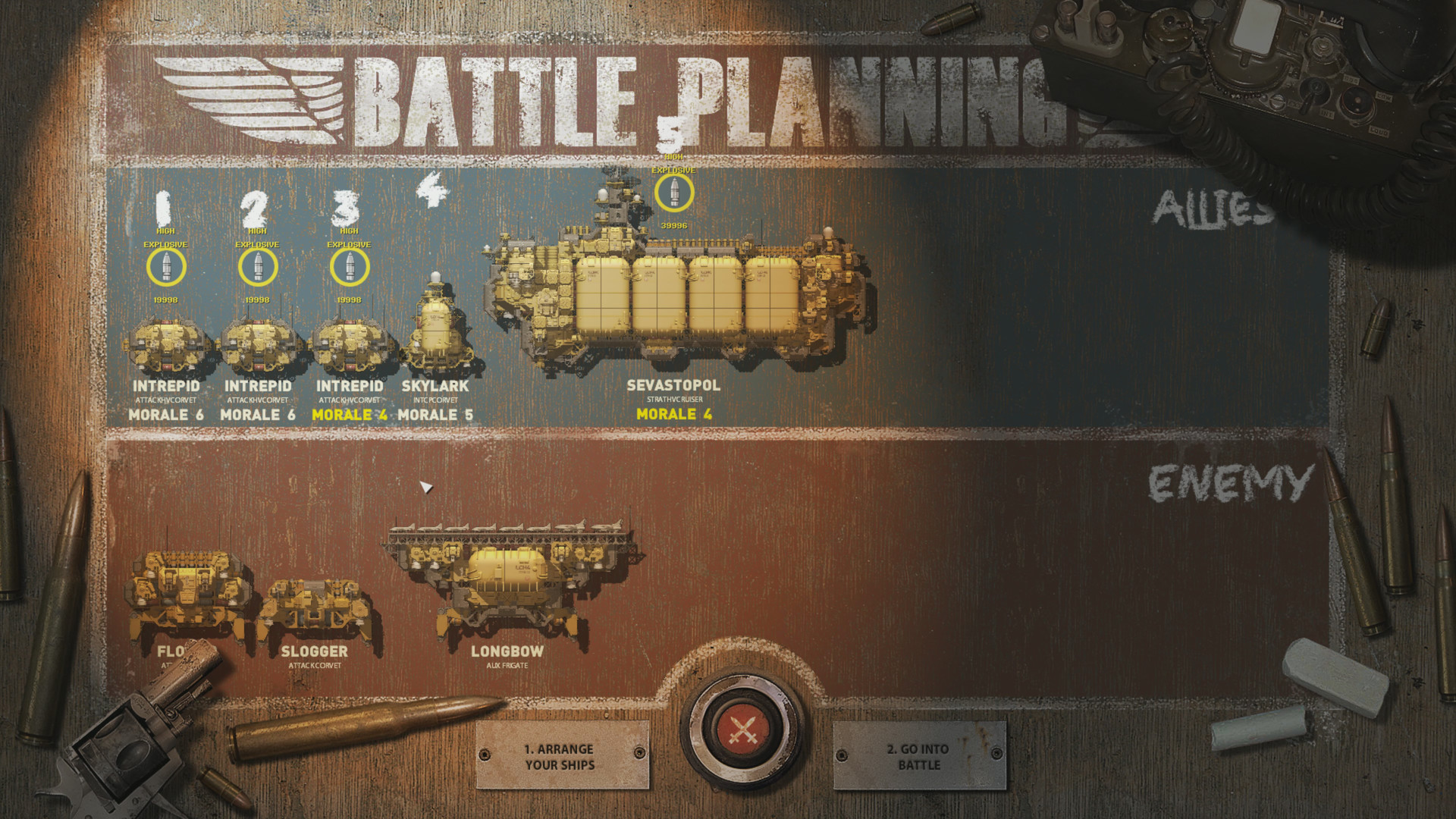
HighFleet's battles are real-time, physics-driven duels, and that changes everything about how you should approach them. Unlike a wargame where an attack resolves on statistics, here your ships fly under thrust, obey momentum and gravity, and every shot is aimed and every dodge is earned. The outcome of a fight is decided by how you move, when you boost, where you aim and how you defend — which means combat is a skill you improve at, not a gamble you hope pays off. It also means combat is lethal and unforgiving: a well-flown ship can beat the odds, and a carelessly flown one can die in seconds. Because of that, the golden rule from the beginner guide holds here too — fight with cheap, expendable ships and keep your irreplaceable flagship out of the line of fire.
Everything below breaks down the mechanics that decide battles: movement, gunnery, missile defence, armor and weak points, and the decisive weapons. Learn these and you will start winning fights you used to lose.
HighFleet combat is real-time and physics-based: ships fly on thrust and momentum, and skill decides fights. Fight with cheap ships, protect your flagship, and learn the systems below — movement, gunnery, missile defence and weak points — to turn lethal battles in your favour.
Movement, evasion and gunnery
Everything in a fight starts with movement. Your ships fly using their engines against gravity and momentum, so learning to control that flight is the foundation of combat. Use short bursts of thrust to dodge incoming fire rather than long, committed burns, which leave you predictable and out of position; a quick sidestep at the right moment is what makes shells and missiles miss. Boosting upward is often the fastest way to break away from a bad situation, so keep escape in mind as well as attack. Good pilots are constantly making small, deliberate adjustments rather than flying in straight, easy-to-hit lines.
Offence is about landing ballistic fire, which means leading your targets. Guns fire physical shells that take time to travel, so you must aim where the enemy will be, accounting for their movement and yours. Concentrating fire and choosing your moments — hitting when the enemy is committed to a burn and cannot easily dodge — makes your shots count. Between disciplined evasion and well-led gunnery, a skilled commander can beat ships that look stronger on paper, which is exactly what HighFleet asks of you.
Dodge with short bursts, not long burns, and boost upward to escape a bad spot. Lead your ballistic guns, since shells take time to travel, and fire when the enemy is committed and cannot dodge. Small, deliberate movements win fights.
Missiles, armor and weak points
Two systems decide most fights beyond raw flying: missile defence and where you put your shots. Missiles are among the deadliest threats in the game, and you have three overlapping defences against them. Chaff can decoy incoming missiles, though it will not stop everything; high-rate-of-fire guns and flak can shoot missiles down before they land, making anti-missile weapons genuinely valuable; and maneuvering — timing your movement so the missile misses, or so that an obstacle or enemy is between you and it — rounds out your defence. Relying on any one of these alone will get you hit, so combine chaff, point-defence fire and evasion whenever missiles are in the air.
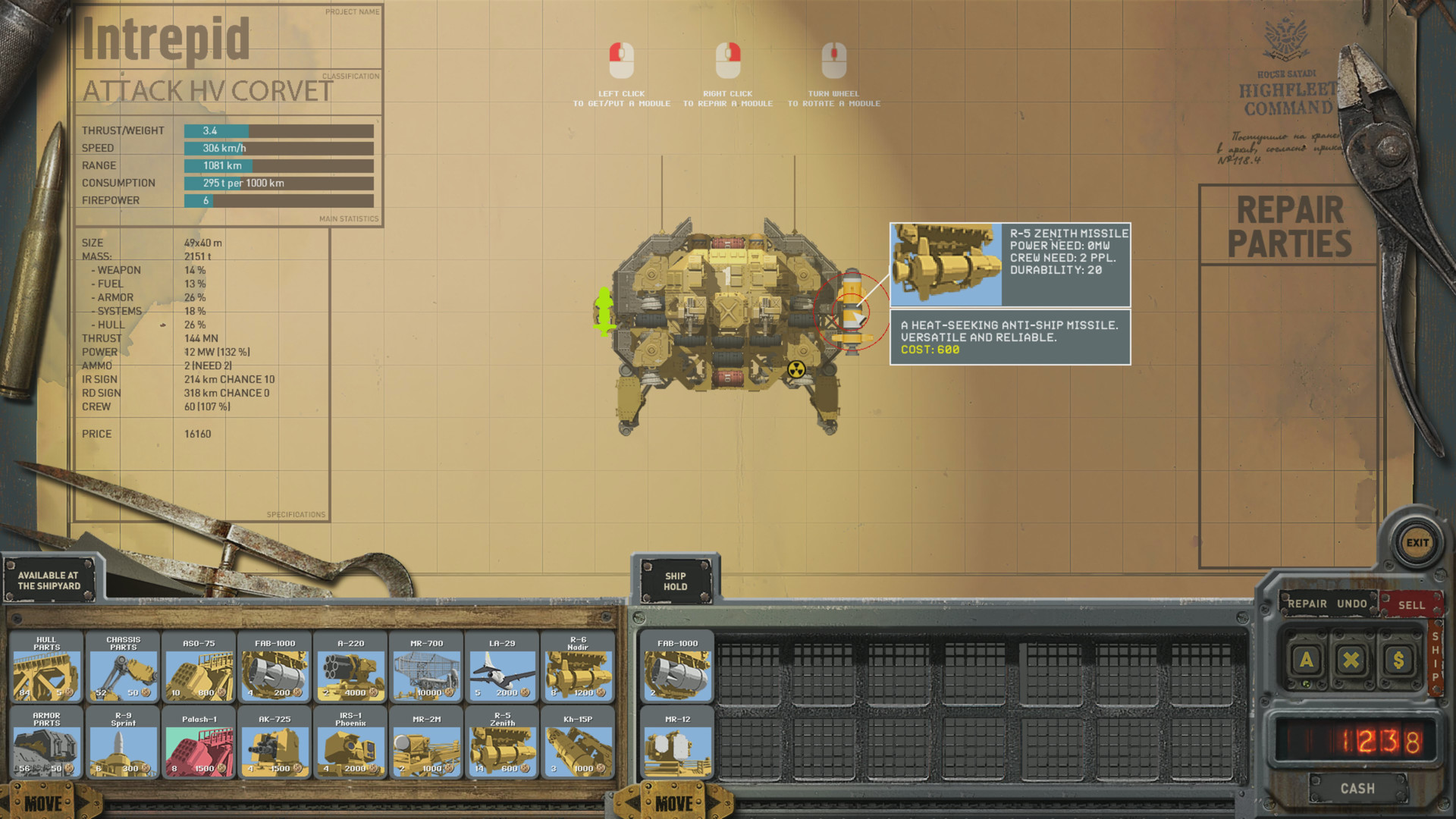
On offence, remember that enemy armor is directional and thickest on the top and sides, so hammering those faces wastes your firepower. Aim instead for exposed or thinner areas and spots that are already damaged, and concentrate your fire to punch through to what matters inside. And what matters most is that ammunition stores and fuel tanks can cook off when struck, causing catastrophic explosions — so a well-placed hit on the right internal module can destroy a ship far faster than grinding down its plating. This cuts both ways: protect your own fuel and ammo through ship design and careful positioning, and exploit the enemy's by targeting theirs.
Weapons of last resort, and putting it together
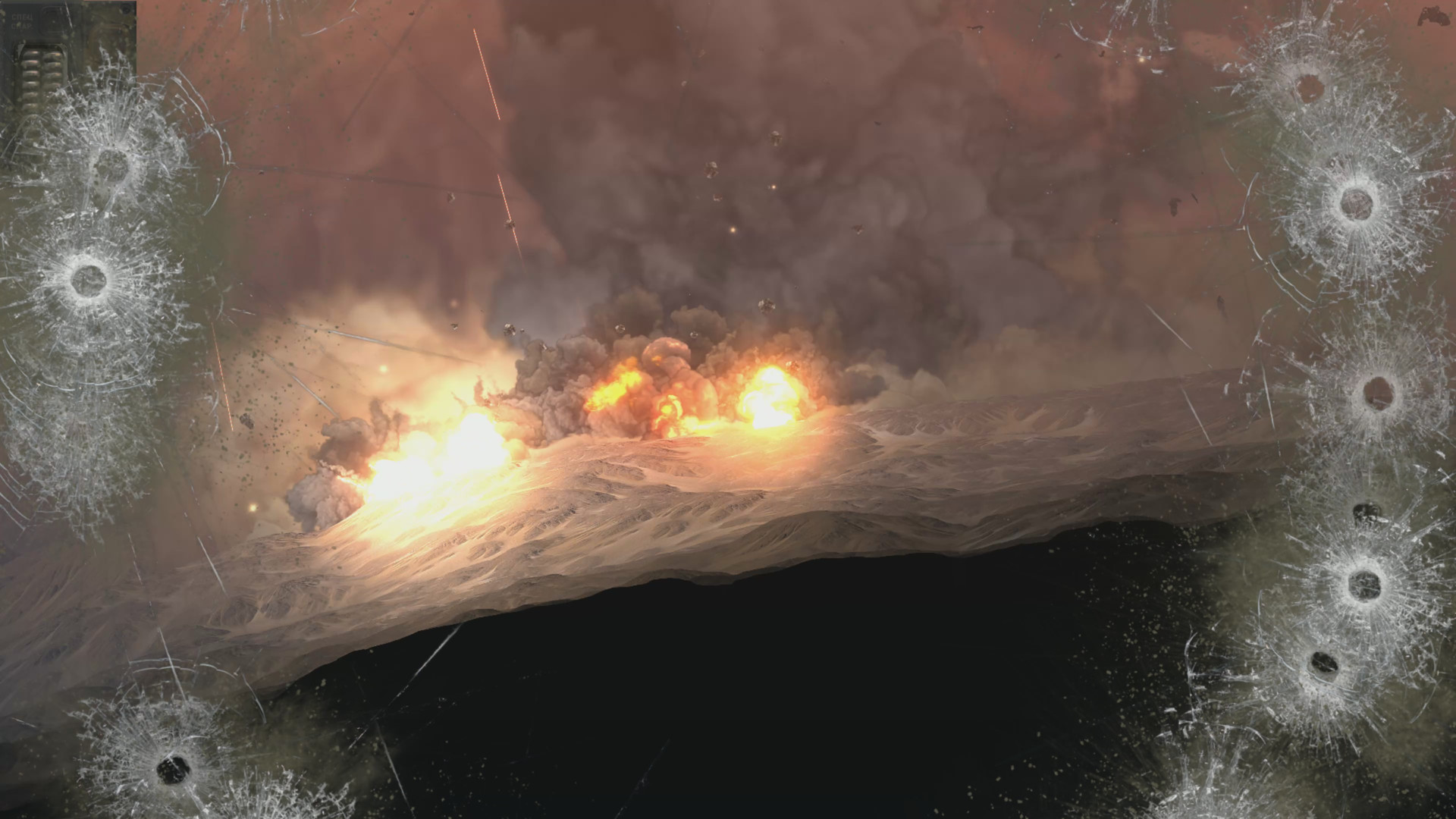
At the extreme end of your arsenal sit nuclear weapons, which deserve special discipline. Nukes are devastating and can break forces or fortifications you could never beat conventionally, but they are scarce and carry consequences, so they are not routine ordnance. Save them for the moments that genuinely turn a campaign — shattering a strike group you cannot defeat with guns, or cracking a heavily defended objective — and never squander them on a fight you could win with conventional weapons. Treat every nuclear strike as a rare, decisive card, played only when it truly pays off.
Put it all together and HighFleet combat becomes a coherent skill: fly with deliberate, evasive movement; land led gunfire on enemy weak points; defend against missiles with chaff, flak and maneuver; exploit ammo and fuel cook-offs while protecting your own; fight with cheap ships and keep your flagship safe; and hold your nukes for the decisive moment. None of it is random, which is why HighFleet rewards practice so richly — the better you understand these systems, the more consistently you win. For the fleet to bring to these fights, see our ships tier list; for getting to battles on your own terms, see the strategic guide and beginner guide.
Never rely on a single missile defence or expose your flagship to enemy fire, and never waste scarce nuclear weapons on ordinary fights. Combine chaff, flak and evasion, keep your irreplaceable ships safe, and save your nukes for the moments that decide the campaign.