Starting without drowning
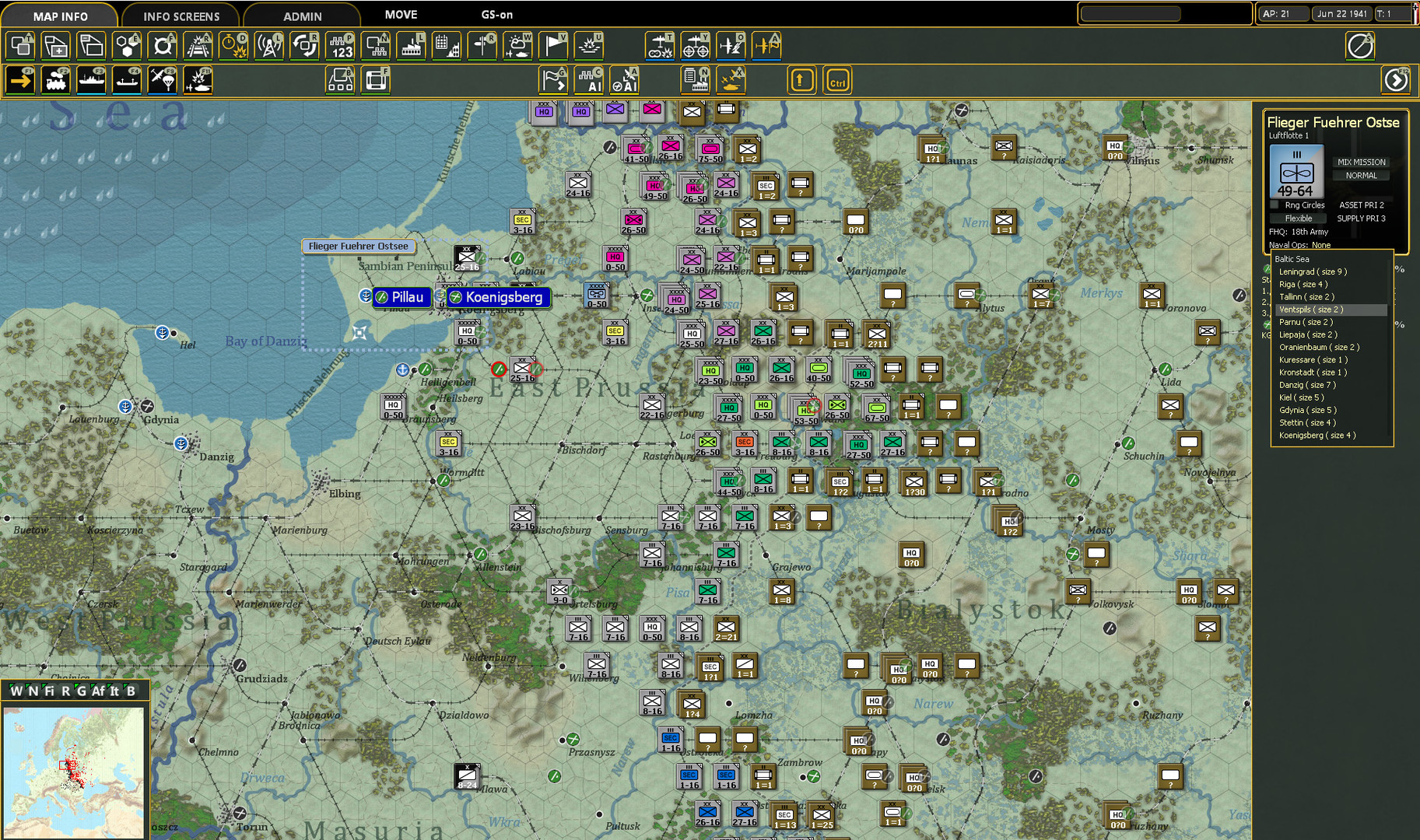
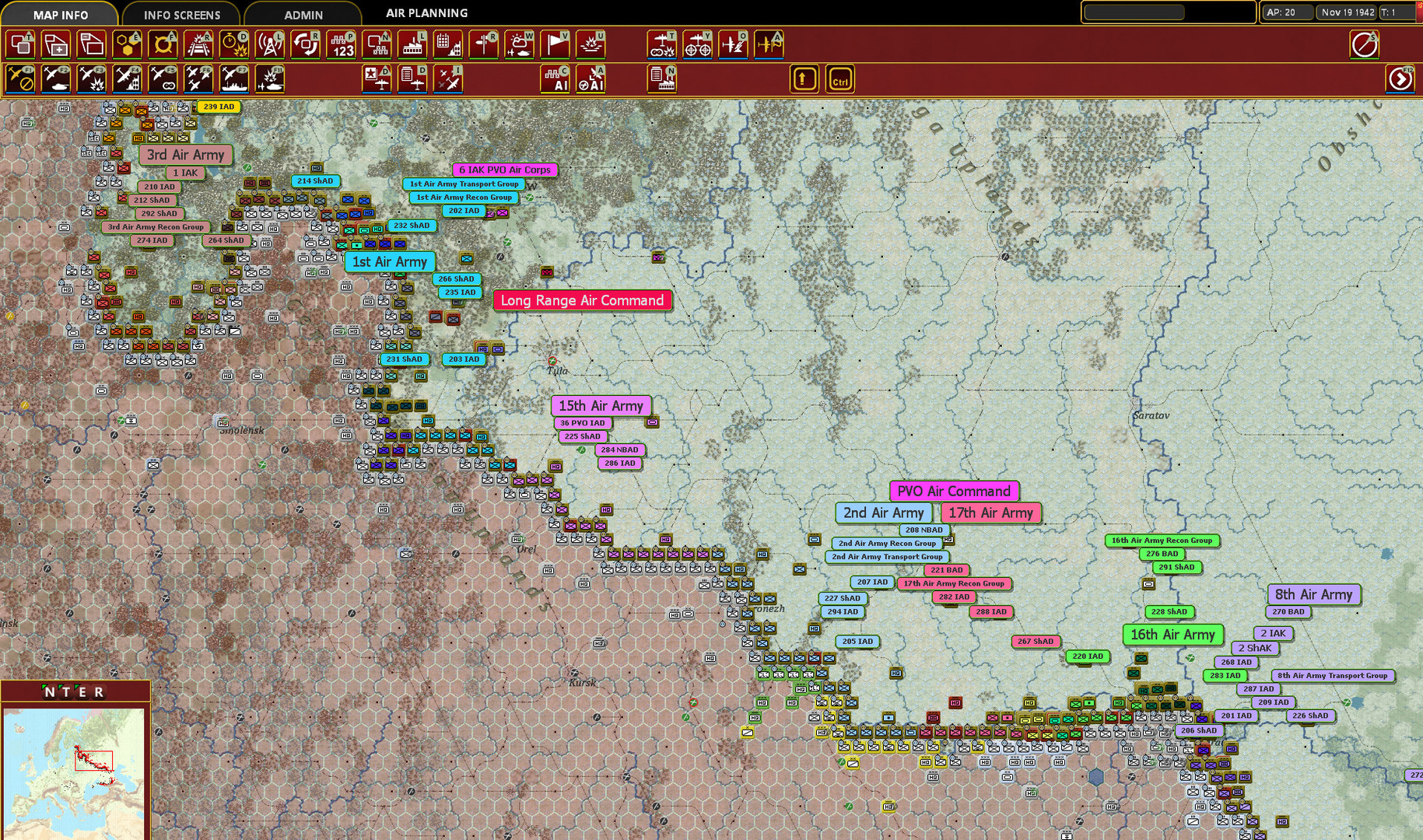
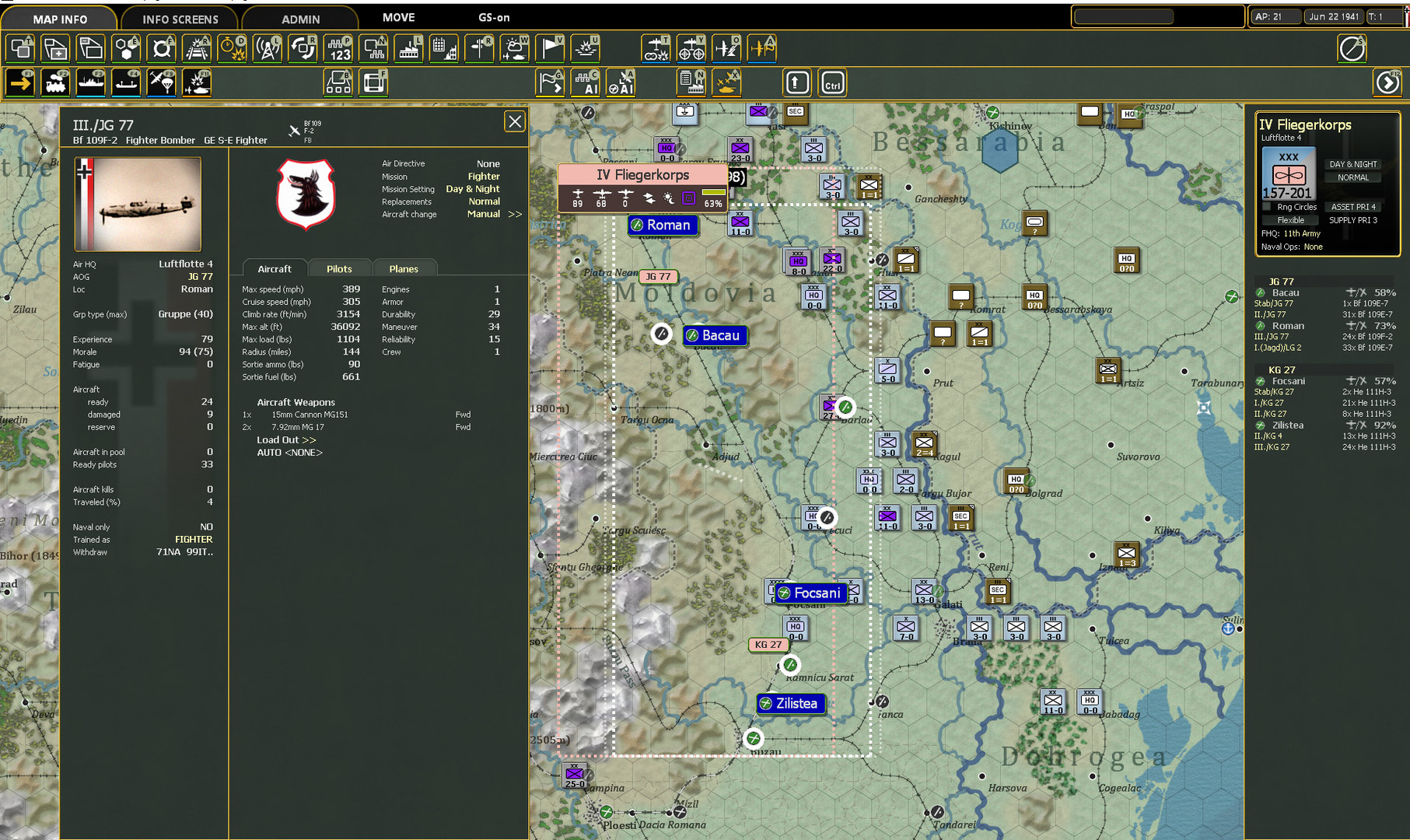
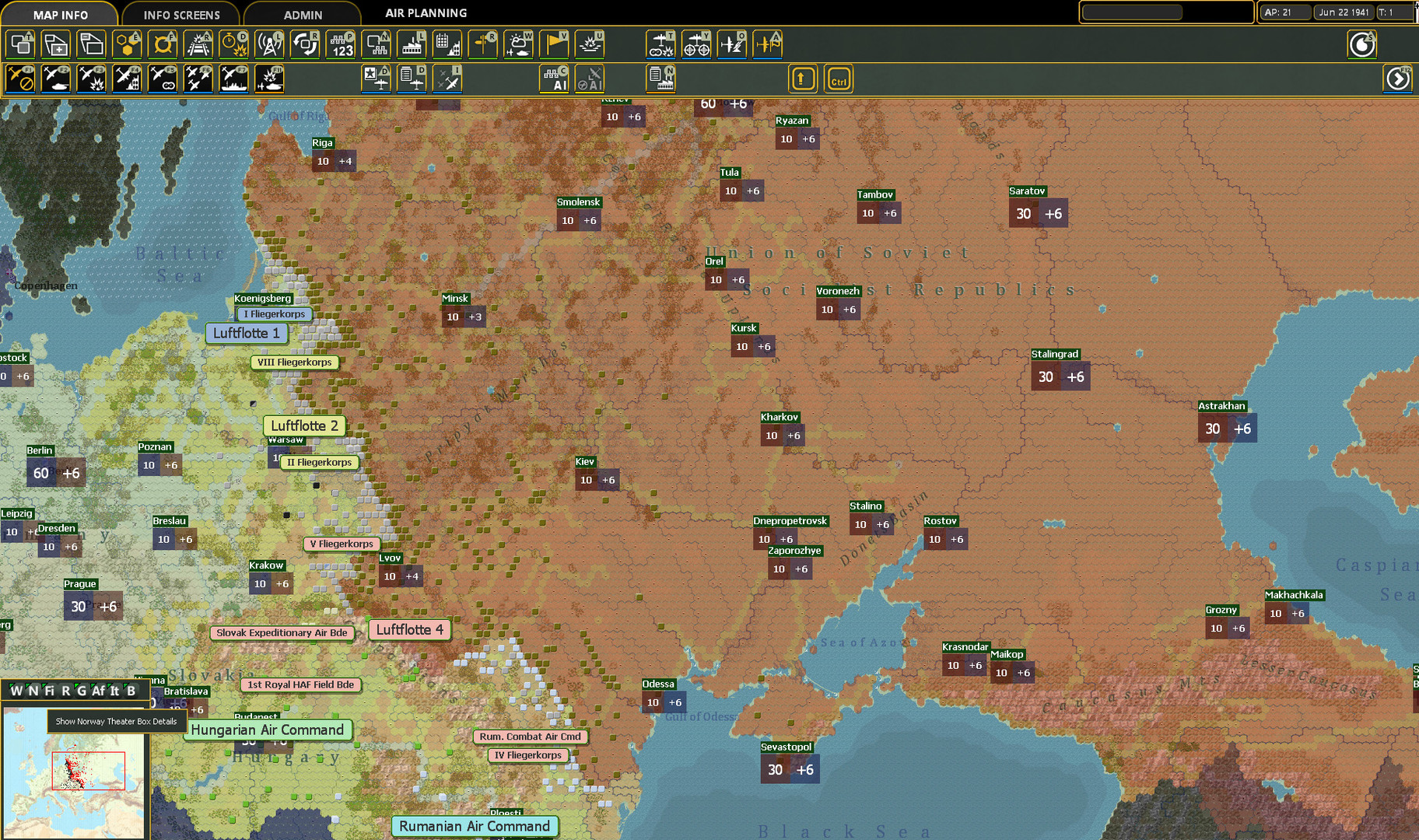
Gary Grigsby's War in the East 2 is one of the most complex games ever made, and the biggest mistake new players make is trying to swallow it whole. Fire up the full 1941 Grand Campaign on your first evening and you will be buried under logistics, air war, command hierarchies, combat preparation and weather, all at once, across the entire Eastern Front. The good news is that the game is entirely learnable if you approach it in the right order. This guide shows you how: starting with the tutorials and a small scenario, learning how weekly turns and combat work, understanding the logistics and HQ systems that keep your armies alive, and using the manual as the tool it is meant to be. Get the fundamentals down at a small scale and the game's vast campaigns stop being terrifying and start being thrilling.
The single most important idea to hold onto is that this is a game about supply. Movement and combat sit on top of logistics, and a beginner who learns to keep their armies supplied has learned the thing that matters most. Everything else builds on that foundation.
War in the East 2 is turn-based, with each turn representing a week, so there is no time pressure within a turn. You can study the map, consult the manual, and plan carefully before committing. Use that freedom — this is a game rewarded by thought, not speed.
Your first steps, in order
The path into War in the East 2 rewards a clear sequence: learn the interface and rules on a small scale, master supply, then attack with purpose. Follow these steps and the game becomes approachable.
-
1
Do the tutorials with the manual open
Start with the in-game tutorials, and keep the 520-page manual and the in-game encyclopedia handy. Do not try to learn by guessing — this game is too deep for that. Working through the tutorials with reference material open is how the systems start to make sense.
-
2
Play a small scenario, not a campaign
Choose a small operational scenario rather than the Grand Campaign. A smaller, shorter scenario has a defined front and length, letting you learn movement, combat and supply without being overwhelmed by the entire Eastern Front at once.
-
3
Learn to read supply and HQs
Before attacking, understand how supply reaches your units. Keep combat units close to their HQ (about five hexes), and keep HQs connected back toward your railhead. A supplied unit fights well; an unsupplied one collapses. This is the foundation of everything.
-
4
Understand deliberate vs hasty attacks
Learn the difference between deliberate attacks, which are stronger but need preparation, and hasty attacks, which are quicker but weaker. Do not just throw units forward — prepare, mass your forces, and attack where you have a real advantage.
-
5
Advance in step with your supply
As you push forward, do not outrun your railhead and depots. An offensive that races ahead of its supply grinds to a halt, just as it did historically. Extend your rail, keep HQs close, and advance at the pace your logistics can sustain.
Understanding the core loop
Once you can run a small scenario, War in the East 2 reveals a satisfying rhythm. Each week you assess the front, manage your supply and command network, prepare and launch attacks where you hold an advantage, and reposition to defend or exploit elsewhere — then the enemy responds and you adapt. The key beginner lesson is that these elements are deeply connected. An attack is only as strong as the supply and preparation behind it; a defence holds only as long as its units are fed; and the seasons — the mud that mires movement and the winter that saps strength — reshape what is possible at different times of year. Rather than trying to master every subsystem at once, focus first on keeping your forces supplied and attacking only where you are genuinely strong, and let your understanding of the deeper systems grow from there.
A useful early habit is to end each turn by checking your supply picture: are your units near their HQs, is your railhead keeping pace, are any spearheads dangerously overextended? Catching supply problems before they cripple you is the single most valuable skill a new commander can build, and it turns the game's famous logistics from an obstacle into a tool.
Keep your units within about five hexes of their HQ. This is one of the most important beginner rules: units too far from their HQ suffer in supply and lose access to the support they need to recover equipment. When you advance, bring your HQs along — a spearhead that leaves its HQ behind quickly loses its punch.
Growing into the campaigns
With the tutorials done, a small scenario or two under your belt, and a working grasp of supply and combat, you are ready to grow into War in the East 2's larger content at your own pace. The mid-sized scenarios offer bigger challenges with more moving parts, and eventually the full-map campaigns — up to the complete 1941–1945 Grand Campaign — await, offering the entire war in all its scale. None of these are urgent, and there is no shame in spending many hours in scenarios before ever attempting the Grand Campaign; in fact it is the wise path, because the campaign demands fluency in every system the scenarios teach. Building up gradually is how you turn the game's overwhelming depth into a source of enjoyment rather than frustration.
From there, the entire Eastern Front is yours to command. Whether you prefer focused operational battles or the epic sweep of the whole war, the foundation is always the same: a supplied army, well-prepared attacks, and respect for the seasons and the map. For deeper strategy, see our scenario tier list on where to start, our logistics guide for mastering supply, and our combat guide for winning battles. If you are still deciding whether the game is for you, read our War in the East 2 review.
Do not start with the Grand Campaign. It is the single most common way new players bounce off War in the East 2. The full 1941–1945 campaign has every system active across the entire front and can run for months — it will overwhelm you before you have learned the basics. Earn your way up to it through tutorials and small scenarios.