Battles are won before they begin
Combat in Gary Grigsby's War in the East 2 is not about hurling units at the enemy and hoping — it is about preparation, concentration and supply. The game rewards the commander who masses strength at a chosen point, prepares their attack, ensures their units are fed with ammunition and fuel, and strikes where the enemy is weak, and it punishes the one who attacks carelessly with unprepared, unsupplied forces. This guide covers how deliberate and hasty attacks differ, why combat preparation and delay points reward rest and massing, how encirclement destroys enemy armies far more effectively than frontal pushes, and how to use the air war to support your ground offensives. Understand these and your battles start falling your way; ignore them and even a numerically superior army will bleed itself against a prepared defence.
The mindset to carry into every fight is that combat is the visible result of invisible preparation. By the time two forces clash, the outcome has largely been decided by supply, preparation, concentration and terrain — so your real work as a commander happens in the turns before the attack, not in the attack itself.
Combat in War in the East 2 resolves based on combat values that factor in supply, preparation, terrain and support — not just raw numbers. A prepared, supplied, concentrated attack will routinely beat a larger force flung forward without those advantages.
Deliberate attacks, preparation and rest
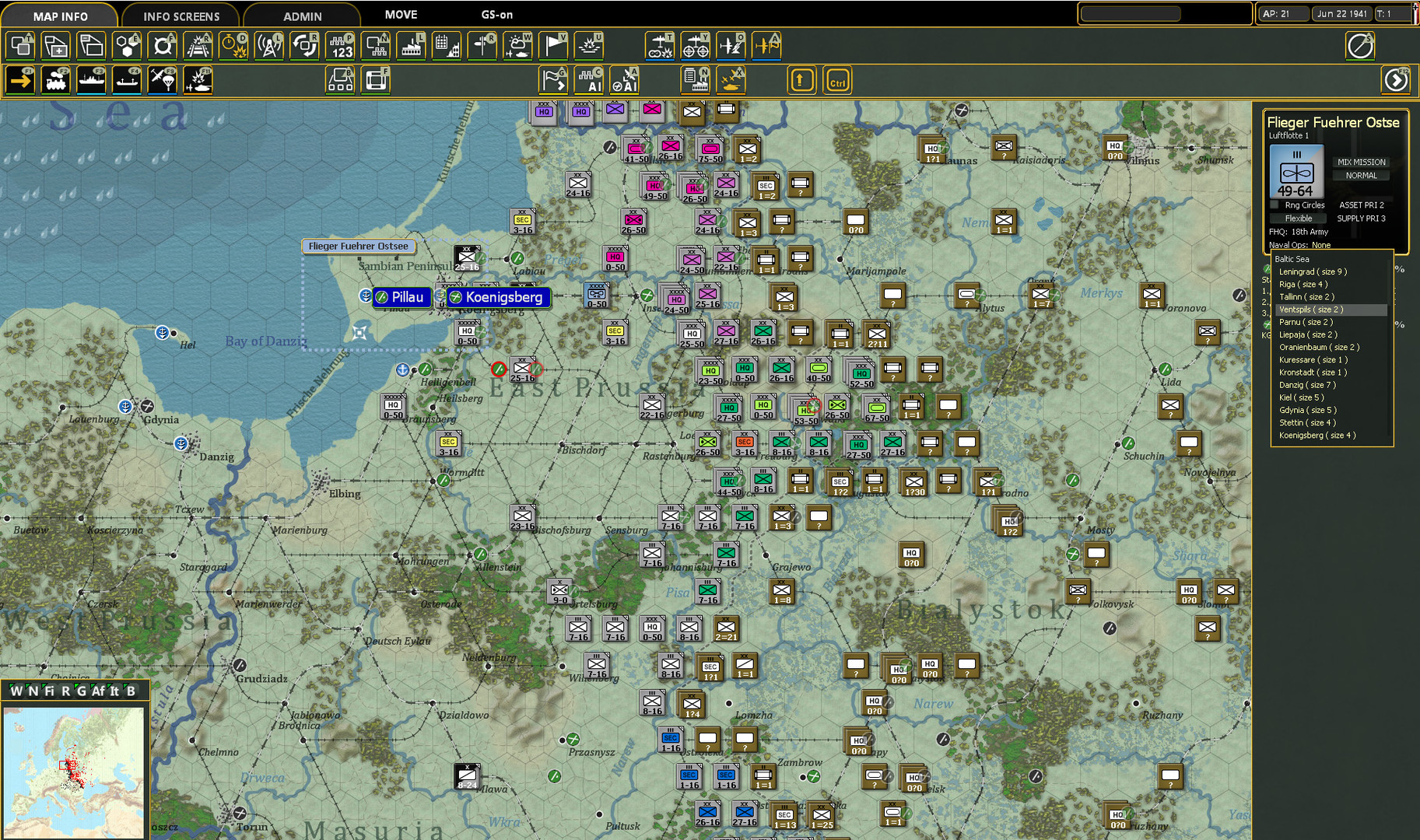
The most important combat distinction to master is between deliberate and hasty attacks. A deliberate attack is a full, prepared assault that hits with maximum power, but it demands that your units have built up combat preparation and are well supplied. A hasty attack is faster and needs less setup, but strikes with far less force, making it a tool for probing or for seizing a sudden opportunity rather than for your main effort. The winning pattern is to make your decisive blows with deliberate attacks where you have concentrated your strength, and to reserve hasty attacks for exploitation and opportunism. Simply attacking every turn with whatever is to hand squanders the game's most powerful option.
Underpinning this is the system of combat preparation and delay points. Units that rest and prepare build the readiness for a strong deliberate attack, while units thrown into continuous fighting without pause lose their edge, and time spent fighting in a hex slows a unit's later movement. The lesson is a rhythm: mass and prepare your forces, deliver a powerful blow, then consolidate before the next one, rather than grinding forward relentlessly. This mirrors how real offensives needed pauses to regroup and resupply, and in game terms it means patience and preparation consistently outperform constant, unprepared pressure.
Rest and prepare your spearhead units before a major offensive. A corps that has built combat preparation and is fully supplied delivers a devastating deliberate attack, while the same corps worn down by continuous fighting will barely dent the same defenders. Plan your big pushes a turn or two ahead and let your forces get ready.
Encirclement: how campaigns are won
If deliberate attacks are how you win battles, encirclement is how you win campaigns. The single most decisive thing you can do in War in the East 2 is cut enemy units off from their supply by surrounding them, leaving no path back to their lines. Isolated formations lose supply, and with it their combat power and eventually their cohesion, so an encircled pocket can be collapsed and destroyed far more cheaply than the same units could be ground down in a frontal fight. The great Eastern Front offensives of the real war — on both sides — were built on vast encirclements, and the game faithfully rewards the same operational art. Rather than simply pushing the enemy line backward, always look for opportunities to trap portions of their army in pockets.
Achieving encirclements is where your mobile forces earn their keep. Use motorized and mechanized formations to punch through and swing around behind enemy positions, closing the ring while your infantry holds and grinds the front. It is demanding — it requires the fuel and supply to sustain deep thrusts, and the timing to close the pocket before the enemy escapes — but the payoff is enormous, turning a slow advance into the wholesale destruction of enemy armies. Thinking in terms of pockets rather than lines is one of the biggest steps from competent to genuinely skilled play.
The air war and combined arms
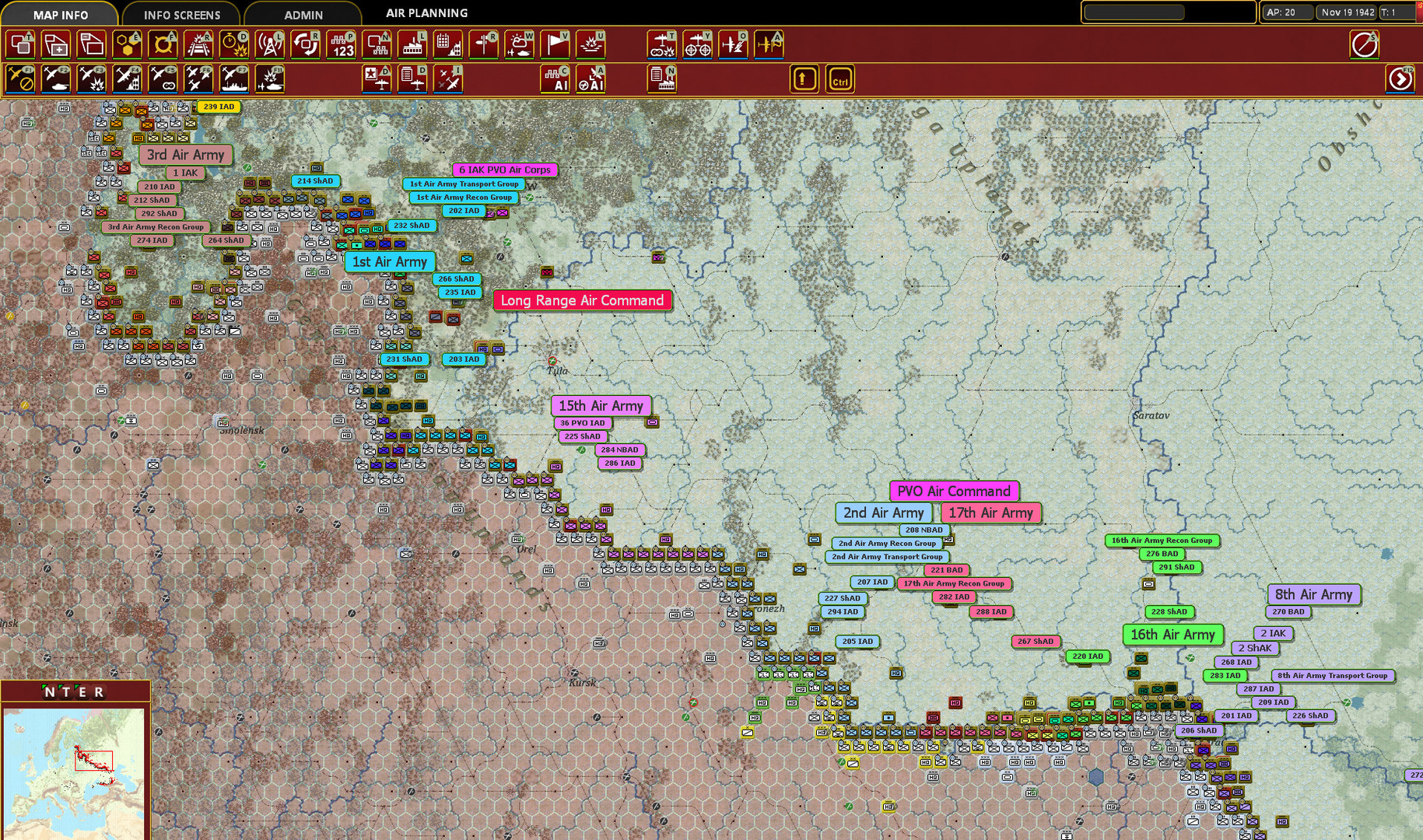
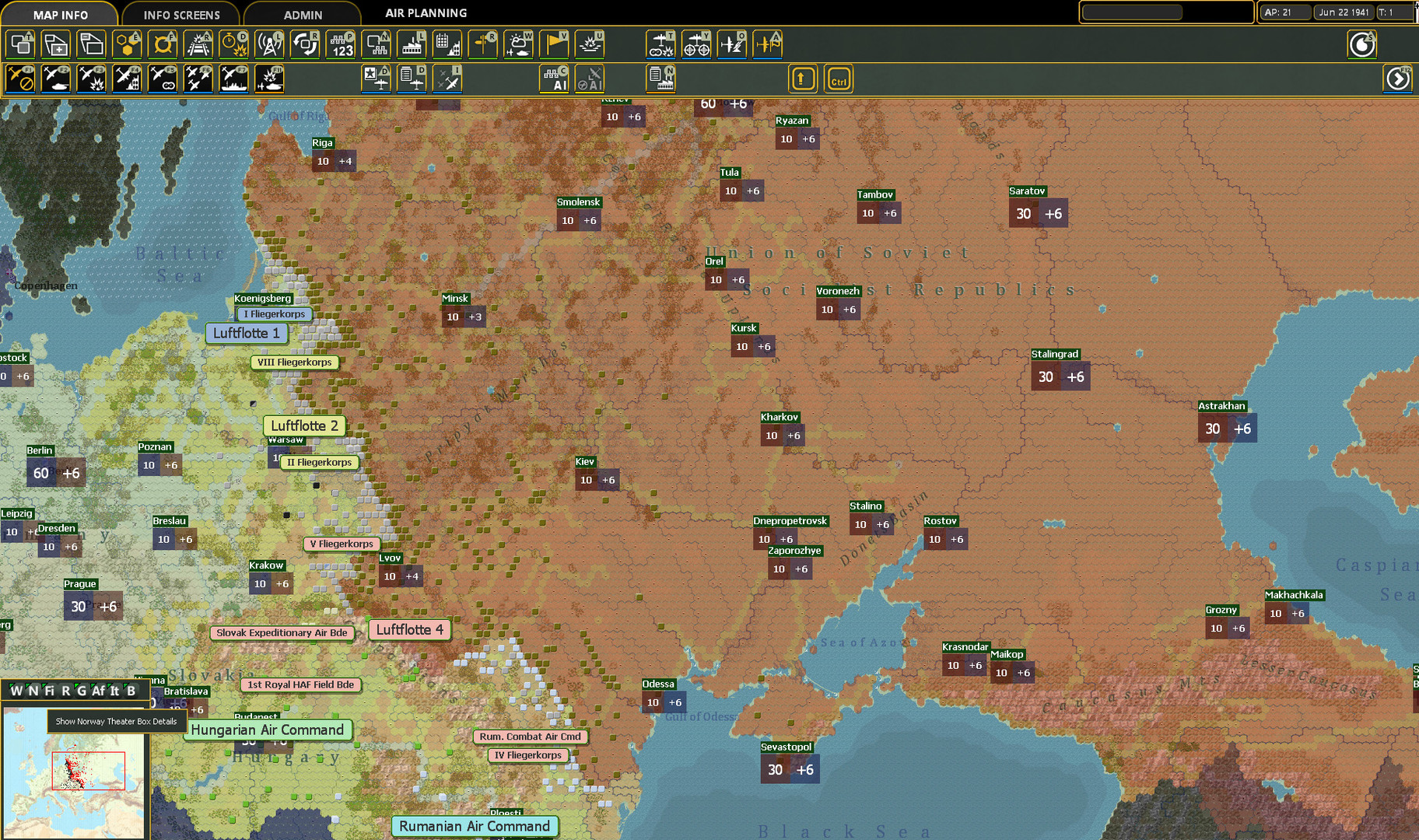
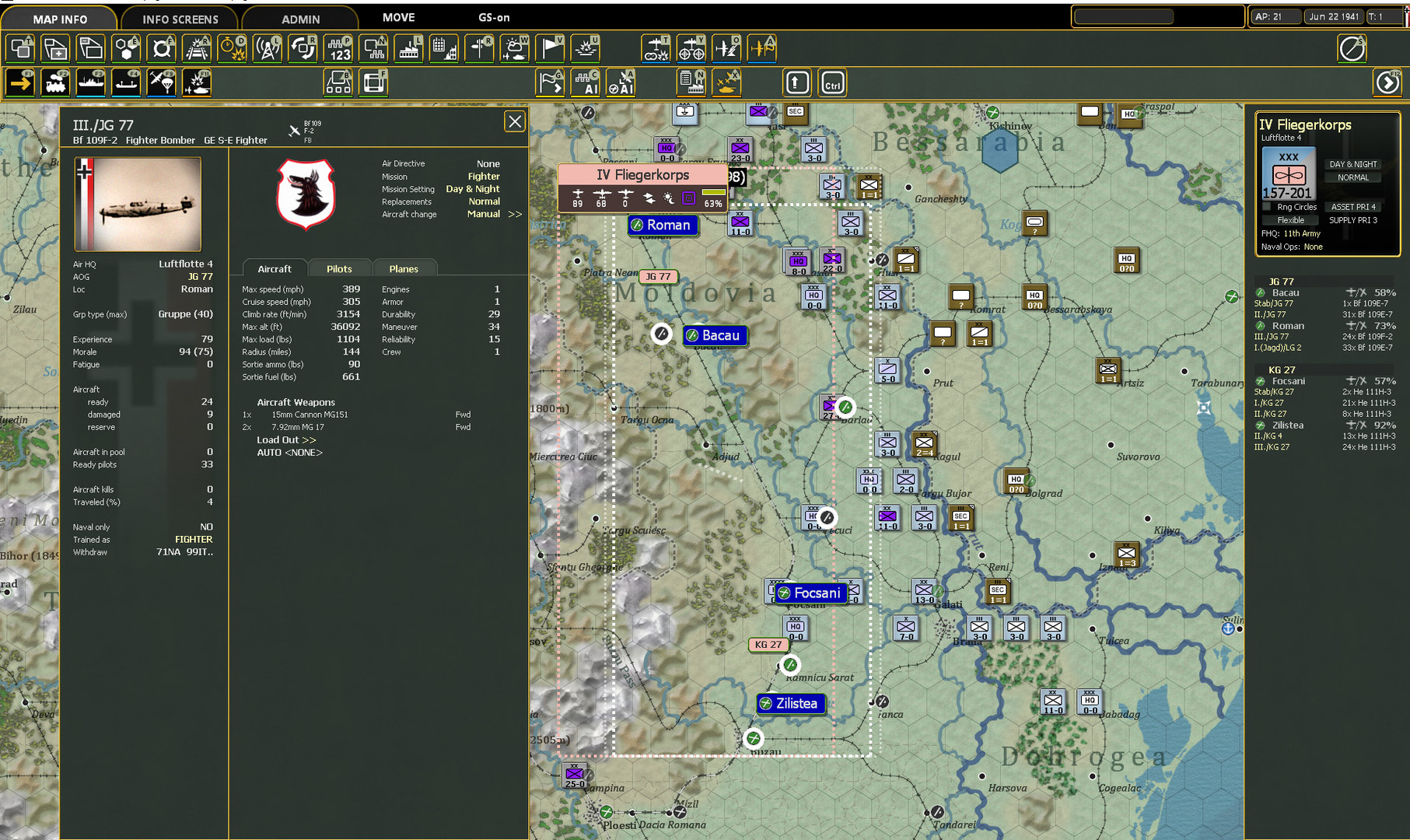
Above the ground battle sits the air war, which you can engage with as deeply as you like. War in the East 2 offers an advanced air mode giving full, detailed control of air operations, and a streamlined operational group mode for players who would rather focus on the ground and let the air war run more automatically. Whichever you choose, air power is a genuine force multiplier: it can attack enemy units to soften them before a ground assault, interdict enemy supply and movement, fly reconnaissance to reveal the front, and contest the skies to protect your own forces. New players can lean on the simpler mode and still gain real benefits, while veterans can micromanage air operations to squeeze out every advantage.
The key is to think in combined arms: your air power, artillery, armor and infantry are strongest when they work together. Use the air war and your massed forces to weaken a chosen point, deliver a prepared deliberate attack with concentrated, supplied units, and exploit the breakthrough with mobile forces to encircle. That integrated approach — supply, preparation, concentration, encirclement and air support all pulling in the same direction — is what War in the East 2 ultimately rewards. For the logistics that make it all possible, see our logistics guide; for where to practise, our scenario tier list; and if you are new, start with the beginner guide. To decide whether the game is for you, read our review.
Do not attack everywhere at once. Spreading your attacks thinly across the whole front wastes the preparation and supply that make deliberate attacks and encirclements work. Concentrate your strength at a decisive point, prepare it properly, and strike there — a single well-prepared blow achieves more than a dozen scattered, unprepared ones.