The verdict up front
Battle Brothers is one of those games that quietly earns a devoted following without ever chasing the mainstream. Made by the tiny German studio Overhype Studios and later published alongside Hooded Horse, it is a turn-based tactical RPG wrapped around a strategic mercenary sandbox. You lead a band of sellswords across a procedurally generated, low-fantasy medieval world, taking contracts, recruiting fighters, equipping them, and fighting hex-based battles where any of your men can die for good. It launched in 2017 to a Very Positive Steam rating (around 88% of more than 27,000 reviews), and that score reflects exactly what it is: a deep, demanding game that the right player will adore for hundreds of hours.
So is it worth buying? For anyone who loves tactical combat and emergent strategy, almost certainly. The base game is inexpensive, the systems are extraordinarily deep, and the replayability is enormous. The honest caveats are difficulty and presentation. This is a punishing game with heavy randomness and a steep, poorly-explained learning curve, and it looks deliberately minimal — static figures on a hex grid, no flashy animation. If you can meet it on those terms, few games reward investment so richly.
Battle Brothers is a single-player game developed by Overhype Studios, released in 2017 and supported for years with major expansions — Beasts & Exploration, Warriors of the North, Blazing Deserts and Of Flesh and Faith. There are no microtransactions; the DLC is traditional paid expansion content.
What you actually do
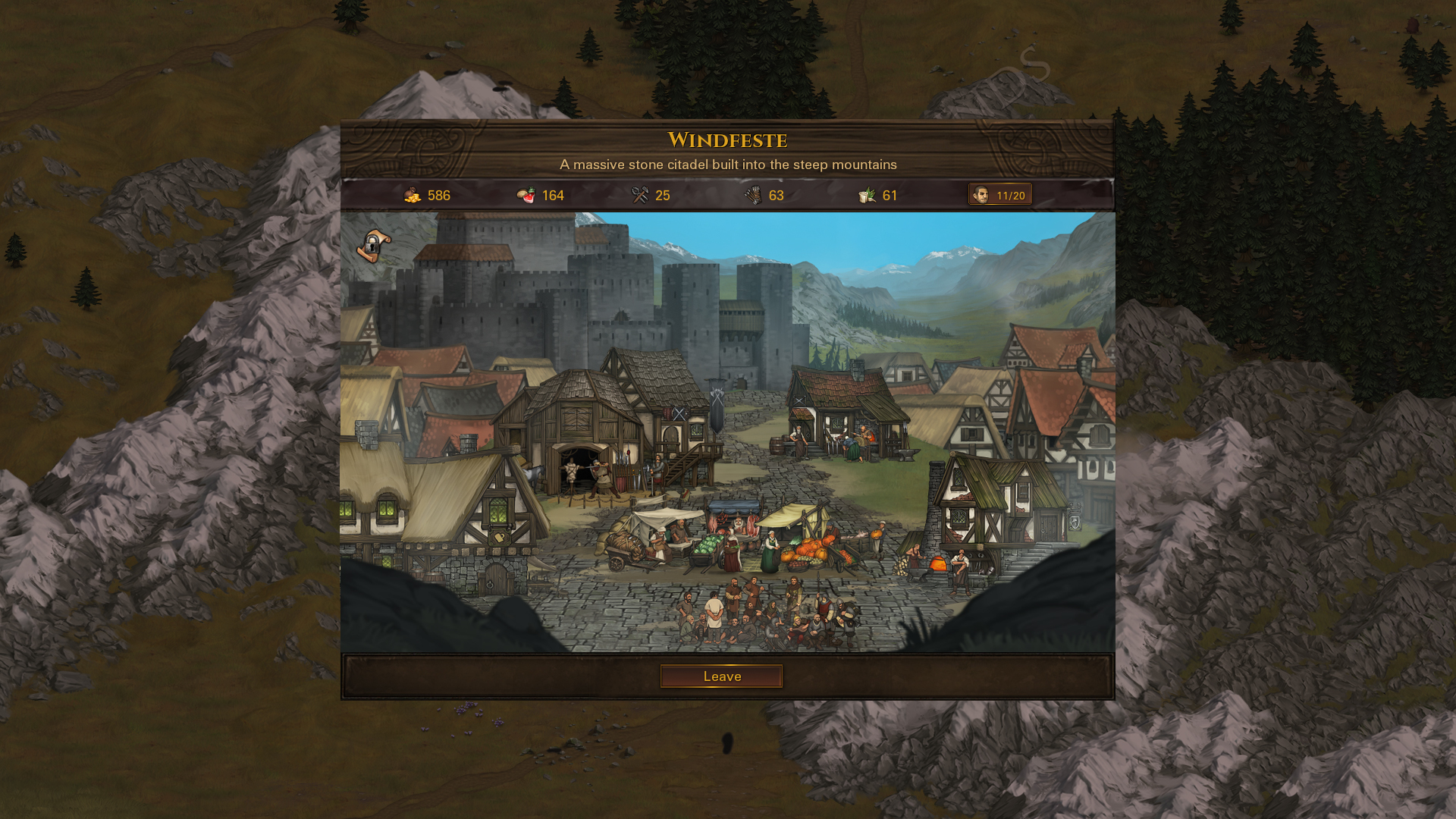
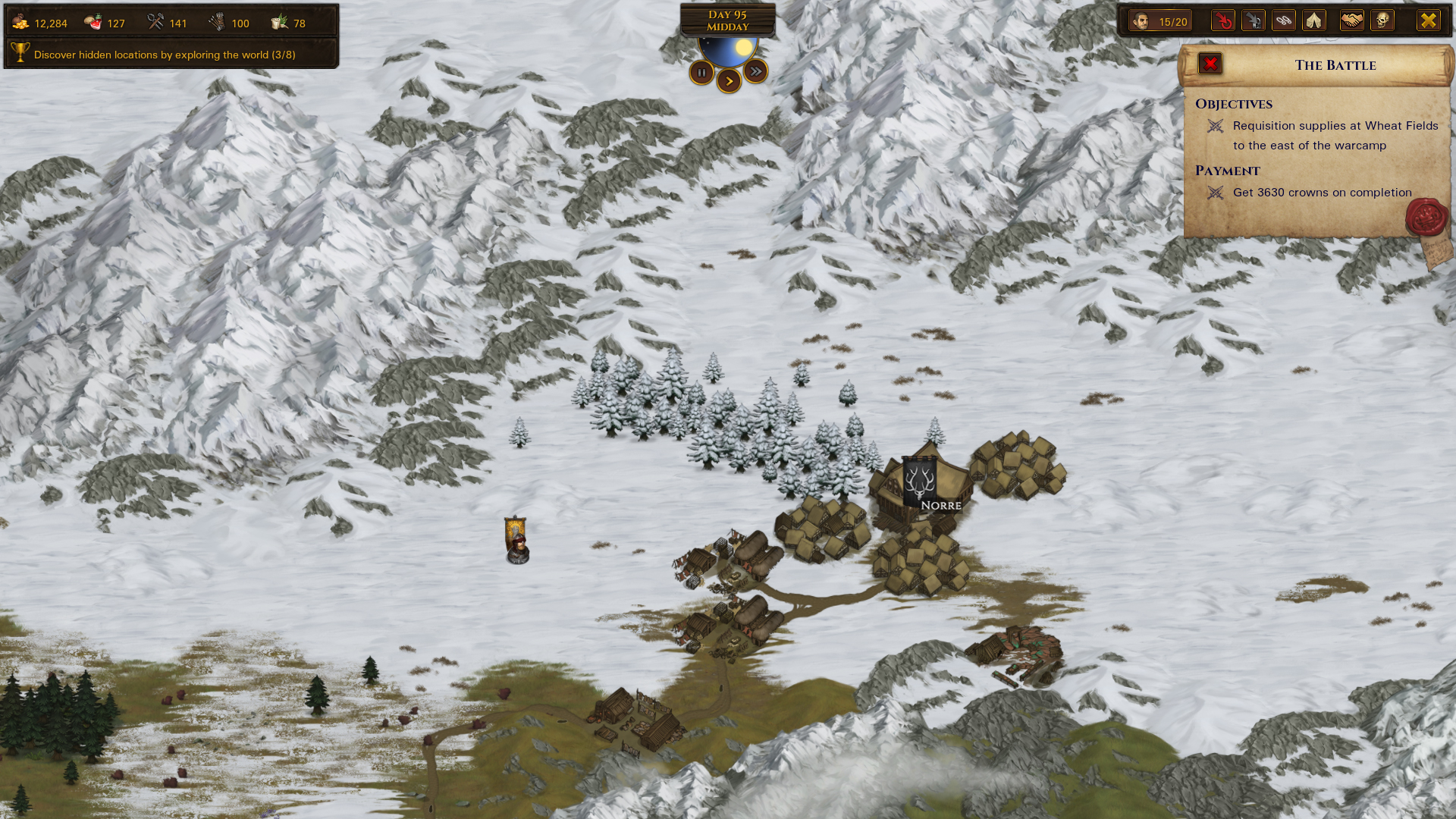
The game runs on two layers. On the world map, you are a company manager: you travel between towns, pick up contracts (escort caravans, clear bandit camps, hunt beasts), recruit and pay mercenaries, buy and sell equipment, and balance an economy where wages are due whether you win or lose. On the battlefield, you command those mercenaries in turn-based, hex-based combat. The link between the two is permadeath — a brother who dies in battle is gone, taking his levels, gear investment and your attachment with him. That stakes-laden loop is the heart of the game.
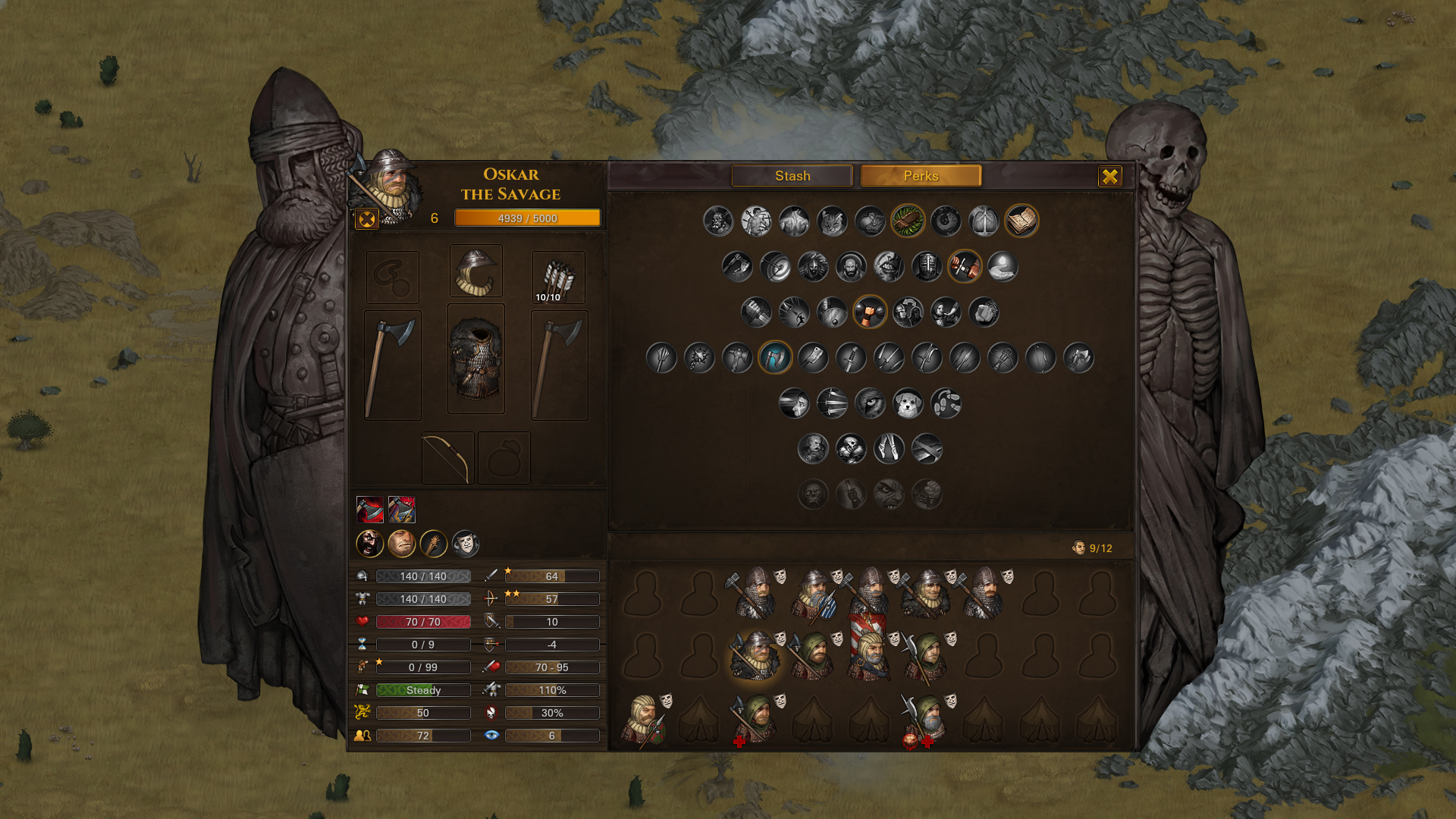
Your company is not built around a single hero. Every fighter is an individual with a background — a Hedge Knight, a Sellsword, a Wildman, a lowly Farmhand — that shapes his stat potential, traits and cost. You hire from what the world offers, train survivors over many battles, and slowly forge a ragtag group into a feared company. The stories that emerge — the cheap recruit who becomes your best duelist, the veteran who dies to a lucky orc swing — are the reason people fall in love with it.
New players almost always overreach early. Take easy contracts, avoid orc warriors and large undead packs until you are ready, and accept that losing a few brothers is part of learning. Our Battle Brothers beginner guide walks through building a company that survives the opening.
Why the combat carries everything
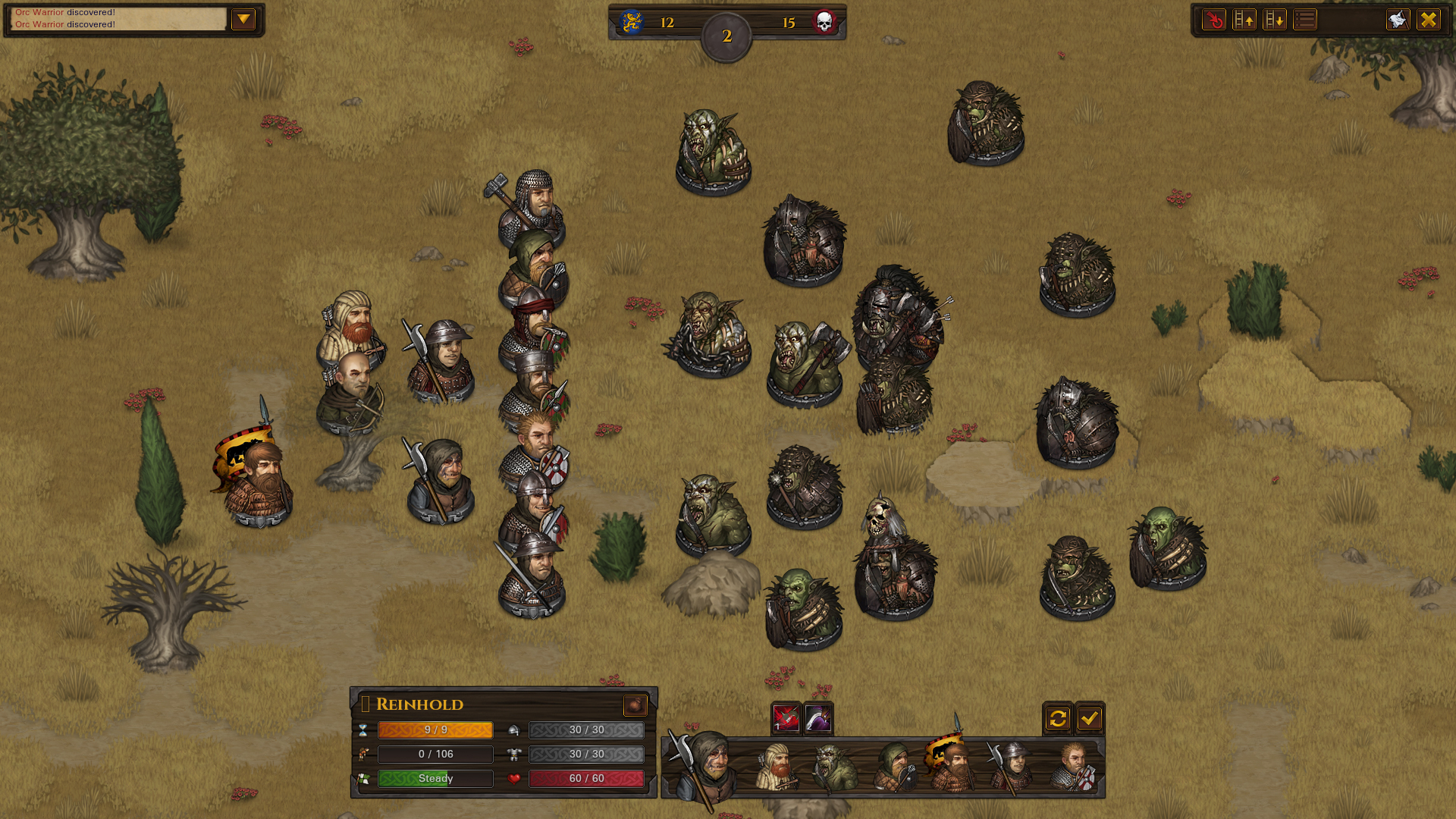
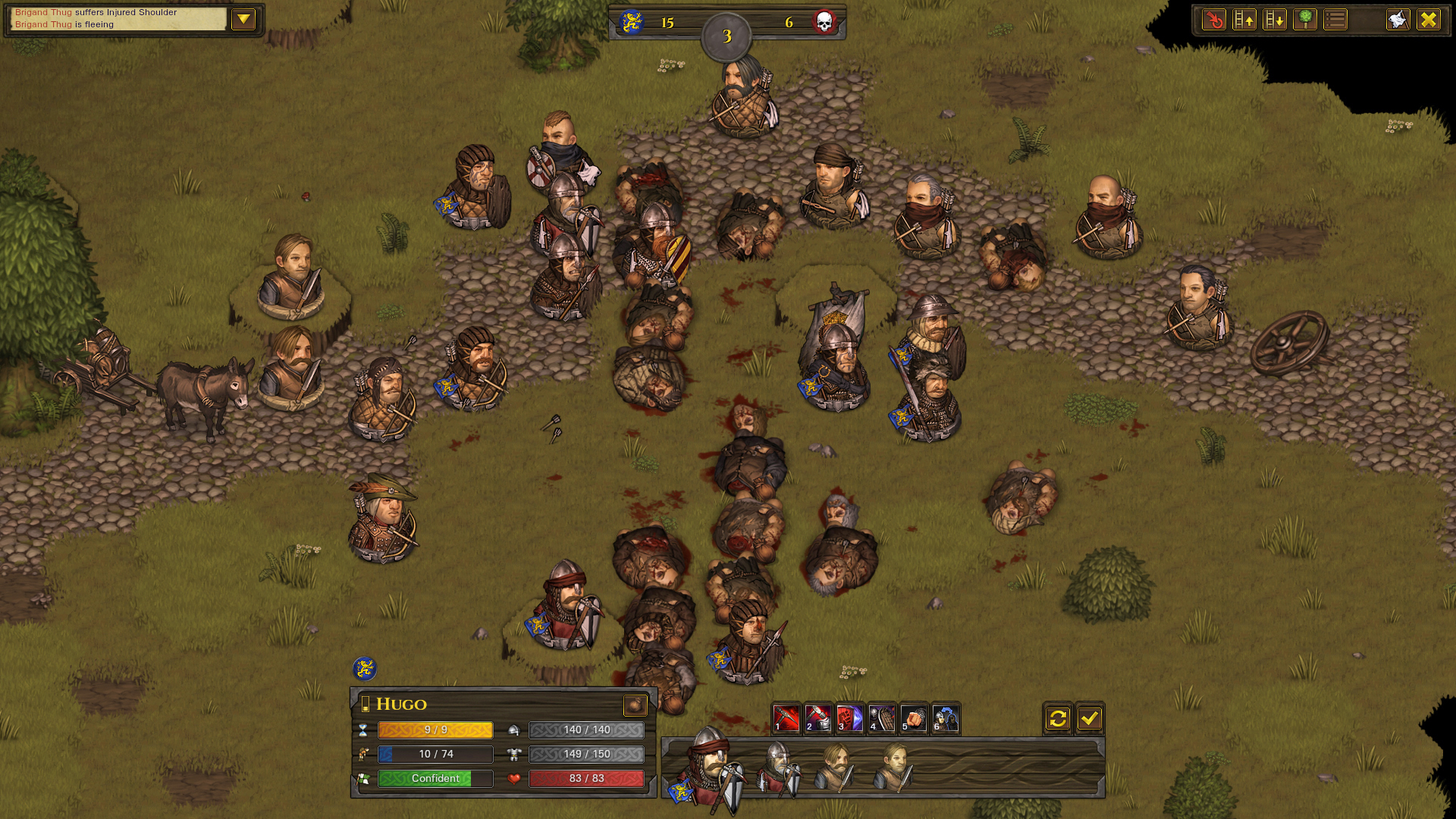
Battle Brothers earns its reputation in combat, and it is worth being specific about why. Every action draws on action points and fatigue, so a fighter who swings recklessly tires and becomes vulnerable. Morale governs whether your line holds or breaks, turning panic into a real tactical force. Positioning matters enormously — flanking, terrain, height and keeping a shield wall intact can decide a fight before weapons clash. And each weapon type has distinct skills: axes split shields, maces stun and concuss, spears wall off advances, hammers punch through armour, two-handers cleave multiple foes. Mastering which tool answers which threat is the game's deep, satisfying puzzle.
This systemic richness is the lens for everything else. The minimal presentation works because the numbers and tactics underneath are so legible and meaningful. A battle is not a spectacle; it is a chess problem with lives on the line, and winning a desperate fight you should have lost is a genuine thrill few tactics games match.
Pros
- +Deep, legible tactics — action points, fatigue, morale, positioning and weapon skills all matter.
- +Permadeath stakes create real attachment and unforgettable emergent stories.
- +Massive replayability through procedural worlds, origins and escalating crises.
- +Cheap, fair, content-rich — strong value with no microtransactions.
Cons
- −Brutal difficulty and heavy RNG that can feel unfair early on.
- −Minimal presentation — static figures, no animation, dated interface.
- −Steep, under-explained learning curve.
- −Late game can turn grindy once your company is optimised.
Replayability and the endgame
Where many tactics games run out of road, Battle Brothers keeps going. Each campaign is a fresh procedurally generated world, and the company origins — alternate starting setups like a lone wolf, a peasant militia or a band of raiders — meaningfully change your rules and goals, not just your opening roster. Recruits are randomized, so no two companies grow the same way. And the late game escalates into one of three crises: a greenskin invasion, an undead scourge or a noble war, each a punishing, world-spanning test of the company you have built. This structure is why people return for run after run.
The flip side, in fairness, is that once you have internalised the systems and optimised a roster, the loop can start to feel grindy, and the lack of presentation gives little spectacle to carry repetitive stretches. The depth is what sustains it, not novelty.
The honest weaknesses
Now the part a store page underplays. Battle Brothers is hard, and a meaningful share of that difficulty is randomness. To-hit rolls, injury results, the quality of recruits the world offers you, the ambushes you stumble into — all are dice, and the dice can bury a careful plan. For many that tension is the appeal; for others it tips into feeling unfair, especially early before you understand how to stack the odds. It is fair to go in expecting to lose, sometimes to bad luck.
The presentation is the other honest point. The game is deliberately minimal — 2D paperdoll figures, no combat animation, a functional but dated interface — and while the art has real character, anyone expecting modern spectacle will be underwhelmed. Finally, the game does a poor job of teaching itself; the systems that make it great are largely left for you to discover or look up. None of this undermines the depth, but you should buy knowing the experience is austere and demanding by design.
Buy Battle Brothers for its systems and stakes, not its looks or its onboarding. If you dislike RNG, permadeath, or learning a game the hard way, this is not for you. If those are features rather than flaws to you, few games offer more.
Who should buy it
If you love deep tactical combat and the emergent drama of a company you build from nothing, Battle Brothers is an essential pick. Players coming from XCOM will recognise the tactical permadeath but find more granularity and a harsher economy; those from Mount & Blade will recognise the mercenary sandbox but find tighter, deeper battles. At its low price with years of expansion content, the value is hard to beat. To get the most from your roster, our Battle Brothers backgrounds tier list ranks who to hire, and our combat guide breaks down the systems that win fights.
Who should pass? Anyone who bounces off heavy RNG and permadeath, anyone who needs modern presentation, and anyone who wants a guided, forgiving experience. For everyone else, Battle Brothers is a brutal, brilliant tactics sandbox that fully earns its cult status — with the honest asterisk that it asks a lot of you before it gives back.