The Verdict — The Genre's Reference Point
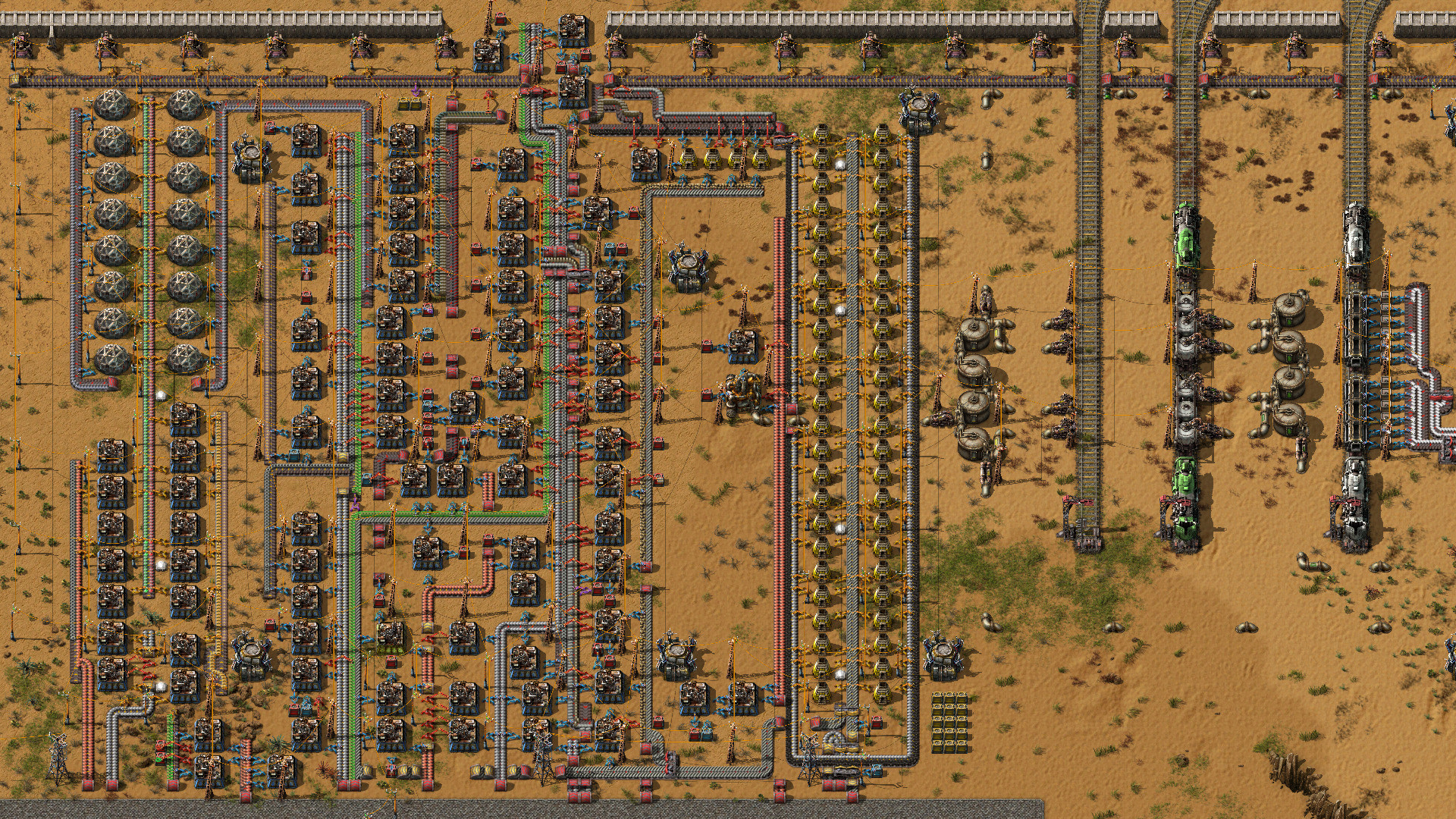
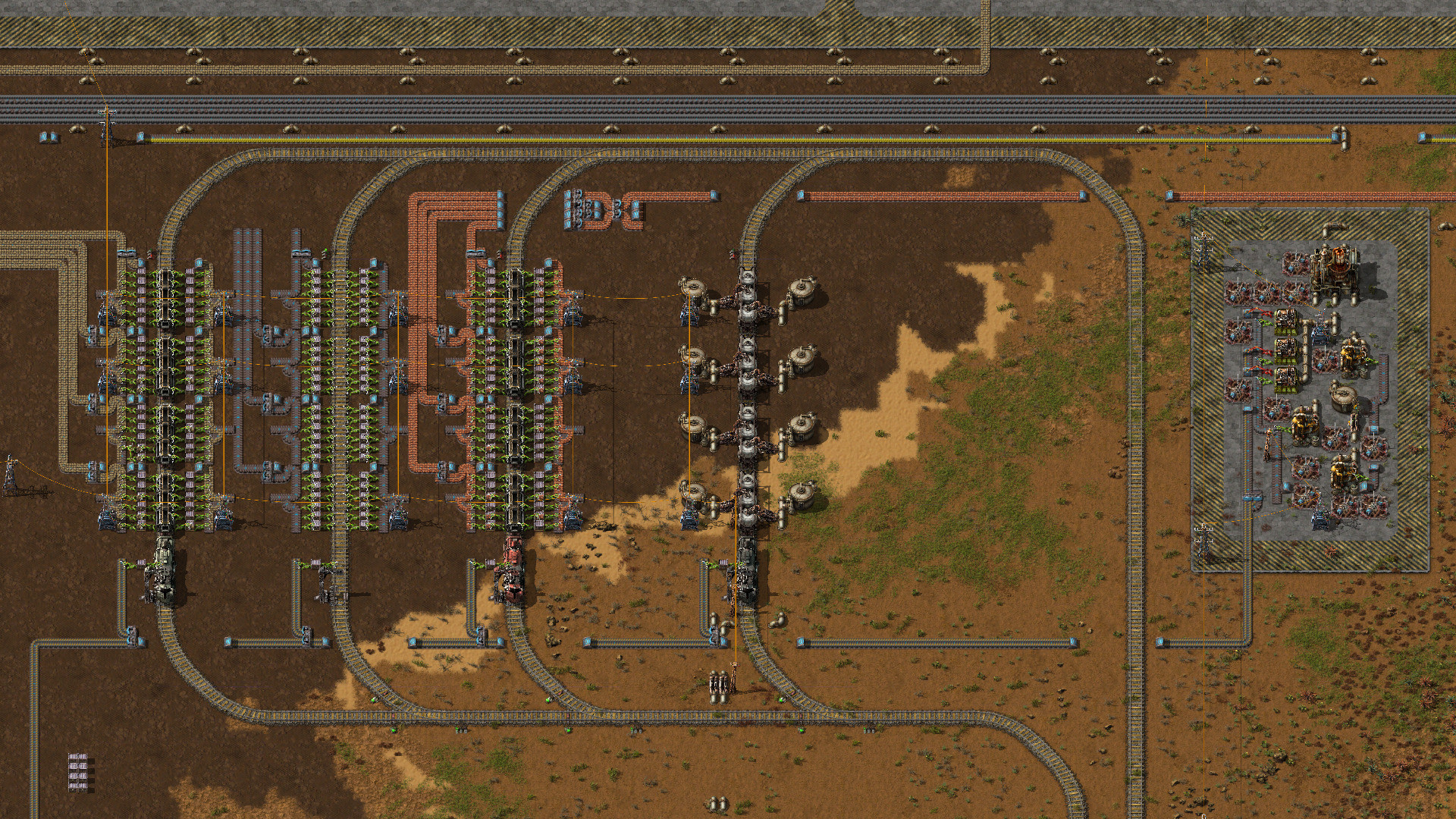
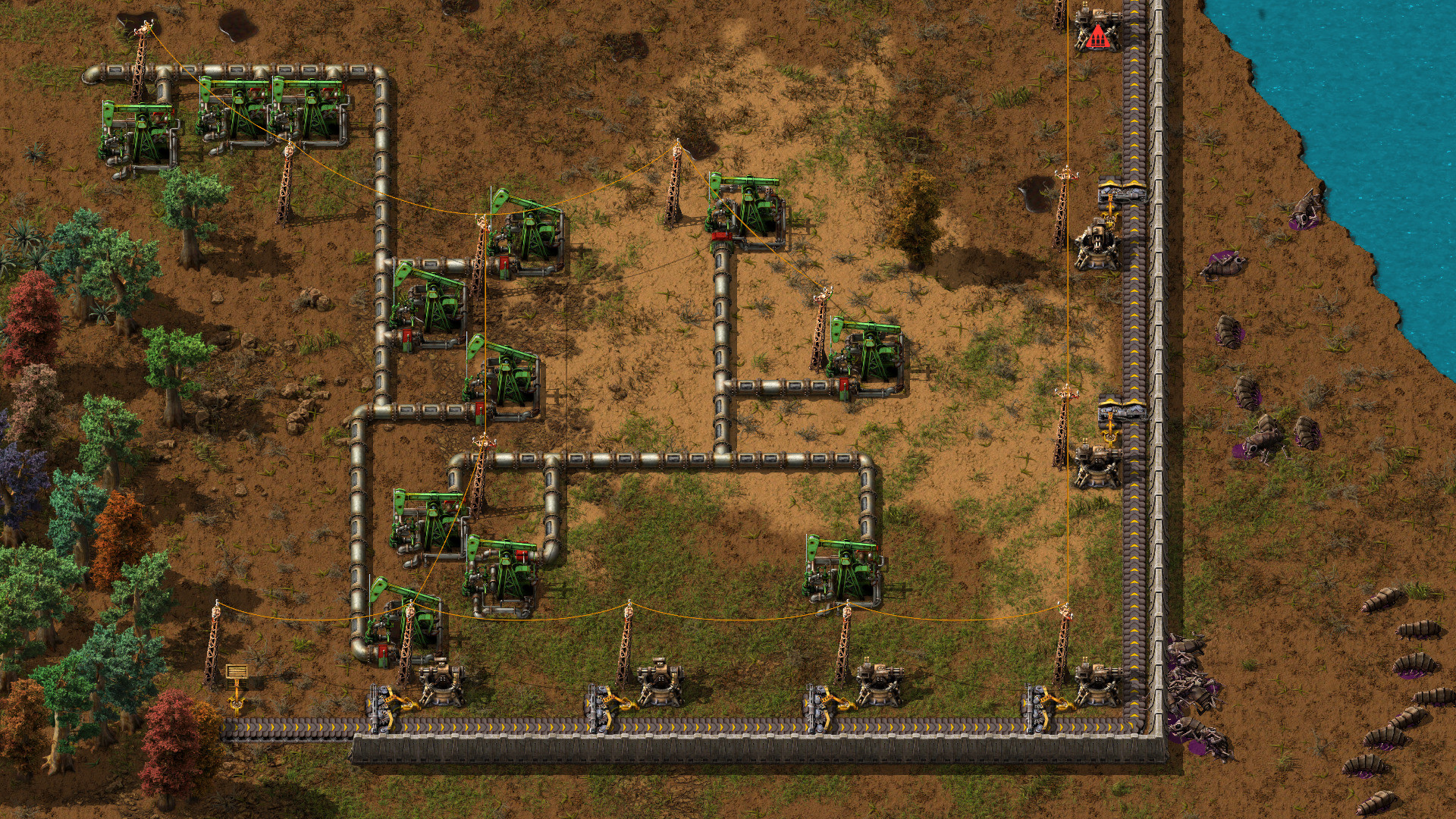
Honestly, Factorio is the game I recommend first when someone asks about factory builders. Belts and assemblers automate production, you scale up, and the loop becomes absurdly addictive — hours disappear without warning. The polish level is exceptional.
On Steam, Factorio holds an "Overwhelmingly Positive" rating with a stratospherically high approval percentage. It's one of the highest-rated games on the entire platform — and the rating has held for years.
The Good
Pros
- +Production automation loop in a class of its own
- +Belts, assemblers, and circuits give endless factory design freedom
- +Space Age expansion and the mod scene extend it indefinitely
- +Rare design where "make it work, then improve it" rewards never dry up
- +Gradual complexity ramp — never unfair, always learnable
Cons
- −Steep learning curve in the first few hours
- −The time-sink risk is real — sleep schedules suffer
- −Pricier than most indie titles
What Makes It Addictive — The Build-Then-Improve Loop
The core fun is the cycle of "build something that works, then improve it." Manual mining gets automated, belts connect, assemblers spin up — and the feedback loop is short enough that achievement is always within reach.
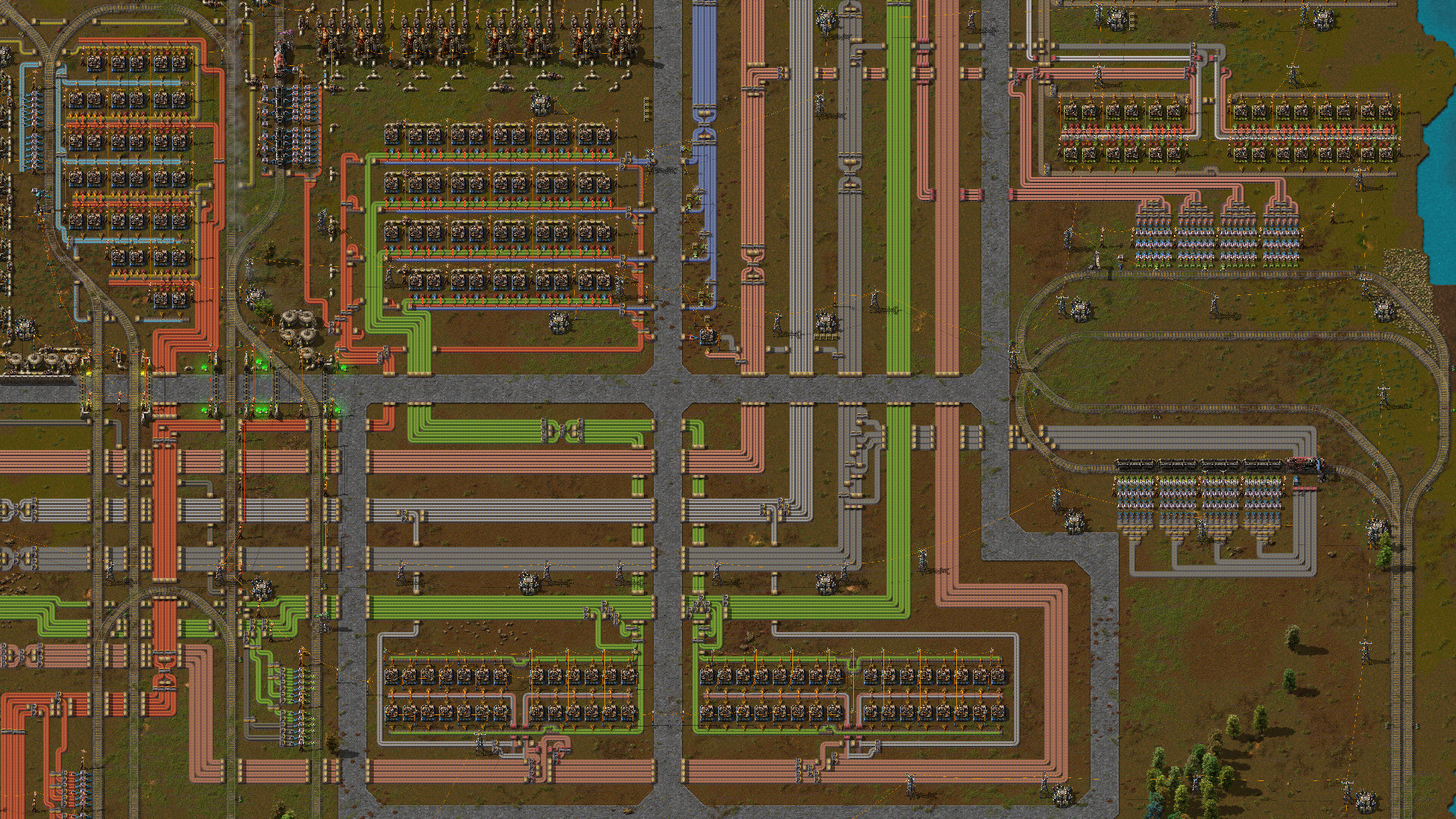
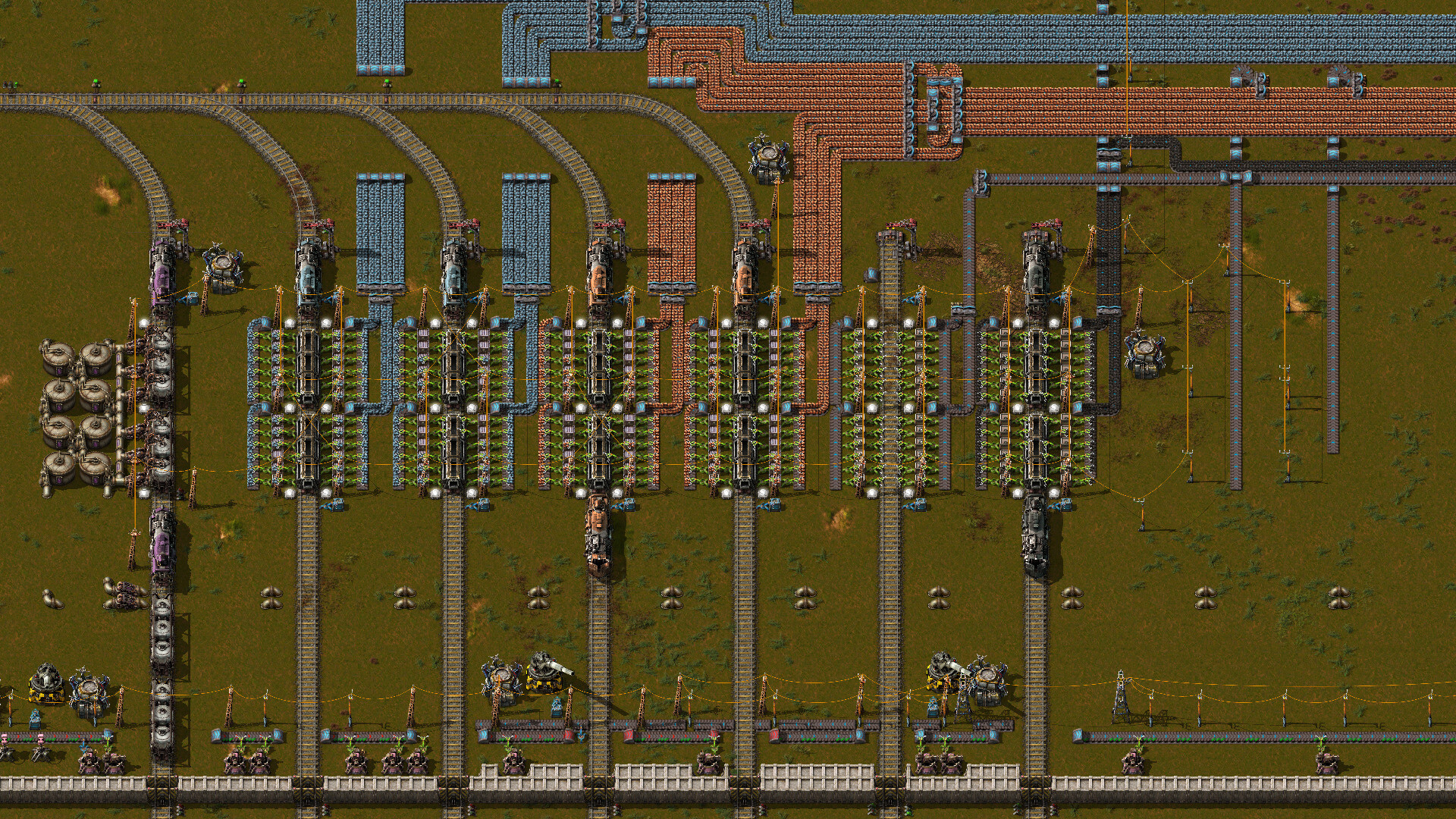
The moment your main bus snakes through the base and production lines branch off in neat order is one of the most satisfying sights in any game. Watching your own design run itself is a payoff no other genre quite replicates.
The Not-So-Good — Learning Curve and Time Cost
Honestly, the first few hours can feel like staring at a wall of mechanics. There are a lot of recipes, a lot of options, and a lot of ways to optimize. Looking things up is part of the process.
And the bigger warning — time really does vanish. "Just one more improvement and I'll go to bed" turning into sunrise is a near-universal Factorio experience. Set a timer if you have anywhere to be the next day.
Final Score — Essential for Automation Fans
Overall 9.6. Even accounting for the learning curve, the joy of automation and optimization here is in a class of its own.
If you're starting out, our Beginner Guide, Main Bus Design, and Progression Guide are the best places to begin.