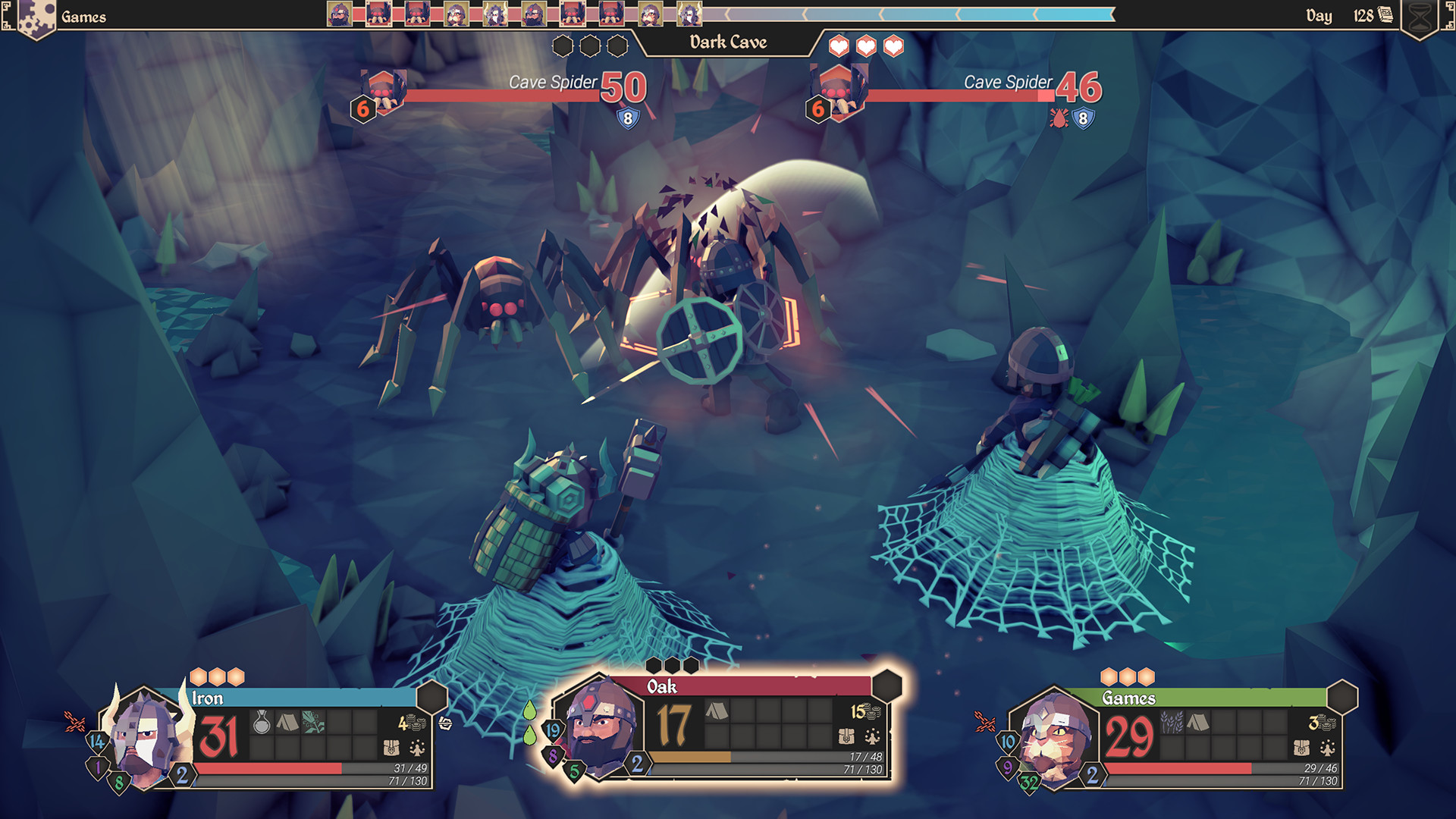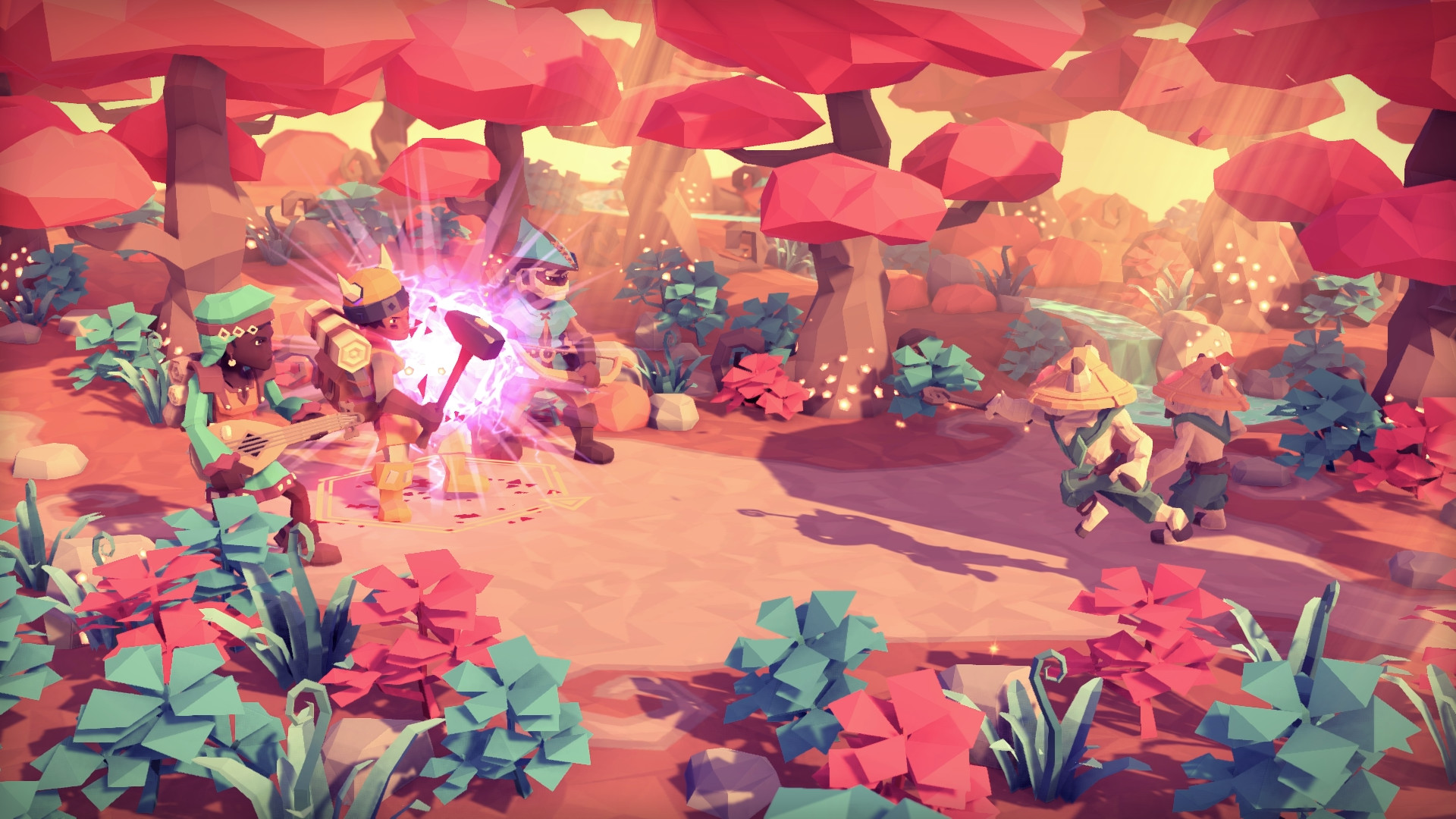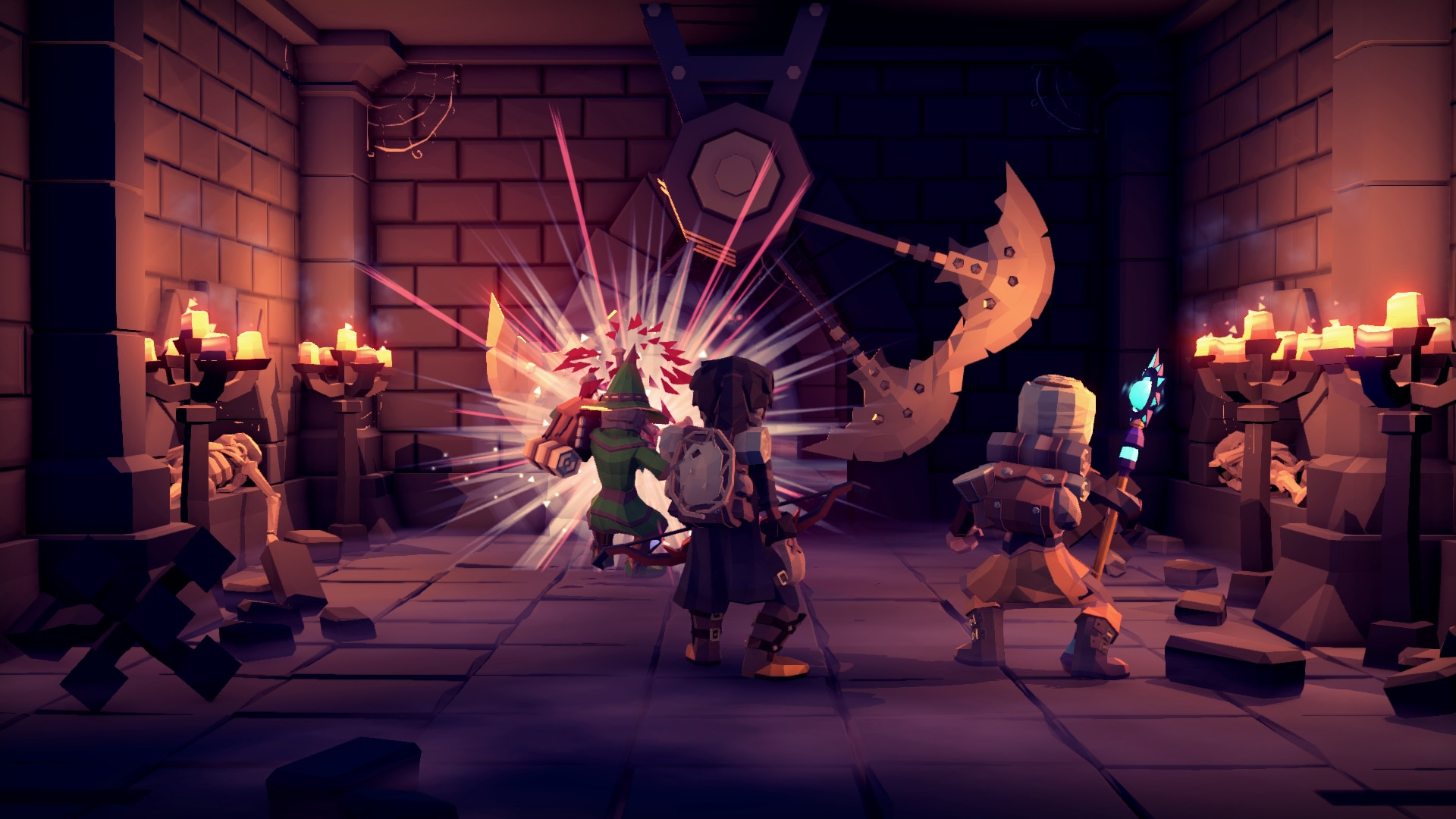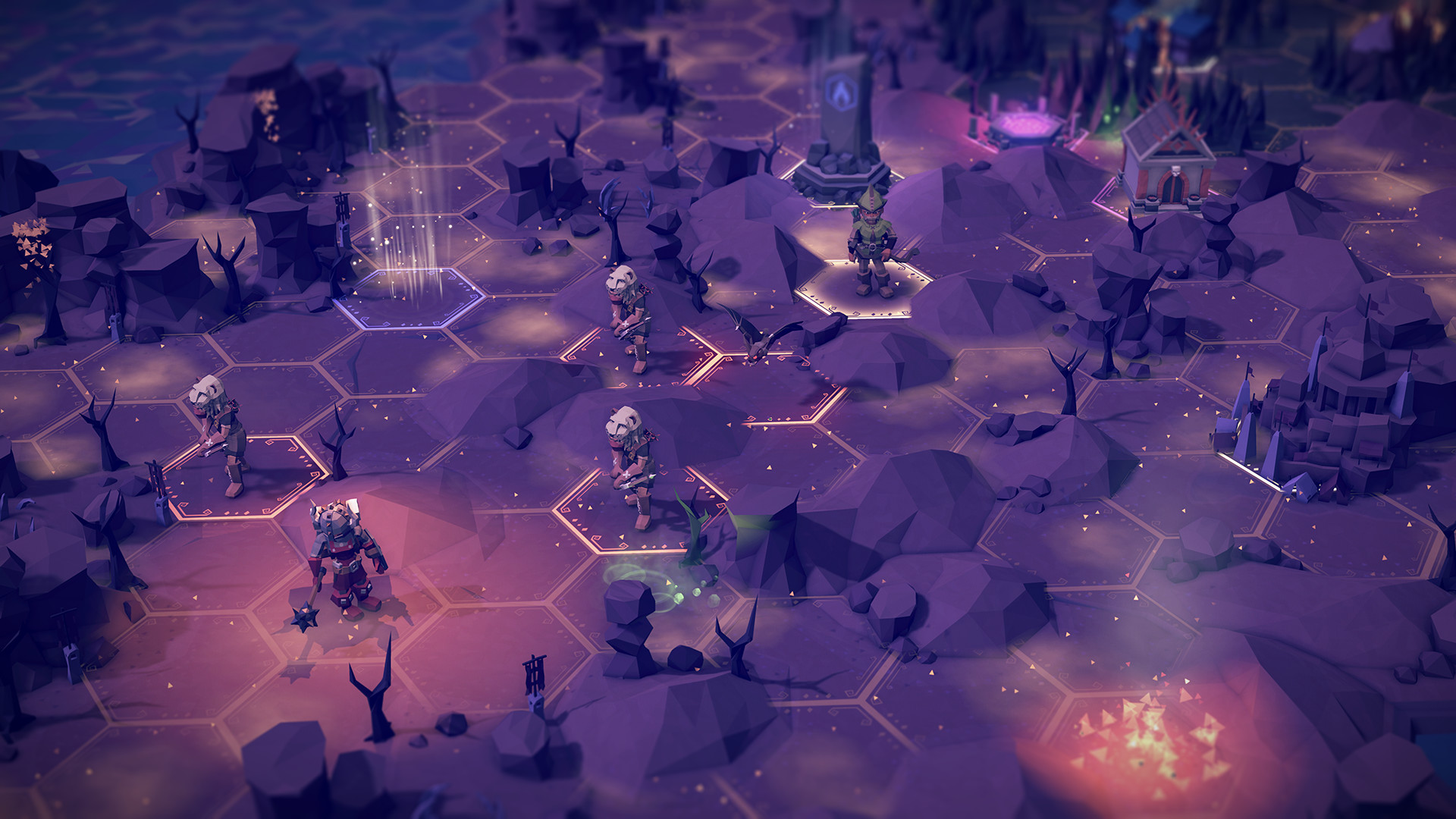
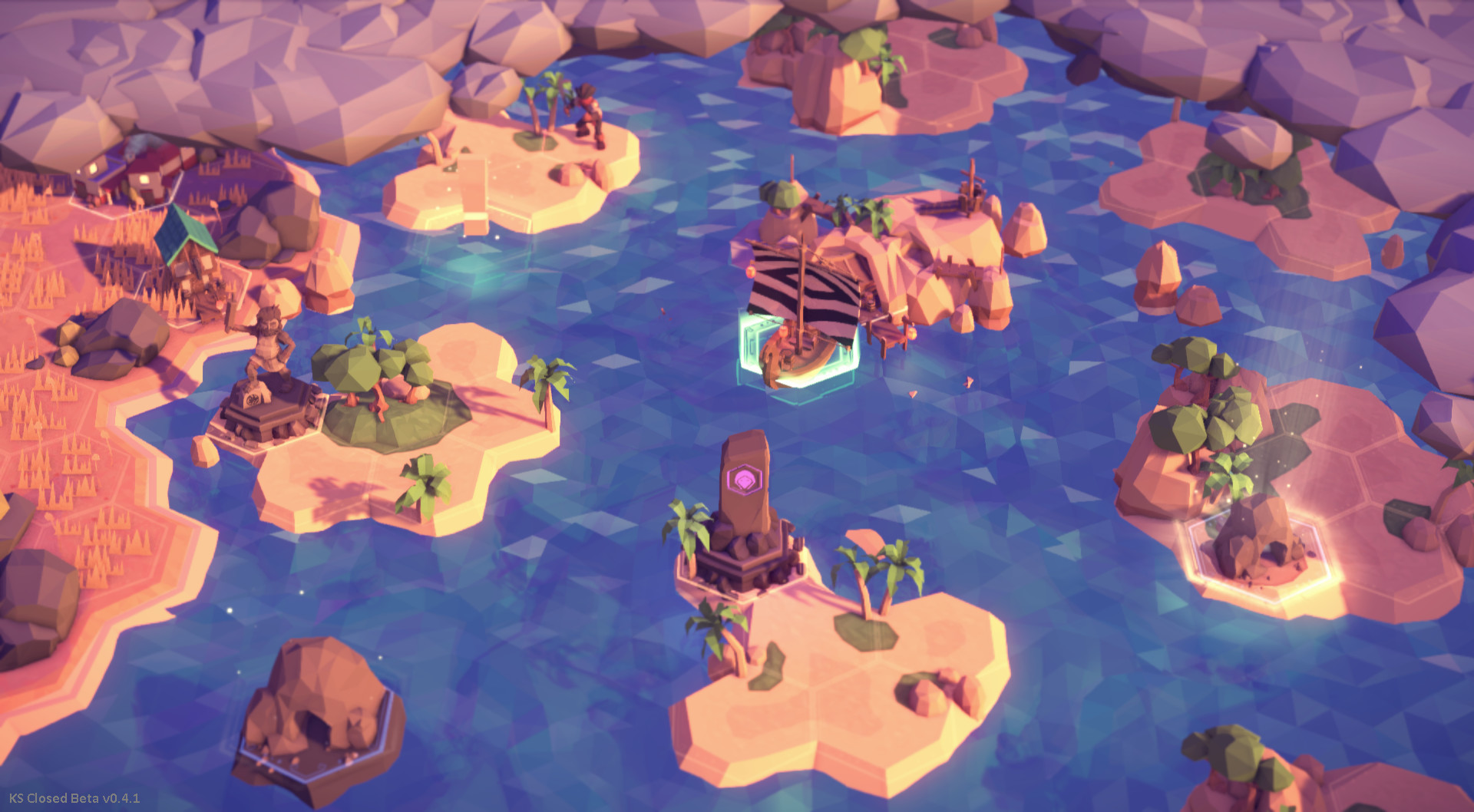
For The King gives you three adventurers, a board of hexes, seven stats and a king who has just been murdered. It looks like a tabletop RPG rendered in low-poly, and most first runs end the same way: you reach a boss with an empty Focus pool and roll naturally while it does not.
That is the whole lesson, and it takes one habit to fix.
What to do first, in order
| Priority | Do this | Why it ranks here | Common mistake |
|---|---|---|---|
| 1 | Learn what Focus does before spending it | It converts a chance roll into a guaranteed one, and it pays for combat, chests, traps and movement from one pool | Treating it as a minor stat and spending it on the first lock you see |
| 2 | Start with the Scholar | Free at 0 Lore, Focus 4 where most have 3, and Refocus regenerates it each turn | Picking the Blacksmith because 33 HP looks safest |
| 3 | Meditate, do not use the inn | Meditation fully restores Focus **without ending your turn** | Sleeping at every town and losing turns on a timed adventure |
| 4 | Skip chests you do not need | Locks draw from the same pool as your attacks | Opening everything and arriving at the boss with nothing |
| 5 | Stop planning around Luck | It is 50 on all thirteen characters and can never be focused | Hunting for a lucky character that does not exist |
If you take one thing: Focus is the only resource worth optimising. Strength and Intelligence move in tens between characters. Focus moves in ones and decides whether any of those numbers get used.
Focus in one table
| Question | Answer |
|---|---|
| What does one point do? | Guarantees one roll slot, and raises accuracy on the other slots of that same action |
| Where does it get spent? | Attacks, fleeing, defending, chests, traps, random encounters, and movement on the overworld |
| What is the cap? | **9**, and no equipment pushes past it |
| What can it never touch? | **Luck rolls**, and attacks made with unfocusable weapons |
| How do I get it back? | Meditate in town (full, no turn cost), inn (small, ends turn), Refocus or Discipline, Golden Root, levelling up |
Raising your maximum Focus does not refill points you have already spent. Equip the gear that increases your maximum first, then meditate, so you fill the larger tank. Since Focus converts directly into movement points, the surplus turns straight into travel.
The party to start with
| Character | Lore | Why | Key numbers |
|---|---|---|---|
| **Scholar** | 0 | Focus 4 and Refocus. The only free character that makes more certainty | Foc 4, Int 78, Spd 70 |
| **Hunter** | 0 | Elite trap evasion means dungeons stop draining your pool | Eva 17, Awa 78, Spd 78 |
| **Blacksmith** | 0 | Somebody has to absorb the fights you cannot avoid | 33 HP, Vit 80, Str 76 |
All three are available from the start for no Lore at all. Once you have Lore to spend, the Trapper at 10 is the best early unlock — elite trap disarm is effectively more Focus — and the Monk at 18 is the only other character that regenerates it.
The mistake that ends first runs
You enter a dungeon with a full pool. There is a locked chest, so you spend two Focus opening it. There is a trap, so you spend two evading it. Another chest, another two. Then the boss appears and your party has one point between them.
Chests and traps compete directly with your attacks, and the game never tells you this because they appear in different parts of the interface. A useful rule for a first campaign: open chests only when your Focus is close to full, and walk past them when it is not.
Two characters carry skills that regenerate Focus rather than merely restoring it in town — the Scholar's Refocus and the Monk's Discipline. Both give a chance to recover a point at the end of a turn. Over a long dungeon that is the difference between finishing with a full pool and finishing with none.
Things you cannot undo
- An adventure consumes its heroes. When a run ends, win or lose, those characters cannot be brought into a future one. They can be recreated from scratch, but their progress is gone.
- Luck is fixed. Fifty on every character, unfocusable always. There is no build, item or skill that changes this.
- Unfocusable weapons. Some weapons remove your ability to focus attacks entirely. Check before equipping an upgrade — a weaker weapon you can focus out-damages a stronger one you cannot.
Five ways to lose a first run
- Spending Focus on every lock. The boss is drawing from the same pool.
- Using the inn instead of meditating. You are paying a turn for less restoration.
- Meditating before upgrading gear. Fill the big tank, not the small one.
- Picking characters by Strength. Focus decides more, and it varies from 2 to 4.
- Equipping an unfocusable weapon. You just traded away every guaranteed hit.
Once the basics land, the full Focus rules including the cap and its exceptions are in the Focus guide, every character's stats are in the class tier list, and how to combine three of them is in the party guide. If you have not bought it yet, start with the honest review.