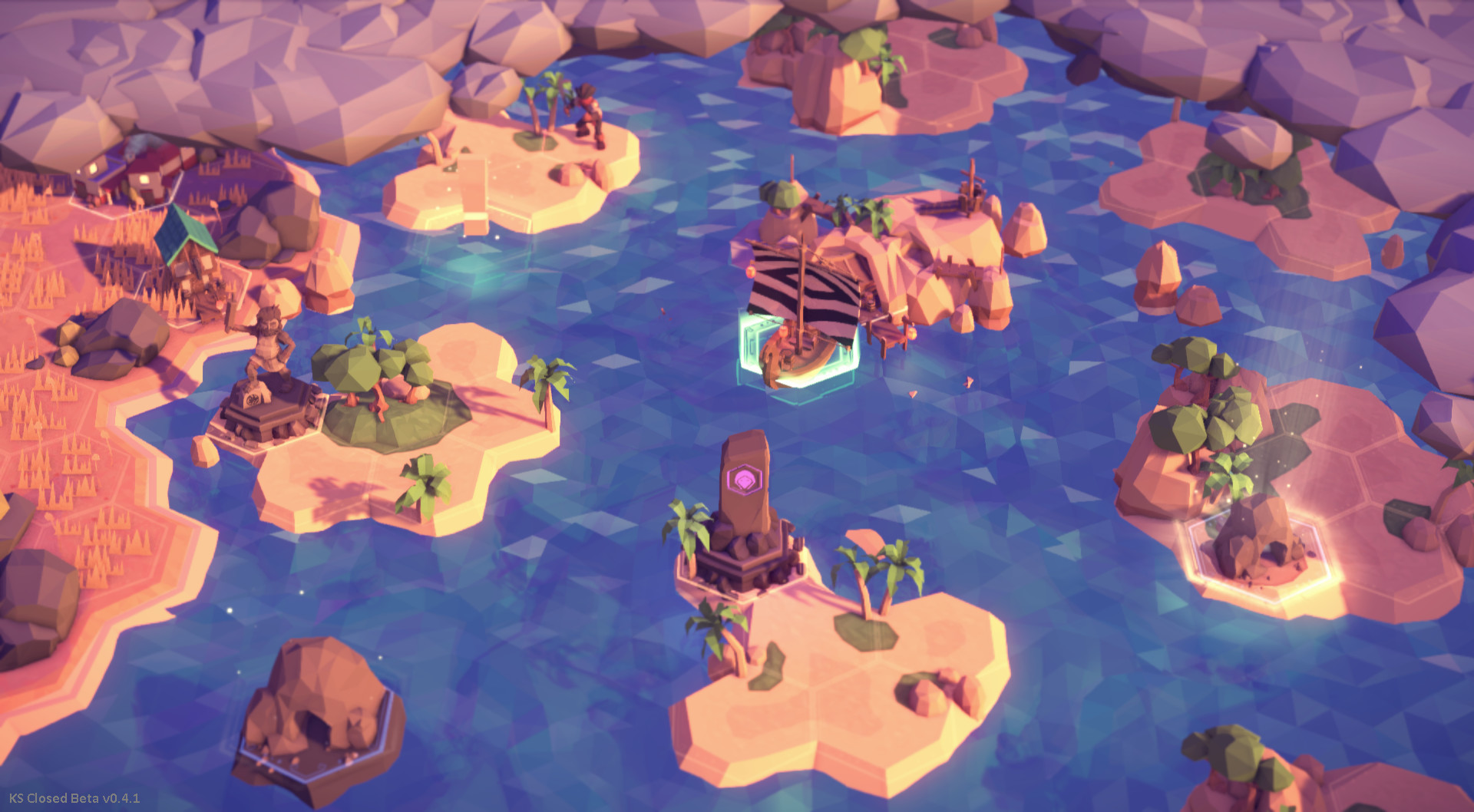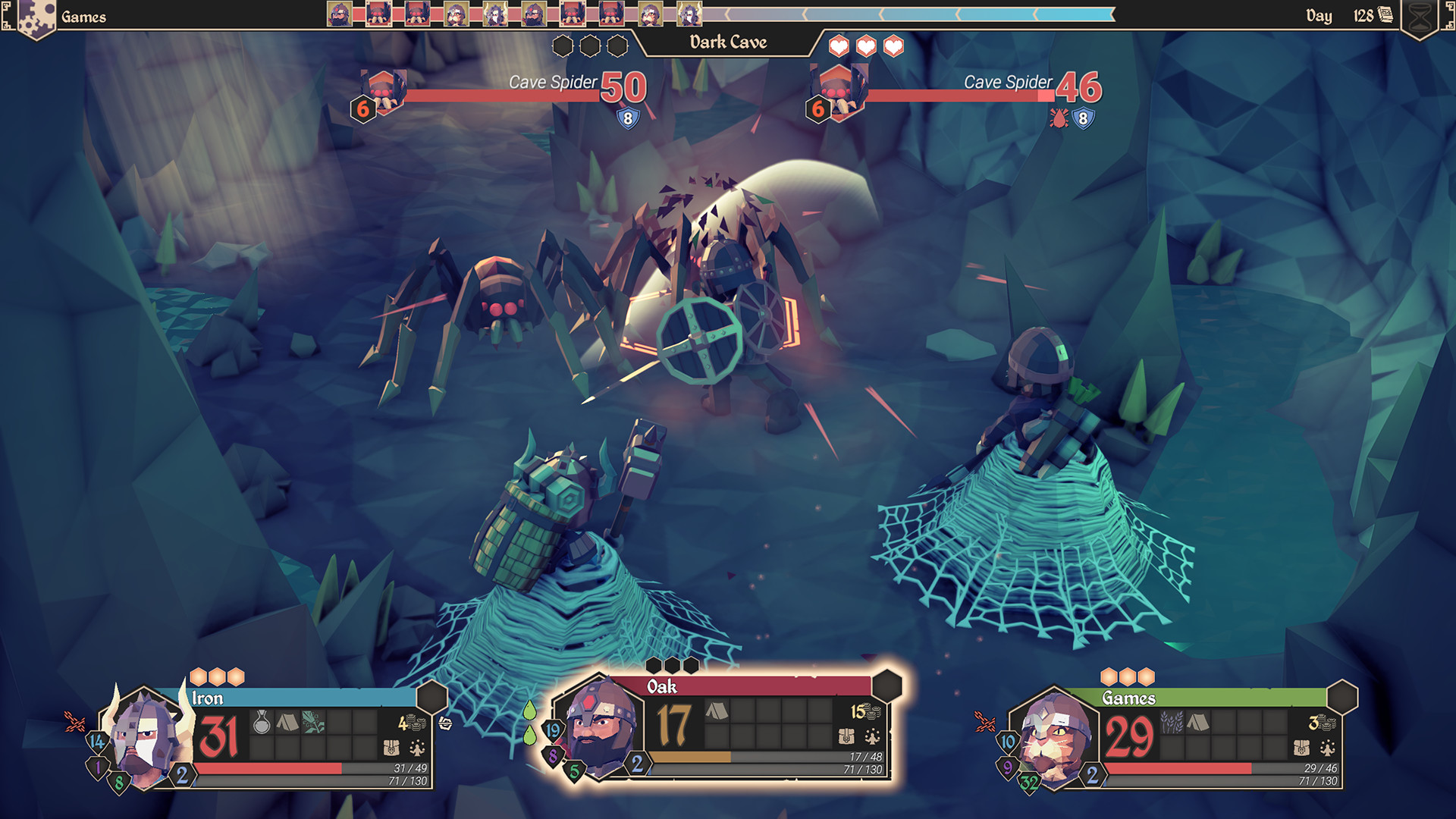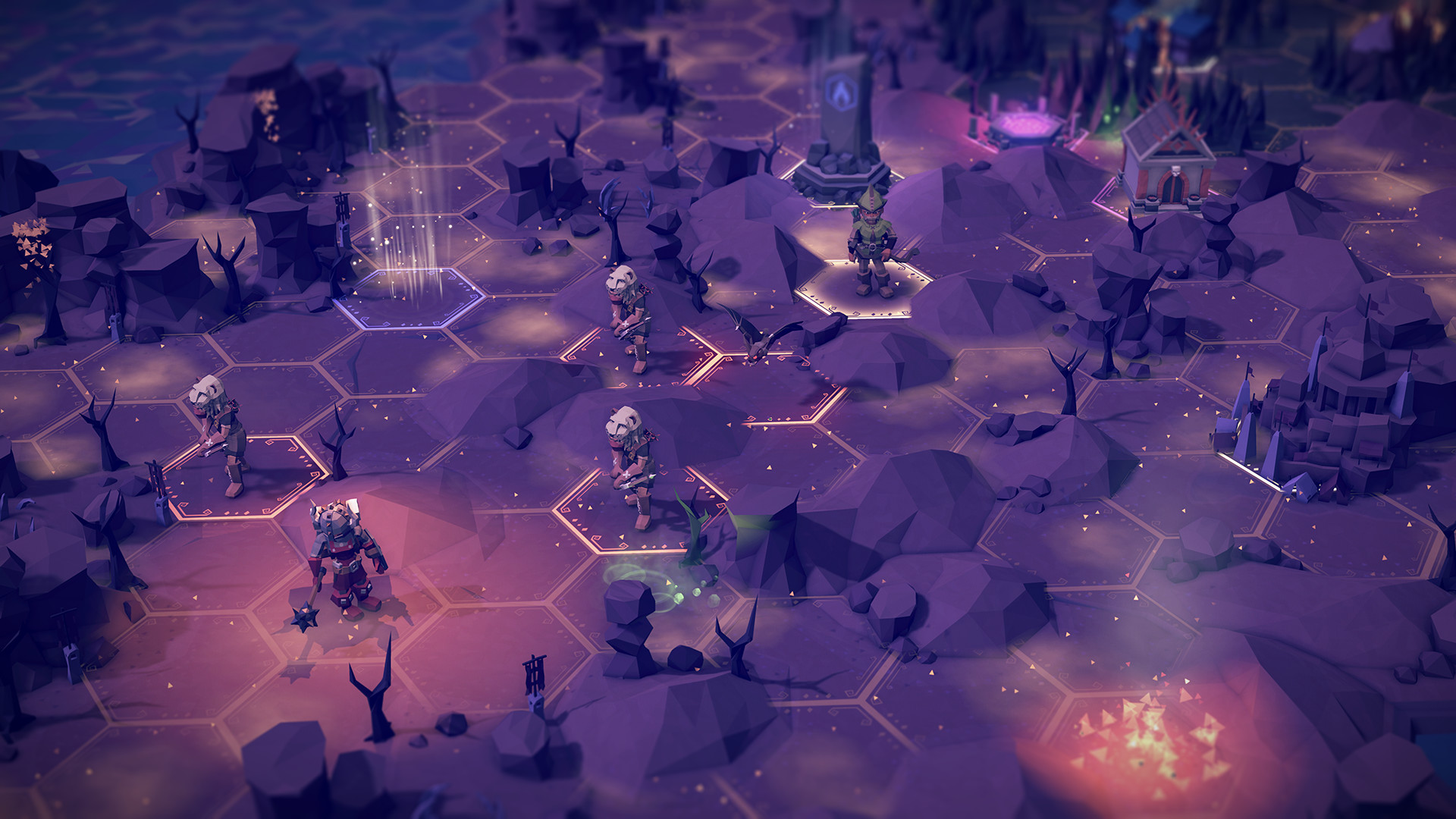
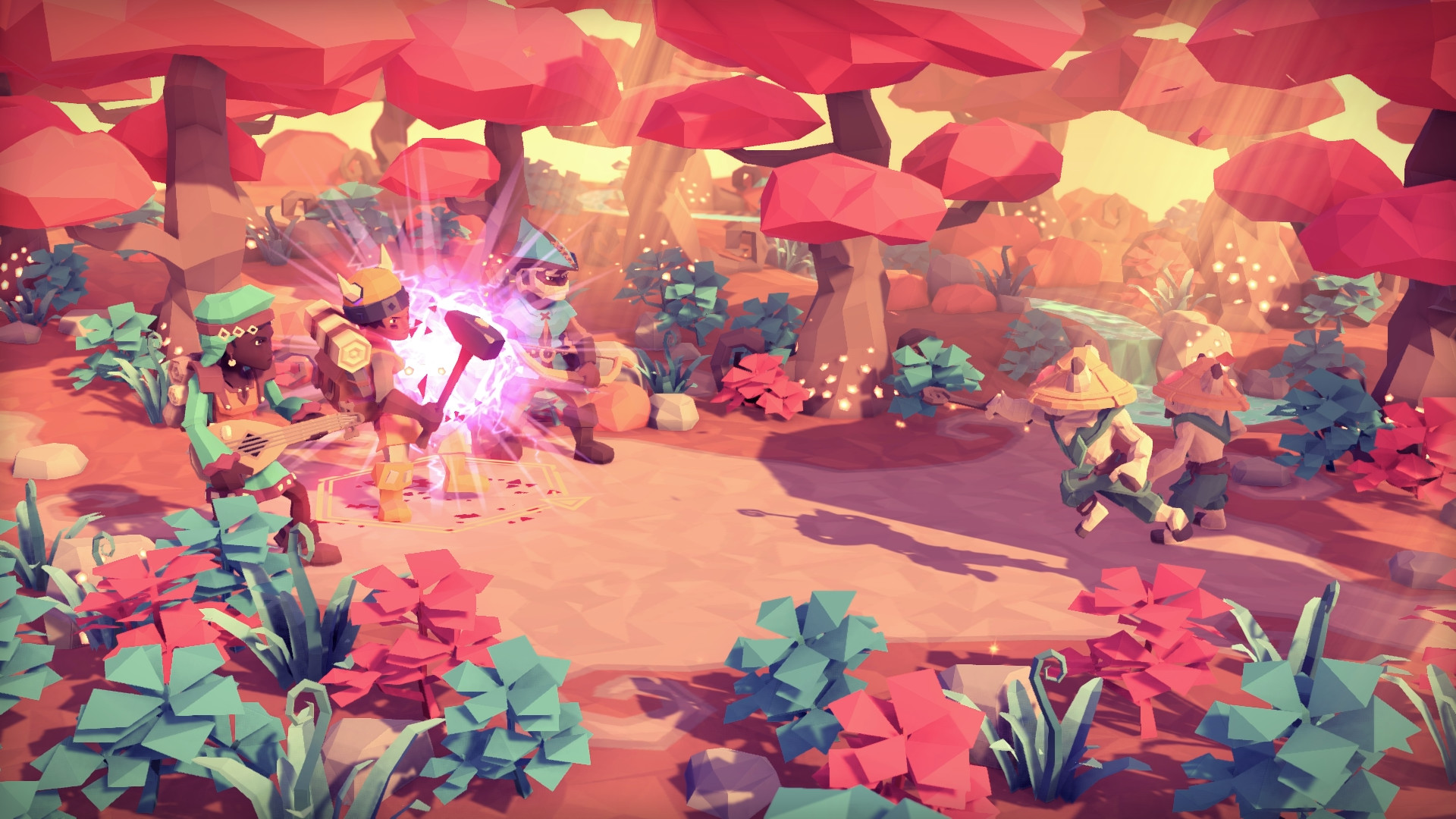
For The King shows you seven stats, a party of three and a board full of hexes, and it looks like the usual question of building numbers up.
It is not. One resource decides almost everything, and it is not on the list of things people usually optimise.
Focus is the currency that converts a random roll into a guaranteed one. It pays for attacks, for fleeing, for defending, for opening chests, for evading traps, for random encounters, and it converts directly into movement on the overworld. All of it comes from one pool, and that pool caps at nine.
What a Focus point buys
-
1
It fills one roll slot with a guaranteed success
Any skill check in this game presents slots with percentages. One Focus makes one of those slots a certainty rather than a chance.
-
2
It also improves the slots you did not fill
This is the part most guides leave out. Focusing a roll does not only lock the one slot — it raises the accuracy of the remaining rolls in that same action. Two Focus on a three-slot attack is worth more than two separate one-point actions.
-
3
It becomes movement
On the overworld, Focus converts directly into action points. A spare point is genuinely another hex of travel, which is why the resource never feels like it is purely a combat stat.
-
4
It opens locks and dodges traps
Chests and dungeon traps draw from the same pool as your attacks. A dungeon run that empties your Focus on chests is a dungeon run whose boss fight is decided by raw dice.
The cap is nine, and so is movement
Maximum Focus is hard-capped at 9. No amount of equipment stacks past it.
Two consequences follow, and both are about ordering rather than gear.
Increasing your maximum Focus does not refill points you have already spent. So the order is: equip the gear that raises your maximum, then meditate. Meditation restores Focus fully without ending your turn, so a character who swaps in high-Focus items first walks away with a larger full tank — and since Focus converts to movement, which is also capped at nine, that surplus turns straight into travel.
The second consequence is that hoarding has a ceiling. Once you are at nine, every point of Focus you would have gained is discarded, so the correct play near the cap is to spend freely — on movement if nothing else.
What Focus cannot touch
This is the interesting half, and it is where For The King's difficulty actually lives.
| Case | Can you focus it? | What that means |
|---|---|---|
| Attack, flee, defend | **Yes** | Combat is as certain as your Focus pool allows |
| Chest locks, trap evasion | **Yes** | Dungeons compete with combat for the same points |
| Random encounters | **Yes** | Many events are a stat check like any other |
| Some specific checks | **No** | The Glass Rod is the usual example — unfocusable by design |
| Attacks with an **unfocusable weapon** | **No** | Every stat check from that weapon rolls naturally, with no way to secure it |
| **Luck rolls** | **Never** | No exceptions, no equipment, no skills |
Every character in For The King has Luck 50. All thirteen of them — Blacksmith, Hunter, Minstrel, Scholar, Herbalist, Woodcutter, Trapper, Busker, Monk, Hobo, Gladiator, Astronomer, Treasure Hunter. It is the only stat that is identical across the entire roster, and it is also the only one Focus can never reach. Whatever happens on a Luck roll is genuinely outside your control, for everyone, always.
That pair of rules explains the game's feel better than anything else. Everything you can influence, you can influence completely if you are willing to pay. Everything else is untouched by anyone.
Unfocusable weapons are a real trap
A weapon that cannot be focused removes the entire decision layer from your attacks. The damage number might look excellent, and the character holding it is now rolling naturally every single turn while their party members buy certainty.
Check for this before equipping an upgrade. A slightly weaker weapon you can focus produces more damage over an adventure than a stronger one you cannot, because the focusable one converts your Focus pool into hits and the other one does not.
Getting it back
| Method | Amount | Ends your turn? |
|---|---|---|
| **Meditate in town** | Full | **No** — the best option in the game |
| Inn | Small health and Focus | Yes |
| Refocus / Discipline skills | Chance at end of turn | No |
| Golden Root and similar consumables | Varies | No |
| Party Calm weapons (Ukulele, Great Water Tome) | Restores the whole party mid-battle | No |
| Hero statues and Sanctums | Partial or full | Varies |
| Dark Carnival | Occasionally full party health and Focus | Varies |
| Levelling up | Partial or full | No |
Two of these are attached to characters rather than to the map. Refocus belongs to the Scholar and Discipline to the Monk, which means those two do not merely start with more certainty, they manufacture it while everyone else spends down.
Common mistakes
- Saving Focus for the boss. Traps and chests will have drained it before you arrive.
- Meditating before upgrading gear. Raise your maximum first, then fill the larger tank.
- Sitting at nine. Every point you would gain past the cap is thrown away — spend on movement.
- Equipping an unfocusable weapon for its damage number. You are trading every future guaranteed hit for it.
- Trying to insure a Luck roll. It cannot be done, by anyone, ever.
Which characters convert Focus into the most value is in the class tier list, and how to build three of them into a party is in the party guide. New players should start with the beginner guide, and the honest review covers whether the campaign around all this holds up.