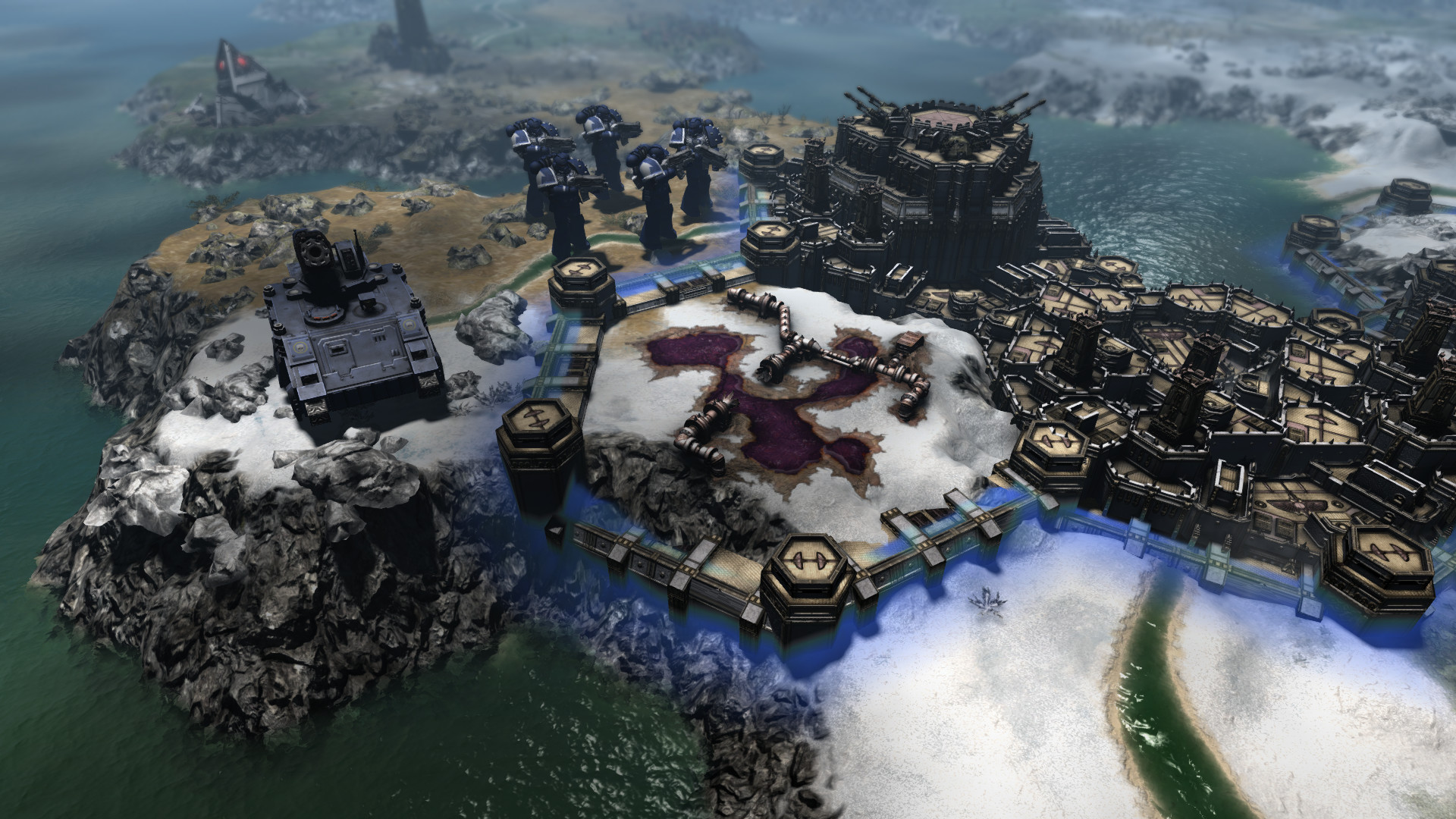
Why Fights Go Wrong
The usual way a Gladius engagement is lost is not a bad matchup. It is an even-looking fight taken on open ground with a fresh unit against a levelled one, where morale breaks before health runs out.
Four systems decide that: armour, cover, level and morale. None of them are hidden, but three of them are easy to under-weight because the game shows you damage numbers and not the multipliers behind them.
Armour Scales Harder Than It Looks
Each point of armour reduces incoming damage, up to 83% damage reduction at 10 armour.
That is the single most important number in the game's combat, because reduction stacks multiplicatively against health. A unit with high armour is not "a bit tankier" — it is taking under a fifth of the damage it otherwise would, which means the attacker needs roughly five times the output to achieve the same result.
Two practical consequences:
- Volume attacks fall off a cliff against armour. Cheap massed shooting that shreds light infantry can be close to useless against a heavily armoured target. Bring the units that deal with armour rather than more of the ones that do not.
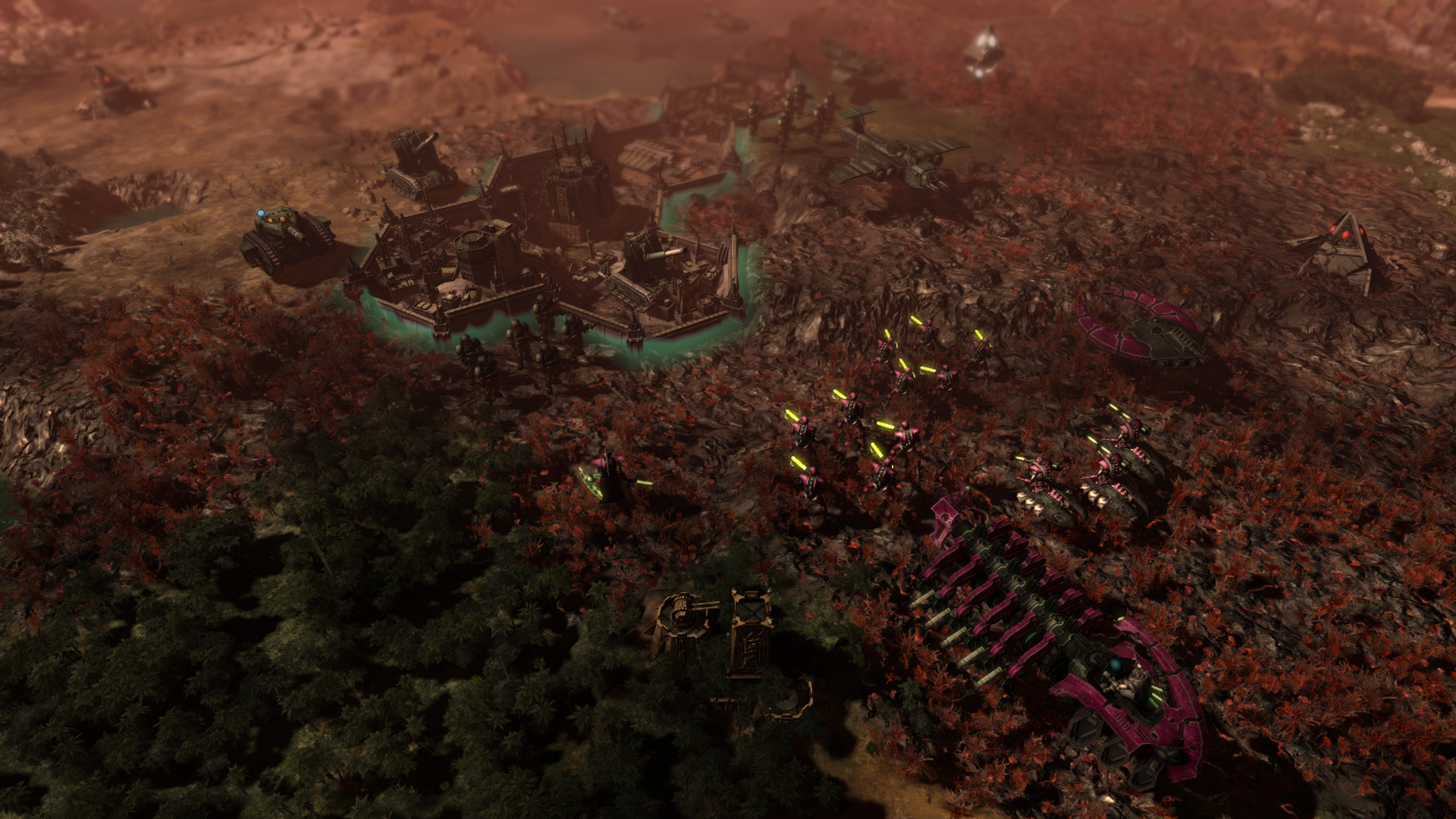
- Armour is why cities are hard to take. Cities have high HP and high armour, which is why they shrug off scouts and wandering neutrals without a garrison doing anything.
If a fight is going far worse than the damage values suggested, check the target's armour before blaming the dice. The gap between 0 and 10 armour is not incremental, it is categorical.
Cover Is a Flat Percentage, So Position First
Terrain gives concrete, readable reductions:
| Terrain / structure | Effect | Use it for |
|---|---|---|
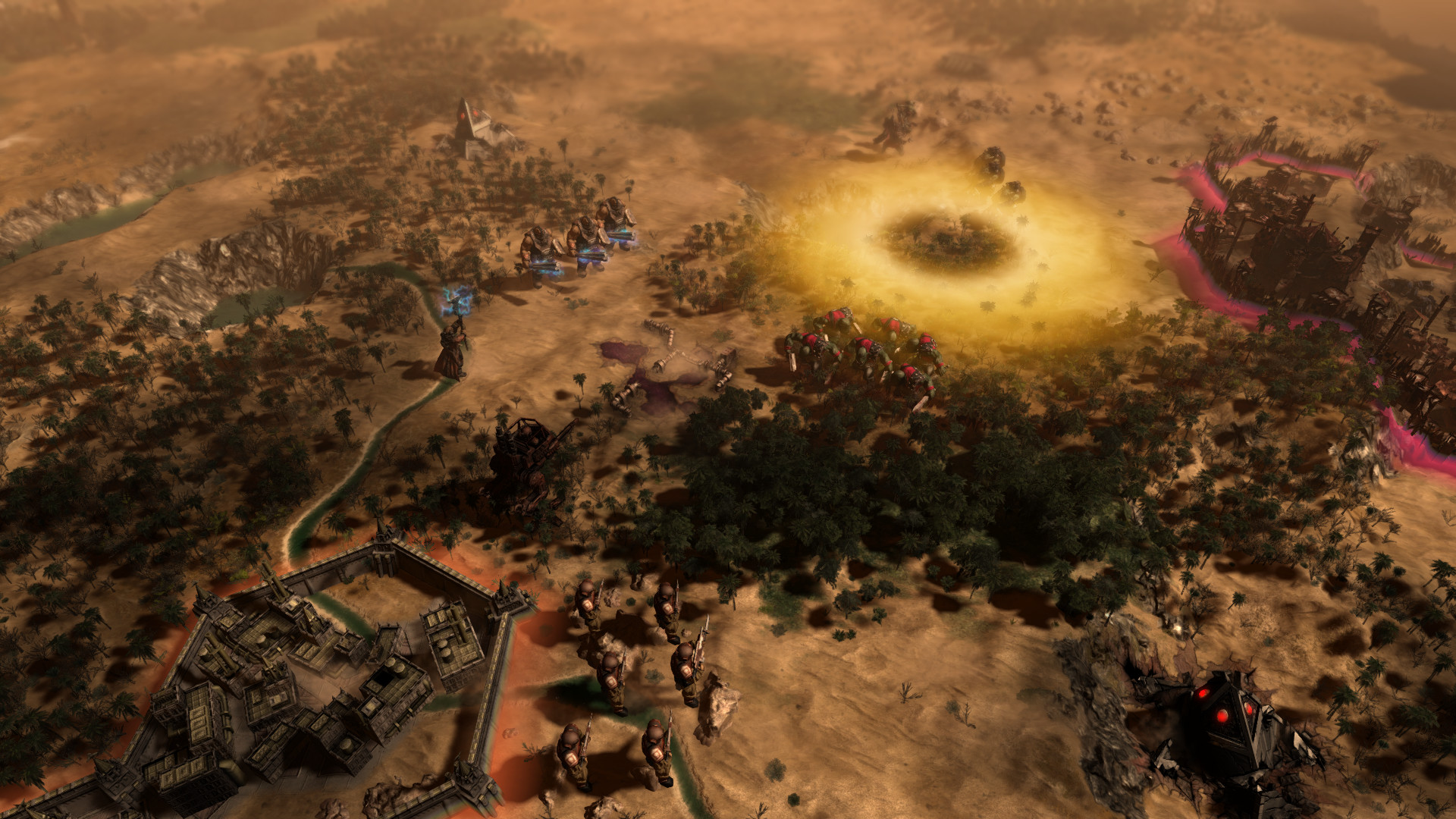
| Forest | 33% ranged damage reduction to units inside, blocks line of sight, ore bonus for buildings built there | Advancing under fire, hiding a stack, denying the enemy a shot |
| Outpost | 17% ranged damage reduction, 17% city damage reduction | Holding a forward position and shielding a nearby city |
| High ground / cliffs | Extended visibility | Seeing first, and therefore shooting first |
A third off ranged damage is a large effect, and the line-of-sight block matters as much as the reduction — a forest is not just a damage buffer, it is a place the enemy cannot shoot into at all from the wrong angle.
The habit worth building is to plan the move before the attack. Moving into forest and shooting next turn frequently beats shooting this turn from open ground, because you keep the unit and the unit keeps its accumulated levels.
Forest also gives an ore bonus to buildings constructed in it. When you are choosing where to put a resource building, the tile that is good defensively is often good economically as well.
Levels Make Veterans Genuinely Better
Units gain experience by being near enemy units when those enemies die, and each level grants both health and damage, up to a maximum of level 10.
Note the wording — experience comes from proximity to enemy deaths, not only from landing the killing blow. Units that are present at fights accumulate levels even when they are not the ones finishing targets, which rewards keeping a core group together rather than rotating fresh units through.
The strategic consequence is that a damaged veteran is usually worth more than a fresh replacement. Pulling a level 6 unit out to heal is normally better than letting it die and building a level 1 one, because you cannot buy back those levels. Late in a game, a small stack of high-level units will beat a larger stack of new ones that costs the same.
This is also why sending single units to scout into danger is so expensive. You are not just risking a unit, you are risking the accumulated levels that made it good.
Reading a Unit Card Fast
Trait colours tell you where an effect came from, which tells you whether to rely on it:
- White — the unit's default traits. Always there.
- Green — temporary beneficial effects. Will expire; do not plan three turns of fighting around them.
- Blue — traits unlocked through research. Permanent, and they apply across the unit type, so research that improves a unit you field in numbers is worth more than it appears.
- Red — negative debuffs currently applied. The first thing to check when a unit is underperforming.
Morale Ends Fights That Health Would Not
Morale is a separate track and it behaves differently per faction, which makes it the most commonly mispriced system in the game.
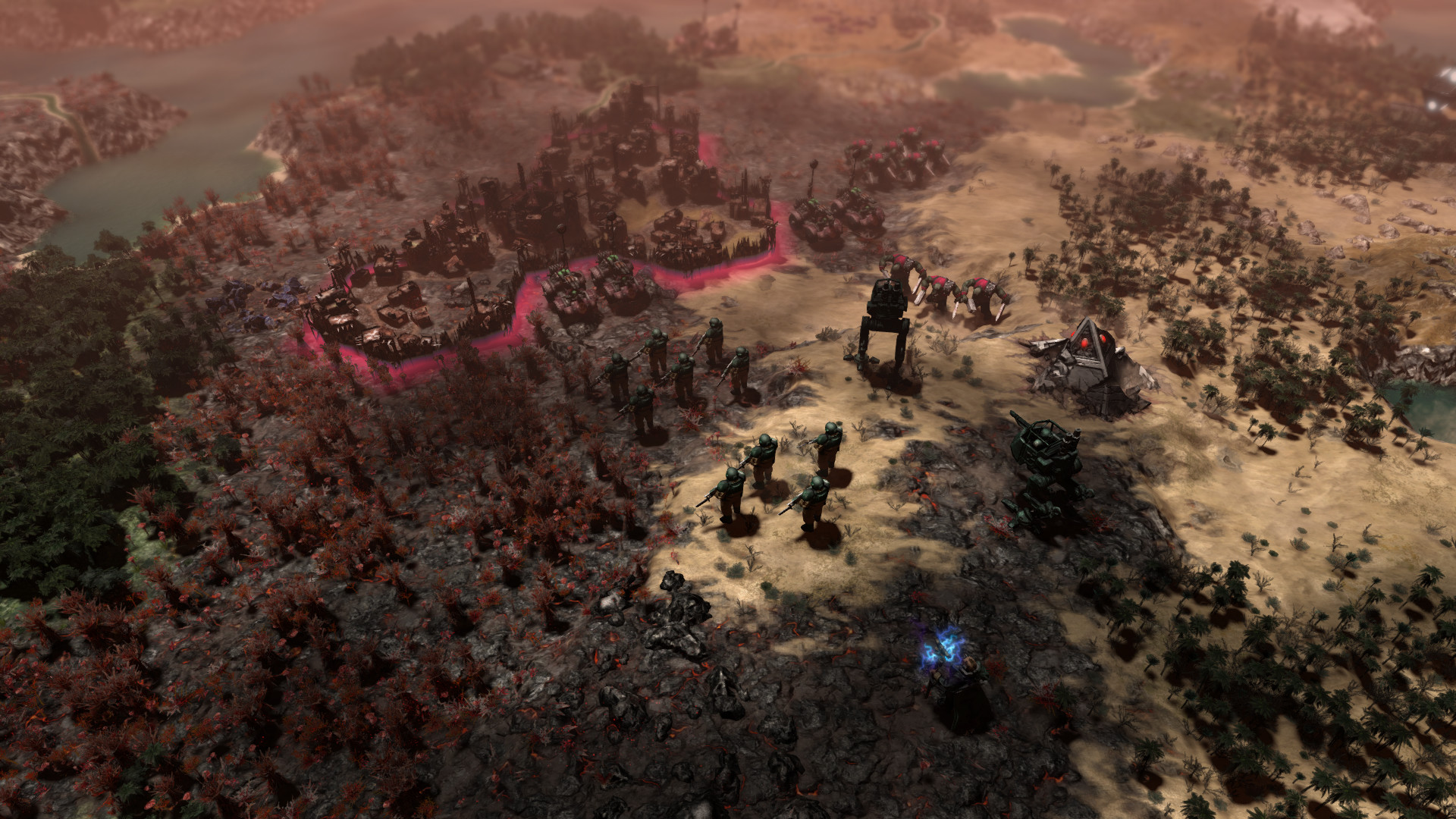
- Astra Militarum are very vulnerable to morale loss. A pressured Guard unit stops functioning well before it runs out of health, so the Guard have to fight in supported groups. Isolated Guard units do not lose slowly, they stop.
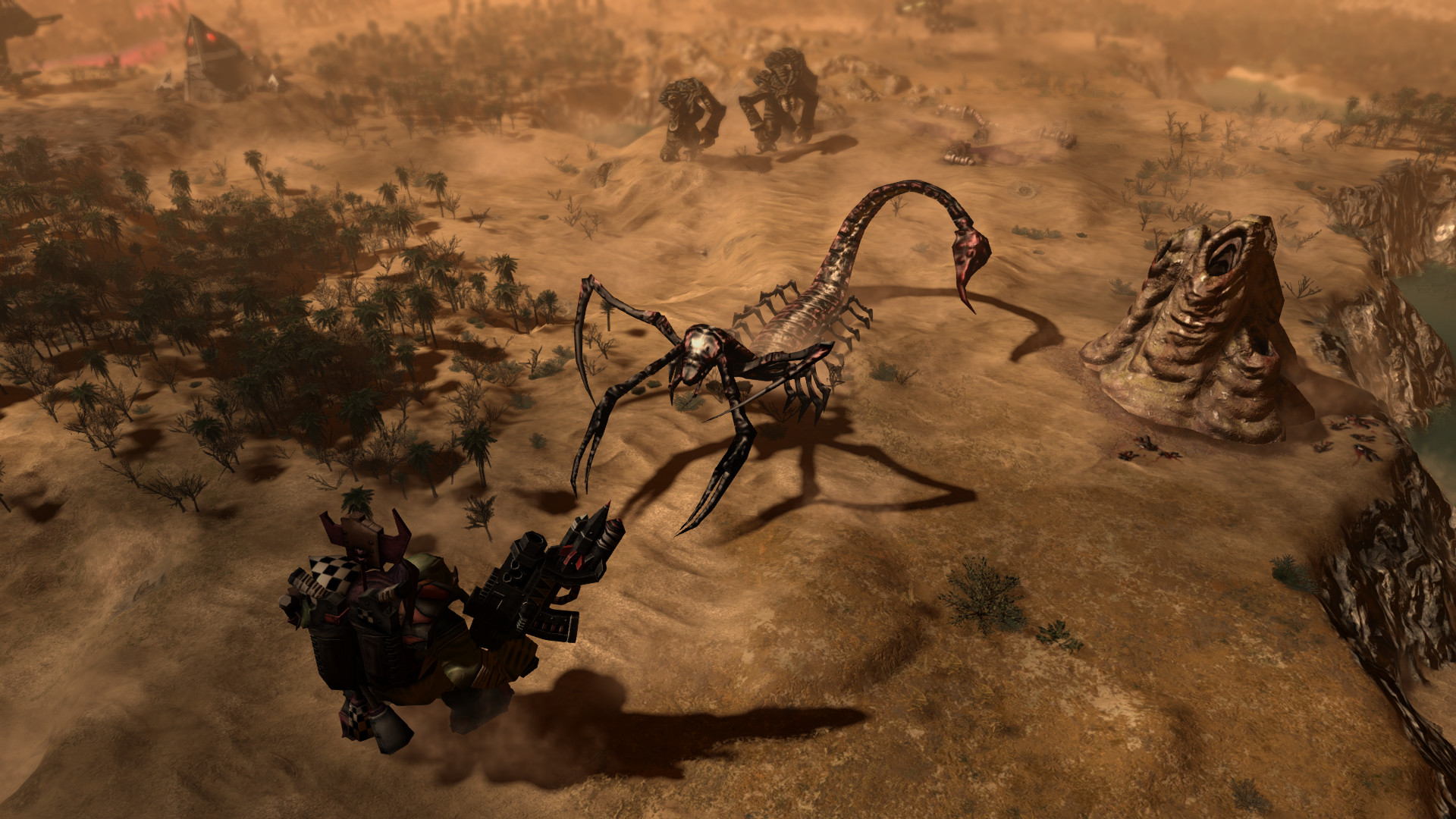
- Orks are the mirror image: they resist morale loss, but when they break they take a lot of damage. Their failure is sudden rather than gradual, so an Ork push that has stalled needs to be pulled back earlier than instinct says.
For faction-by-faction detail on this, see the factions guide.
A Checklist Before You Commit
Run this before attacking into anything that is not obviously free:
-
1
Check the target's armour
If it is high, ask whether the units you are bringing actually deal with armour, or whether you are about to feed them 83% reduced damage.
-
2
Look at the terrain you will be standing on
Attacking out of forest keeps the 33% ranged reduction and the line-of-sight block. Attacking from open ground gives both away.
-
3
Compare levels, not unit counts
A level 8 unit is not equivalent to a level 1 unit of the same type. Count veterans, not bodies.
-
4
Know where your morale cliff is
For Guard, do not leave units unsupported. For Orks, decide in advance what "this push has failed" looks like.
-
5
Confirm you can hold what you take
There is no diplomacy in Gladius, so there is no negotiated pause after a costly win. The next attack is coming.
★ Honest Take: Readable Systems, Unhelpful Presentation
Gladius's combat maths is unusually honest for a 4X. The numbers are flat percentages, they are documented, and once you know them you can predict fights accurately — that is better than most games in the genre manage.
The problem is that the interface does very little to teach them. Armour's 83% ceiling, the 33% forest reduction and the fact that experience comes from nearby deaths rather than kills are all things you either read somewhere or infer after losing a few armies. The systems are good; the onboarding leaves you to discover them the expensive way.