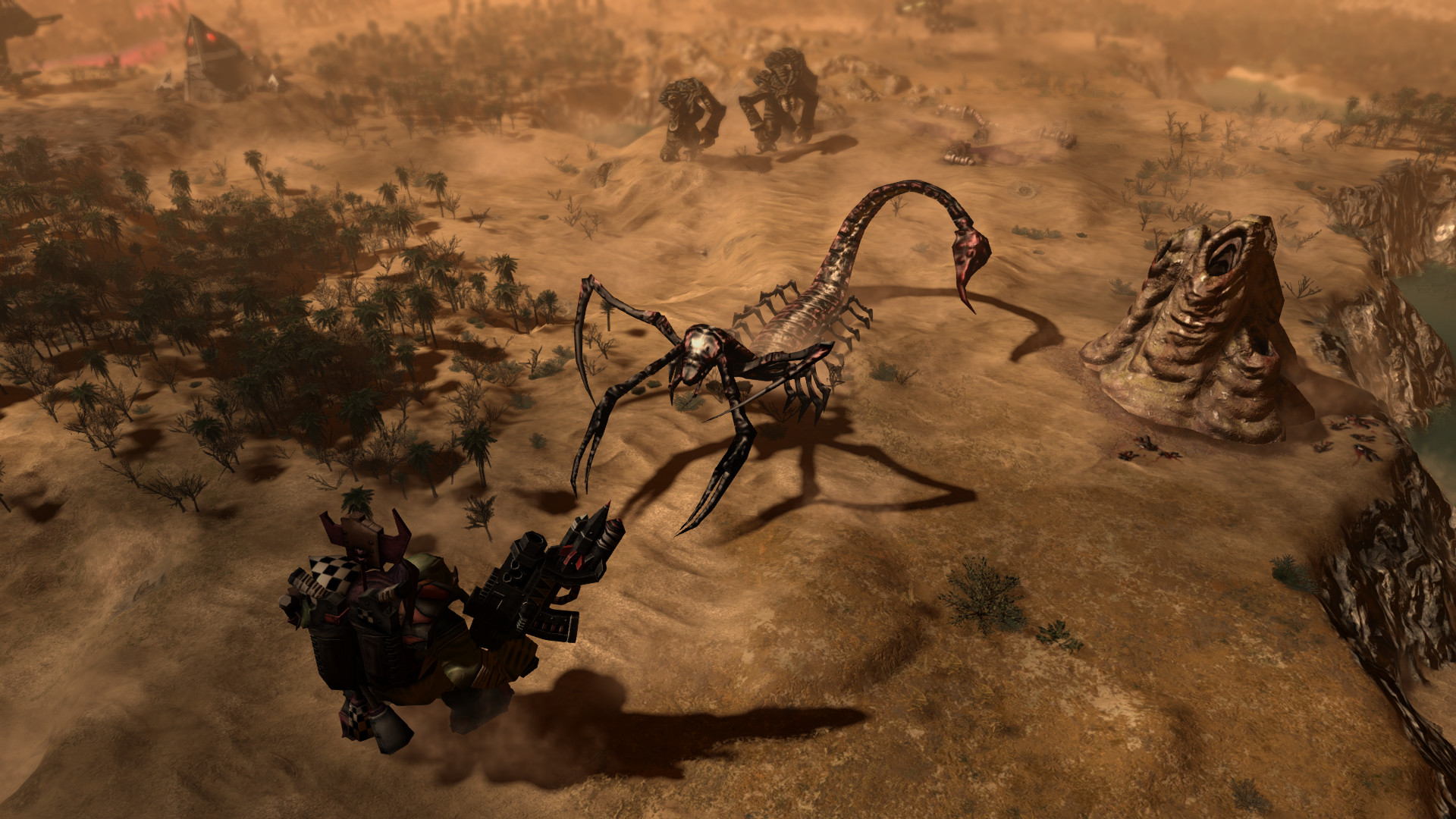
What Gladius Is
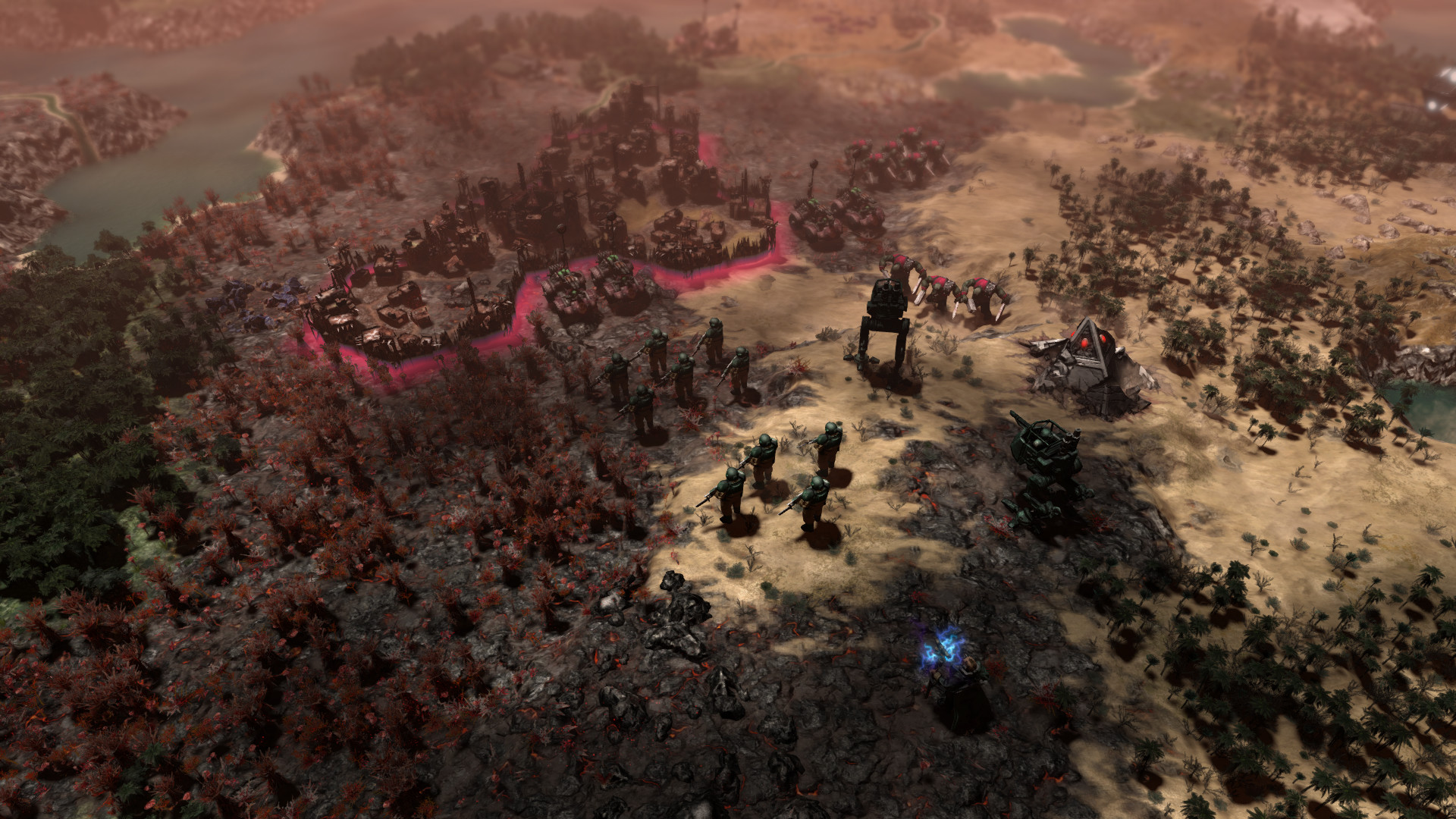
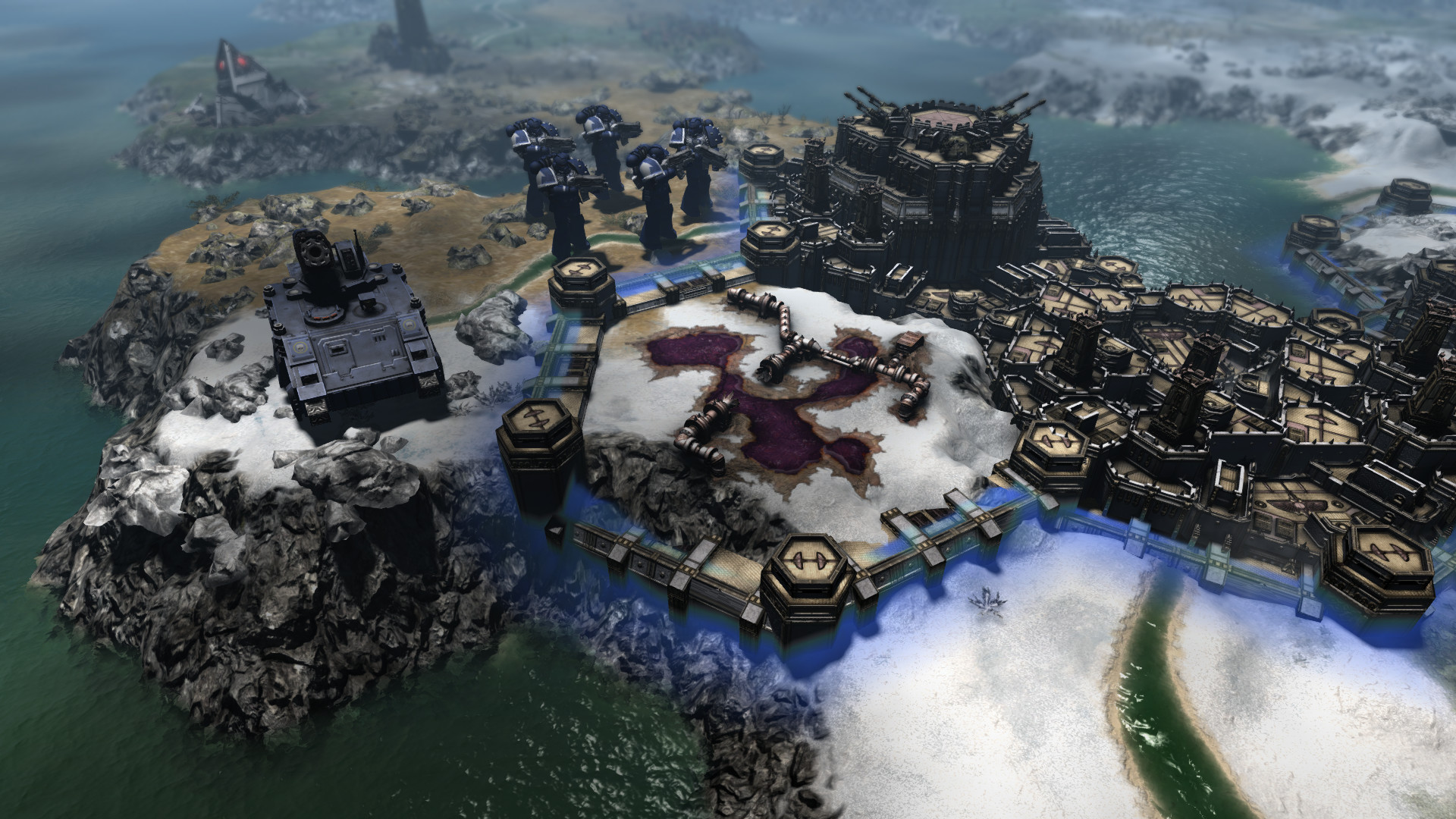
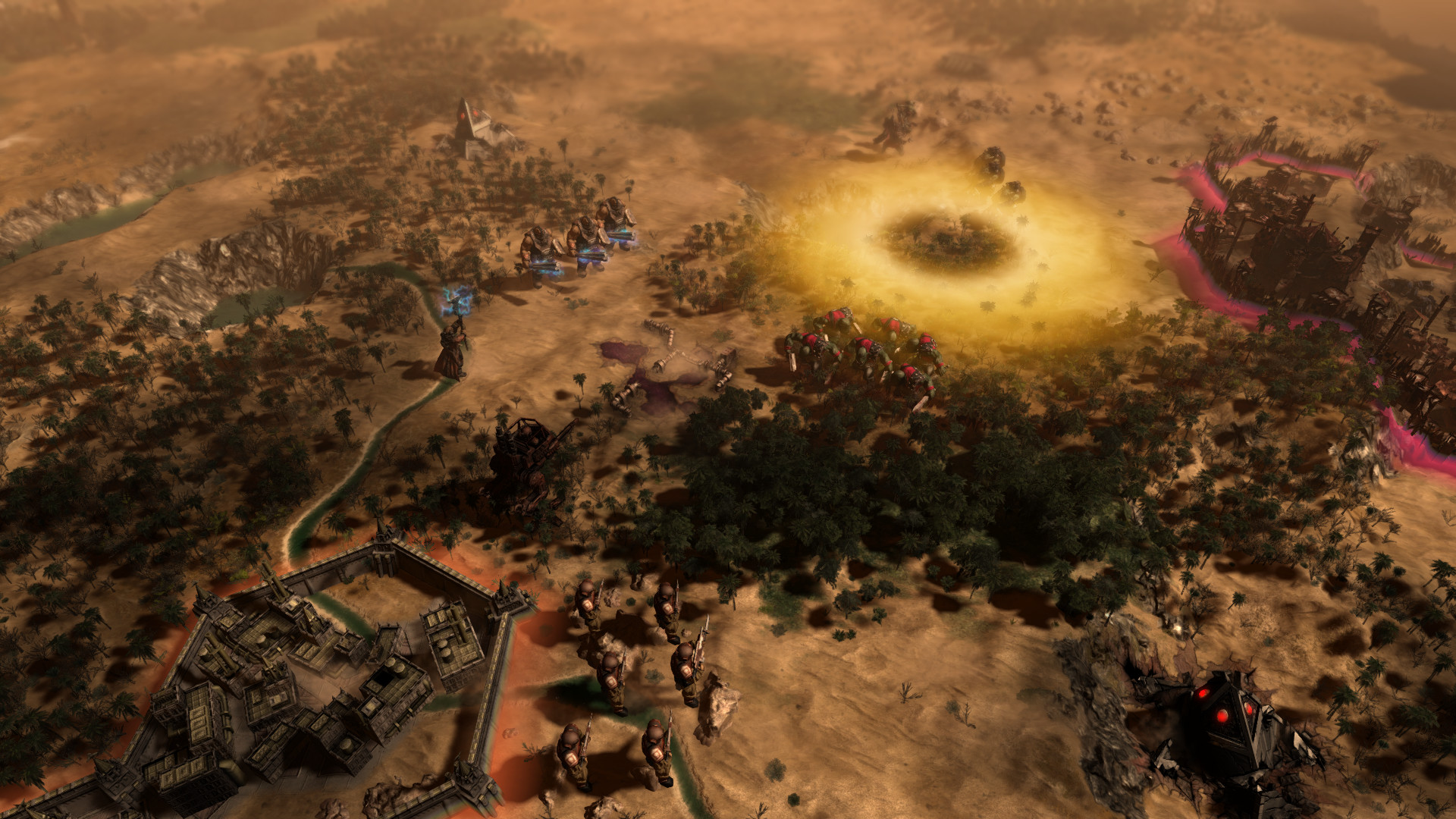
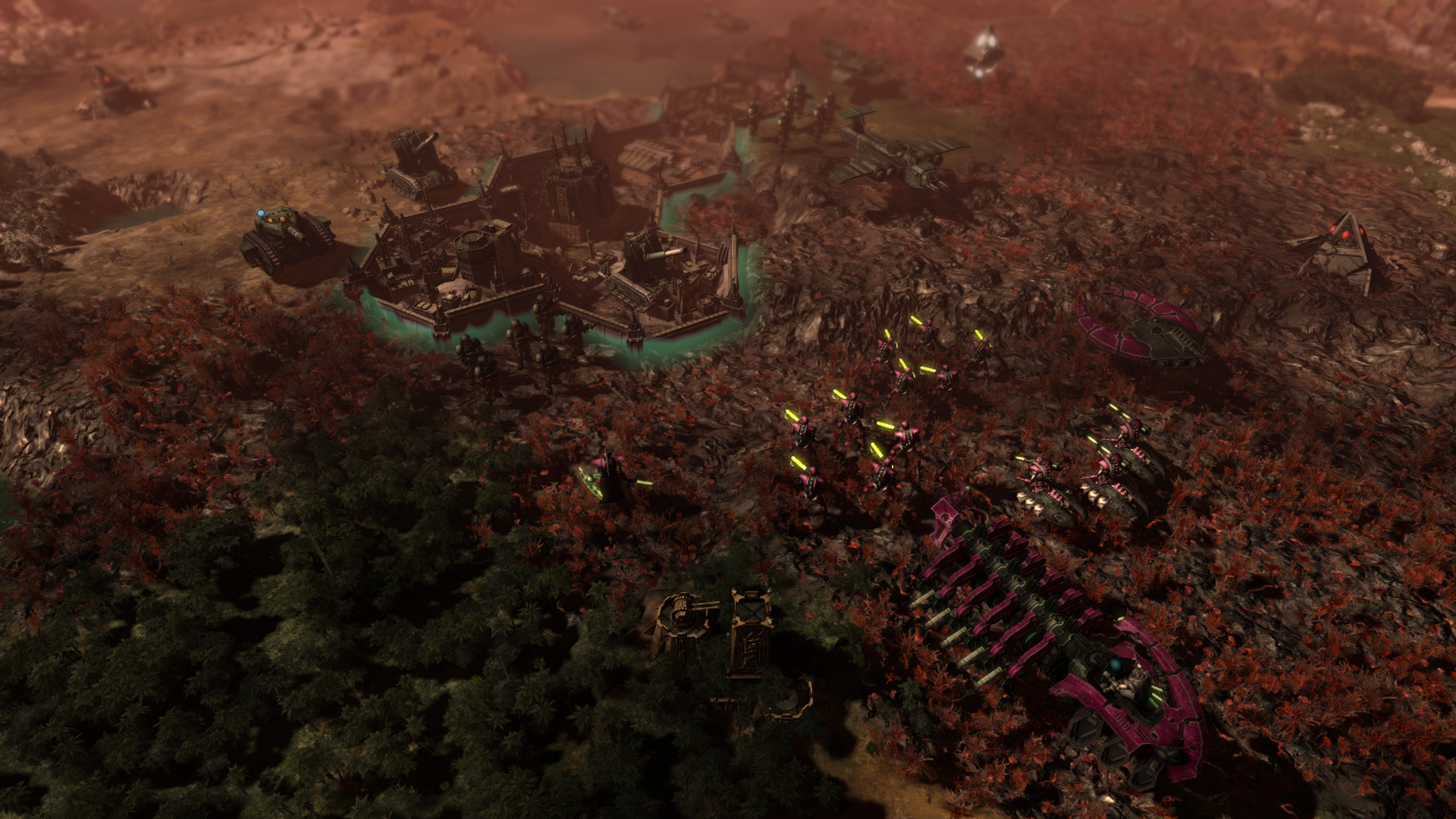
Warhammer 40,000: Gladius - Relics of War is a turn-based 4X strategy game by Proxy Studios, published by Slitherine and released on 12 July 2018. Four factions — Astra Militarum, Space Marines, Orks and Necrons — fight for control of Gladius Prime, an Imperial colony world where digging in the wrong place has woken something that should have stayed asleep.
It sits at 81% positive on Steam, a Very Positive rating, and that is a fair reflection of what it is: a focused game that does one thing unusually well and does not pretend to do the rest.
The One Decision That Defines It
Gladius has no diplomacy. None. No trade agreements, no alliances, no non-aggression pacts, not even a temporary ceasefire. Every faction is permanently at war with every other faction, and the neutral creatures roaming the map are hostile as well.
In a genre where the diplomacy screen is usually a third of the game, that is a startling amount to remove — and it is the best thing about it.
What you get in return is pace. There is no long peaceful build-up phase where you click "next turn" while your economy compounds. You are fighting something within the first fifteen turns, decisions have consequences immediately, and a match resolves in an evening rather than across a weekend. For anyone who has abandoned a 4X campaign at turn 180 because life happened, that is not a small thing.
The removal is also thematically honest. This is Warhammer 40,000, a setting whose entire premise is that negotiation is not on the table. A diplomacy screen would have been the more conventional design and the less faithful one.
Asymmetry That Actually Changes Play
Most 4X games advertise asymmetric factions and deliver different bonuses on a shared chassis. Gladius puts the differences somewhere that matters more: where you are allowed to found cities, and which resource keeps your population alive.
- Astra Militarum settle anywhere, grow on food, and field cheap, numerous, mostly ranged units — but they break under morale pressure.
- Orks also settle anywhere and resist morale loss, but take heavy damage when they finally do break.
- Necrons may only found cities on tomb sites, so the map dictates their empire, and they consume ore to sustain population while spending energy to build units.
- Space Marines operate from a single Fortress Monastery and grow vertically, running on requisition rather than food.
Those are not bonuses, they are different games. A build order learned as Astra Militarum is close to useless as Space Marines. That is a real achievement, and it is the main reason the game holds up years after release.
| Gladius | Civilization-style 4X | |
|---|---|---|
| Diplomacy | None at all | Central system with trade and alliances |
| Match length | One evening | Many sessions |
| Faction difference | City placement and population resource change | Mostly bonuses on a shared economy |
| Recovering a bad start | Fight it out — no other option | Negotiate, ally, buy time |
Where It Falls Down
The DLC model is the biggest problem. Six additional playable factions have been sold separately — Tyranids, Chaos Space Marines, T'au, Craftworld Aeldari, Drukhari and Sisters of Battle — alongside further content packs. The base game is complete and the four factions each have their own quest line, so this is not a gutted release. But the game people describe online is frequently the full-roster version, and assembling that costs several times the base price. Coming in fresh, it is hard to know what you are actually buying.
The onboarding is weak. Several of the rules that decide games are effectively undocumented. Armour scales to 83% damage reduction at 10 armour. A resource deficit cuts affected production by 10% per turn down to a 50% floor. Units gain experience from being near enemy deaths, not from kills, to a maximum of level 10. Every one of those changes how you play, and none of them are taught. New players do not usually lose because they were outplayed — they lose sitting at half production without realising it.
No diplomacy cuts both ways. The design is better for the removal, but it also deletes every mechanism for recovering from a bad start. In Civilization a poor opening can be survived by making friends. Here a poor opening is simply a worse position that you fight from until it resolves, and against a relentless AI that can be a grim forty minutes.
No Japanese or Korean localisation. The store lists English, German, Spanish, French, Russian and Simplified Chinese. Gladius carries a lot of quest and tooltip text, and the mechanics that are already under-explained get harder still if you are reading them in a second language.
If you are buying on sale, check exactly which factions the bundle includes. "Gladius" on a wishlist and "Gladius with the armies everyone talks about" are meaningfully different purchases.
Who Should Buy It
Buy it if you want the 4X shape — explore, expand, exploit, exterminate — without the six-hour peaceful middle, and if factions playing genuinely differently matters more to you than a deep diplomatic layer. Buy it if you like Warhammer 40,000 and want a strategy game that takes the setting's premise seriously.
Skip it if negotiation is the part of 4X you enjoy, if you want a game that teaches you its own systems, or if buying armies piecemeal will annoy you every time you look at the store page.
If you do buy it, start with Astra Militarum and read the beginner guide first — most of the early frustration is avoidable and none of it is your fault.
★ Verdict
Gladius is a good game that made one brave cut and built something coherent around the hole. Removing diplomacy gave it speed, focus and thematic honesty, and the asymmetry between factions is the real thing rather than the marketing kind.
What holds it back from being a genuine recommendation-to-everyone is the packaging and the teaching. The systems are strong and readable once you know them; the game just will not tell you, and the full experience is fragmented across a shelf of DLC. Score it on what is in the box and how well it explains itself, and 7.5 is honest — excellent design, indifferent presentation of it.
For the other Warhammer 40,000 strategy game we cover, the Mechanicus review looks at a turn-based tactics campaign that solved its focus problem by adding a clock rather than by cutting a system out.