Your squad is your build
In Templar Battleforce, the roster you grow across the campaign is the closest thing the game has to a character build, and it matters as much as any single tactic. The eight classes are designed to interlock, so the strength of your force comes not from any one Templar but from how well your squad covers the roles a mission demands and how deliberately you have developed each member. A thoughtfully built squad scales with the campaign and handles whatever it throws at you; a haphazard pile of half-developed recruits stalls out as the missions get harder. This guide is about building the former.
The throughline is intention. Every recruit, every requisition point, every talent and every piece of gear should serve a clear plan for what your squad is and how it wins. Build with purpose and your force becomes far more than the sum of its Templars.
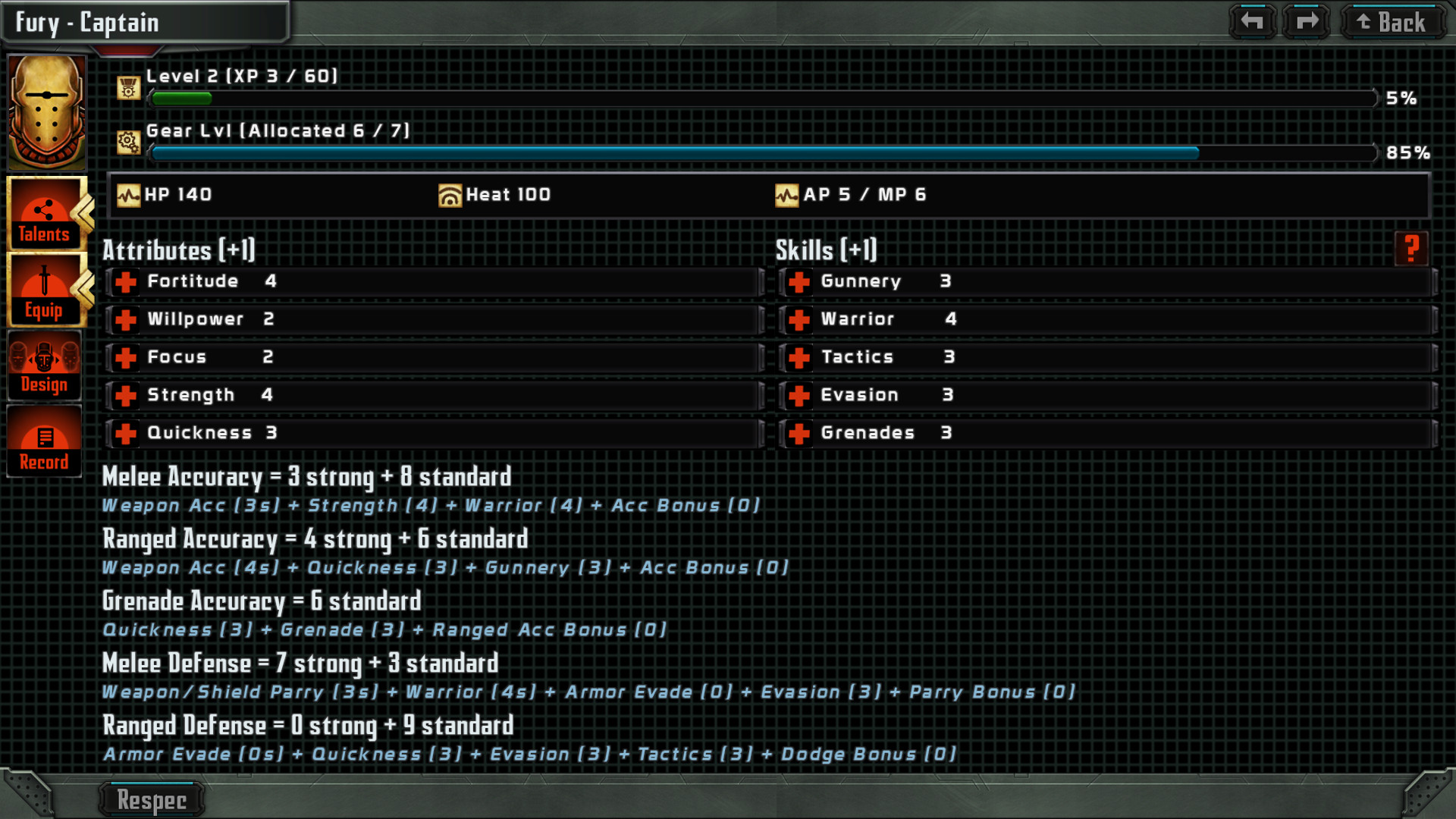
You develop your squad between missions — recruiting Templars, assigning classes, levelling, choosing talents and equipping gear. These persistent choices compound across the campaign, so investing in a coherent squad early pays off for dozens of missions.
Cover the core roles first
Before chasing exotic compositions, make sure your squad covers the four fundamentals, because a force missing one of them struggles no matter how strong the rest is. You want durability (a Soldier line and a Captain to anchor and absorb hits), ranged damage (a Scout for high single-target burst), support (an Engineer for turrets, buffs and heat removal), and objectives (a Hydra when a mission requires capturing Tact Points). With those bases covered, your squad can hold a line, deal damage, sustain itself and secure objectives — the full toolkit for almost any mission. Only once the core is solid should you add specialists like a Paladin, Neptune or Berserker to lean into a particular style.
This is the single most important roster principle: a balanced core beats a stacked one. A squad of five Scouts has devastating damage and no way to survive being reached; a balanced squad wins because it has an answer to every situation.
If a mission keeps going wrong, ask which role your squad is missing — durability, damage, support or objectives — and fill that gap before blaming your tactics. A composition hole is often the real reason a mission feels impossible.
Spend requisition deliberately
Requisition is the resource you invest in growing your force, and spending it well is about focus, not volume. Prioritise filling the roles your squad lacks rather than piling more into a class you already have covered, and resist spreading your investment so thin that no Templar is properly developed. A smaller force of well-built Templars, each excelling at a clear role, generally outperforms a larger, shallower roster — especially as missions get harder and individual Templar strength matters more. Think of requisition as votes for what your squad becomes, and cast them toward a balanced, deliberately developed force.
The discipline here mirrors the rest of the game: intention over accumulation. A few strong, specialised Templars who cover the core roles will carry you further than a crowd of generalists.
| Role | Core class | Build toward | Why |
|---|---|---|---|
| Durability | Soldier / Captain | Toughness, overwatch | Anchors the line and holds chokes |
| Damage | Scout | Single-target burst, stealth | Kills priority targets fast |
| Support | Engineer | Turrets, buffs, heat removal | Multiplies the whole squad's power |
| Objectives | Hydra | Mobility, area denial | Captures Tact Points others cannot |
Specialise with talents and gear
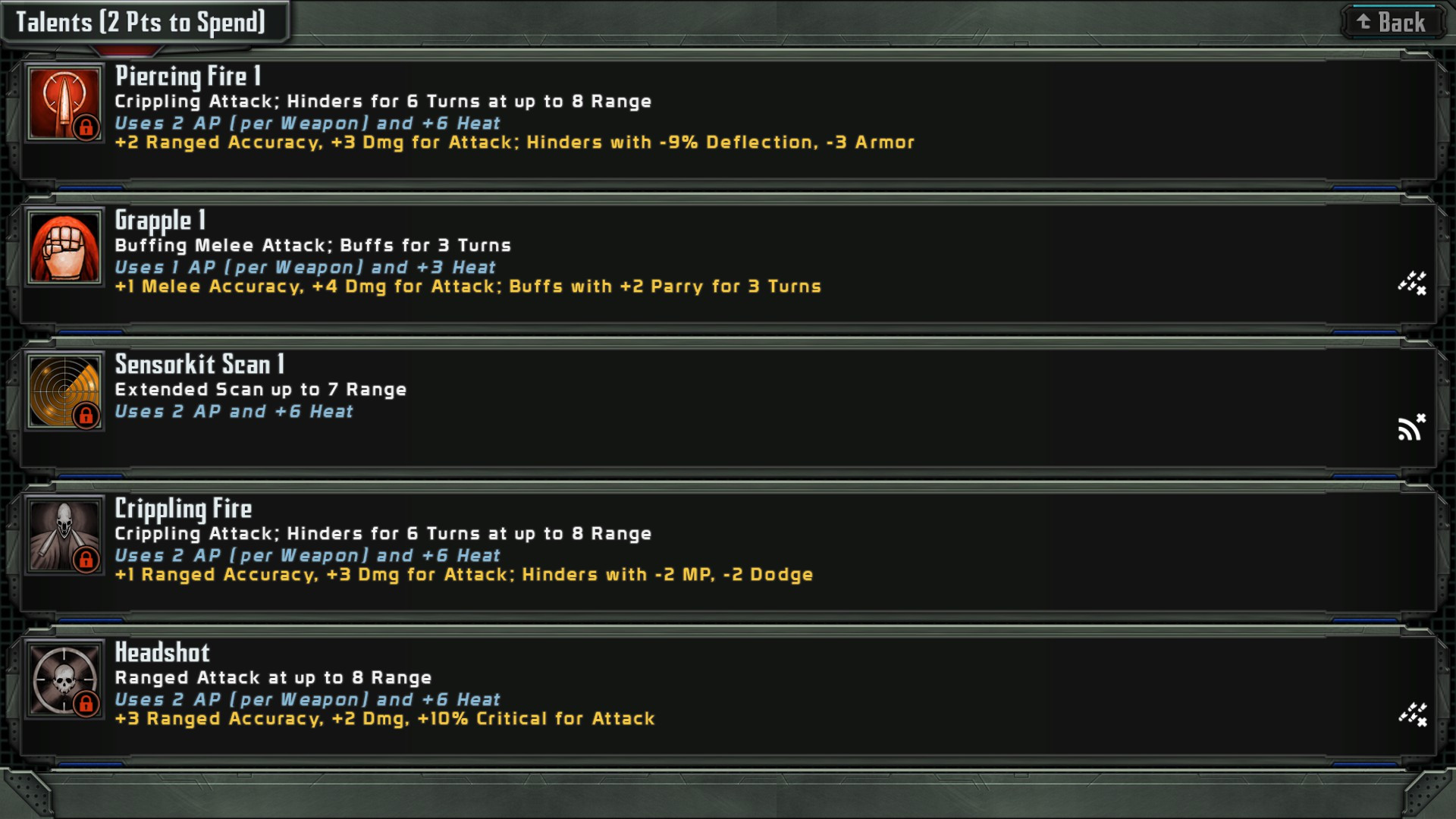
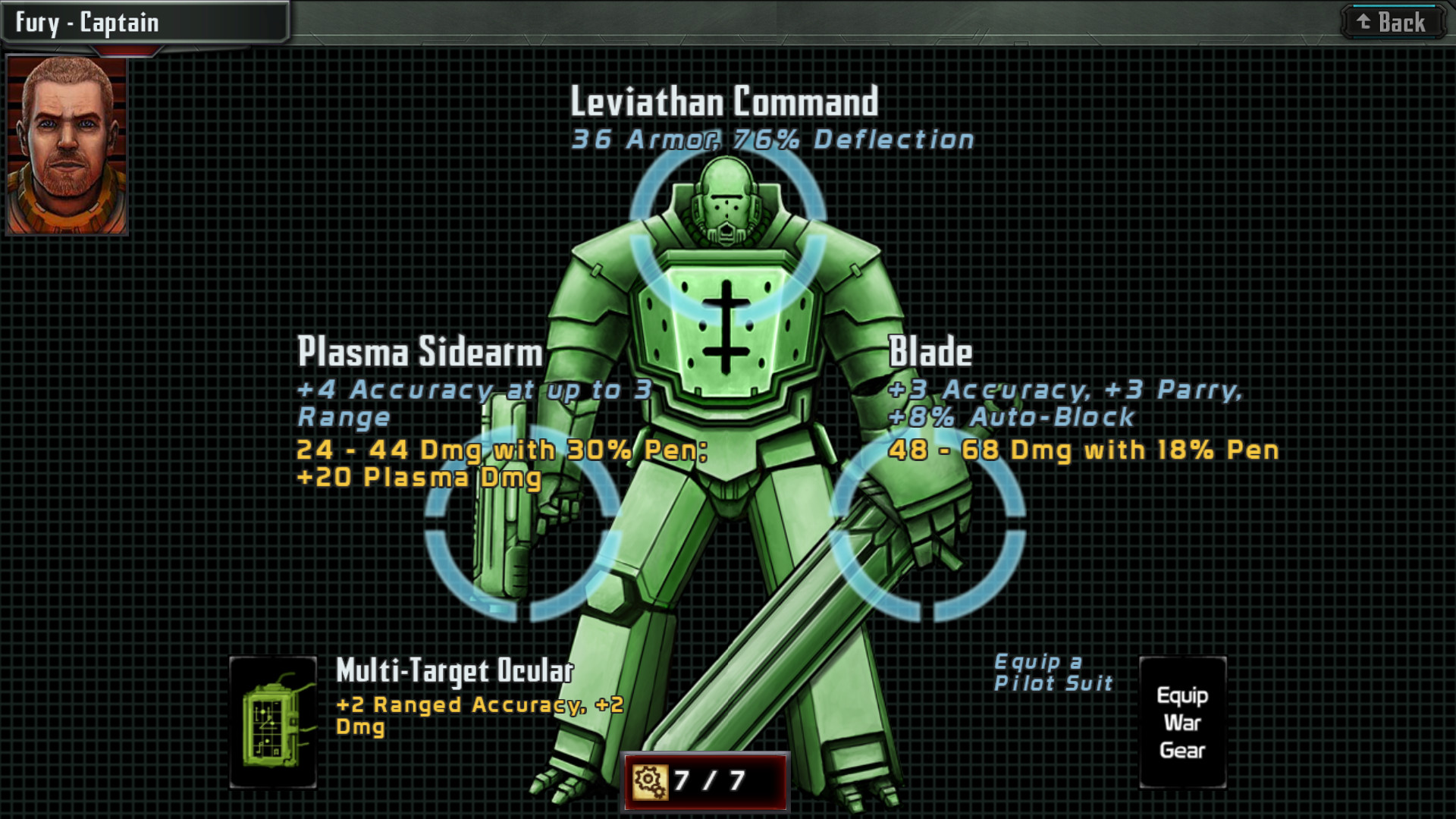
Where your squad really comes together is in how you specialise each Templar through talents and equipment. As Templars level, you choose talents, and the key is focus: pushing a Templar toward a clear specialty — a Soldier built around overwatch and toughness, a Scout built for maximum single-target damage, an Engineer built for turrets and heat control — makes it genuinely excel, whereas scattering points across everything leaves it mediocre at all of them. Gear follows the same logic: equip to the role, choosing equipment that amplifies what a class already does best rather than generic upgrades. A purpose-built Templar in the right gear is dramatically more effective than a jack-of-all-trades.
Put it all together and your squad becomes a set of sharp, specialised tools that cover every role and reinforce each other. Develop them deliberately over the campaign and you will field a force that scales smoothly with the difficulty. To deploy that squad well, see our combat guide and the classes tier list; if you are still finding your feet, the beginner guide lays the groundwork.
Do not scatter a Templar's talents across every option. A focused specialist who is excellent at one job beats a generalist who is average at several, and a squad of focused specialists is what carries the late campaign.