How to think about classes in Templar Battleforce
Templar Battleforce gives you eight classes, and the temptation is to rank them as simply "strong" or "weak." That misses how the game actually works: the classes are designed to interlock, and the best squad is a balanced one that covers durability, damage, support and objectives. So this tier list ranks each class by its overall value to a typical squad — how essential its role is, how much it carries fights, and how reliably it contributes across the campaign — rather than by raw damage alone. A class lower on the list is not bad; it is more specialised, and shines in the right composition.
Read the tiers as guidance on what to prioritise when building a roster, not as a rule that every squad must look identical. Because talents and gear let you specialise each Templar, even a "lower" class can become a star in a build that suits it.
The strongest squads are balanced, not stacked. One Scout cannot win a mission alone, and a wall of Soldiers struggles with objectives. Cover the core roles — line, damage, support, objectives — then specialise to taste.
The classes tier list
This ranking weighs how essential a class's role is, its combat and utility impact, and how much it strengthens a balanced squad. It assumes you protect fragile units and cover the core roles.
S tier — Soldier and Engineer
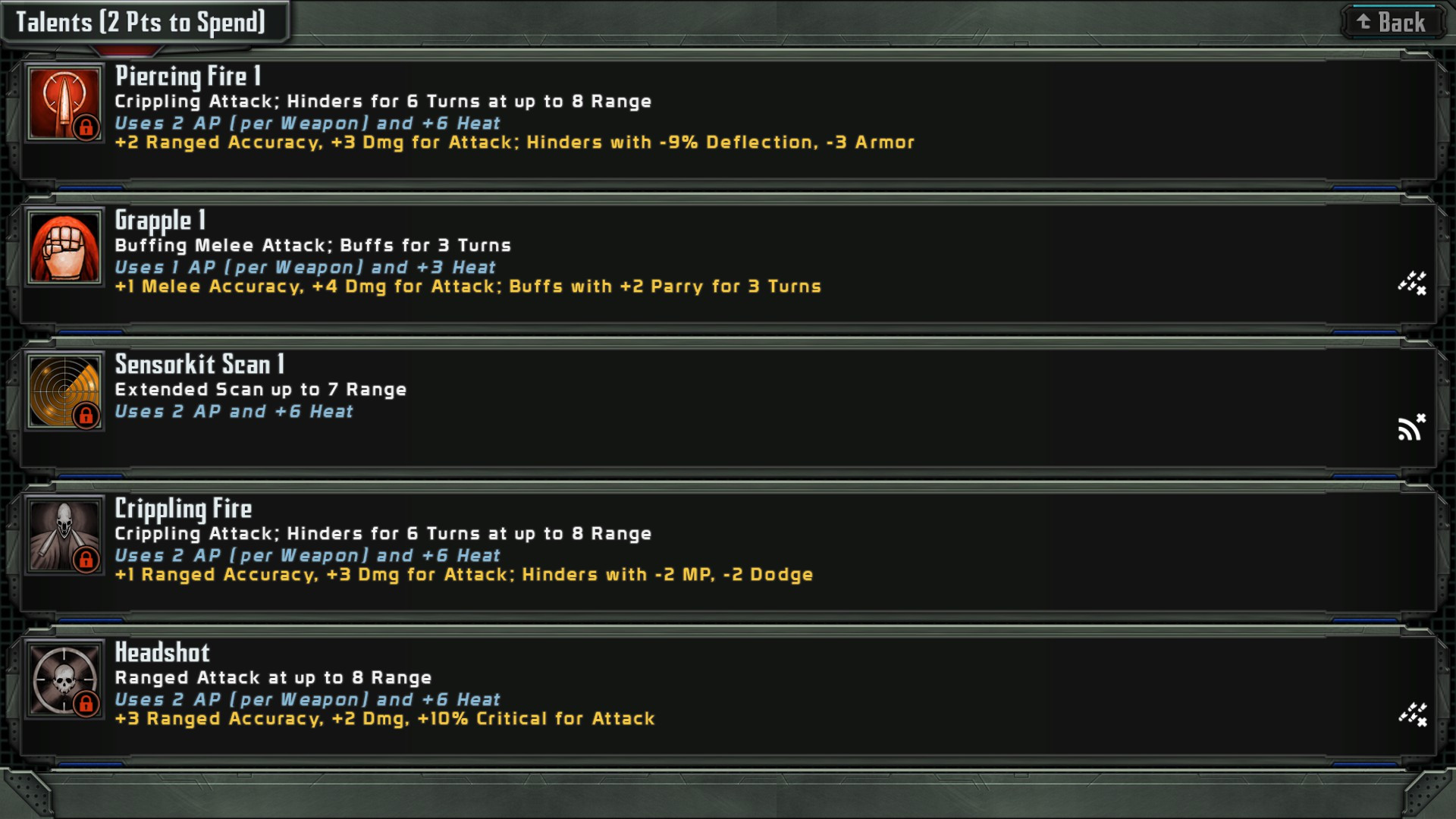
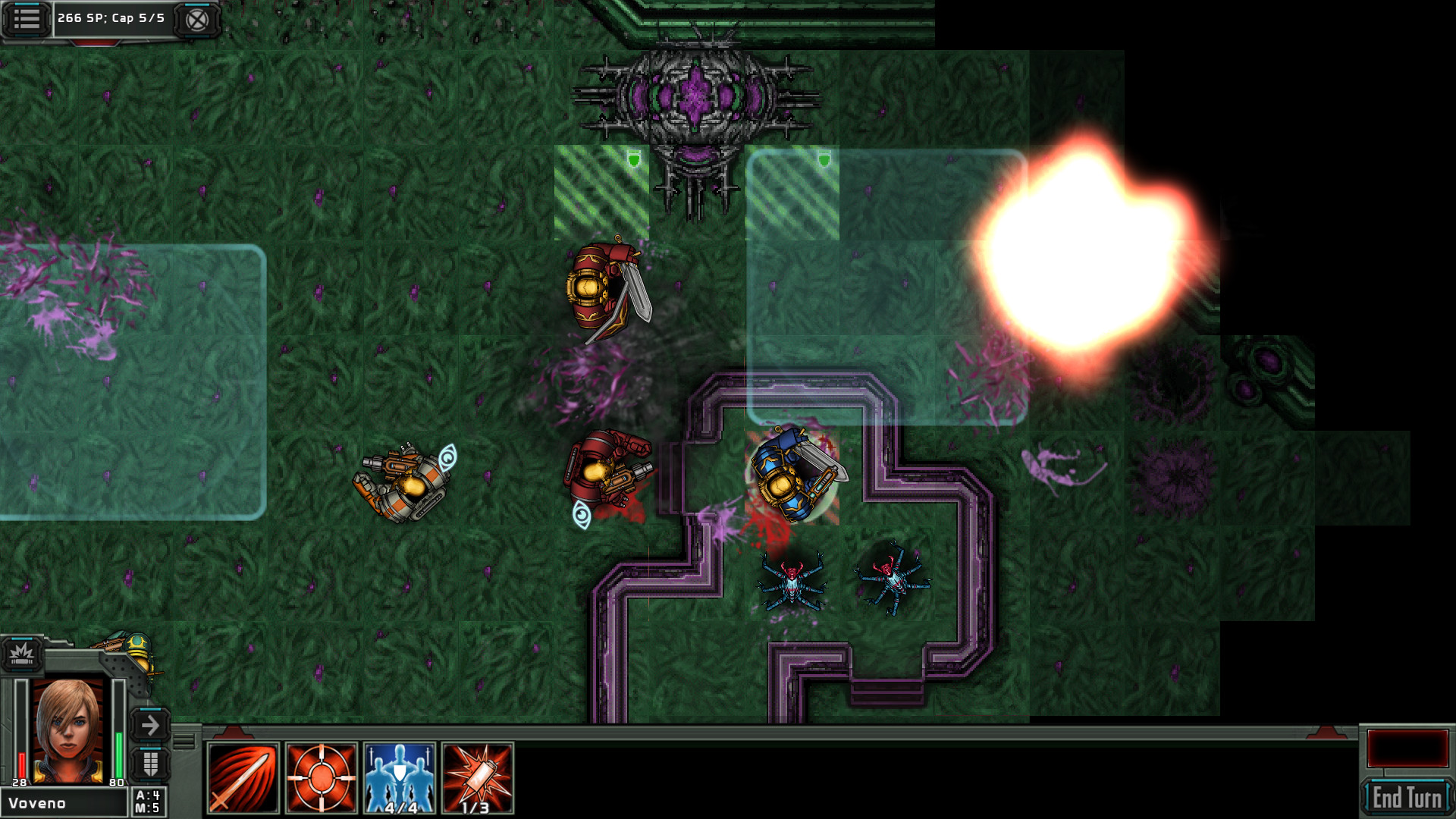
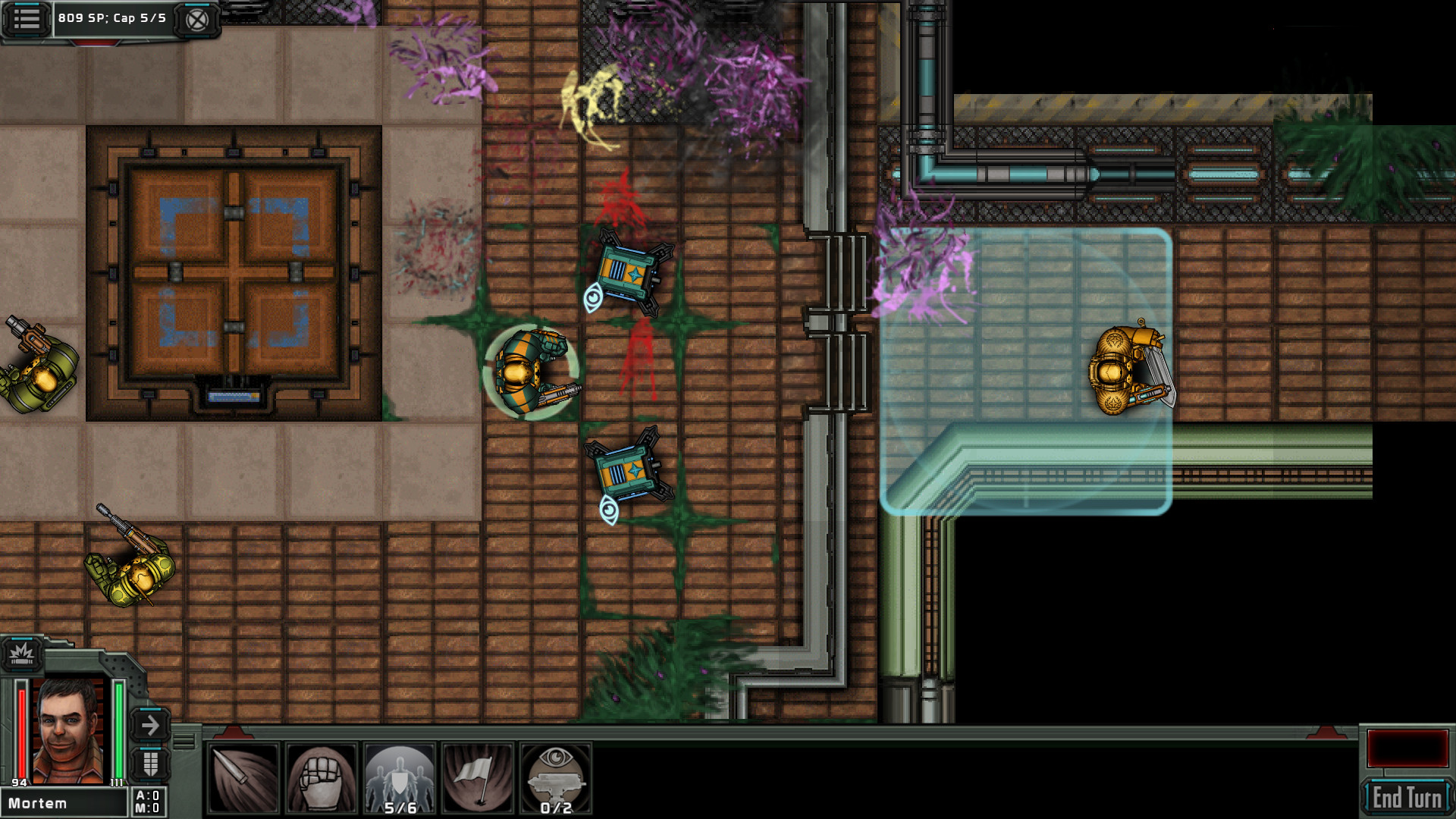
These two define strong squads. The Soldier is the closest thing to a must-have: it is resilient enough to anchor your front line, many of its attacks harm clusters of foes, and it masters Overwatch — the talent that locks down choke points and punishes any enemy that dares advance. A Soldier holding a corridor on overwatch can win a mission by itself by turning the map's geometry against the enemy. The Engineer is the other pillar, not for its own damage but for what it enables: it builds Sentry and Pyro Turrets and Landmines, buffs your allies, repairs turrets and Tact Points, and crucially strips heat from your Templars so they can keep using their best talents. It is fragile alone, but as a force multiplier it transforms a squad. Build around these two first.
A tier — Scout, Captain and Hydra
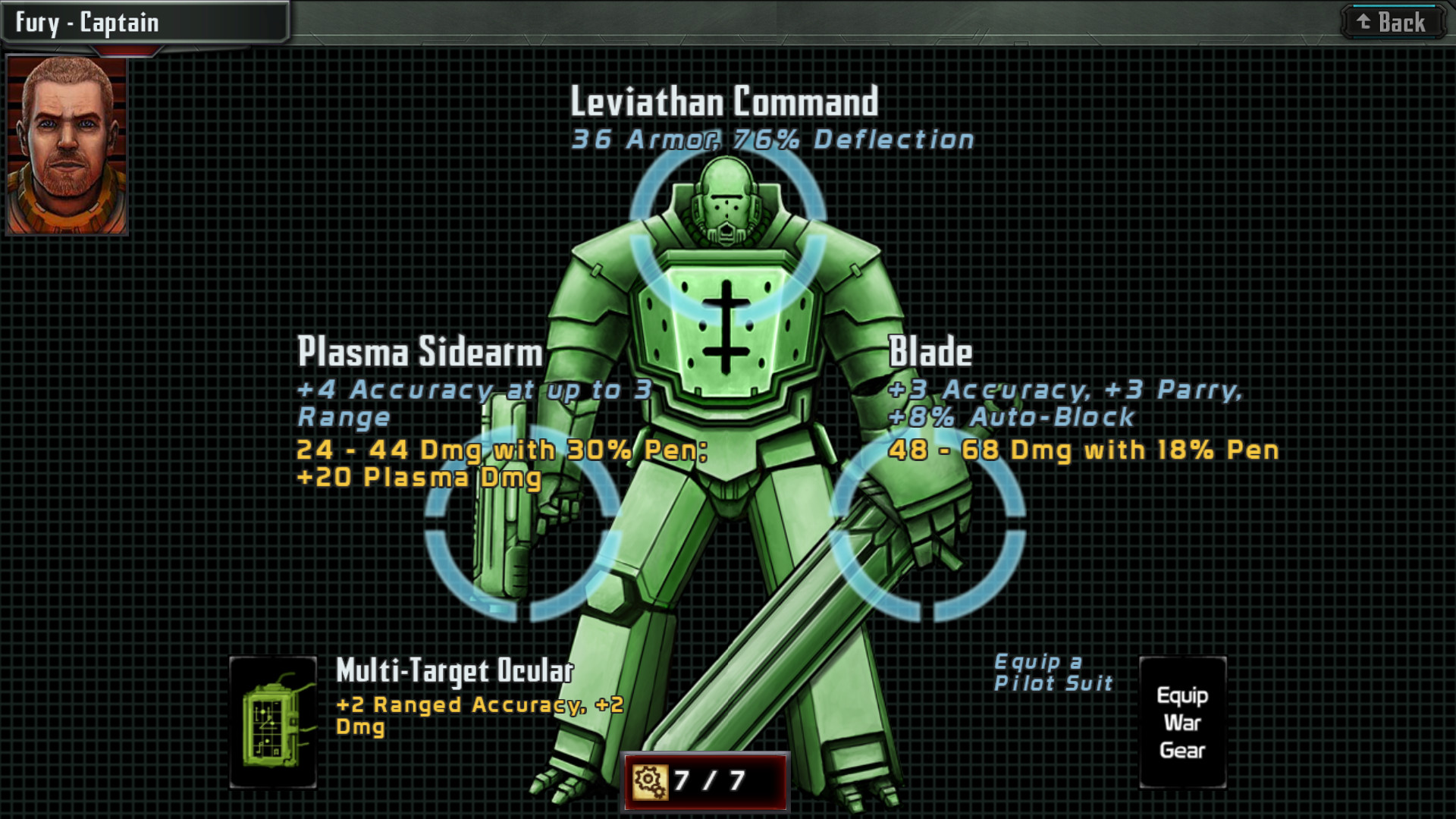
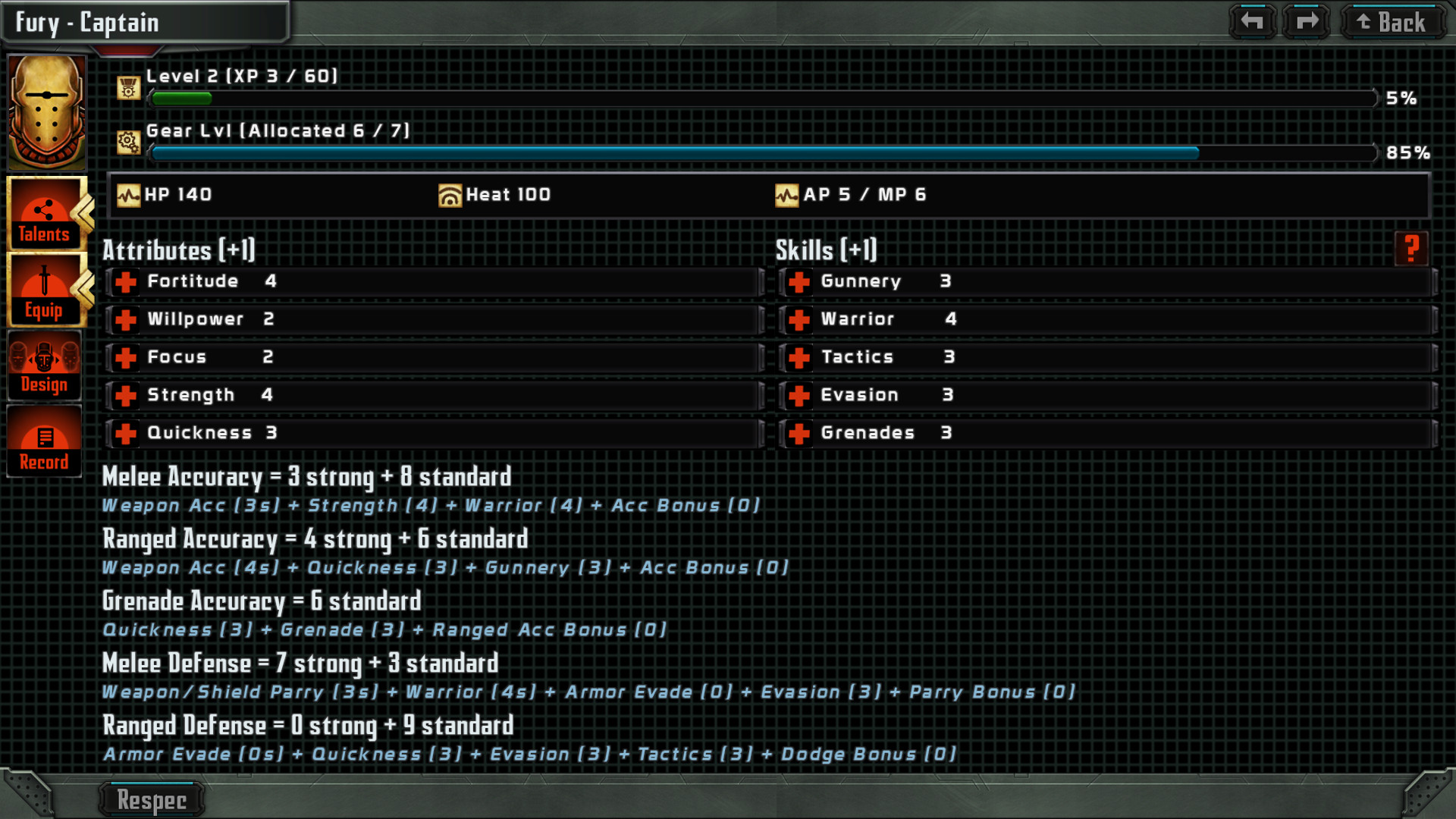
These three are core to most squads, just more specialised than the S tier. The Scout boasts the highest single-target damage in the game and the stealth and mobility to deliver it to priority targets, but it is physically frail and will die fast if exposed, so it lives and dies by your positioning. The Captain is the durable leader, boasting the best survivability of any class and the flexibility to specialise into a sidearm, a blade-and-shield, or a balanced build, anchoring and augmenting whatever squad you field. The Hydra is your objective specialist: a mobile heavy-weapon class that denies ground with residual flames and is the only class that can capture Tact Points, making it essential — and auto-deployed — on missions that require them. Each is a near-staple in the right squad.
| Class | Role | Strength | Watch out for |
|---|---|---|---|
| Soldier | Frontline / Overwatch | Resilient, AoE, locks choke points | Lower single-target burst |
| Engineer | Support | Turrets, buffs, heat removal | Weak in a direct fight |
| Scout | Damage | Highest single-target damage, stealth | Very fragile |
| Captain | Leader | Top survivability, flexible builds | Wants clear specialisation |
| Hydra | Objectives | Area denial, captures Tact Points | Cannot use overwatch |
B and C tiers — strong specialists
The lower tiers are not weak classes, just more situational. The Paladin is a defensive warrior that buffs power and heals, providing the sustain and durability that lets an aggressive line keep pushing — quiet but valuable glue. The Neptune is a heavy machine gunner delivering sustained ranged firepower, excellent when protected and positioned to rake enemy formations. The Berserker is an axe-and-shield melee fanatic that hits very hard at close range, but its need to close into melee exposes it more than the ranged core, making it a powerful pick for the right push rather than an every-mission staple. Choose these to complement your core and lean into a playstyle, not as your foundation.
Building a strong squad
For a resilient, flexible squad, start with the S-tier pillars — a Soldier line for durability and overwatch, and an Engineer for support and heat control — then add the A-tier core: a Scout for burst damage, a Captain to lead, and a Hydra when objectives demand it. Round out with B- and C-tier specialists that fit your style: a Paladin for sustain, a Neptune for firepower, or a Berserker for a melee punch. Remember that talents and gear let you specialise each Templar, so your build choices matter as much as the class itself. To put your squad to work, see our combat guide and squad guide; if you are just starting out, the beginner guide covers the fundamentals.
Do not stack one class and hope to brute-force missions. A squad that can tank, deal damage, support and capture objectives will out-perform a one-class team in almost every situation — balance is the real meta.