The verdict up front
Templar Battleforce is one of those games that tactics fans pass to each other like a secret, and that almost everyone else scrolls past because of its plain storefront. Made by the prolific indie duo Trese Brothers, it is a squad-based turn-based tactical RPG in which you command Templars piloting Leviathan battle mechs across more than fifty objective-driven missions. The hook is depth done cleanly: eight genuinely distinct classes, combat built on overwatch, cover and heat management, and a deep customization layer that lets you recruit, level and specialise your squad over a long campaign. It holds a Very Positive rating on Steam, and that score reflects a game with far more substance than its looks let on.
So is it worth buying? For fans of XCOM-style squad tactics, very much so — this is a sharp, replayable hidden gem. The honest caveats are that it is presented plainly, with a dated, utilitarian interface and no spectacle, and that it is English only and methodically paced. If those do not deter you, few tactics games offer this much focused depth for the price.
Templar Battleforce is a single-player squad tactics RPG from Trese Brothers. It is a one-time purchase with no microtransactions, has been supported and refined since its 2015 release, and holds a Very Positive rating on Steam.
What you actually do
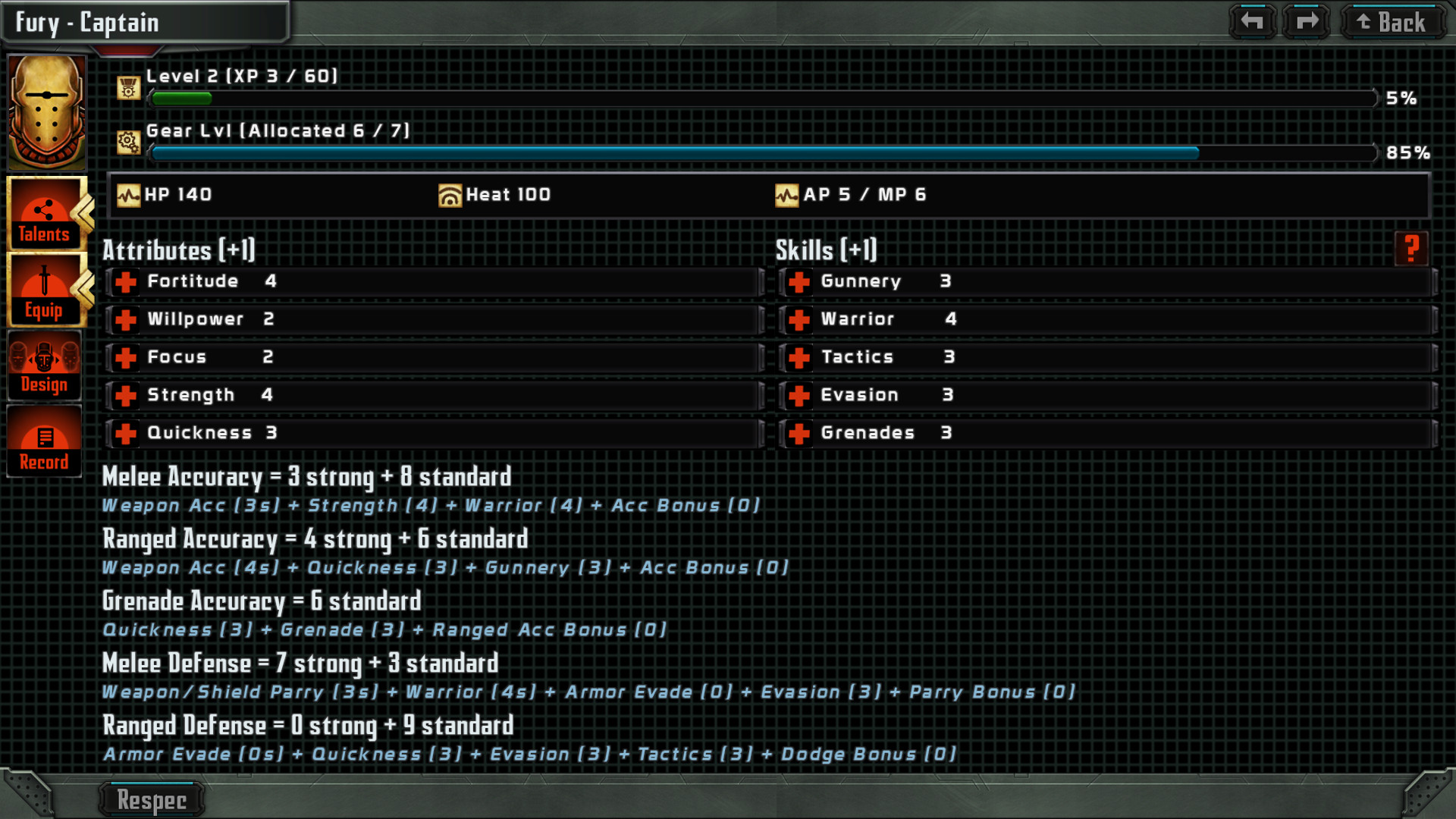
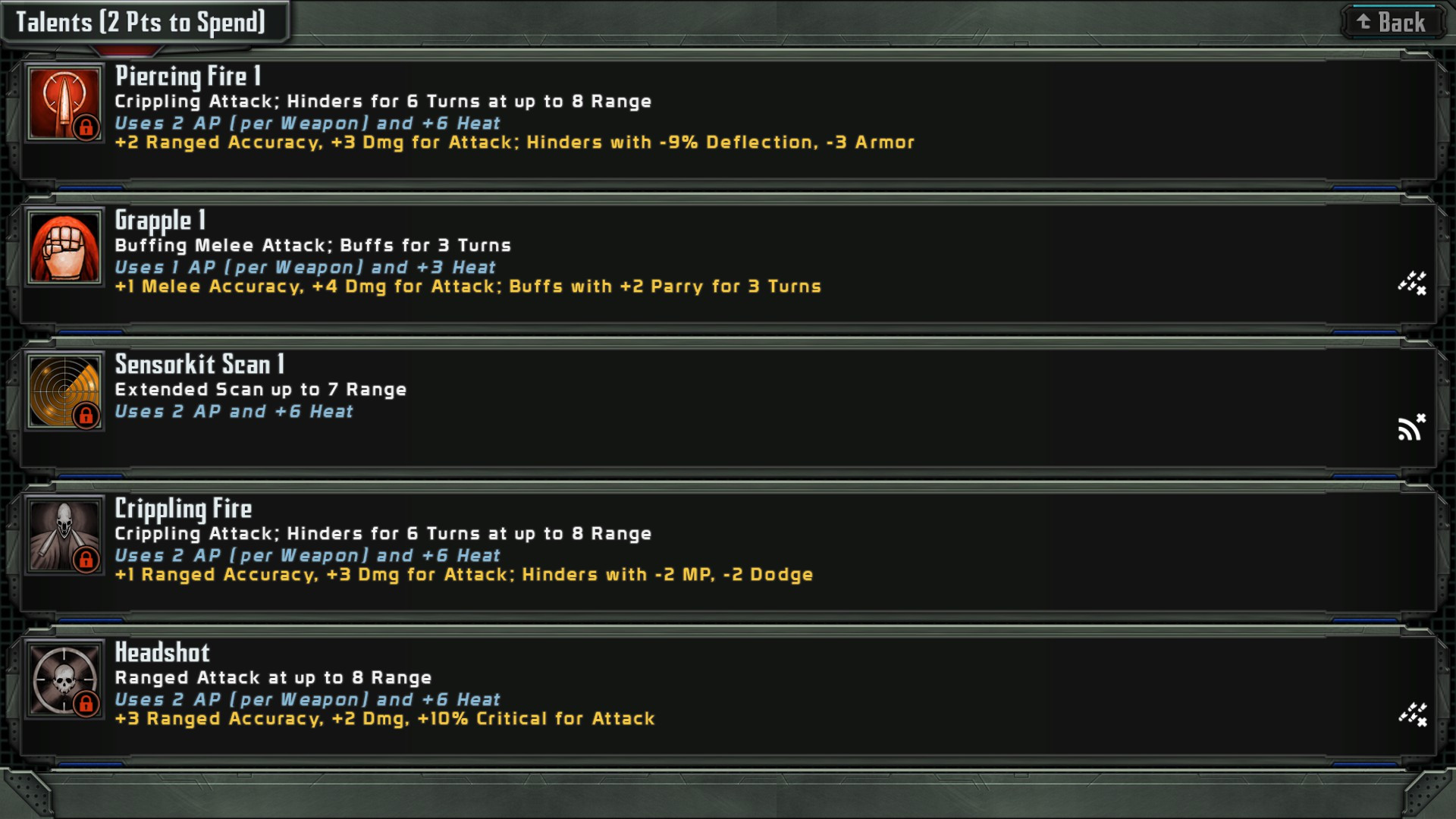
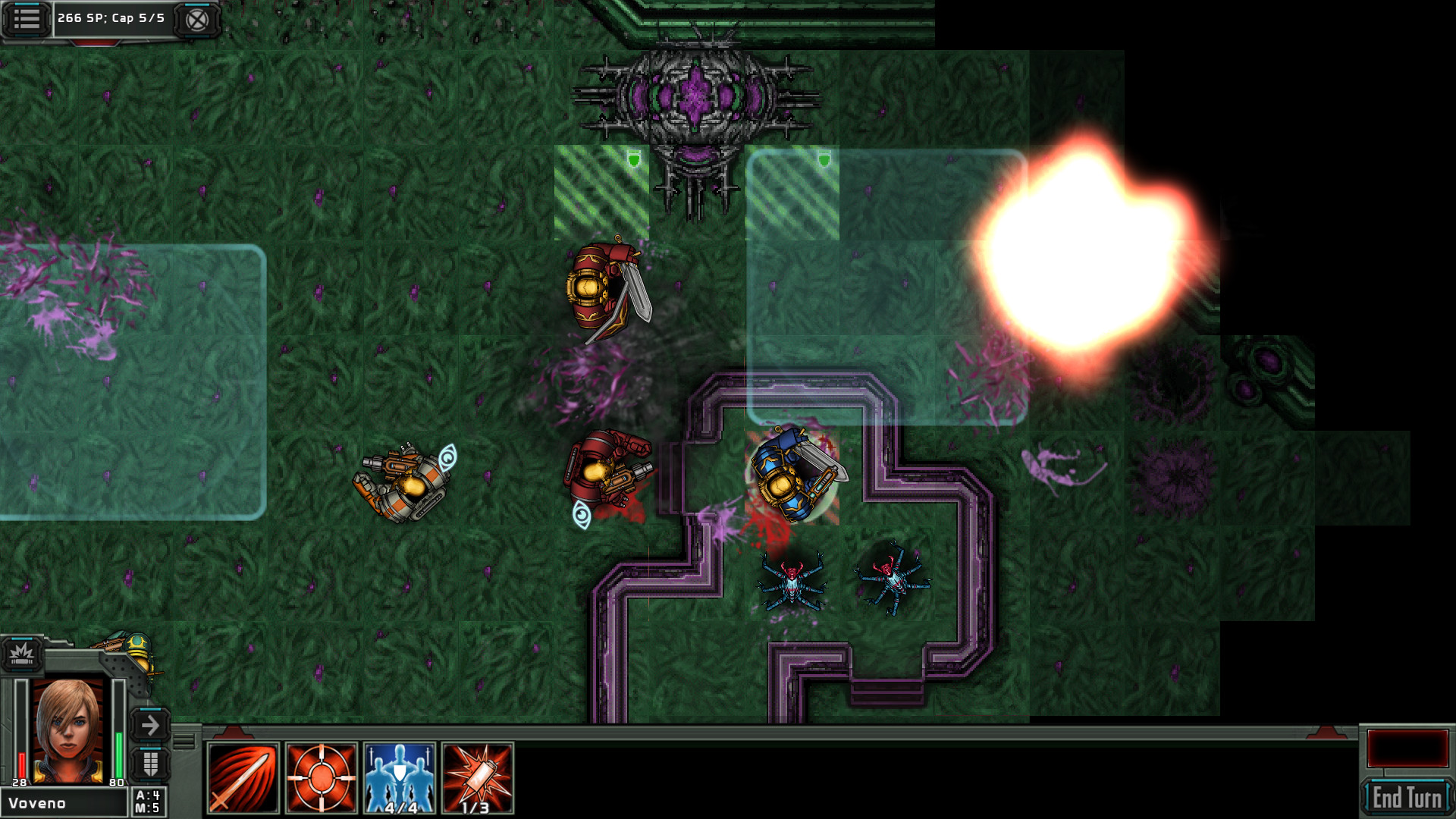
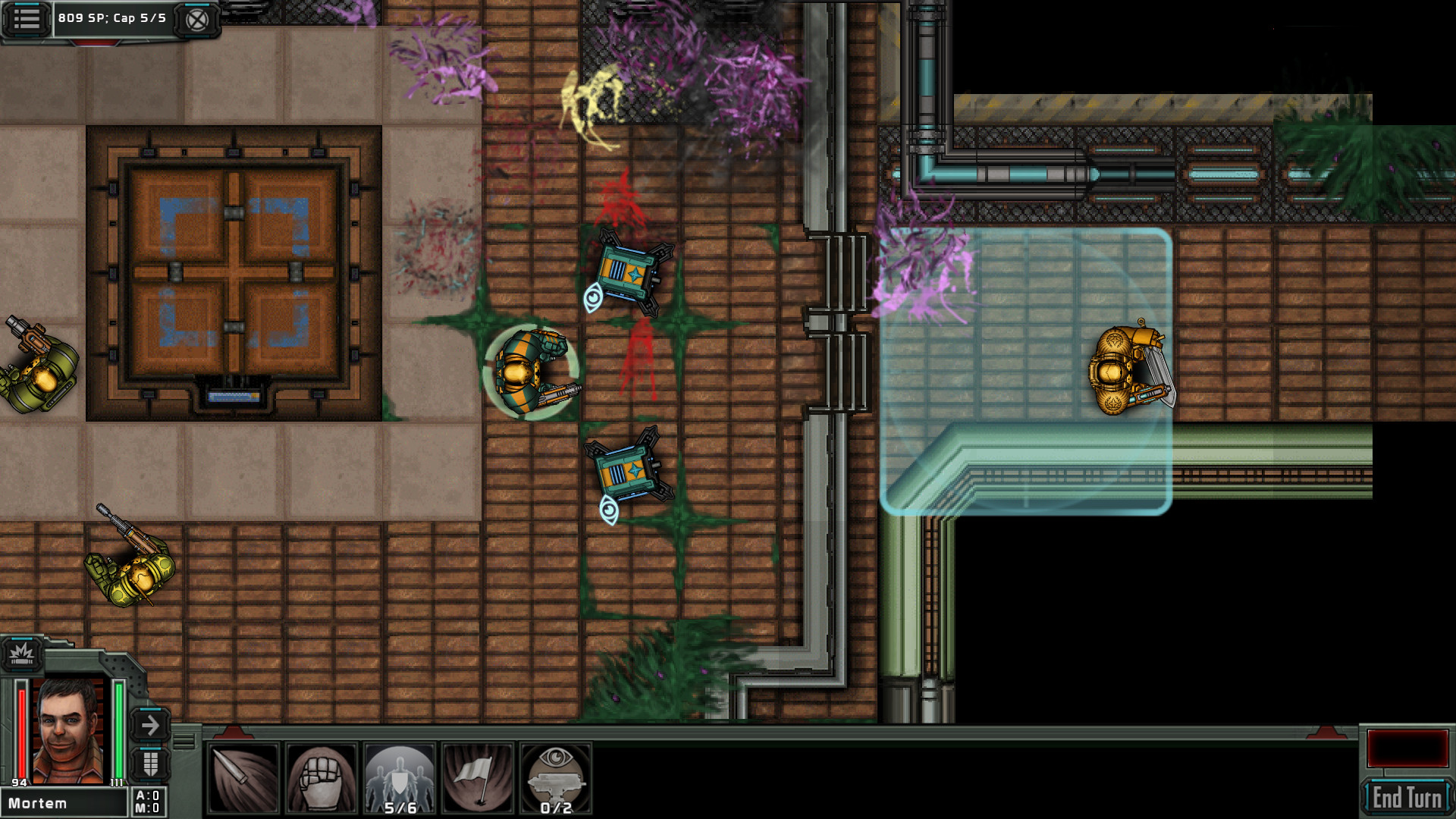
You command a force of Templars — elite soldiers in Leviathan battle mechs — through a campaign of discrete tactical missions. Each battle plays out on a grid where you deploy your squad, then move and act using a turn-based system built around positioning, overwatch and objectives. Maps are not just kill-everything affairs; many revolve around Tact Points you must capture or hold, choke points you must lock down, and waves of enemies you must out-think rather than out-muscle. Between missions, you manage your roster: recruiting Templars, assigning them to classes, levelling them, choosing talents and equipping gear.
That blend — tight tactical battles plus persistent squad-building — is the heart of the game. Your decisions compound across the campaign, as the squad you craft and the talents you choose shape how you approach every fight. It is a tactics game and an RPG in equal measure, and the two halves reinforce each other constantly.
New commanders often spread their squad thin and get picked apart. Templar Battleforce rewards a cohesive line, overwatch on choke points, and protecting your fragile specialists. Our Templar Battleforce beginner guide covers the fundamentals that turn early losses into clean wins.
Why the class system carries everything
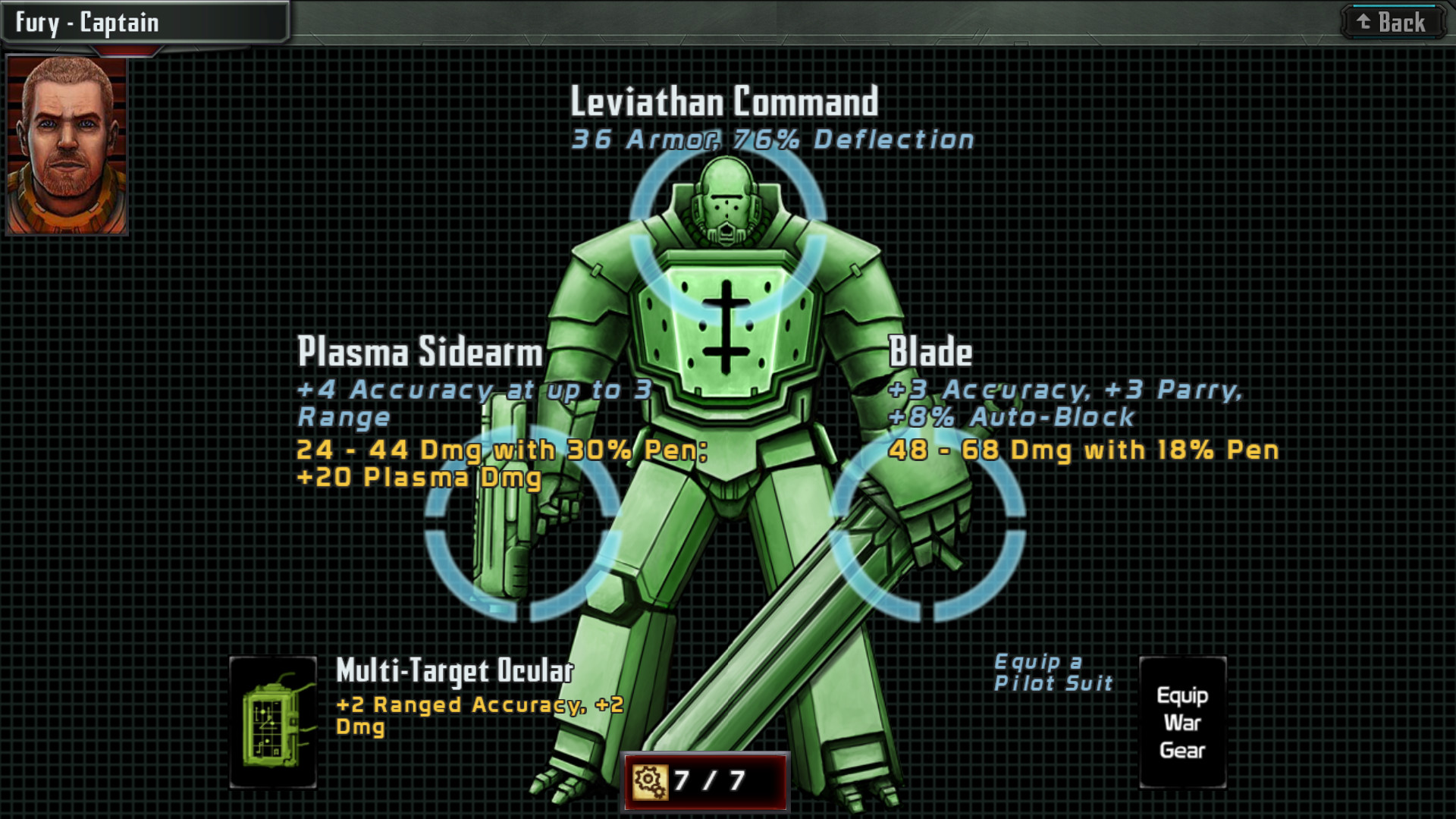
The core of Templar Battleforce is its eight classes, and they are what give the game its lasting depth. Each one plays a genuinely different role: Soldiers are resilient all-rounders with the invaluable Overwatch talent for locking down choke points; Scouts are fragile glass cannons with stealth and the highest single-target damage; Engineers build turrets and landmines, buff allies and strip heat; Hydras wield heavy weapons, deny areas with residual flames and are the only class that can capture Tact Points; and Captains, Neptunes, Paladins and Berserkers each bring their own flavour of leadership, firepower, support and melee. Because the classes interlock, building a balanced, complementary squad is the real game, and there is enormous room to experiment.
This is also what drives the replayability. A Scout-heavy strike team plays nothing like an Engineer-and-turret fortress or a Berserker melee push, and the customization layer — talents, gear and specialisation — lets you lean into whatever composition you enjoy. Our Templar Battleforce classes tier list ranks them to help you build a strong squad.
Pros
- +Eight distinct classes that interlock and reward squad composition.
- +Sharp, fair tactical combat built on overwatch, cover, heat and objectives.
- +Deep, persistent customization with talents, gear and roster building.
- +Great replayability and value, with no microtransactions.
Cons
- −A dated, utilitarian presentation with little spectacle.
- −English only and text-heavy in its briefings and systems.
- −Deliberate, methodical pacing throughout.
Combat that rewards planning
What makes the battles sing is how much they reward forethought over force. Overwatch lets you set Templars to fire on enemies that move into their sights, turning a well-placed Soldier into an immovable wall at a choke point. Heat management adds a constant tension — your Templars build heat as they use powerful talents, and an Engineer's ability to strip heat becomes a quiet linchpin of an aggressive squad. Cover, line of sight, terrain hazards and the objective-driven map design mean you are always weighing position, timing and risk, not just trading damage. Capturing and holding Tact Points, denying areas with Hydra flames, and walling choke points with overwatch are the kinds of decisions that win missions.
The result is combat that feels like a satisfying puzzle with real stakes. It is challenging but rarely unfair: when you lose, it is almost always because of a positioning or composition mistake you can learn from. Our combat guide digs into overwatch, heat and the tactics that carry hard missions.
The honest weaknesses
Now the part the store page underplays. Templar Battleforce is plain. The presentation is functional and dated — static art, a utilitarian interface, and none of the spectacle or animation flourish modern tactics games lean on. It wears its mobile-friendly, indie origins openly, and players who need visual polish or cinematic flair will bounce off the look before they reach the depth underneath. It is also English only, with text-heavy briefings and systems, and its pacing is deliberate and methodical rather than fast.
None of this undermines the tactical quality, which is excellent, but it does define who the game is for. This is a game you buy for its systems, not its surface, and that is a fair thing to know going in. If you can look past the presentation, you will find one of the better-value tactics RPGs around; if you cannot, it will never win you over.
Buy Templar Battleforce for its tactical depth and squad-building, not for visuals or spectacle. If you need modern presentation, fast action, or your own language, this is not the tactics game for you. If deep, fair, class-driven combat excites you, few hidden gems reward you this well.
Who should buy it
If you love squad-based tactics and the satisfaction of building and specialising a roster, Templar Battleforce is a standout. Players from XCOM and tactical RPGs will feel immediately at home with the overwatch and objective play, and find the eight-class system and customization genuinely deep; anyone who enjoys solving a battlefield like a puzzle will get dozens of hours from its campaign. At its price, with strong replayability and no monetization nonsense, the value is excellent for the right player. To start strong, read our beginner guide and classes tier list, then dig into the combat guide.
Who should pass? Anyone who needs modern visuals, fast-paced action, a hand-holding tutorial, or their own language, and anyone who cannot look past a plain presentation. For everyone else, Templar Battleforce is a deep, sharp, class-driven tactical mech RPG that earns its quiet following — with the honest asterisk that it is plain-looking, methodical, and proudly built for players who want exactly this.
If the appeal here is specialising a roster you cannot unspend, the Mechanicus review covers a turn-based tactics campaign with the same no-respec pressure and a campaign-long clock running on top of it.
Trese Brothers made three other games we cover, and all four share a shape: plain to look at, quietly deep in their systems, and updated for years after release. Star Traders: Frontiers is the open-world captain RPG, the widest of the four. Heroes of Steel is the party-based fantasy RPG, the most compact of them. Cyber Knights: Flashpoint is the cyberpunk stealth tactics, where getting out unseen is the win condition.