The verdict up front
Urtuk: The Desolation is one of those games that the tactics crowd quietly champions and almost everyone else has never heard of. Built largely by solo developer David Kaleta, it is a turn-based tactical RPG set in a bleak, hand-drawn dark-fantasy world where you guide a ragged band of survivors across a desolate land. What sets it apart is how seriously it takes the battlefield itself: terrain is not decoration but a weapon, and pushing an enemy onto a bed of spikes can be more effective than three turns of swinging swords. Layer on a progression system built around harvesting "mutators" from the things you kill, and you have a tactics game with a genuinely distinct identity. It holds a Very Positive rating on Steam, and that reputation is well earned.
So is it worth buying? For fans of turn-based tactics, yes — this is a hidden gem with real depth. The combat is sharp and positional, the mutator system makes every party your own, and at its price, with no microtransactions, the value is excellent. The honest caveats are that it is genuinely brutal, with limited healing, lasting injuries and permadeath; that a few rough edges can muddy how its systems read; and that its grim tone is unrelenting. If those do not scare you off, Urtuk rewards mastery richly.
Urtuk: The Desolation is a single-player turn-based tactical RPG from solo developer David Kaleta. It fully released on Steam on 27 February 2021 (after a year in Early Access), is a one-time purchase with no microtransactions, and holds a Very Positive rating.
What you actually do
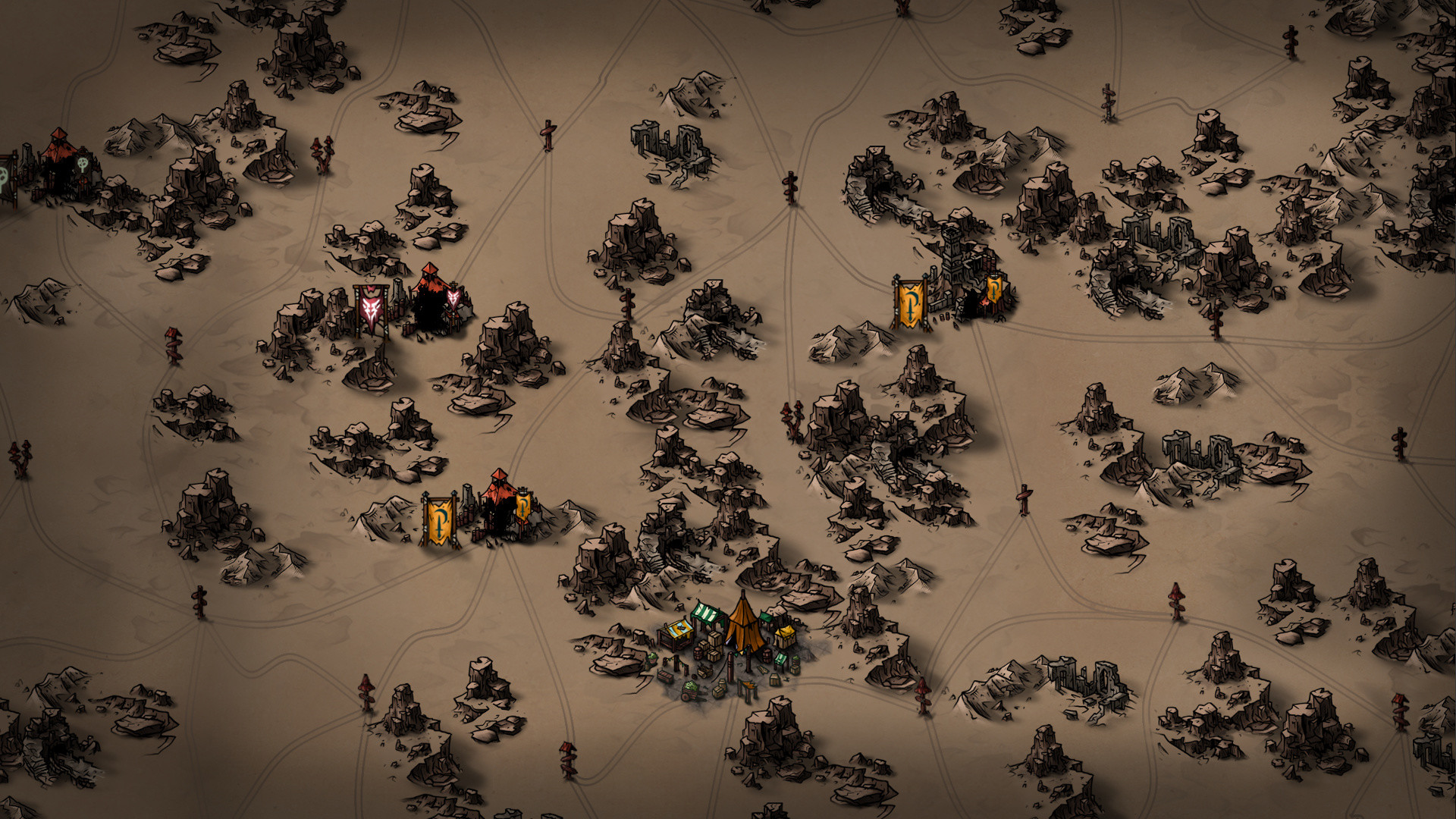
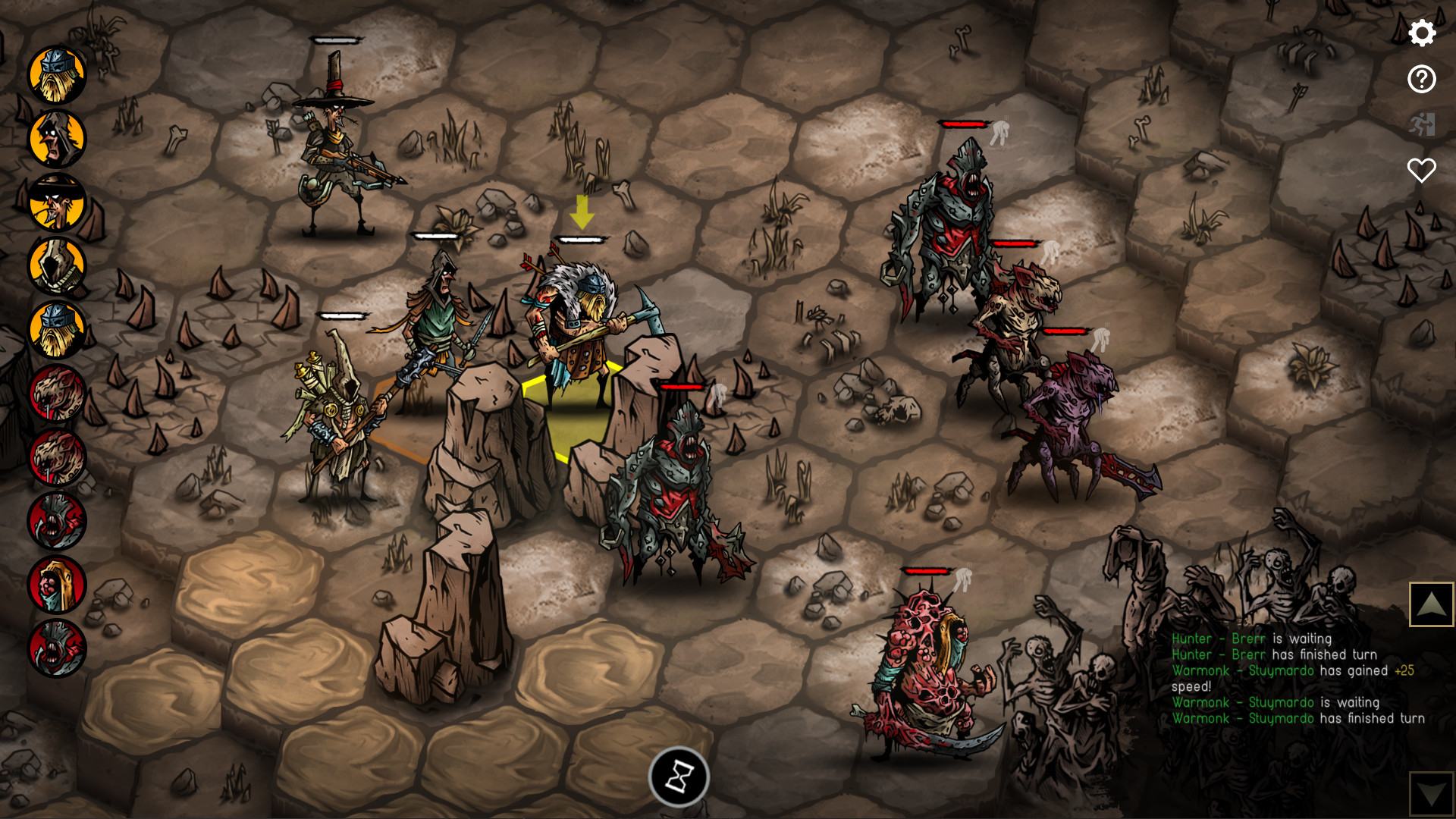
You command a small squad of survivors travelling across a procedurally generated overworld map dotted with villages, camps, quests and threats. The campaign loop is part road trip, part survival: you pick routes, scavenge for resources, recruit new fighters and walk into turn-based battles fought on grids strewn with obstacles and hazards. Each fight is a self-contained tactical puzzle. Characters act in an order set by their speed, and clever play — interrupting an enemy before it acts, flanking for automatic critical hits, baiting a foe next to a cliff — decides whether you win cleanly or bleed survivors.
The thread that ties it together is attrition. There is no comfortable stream of healing here; your fighters carry injuries, and a survivor knocked out can be saved once, but go down again unhealed and they are gone for good. That permadeath pressure turns every encounter into a careful negotiation between aggression and self-preservation, and it is the heart of what makes Urtuk tense and memorable.
New players almost always fight too straightforwardly. Urtuk rewards using the map — knockback into spiked pits, forcing enemies onto hazards, holding high ground — far more than trading blows. Our Urtuk beginner guide covers the survival mindset that turns the brutal opening around.
Why the terrain system carries everything
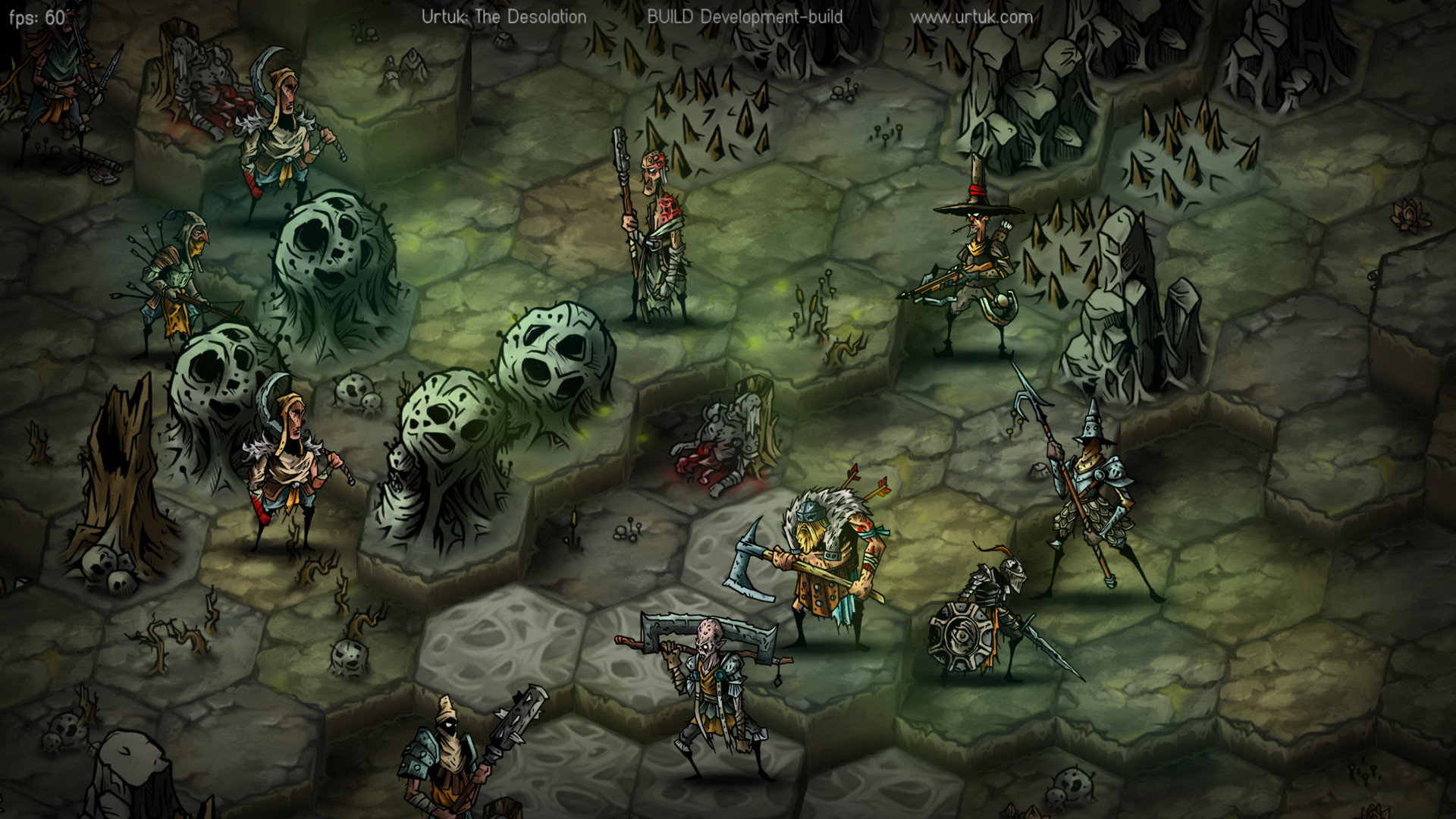
Plenty of tactics games have cover and elevation; few make the environment this lethal or this central. In Urtuk, the map is full of spiked pits that kill instantly, ledges you can hurl enemies off, and hazardous ground that damages anything standing on it. Many classes have abilities specifically designed to move bodies around the field — pulls, pushes, throws and charges — so a huge part of the tactical layer is positioning enemies into doom rather than simply outdamaging them. A single well-placed shove can erase a dangerous foe that would have taken your whole party three turns to grind down.
This focus changes how you think about every turn. You read the field for hazards the way you would read a chessboard, set up combos where one character displaces an enemy and another finishes the job, and treat your own positioning defensively so the enemy cannot do the same to you. It is the most distinctive thing about Urtuk's combat, and once it clicks, fights become genuinely satisfying spatial puzzles.
Pros
- +Terrain-as-weapon combat that makes positioning deeply satisfying and tactical.
- +A fresh mutator-extraction system that replaces generic skill trees.
- +Real attrition and permadeath that give every battle weight and tension.
- +Strong replayability and value, with no microtransactions.
Cons
- −Brutal difficulty, limited healing and permadeath that filter new players.
- −Rough UI and clarity edges that can obscure the systems.
- −A relentlessly grim tone and presentation.
- −No official Japanese, Korean, German, Spanish, Portuguese or Italian localization.
The mutator system: power with a price
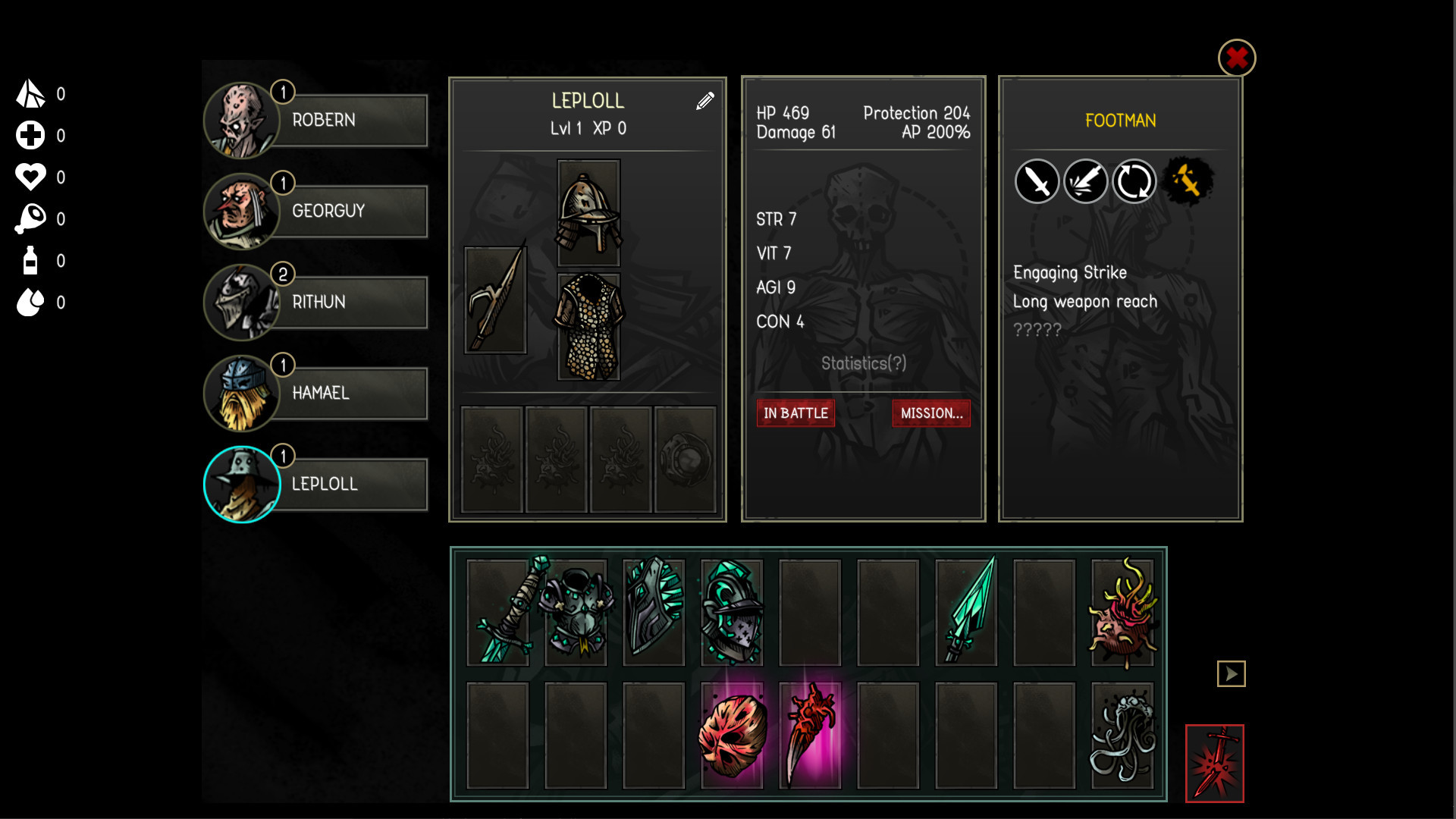
Urtuk's progression is its second big idea. Instead of climbing a skill tree, your characters grow mainly by absorbing mutators — special modifications extracted from defeated enemies, often the tougher "monstrosities" you bring down. A mutator might grant a powerful status effect, a passive ability or an offensive boost, but it usually comes at a cost: it lowers that character's maximum health. The trade-off is constant and meaningful. Do you load a fighter with strong mutators and accept a fragile frame, or keep them sturdier but plainer? Keep a mutator equipped long enough and the character develops an affinity for it, gradually reducing the health penalty, which quietly rewards commitment.
The result is party-building that feels genuinely yours. Two players can field the same classes and end up with wildly different squads because of which mutators they harvested and how they distributed them. Combined with traits that unlock through repeated battle actions, it gives long-term progression a craft-your-own-monster quality that suits the setting perfectly. Our Urtuk mutators guide breaks down how to build around this system without crippling your survivors.
The honest weaknesses
Now the part the store page underplays. Urtuk is hard, and not in a gentle, ramping way. Healing is scarce, injuries linger, and permadeath means a couple of bad turns can cost you a fighter you invested hours into. Early runs will end in frustration while you learn how armour, hazards and mutators interact, and the game does relatively little hand-holding. For players who love that mastery curve it is a feature; for anyone wanting an approachable tactics game, it is a real wall.
The presentation and polish are the other dividing lines. The hand-drawn grimdark art has a strong, distinctive look, but the tone is unrelentingly bleak, and the interface and tutorialisation carry a few rough edges that can make systems harder to read than they should be — exactly the kind of friction you expect from an ambitious solo project. None of this undermines the core, which is excellent, but it does define who Urtuk is for.
Buy Urtuk for its tactical depth and terrain combat, not for accessibility or polish. If you want a gentle learning curve, forgiving battles, a lighter tone, or your own language, this is not the tactics game for you. If brutal, positional combat excites you, few hidden gems reward mastery this well.
Who should buy it
If you love turn-based tactics and the grind of keeping a fragile band alive against the odds, Urtuk: The Desolation is a standout. Players coming from games like Battle Brothers will recognise the grim attrition but find the terrain focus and mutator system genuinely fresh; positioning enthusiasts will love how much the map matters; and anyone who enjoys deep, self-directed party-building will get a lot out of the mutator economy. At its price, with high replayability and no monetization nonsense, the value is excellent for the right player. To survive your first runs, start with our beginner guide and combat guide, and to understand its archetypes, see the classes tier list.
Who should pass? Anyone who needs a gentle on-ramp, forgiving combat, a lighter mood, or their own language, and anyone who bounces off brutal permadeath. For everyone else, Urtuk is a deep, distinctive, terrain-driven tactical RPG that earns its quiet following — with the honest asterisk that it is demanding, a little rough, and proudly built for players who want exactly this.