The verdict up front
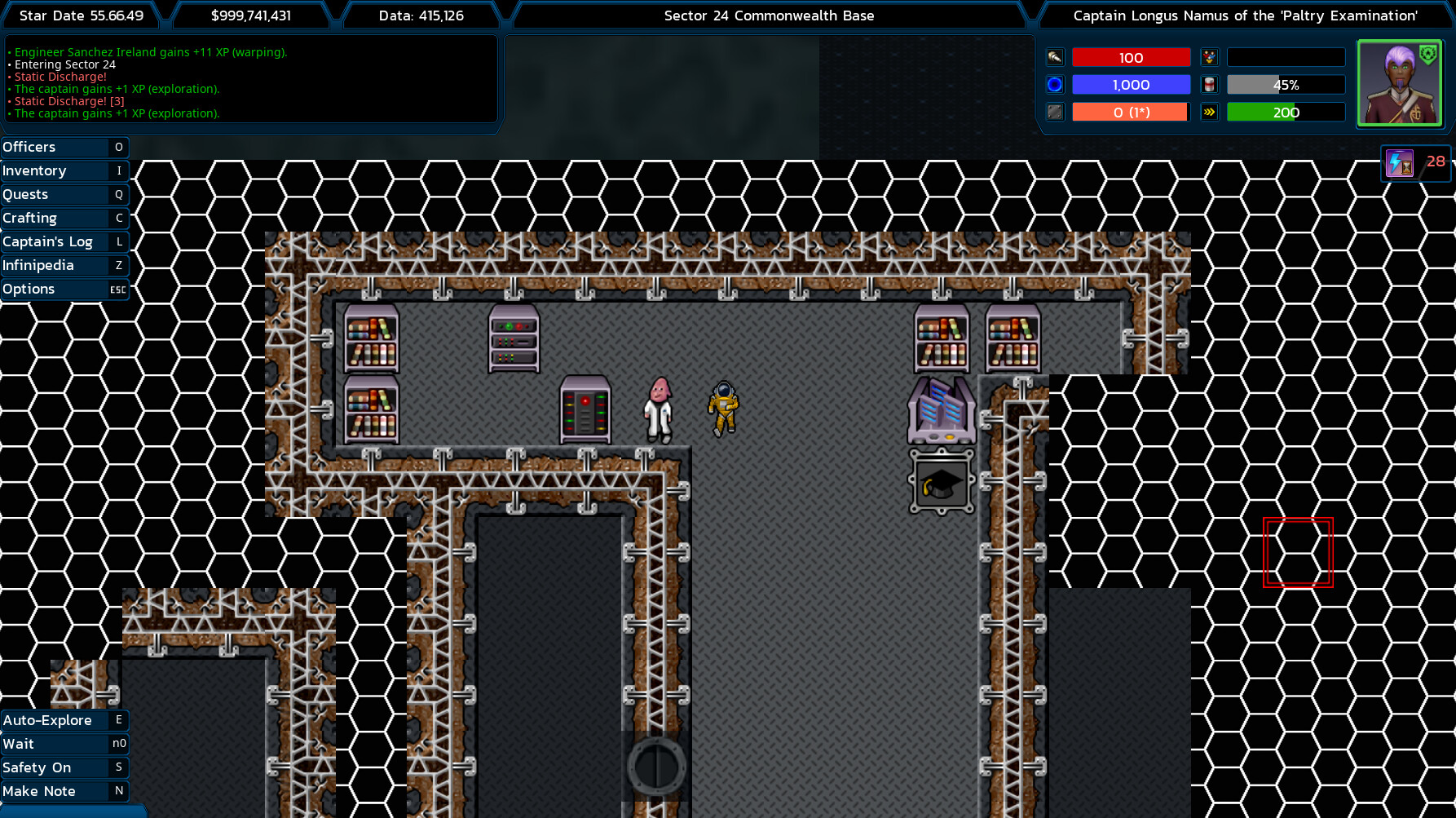
Approaching Infinity is one of the deepest and most rewarding space roguelikes you can play, provided you can see past its determinedly old-school presentation. The work of solo developer Bret Hudson across more than a decade, it is a turn-based sci-fi exploration RPG with a strong Star Trek spirit: you captain a ship across a procedurally generated galaxy, jumping from sector to sector, beaming away teams down to planets, derelicts and space stations, and dealing with whatever you find through tactical combat, diplomacy, trade or guile. What makes it special is the sheer breadth of what you can do. You can fight ship battles, lead ground missions, mine asteroids, trade commodities, smuggle contraband, craft gear, and pursue quest lines across fourteen distinct factions — and you can win in many different ways, or simply explore forever. It holds an Overwhelmingly Positive rating on Steam, and it earns it.
So is it worth buying? If you love deep, systems-rich roguelikes and the romance of space exploration, absolutely — it offers enormous variety, near-endless progression, and the kind of content density that only years of devoted solo work can produce. The honest caveats are real: the tile graphics are dated, there is a lot to learn, and it is English only. But none of that stops Approaching Infinity from being a uniquely rich and characterful adventure.
Approaching Infinity is a turn-based sci-fi space exploration roguelike RPG from solo developer Bret Hudson. You captain a ship across procedurally generated sectors, run away missions on planets and derelicts, fight ship and ground battles, and trade, craft and quest across fourteen factions. It is single-player, with an optional adventure mode that softens permadeath, and English only.
What you actually do
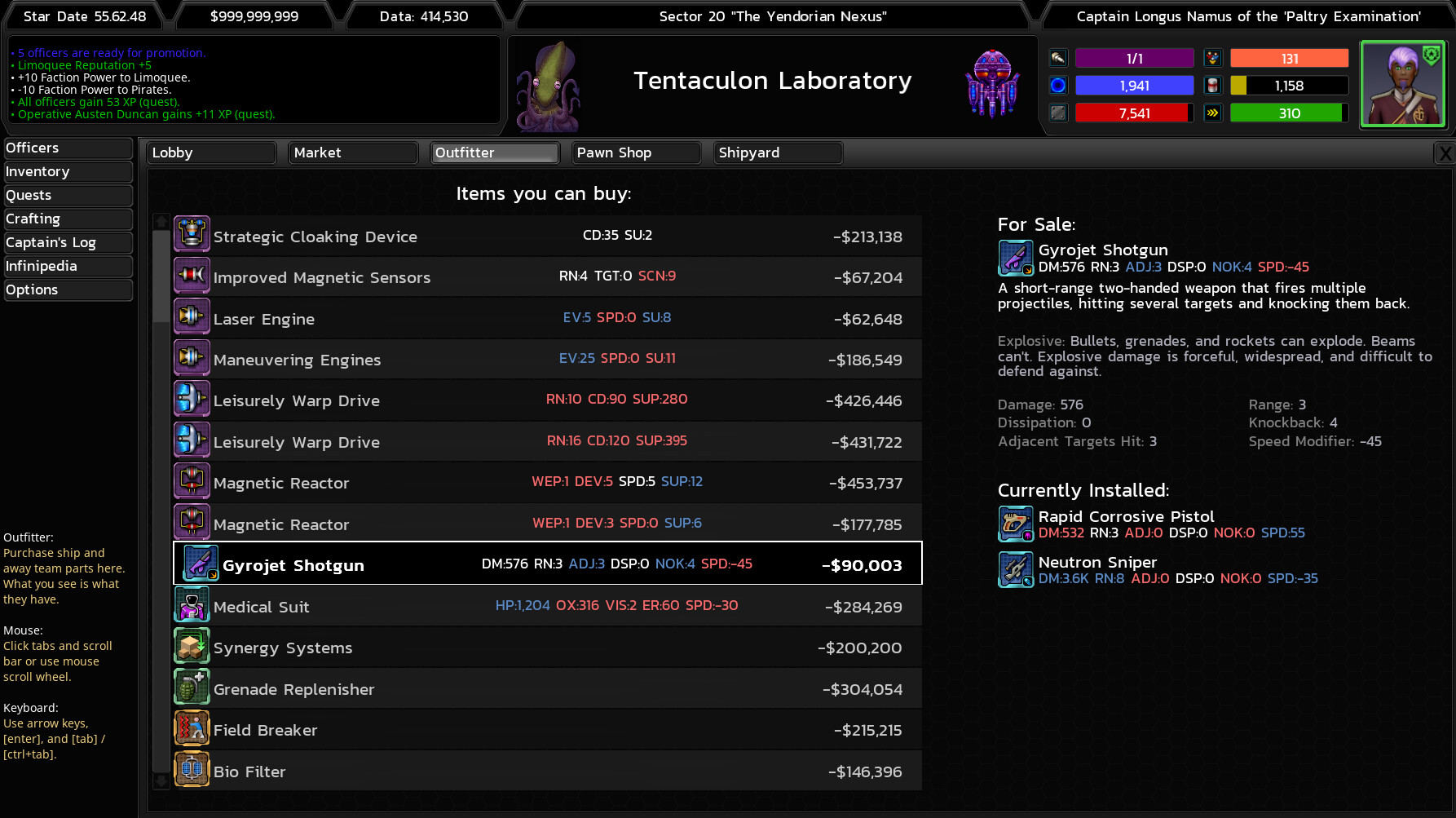
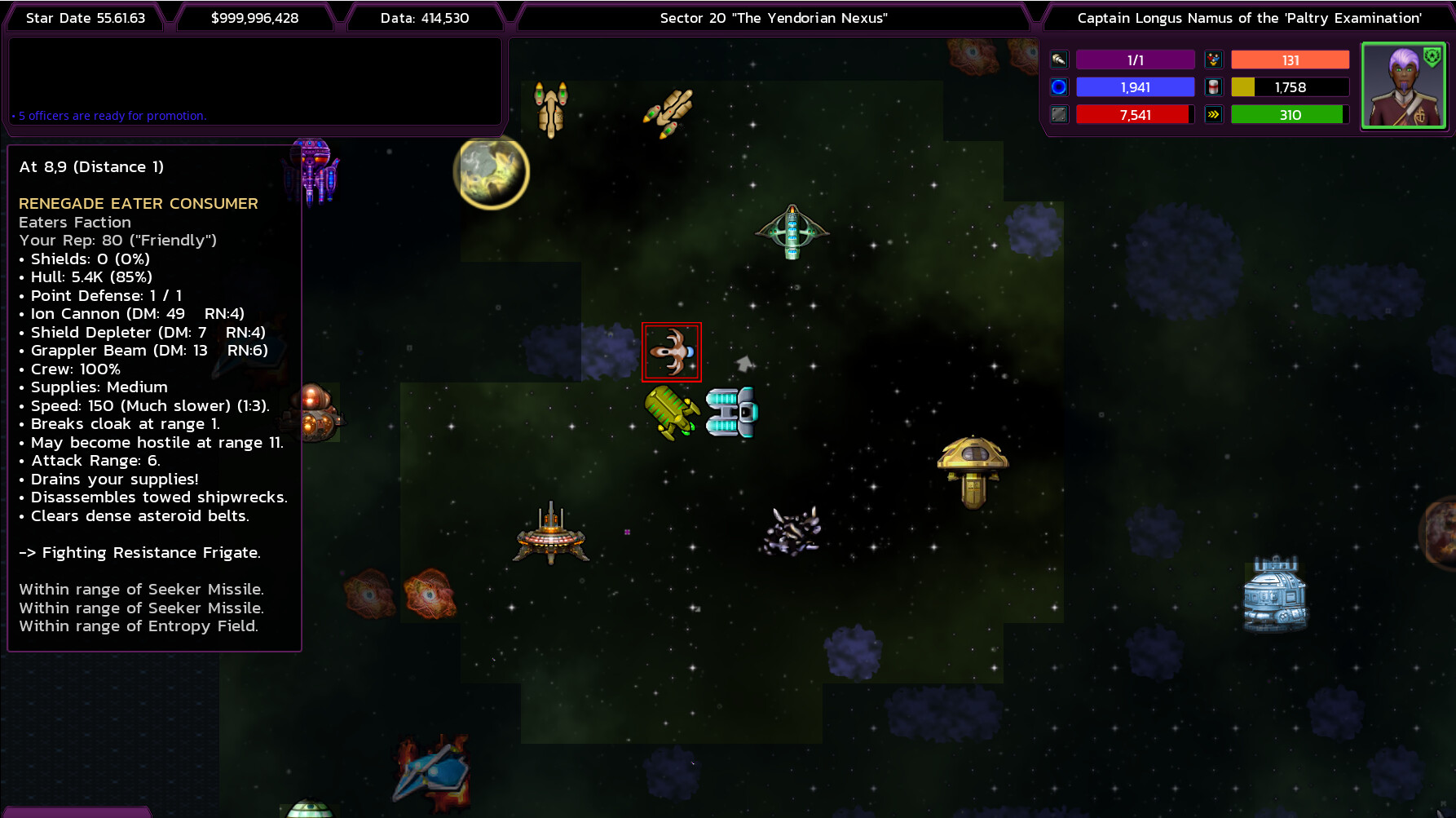
A game of Approaching Infinity puts you in the captain's chair and sets you loose on a procedurally generated galaxy. You travel from sector to sector — distance and time are abstracted, so movement on the star map works much like exploring an interior, with each action costing a turn — surveying planets, scanning for opportunities, and deciding where to point your ship. When something catches your eye, you beam an away team down to explore on foot: a planet surface, a drifting derelict, a station, each generated fresh with its own hazards and treasures. Out in space you fight ship-to-ship battles; on the ground your away team fights enemies directly. Around that core loop sit a wealth of systems — mining, trading, smuggling, crafting, surveying, and quest lines across fourteen factions — that you can engage with as deeply as you like, cooperating with some powers, opposing others, or ignoring them entirely.
The result is a sprawling sandbox with remarkable freedom. There is no single forced path: you can chase one of several faction victories, hunt for hidden win conditions, or treat the whole galaxy as an endless frontier to explore and grow stronger in. Your story emerges from where you choose to fly and what you choose to do when you get there.
New to the game? Turn on adventure mode for your first runs so death is a setback rather than the end, and pick a class that matches how you want to play. Our Approaching Infinity beginner guide walks you through your first hours.
Why the depth and variety carry it
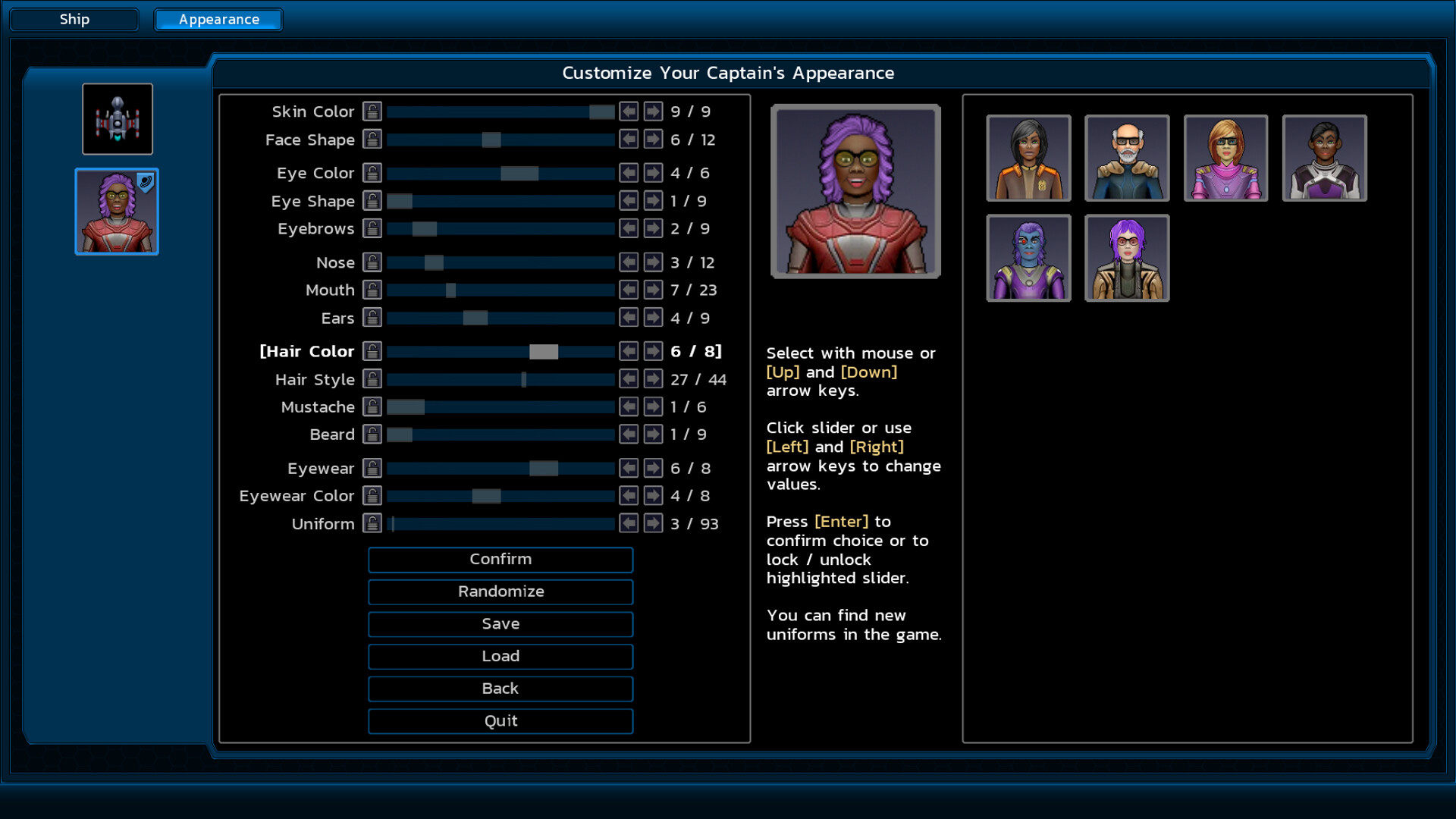
The reason Approaching Infinity is so beloved is the staggering breadth of its systems and the freedom they give you. This is a game where almost any sci-fi fantasy is supported: be a warship captain blasting hostiles, a trader building wealth across markets, a smuggler running contraband past patrols, a diplomat weaving through fourteen factions, a miner and crafter, or an explorer pushing into the procedural unknown. Ten character classes, each with their own talent tree and division-based active skills for ship and away team, let you specialise, and up to five additional officers round out a crew you build to suit your goals. Because every sector, planet, cave, item and encounter is generated, and because progression for both crew and gear is effectively endless, there is always something new over the next jump and always a reason to keep playing.
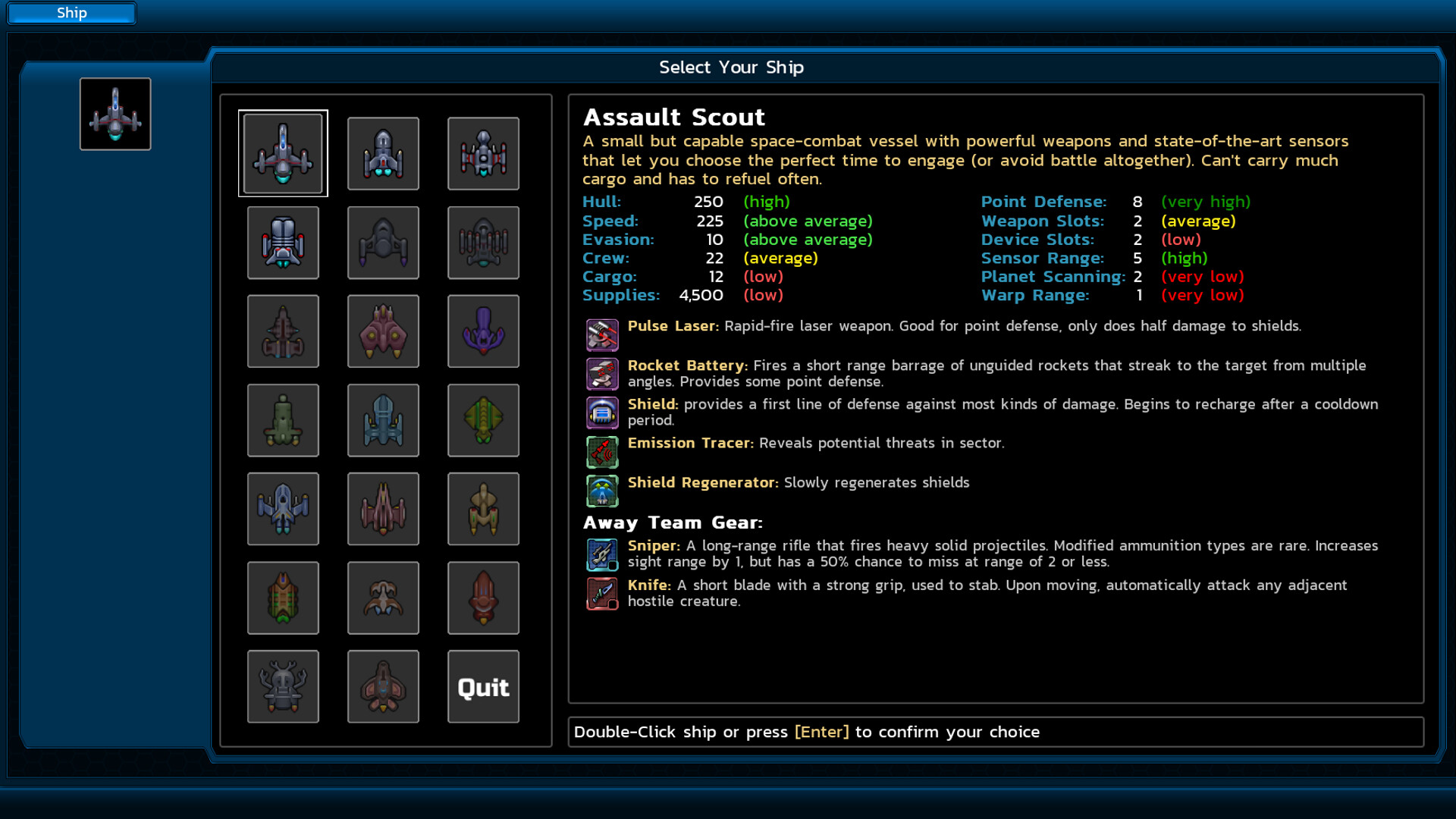
Underpinning the breadth is genuine depth. Ship combat rewards sensors and positioning; away missions simulate real hazards like fire that spreads according to atmosphere and decompression from hull breaches; factions have histories to uncover and multiple ways to engage. This combination — vast variety over deep, simulated systems — is what gives the game its near-bottomless replayability and devoted following. Our classes tier list and ship guide go deeper.
Pros
- +Enormous variety of playstyles, from combat to trade to diplomacy.
- +Deep procedural generation and effectively endless progression.
- +Fourteen factions, quests and multiple victory conditions.
- +Immense content from over a decade of solo development.
Cons
- −Dated, minimal tile graphics.
- −A lot of interlocking systems that overwhelm at first.
- −Roguelike permadeath can be punishing, though adventure mode helps.
- −English only and very text-heavy.
Freedom, factions and replayability
One of Approaching Infinity's greatest strengths is how much room it gives you to choose your own path. The galaxy's fourteen major factions each come with full quest lines, discoverable histories and multiple ways to interact — you can cooperate, oppose, or simply ignore them — and eight of them lead to their own unique victories, with a couple of further hidden win conditions waiting to be found. That means there is no single "right" way to play or to win. One run you might rise through a faction's ranks toward their victory; another you might play the markets and never fire a shot; another you might abandon victory entirely and just see how far into the infinite you can push. Combined with the humour woven through its writing and the constant surprises of the generation, this openness gives the game enormous character.
That freedom is also why it has such staying power. Because so much is generated and so many playstyles are supported, there is always another build to try, another faction to court, another corner of the galaxy to chart. Add a developer who has expanded this single game for more than ten years rather than chasing sequels, and you have a roguelike that rewards both a curious first run and hundreds of hours of mastery.
The honest weaknesses
Now the caveats, which are real but, for the right player, forgivable. The most obvious is the presentation: Approaching Infinity uses dated, minimal tile graphics that look closer to a classic roguelike than a modern game. If you cannot enjoy a game that prioritises systems over visuals, this will be a barrier. The second is the depth itself: there are a great many interlocking systems — ship, away teams, classes, skills, factions, trade, crafting — and the early hours can be genuinely overwhelming as you learn how it all connects. The roguelike permadeath can also be punishing, though the optional adventure mode, which turns death into a temporary setback, takes much of the sting out for those who want it. Finally, it is English only and very text-heavy, a real hurdle for non-English players. And the endless progression that thrills some players can feel like grind to others.
It is fair to say Approaching Infinity asks you to value depth, variety and imagination over polish and presentation. It rewards players who delight in systems, procedural surprises and self-directed play, and it will put off anyone who needs modern visuals, hand-holding or a short, tightly scripted experience. Be honest with yourself about which you are.
Buy Approaching Infinity for its depth, variety and exploration, not for graphics or guidance. If you need modern visuals, a guided experience, or a short authored story, weigh that carefully. If a sprawling, systems-rich space roguelike appeals, few games offer more to discover.
Who should buy it
If you love deep roguelikes, space exploration and the freedom to play your own way, Approaching Infinity is an easy recommendation — a game of remarkable breadth and character, packed with more systems and content than most titles many times its size, and one that will reward hundreds of hours of curious play. Roguelike and space-RPG fans who enjoy learning systems, who relish procedural surprises, and who can happily look past dated graphics will get extraordinary value here. To get started, read our beginner guide, then dig into the classes tier list, ship guide and away team guide.
Who should pass? Anyone who needs modern visuals, a guided experience, or a short, tightly authored story rather than a sprawling procedural sandbox. Be honest about that, because the dated presentation and wall of systems are its real barriers. For the players it suits — those who prize depth, variety and exploration over looks — Approaching Infinity is a uniquely rich adventure, with the honest asterisks that it is graphically dated, dense to learn, and English only.