The verdict up front
Kenshi is a game that should not work as well as it does. Developed over roughly twelve years by the tiny British studio Lo-Fi Games, it is a squad-based open-world sandbox RPG with a radical proposition: no story, no main character, no quests, and no way to win. You begin as a single weak nobody dropped into a vast, hostile desert world, and everything after that is up to you — become a trader, a thief, a warlord, a farmer, a slave who escapes to build an empire, or simply food for the cannibals. It has earned an Overwhelmingly Positive rating on Steam (around 96% of well over 100,000 reviews), and that acclaim is for something rare: total, unfiltered freedom in a world that genuinely does not care whether you live or die.
So is it worth buying? For anyone who loves open-ended sandboxes and emergent stories, absolutely — it is one of the most freeing games ever made, and at a modest price with hundreds of hours of content and huge mod support, the value is staggering. The honest caveats are jank and difficulty. The UI and controls are clunky, the visuals are dated, large bases can tank performance, and the game is brutally hard while explaining almost nothing. If you can meet it on those terms, few games offer this much.
Kenshi is a single-player game from Lo-Fi Games, released in 2018 after a long development and Early Access. It has no story or win condition by design, extensive Steam Workshop mod support, and a built-in level editor. There are no microtransactions.
What you actually do
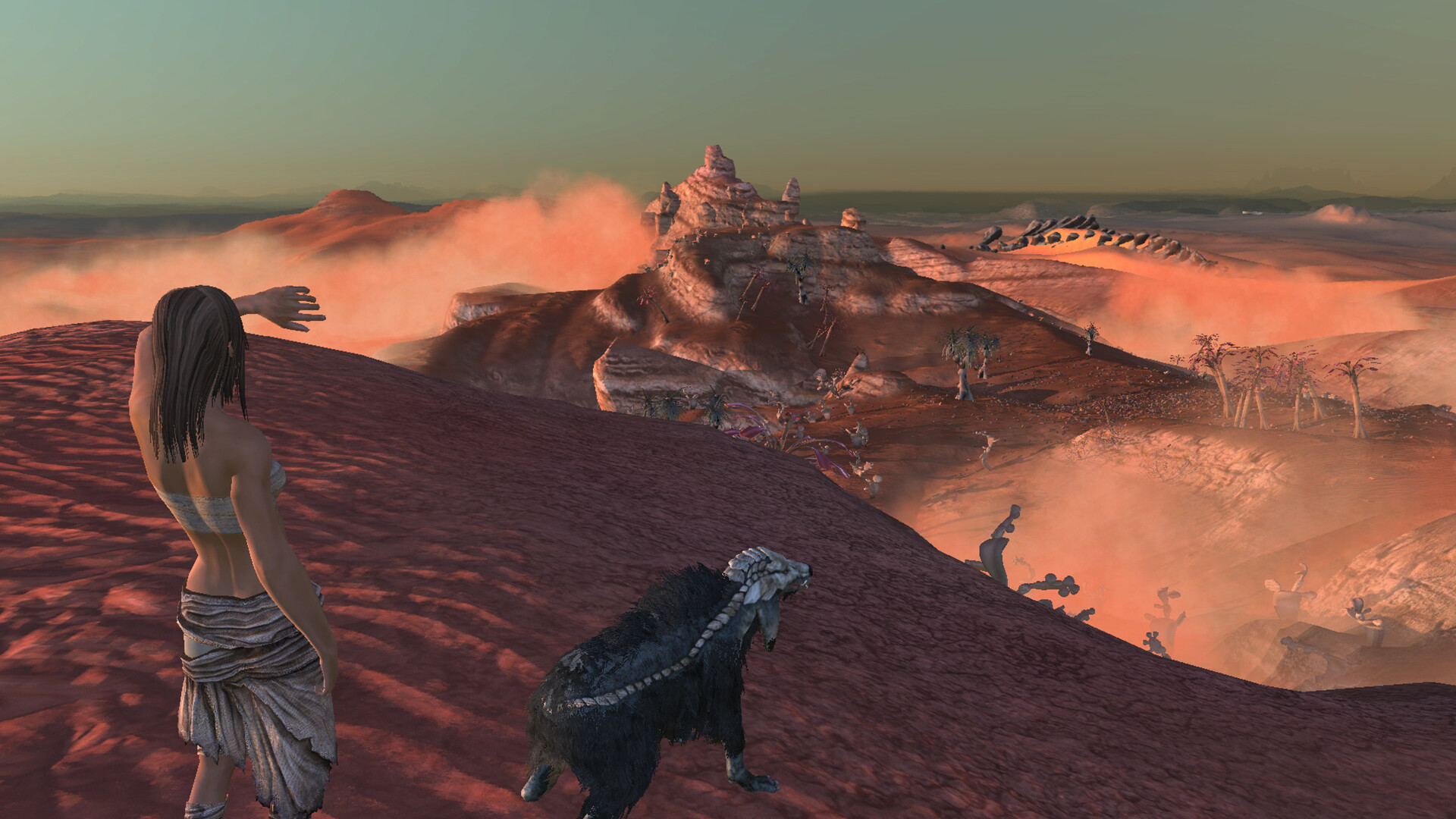
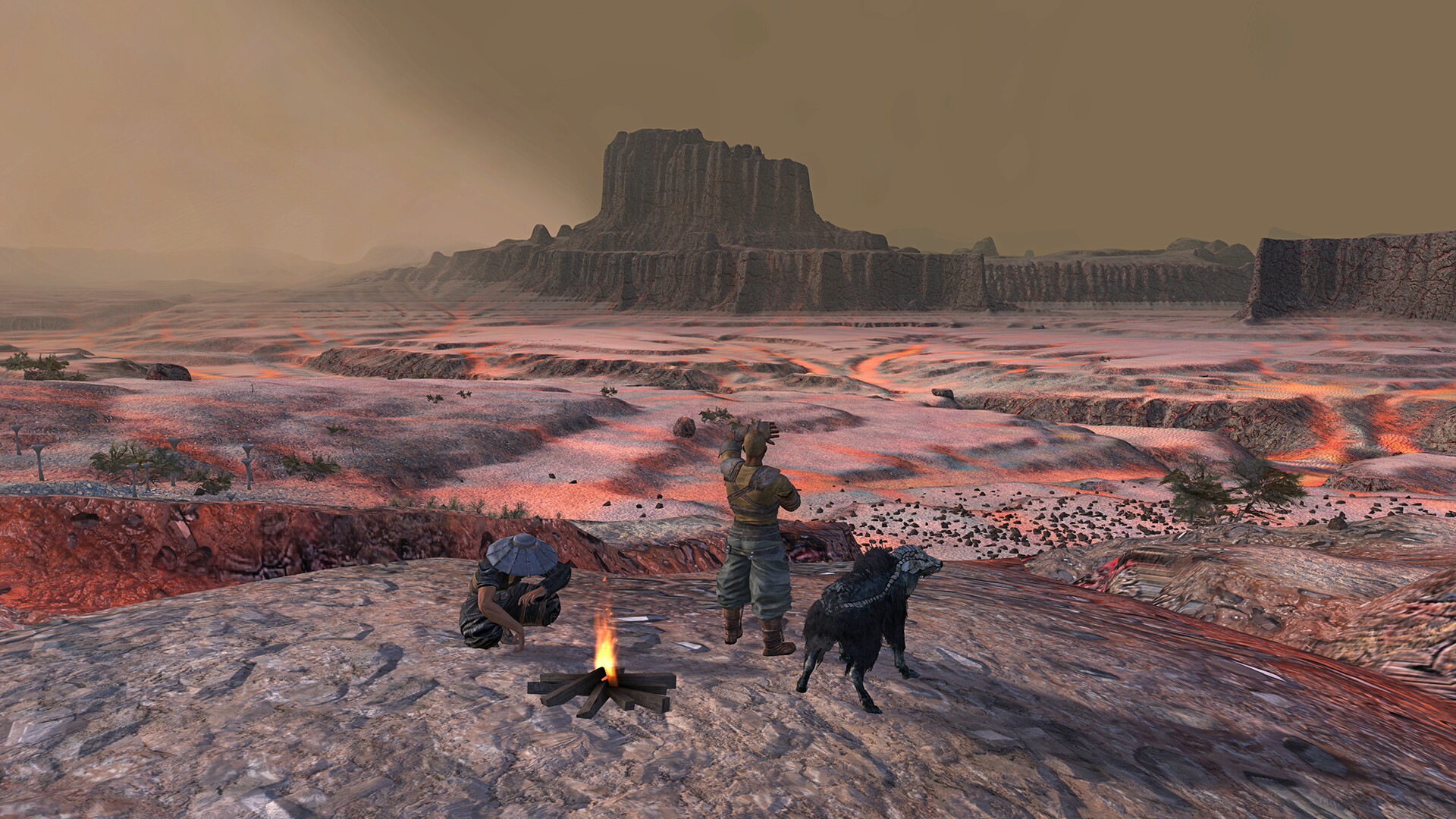
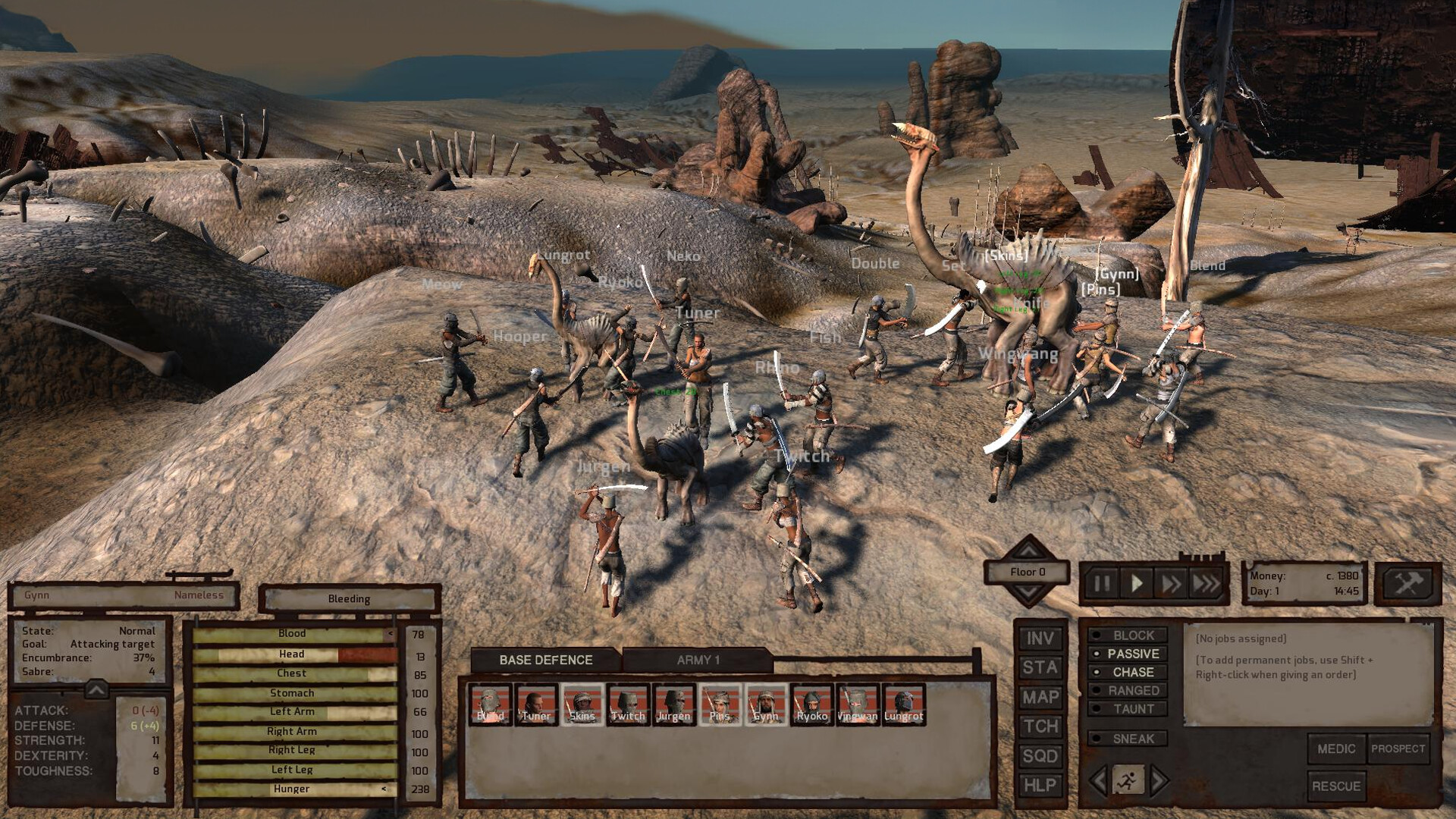
Kenshi hands you a character and a harsh world and then steps back entirely. There are no objectives, so the first thing you do is survive — and early on, survival means running. Your lone starter is weak, and the world is full of bandits, slavers, hungry beasts and hostile factions, so you flee fights you cannot win, scrape together some money by trading or mining, and recruit other characters to build a squad. From there, the game opens into whatever you want it to be. You can train your people into deadly fighters, build a base in the wilderness, research technology, farm and craft, trade across the map, free slaves, or wage war on an entire nation.
Crucially, characters improve only through use, Elder Scrolls-style: swing a weapon to raise your weapon skill, get hit to raise toughness, run to raise athletics, steal to raise thievery. There are no levels and no classes — your squad becomes whatever you make them do. Combined with a world full of reactive factions, this turns every playthrough into a unique, self-directed campaign with no two stories alike.
For your first hours, do not fight — run. Kenshi expects you to flee, recruit, and train before you can stand toe to toe with anything. Our Kenshi beginner guide walks through surviving the brutal opening and building your first squad.
Why the freedom carries everything
It is worth being specific about why Kenshi is special, because "open world" is overused. Most open-world games are still about a story you are nudged through. Kenshi removes the story entirely and trusts the world's systems and your imagination to generate one. The factions have their own agendas and conflicts; the skill-by-use system means your characters are shaped purely by what they do; and the consequences are persistent and brutal. That combination produces stories no designer scripted: the lone survivor who loses both legs to a Beak Thing, crawls to a town, buys robotic limbs, and returns to build an army; the squad enslaved by the United Cities who escape, free others, and topple their captors.
This is the lens for everything else. The clunky controls and dated look are real flaws, but they are the price of a simulation this open and reactive, and once the world's stories start emerging, they fade into the background. Few games trust the player this completely, and fewer still reward that trust so richly.
Pros
- +Total open-ended freedom and emergent, player-authored stories.
- +Deep skill-by-use progression, squad building and base building.
- +A reactive faction sandbox where you can recover from any disaster.
- +Huge value, hundreds of hours, massive mod support, no microtransactions.
Cons
- −Clunky UI and controls, dated visuals, performance dips at scale.
- −Brutally hard and opaque, with almost no guidance.
- −Jank and bugs typical of a long indie development.
- −No story or direction, which will not suit goal-driven players.
Systems, scale and the long game
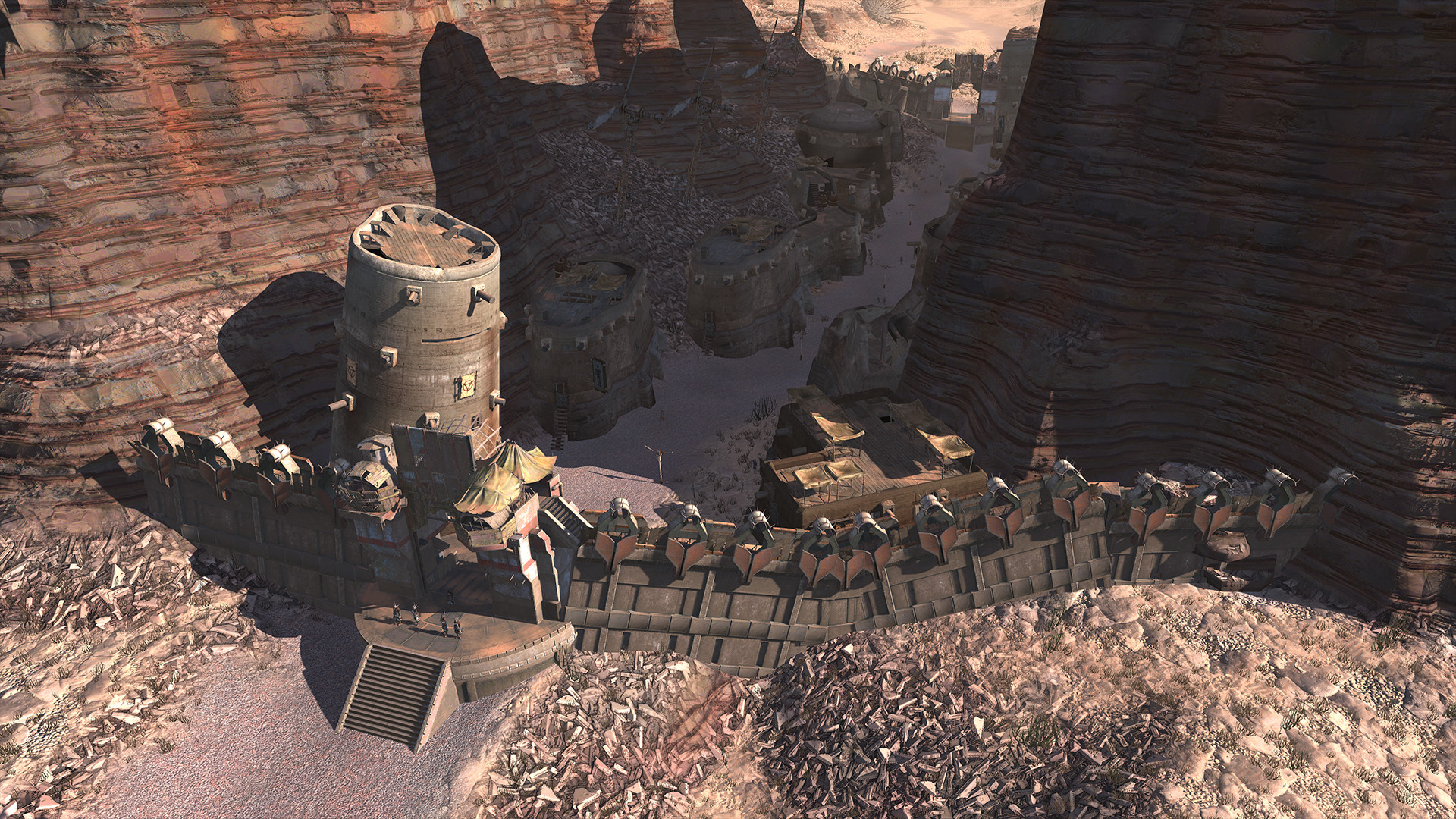
As you grow, Kenshi reveals real strategic depth. Base building lets you claim land, raise walls, research technology at a research bench, farm crops and hydroponics, mine ore, and craft weapons, armour and goods — but a base also draws raids from factions and beasts, so it is a commitment that demands defense. The economy supports trading, looting, stealing and the bounty system, and the medical layer (first aid, splint kits, robotic limb repair) means injuries are setbacks to manage, not instant deaths. Different races — humans, the horned Shek, the insectoid Hivers, and the self-repairing Skeletons — change how you survive, who treats you as an enemy, and how you build a squad, adding another axis of replayability that our Kenshi races tier list breaks down.
The fair counterpoint is scale. As your squad and base grow, the aging engine can struggle, with frame drops and the occasional pathfinding mess, and the management overhead climbs. The depth is genuinely rewarding, but it is delivered through systems that show their age.
The honest weaknesses
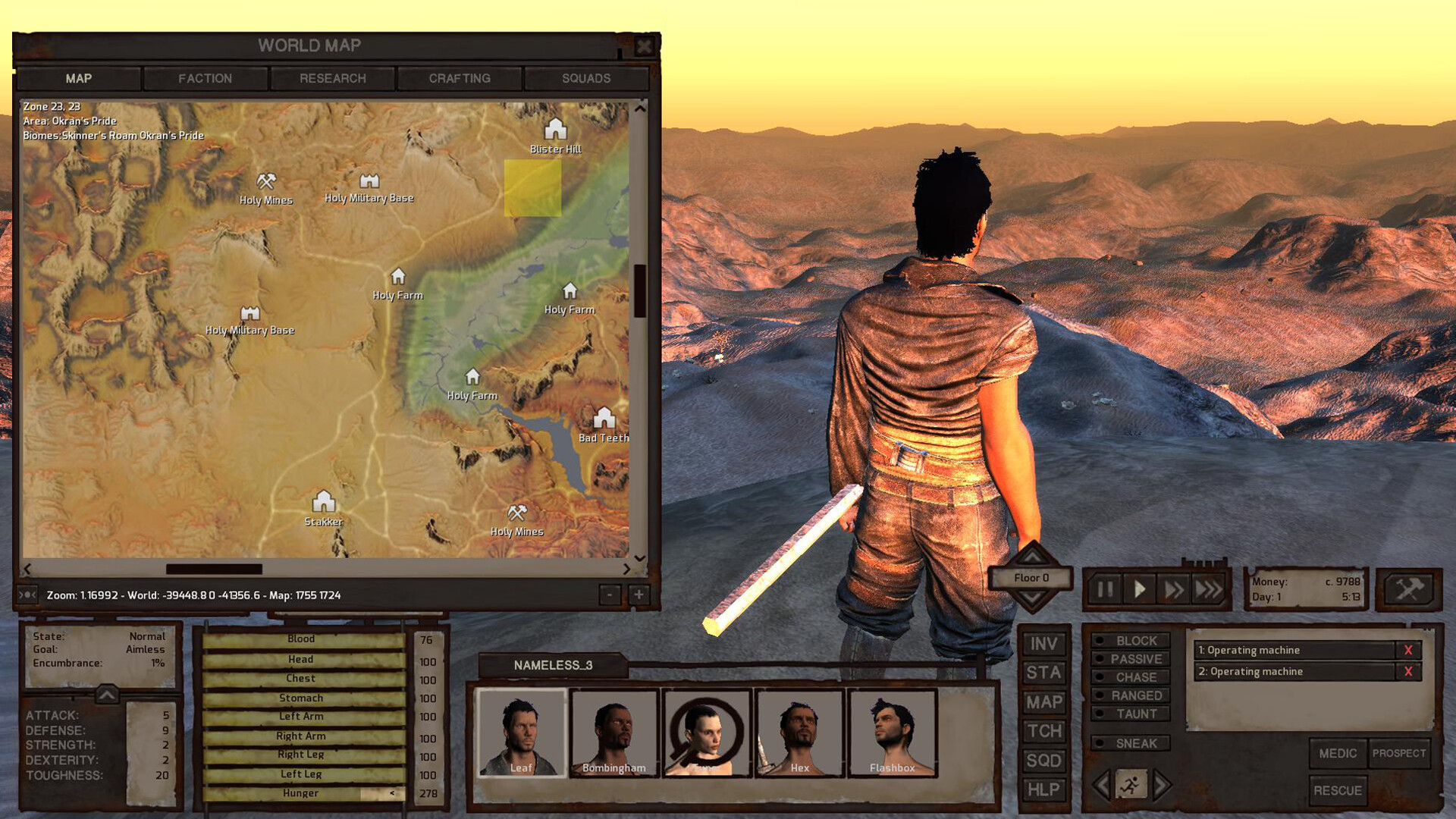
Now the part a store page glosses over. Kenshi is janky, and there is no kind way to say it. The interface and squad controls are clunky and unintuitive, the visuals looked dated even in 2018, performance can sag badly once you run large groups or sprawling bases, and you will hit pathfinding quirks and AI oddities that are the legacy of a tiny team building an enormous game over many years. None of this is a dealbreaker for the right player, but it is real, and you should expect to wrestle with the game's rough edges.
The other honest issue is direction, or the deliberate lack of it. Kenshi tells you nothing — no tutorial worth the name, no goals, no hand-holding — and for players who thrive on freedom that is a feature, but for those who want a story, objectives or a sense of progress handed to them, it can feel aimless and punishing. Knowing which kind of player you are is the single most important thing to settle before buying.
Buy Kenshi for freedom and emergent stories, not for polish or direction. If you need a story, clear goals, smooth controls or a gentle on-ramp, this is not the game for you. If a harsh, indifferent sandbox sounds thrilling, few games deliver more.
Who should buy it
If you love open-ended sandboxes and the stories that only a reactive, indifferent world can generate, Kenshi is essential. Players coming from Mount & Blade will recognise the freeform world but find it harsher and far less directed; survival and base-builder fans will appreciate the depth of its systems; and anyone who loves emergent, player-authored sagas will find Kenshi nearly unmatched. At its price, with hundreds of hours and a vast mod scene, the value is hard to overstate. To survive long enough to enjoy it, start with our beginner guide and combat guide, and when you are ready to settle, the base building guide.
Who should pass? Anyone who needs direction, story and goals, anyone who wants polished controls and visuals, and anyone unwilling to fight a steep, unexplained learning curve. For everyone else, Kenshi is a brutal, brilliant, one-of-a-kind sandbox that earns its devoted following — with the honest asterisk that it asks you to bring your own purpose and tolerate its rough edges.