How to read this tier list
One important caveat before the ranking: in Dominions 6 there is no single best strategy, because the strongest approach always depends on your nation, the age you are playing, and your opponents. So this tier list does not rank fixed "win buttons." Instead, it ranks the main strategic approaches by their general power and reliability — how often they carry games, how central they are to strong play, and how broadly they apply — while stressing that the right choice for you is the one your nation is built to support. A higher-tier approach is more broadly reliable and powerful; a lower-tier one is more situational or demanding, not weak. And almost every winning game, whatever its headline strategy, rests on the same foundation of expansion, scales and research.
Read the tiers, then, as a map of the main ways to win and how dependable each tends to be, not as a command to play one way. The best Dominions players pick the approach that fits their nation and adapt it to the game in front of them.
Whatever strategy you build, it sits on a foundation: expand aggressively early, take good scales where you can, and keep researching magic. Bless rushes, summoning, super-combatants and battlefield magic are all built on top of that base — neglect the foundation and the flashy strategy collapses.
The strategies tier list
This ranking weighs general power, reliability and how central each approach is to strong play, assuming you build the economic and research foundation underneath it and your nation supports the strategy.
S tier — the foundation and the bless rush
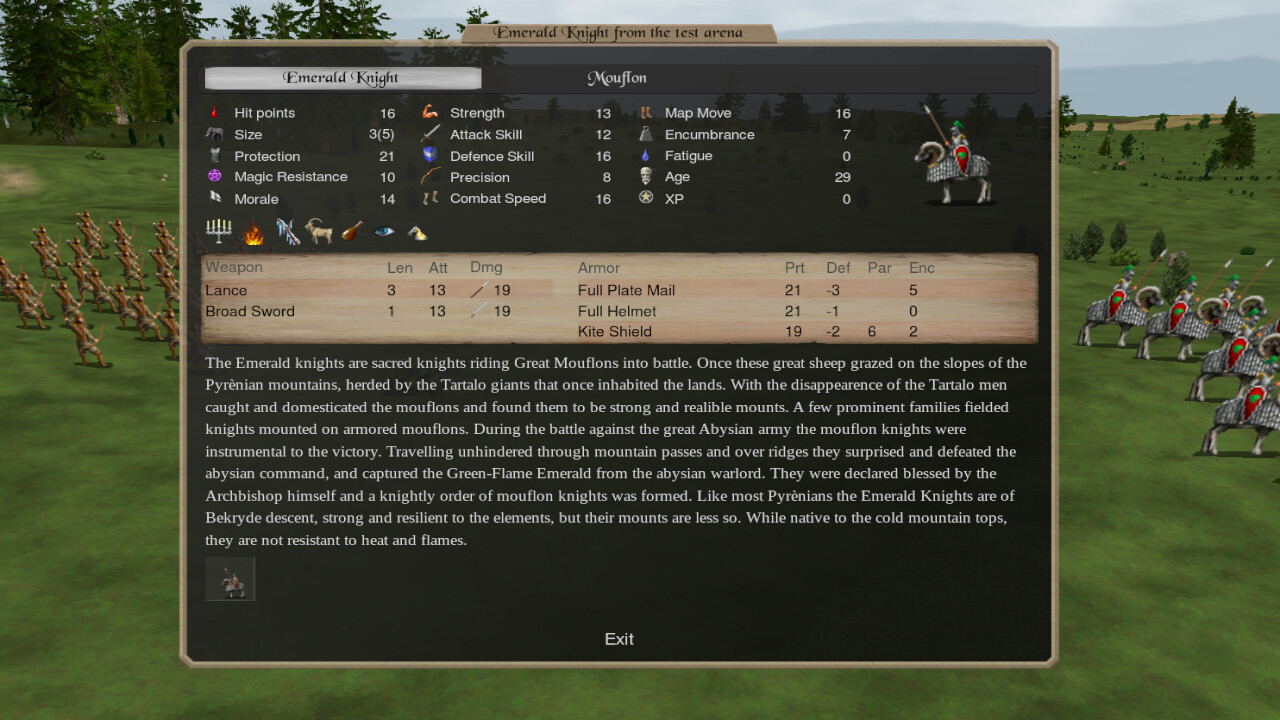
These two define strong Dominions play. The first is not glamorous but is the bedrock of nearly every win: a foundation of fast early expansion, good scales and steady research. Expanding aggressively into the independents builds the income, army and recruitment base that everything else needs; good scales keep your provinces productive; and research is what eventually unlocks the magic that wins games. No headline strategy survives without this underneath it, which is exactly why it sits at the top. The second is the bless rush, the most reliable aggressive game-winner when your nation supports it: you design your Pretender to grant a powerful blessing, field cheap but effective sacred units that become formidable when blessed, and use that early power spike to expand fast and overwhelm rivals before they can respond. The cost is usually weaker scales to pay for the bless, so it relies on converting an early lead into a decisive one, but in the right hands and the right nation it is devastating.
A tier — magic dominance and super-combatants
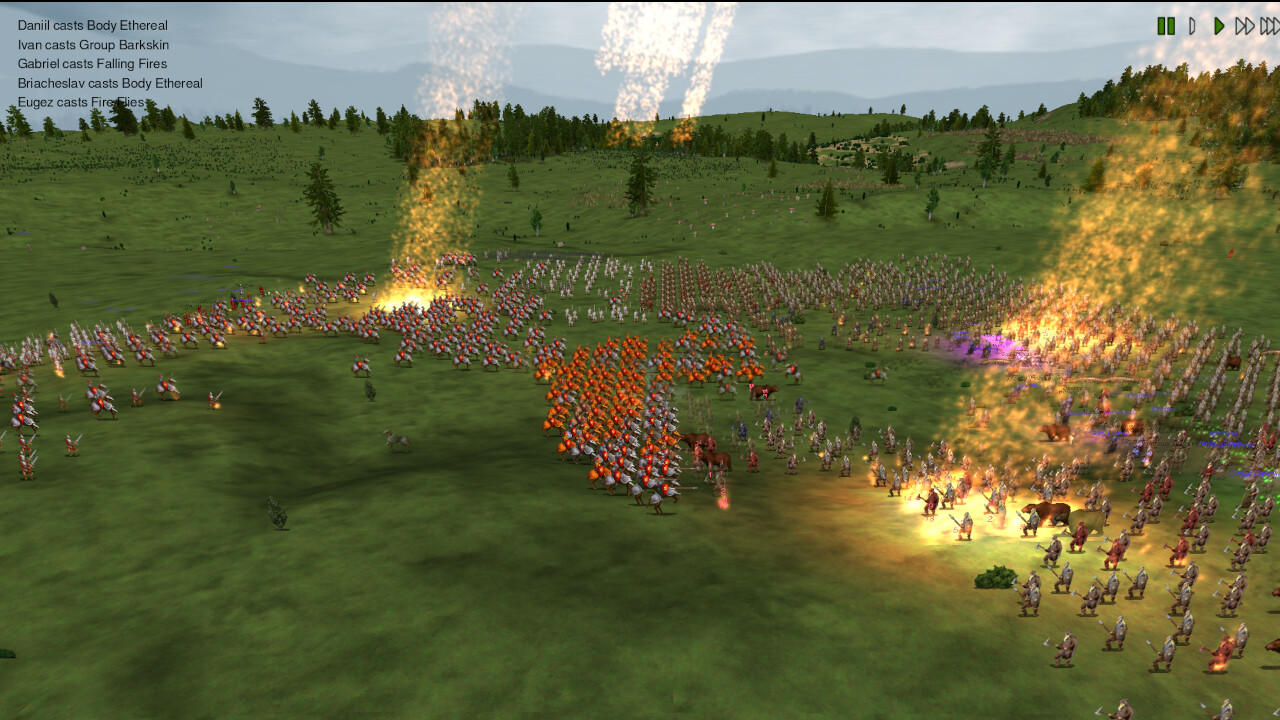
These two are the great mid-to-late-game power plays, built on a strong research foundation. Battlefield magic and communions are the classic route to mage dominance: as your research deepens, your mages gain access to mass evocation spells that can annihilate armies, and communions — where mages link as masters and slaves to pool their power — let them cast spells of overwhelming scale. If you survive the early game and reach this magic, it can simply win fights outright. Thugs and super-combatants are the other great escalation: by loading commanders, heroes and summoned units with magic items and protective buffs, you create single units that can wade through whole armies almost untouched, turning your forging and magic into concentrated, unstoppable force. Both reward the player who builds a strong magical economy and then converts it into battle-winning power, and both are central to high-level play.
| Approach | Core idea | Wants | Watch out for |
|---|---|---|---|
| Foundation | Expand, scales, research | Fast early game | Falling behind on territory |
| Bless rush | Sacreds + powerful bless | Good sacreds, early tempo | Weak scales, stalling out |
| Battlefield magic | Mass evocations, communions | Deep research, strong mages | Dying before it comes online |
| Thugs & SCs | Item-kitted single units | Forging, buffs, gems | Counters and being swarmed |
| Mass summoning | Armies from spells | Magic paths and gems | Research and resource cost |
B and C tiers — strong specialists and gimmicks
The lower tiers are not bad strategies, just more situational. Mass summoning uses magic to call armies of elementals, undead, demons and stranger things into being, letting you field forces no recruitment could provide; it is powerful and flexible, but it leans heavily on the right magic paths, research and a steady supply of gems, so it is more demanding and nation-dependent than the top approaches. Dominion and holy pressure leans on spreading your god's influence aggressively and using priests, sacred troops and banishment to grind enemies down through faith; for the nations built around it, it is a real path to victory, but it is slower and more situational than direct force. The C tier holds gimmick and one-trick plans — builds that hinge on a single exotic combination or surprise. These can win spectacularly when they connect, but they are fragile and narrow, folding the moment an opponent recognises and answers the one trick, so they are a high-risk choice rather than a dependable plan.
Building your strategy
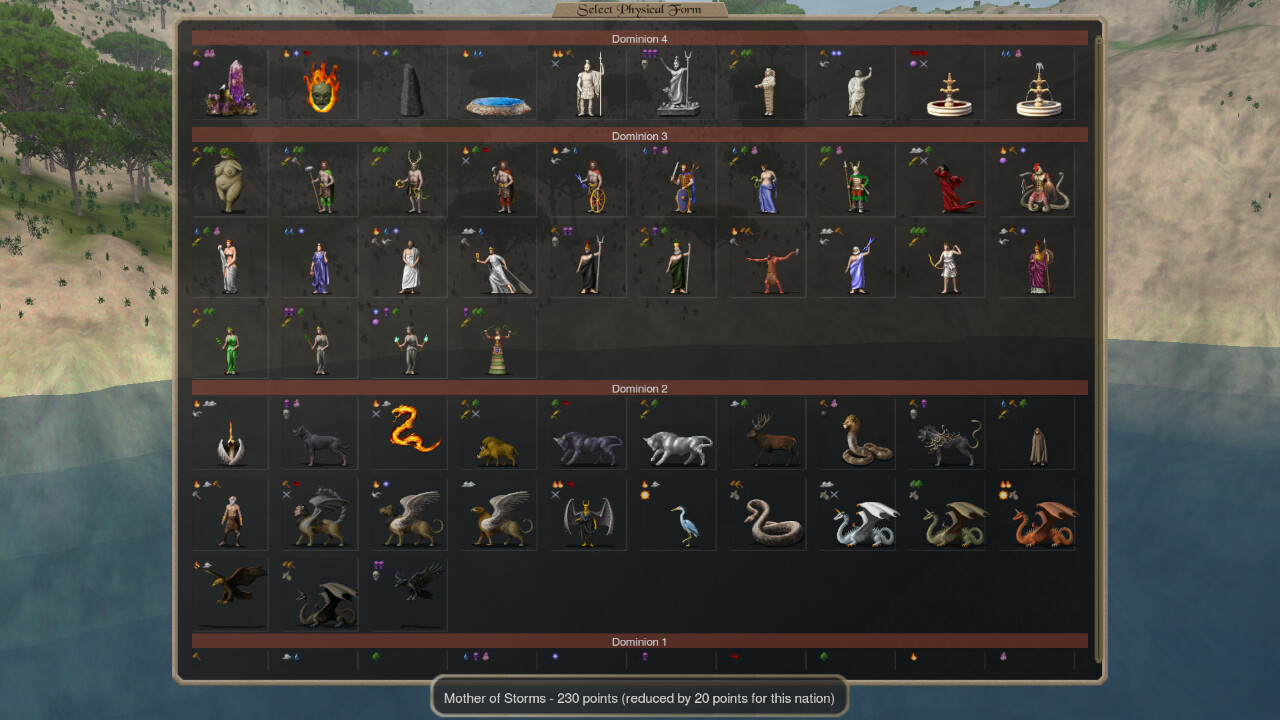
The practical lesson of the tiers is to build on the foundation and then pick the approach your nation supports. Always start with strong early expansion, good scales and steady research — without that, nothing else matters. Then layer on the strategy your faction is built for: a bless rush if you have powerful sacreds, battlefield magic and communions if you have strong mages, thugs and super-combatants if you can forge and buff, summoning if you have the paths, dominion pressure if your nation leans holy. Because the best strategy depends so heavily on your nation, era and opponents, treat this tier list as a guide to what tends to work, then adapt it to the game in front of you. To design the god that powers your strategy, see our pretender guide; to develop the magic behind it, the magic guide; and if you are just starting out, the beginner guide covers the fundamentals.
Match your strategy to your nation, not the other way around. Look at what your faction does best — its sacreds, its mages, its summons, its economy — and build the approach it is designed for. Forcing a bless rush with a nation that has no good sacreds, or a magic plan with weak mages, wastes the strengths you actually have.