How to read this tier list
A quick but important caveat before the ranking: in Rule the Waves 3 there is no objectively "best" nation, because every navy offers a different strategic story, and much of the fun is in the challenge a nation's position creates. So this tier list does not rank nations purely by power. Instead, it weighs overall playability — starting strength, economy, strategic position, and how forgiving a nation is to learn on and to play. A higher-tier nation is stronger and more forgiving, which makes it easier and often more dominant; a lower-tier nation faces a tougher position, which makes it harder but, for many players, more interesting. Plenty of experienced admirals deliberately pick the "lower" nations precisely because the challenge is the point.
Read the tiers, then, as a guide to difficulty and strength, not to which nation is "right." If you are learning, start high; if you want a tense, against-the-odds campaign, the lower tiers deliver exactly that.
The exact nations and rivalries available can vary with your chosen start date and campaign settings. Whatever you pick, your strategic position — who your likely enemies are and how strong they start — matters as much as your nation's raw size.
The nations tier list
This ranking weighs starting strength, economy, strategic position and how forgiving a nation is to play, especially for newer admirals.
S tier — Britain and the United States
These two are the strongest and most forgiving navies, which makes them the best places to learn and the easiest to dominate with. Britain is the classic pick: it begins with a powerful fleet and a strong economy, and that dominance gives you enormous room to experiment, make mistakes and still recover, while remaining competitive for most of a campaign. If you want to feel like the world's foremost naval power, or simply learn the game without being punished for every error, Britain is the answer. The United States is its near-equal, built on a formidable industrial economy and a safe strategic position with few early threats; given time, it can grow into the dominant navy and out-build even Britain in the mid-campaign. Both nations let you focus on learning the systems rather than fighting for survival, which is exactly what a new admiral needs.
A tier — Japan and Germany
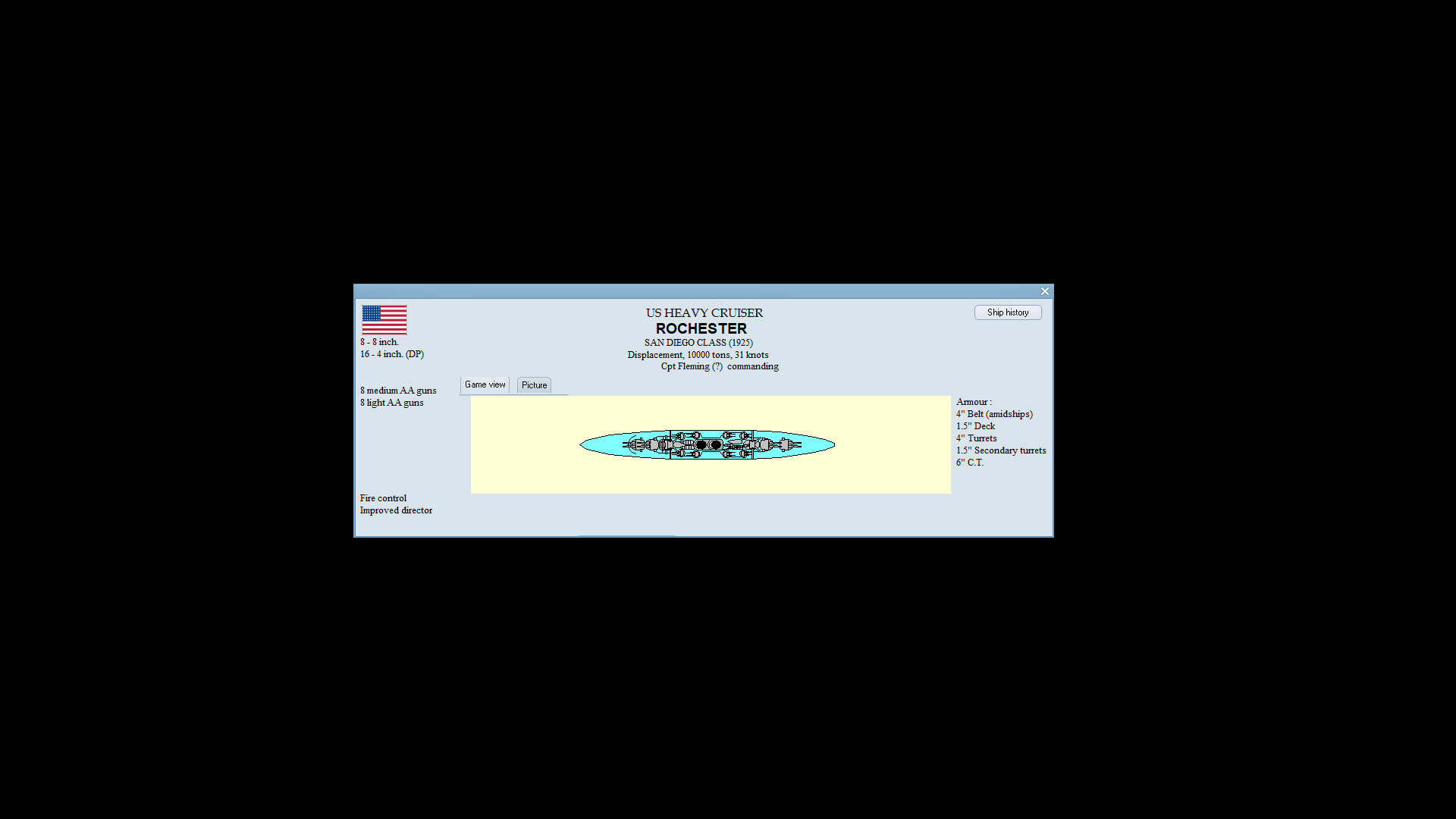
These two are strong and deeply rewarding, but more demanding, which is why they sit just below the dominant powers. Japan starts comparatively weak in capital ships, but its likely early opponents are weaker still, so a capable admiral can carve out regional dominance before the bigger powers intervene. Its signature strength is torpedoes: when you are outgunned in battleships, building cruisers and destroyers that hurl large numbers of torpedoes is a classic and effective answer, since enough torpedoes in the water means something will hit. Germany is the skill-player's nation — it begins with relatively little, so crew training and tactics matter enormously, and a proven path to victory is heavy investment in fire control and gunnery, letting a smaller, better-shooting battle line cripple larger enemy fleets. Both reward players who enjoy winning through cleverness rather than sheer mass.
| Nation | Strength | Best for |
|---|---|---|
| Britain | Dominant fleet and economy | Beginners, power fantasy |
| United States | Industrial economy, safe position | Beginners, long-game dominance |
| Japan | Torpedo doctrine, weak neighbours | Aggressive regional play |
| Germany | Skill, fire control and gunnery | Experienced, against-the-odds play |
| France / Italy | Mediterranean contenders | Balanced mid-level challenge |
B and C tiers — the rewarding challenges
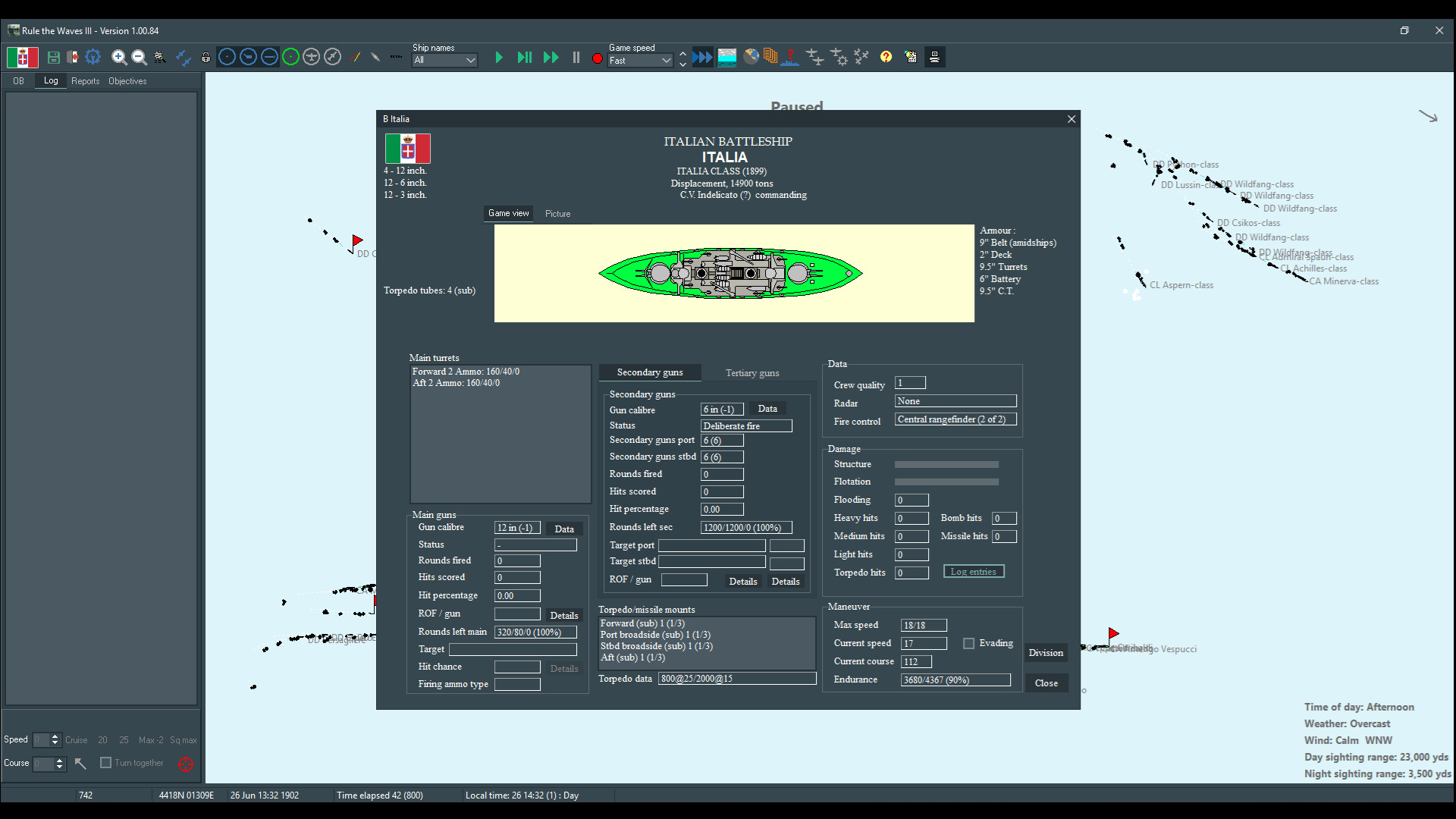
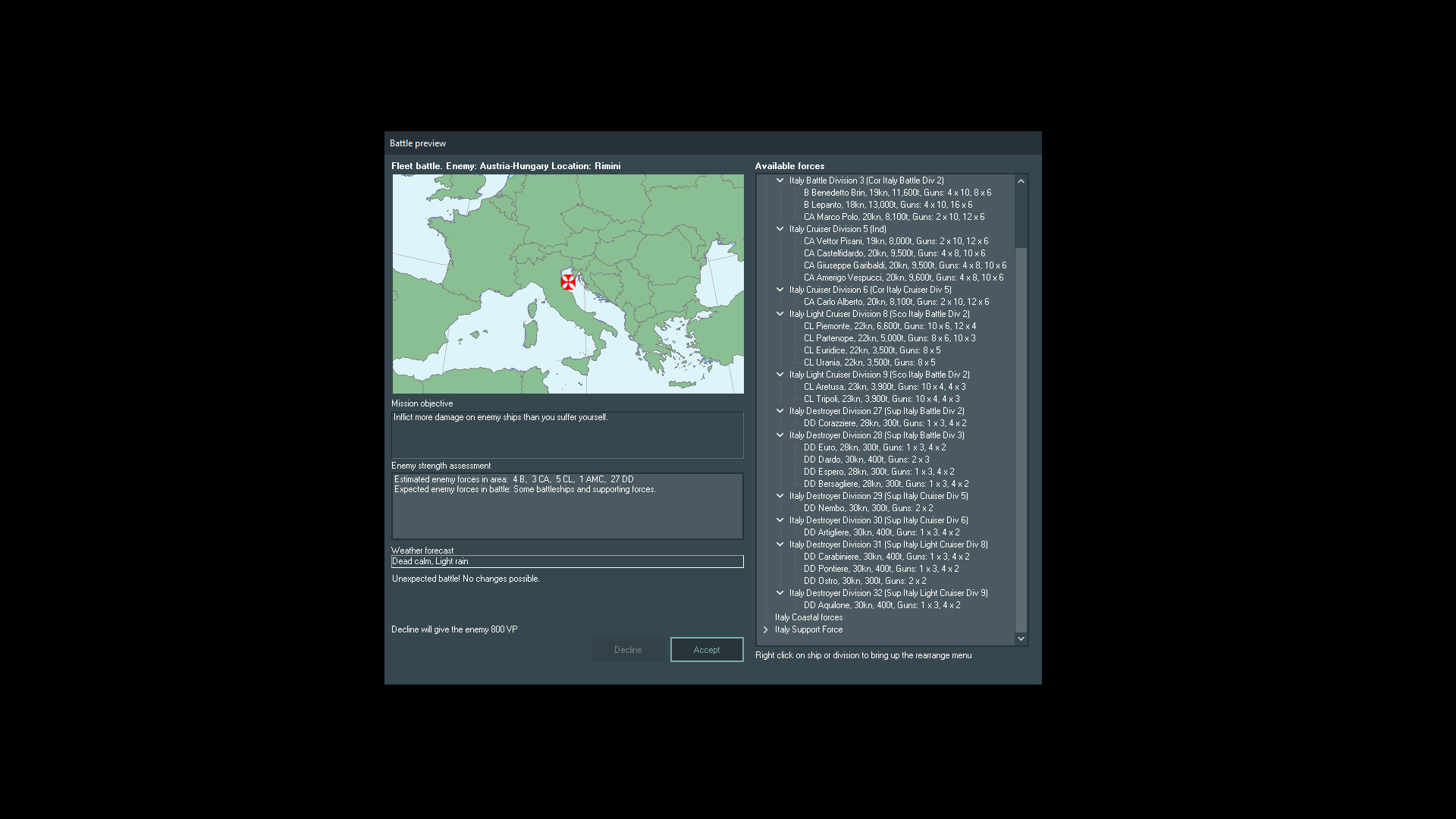
The lower tiers are not weak nations so much as harder positions, better suited to admirals who already know the game. France and Italy are the Mediterranean powers, capable navies with respectable economies but real rivals close at hand and tighter budgets than the giants, making for a balanced, moderately tough campaign that rewards clever ship design and focused strategy. Russia and Austria-Hungary are the genuine challenges. Russia is large on paper but politically troubled, and its fleet is often split across distant theatres — the Baltic, the Black Sea, the Pacific — so you fight fragmented and stretched, which demands experienced management to overcome. Austria-Hungary is a smaller power hemmed into the Adriatic with a limited budget and a cramped strategic position, a hard and niche campaign best saved until you know the systems inside out. For players seeking a tense, against-the-odds story, these nations deliver it in spades.
Choosing your navy
The practical takeaway is simple. If you are new, or you want to feel powerful, start in the S tier with Britain or the United States — their strength and forgiving positions let you learn without being punished. Once you are comfortable, Japan and Germany offer richer, more demanding campaigns with strong identities, and the B and C tiers provide genuinely tough, characterful challenges for experienced admirals who relish fighting from a difficult position. Because the "best" nation truly depends on the kind of campaign you want, let the tiers guide your difficulty rather than dictate your choice. To turn whichever nation you pick into a winning navy, see our ship design guide and battle guide; if you are just starting out, the beginner guide covers the fundamentals.
Match your fleet to your nation's strategic position, not just its size. Japan's weaker battle line wants torpedo-heavy cruisers and destroyers; Germany's small fleet wants superb fire control; Russia's split theatres want flexibility. Playing to your nation's strengths matters more than copying Britain's playbook.