How factions work in Songs of Conquest
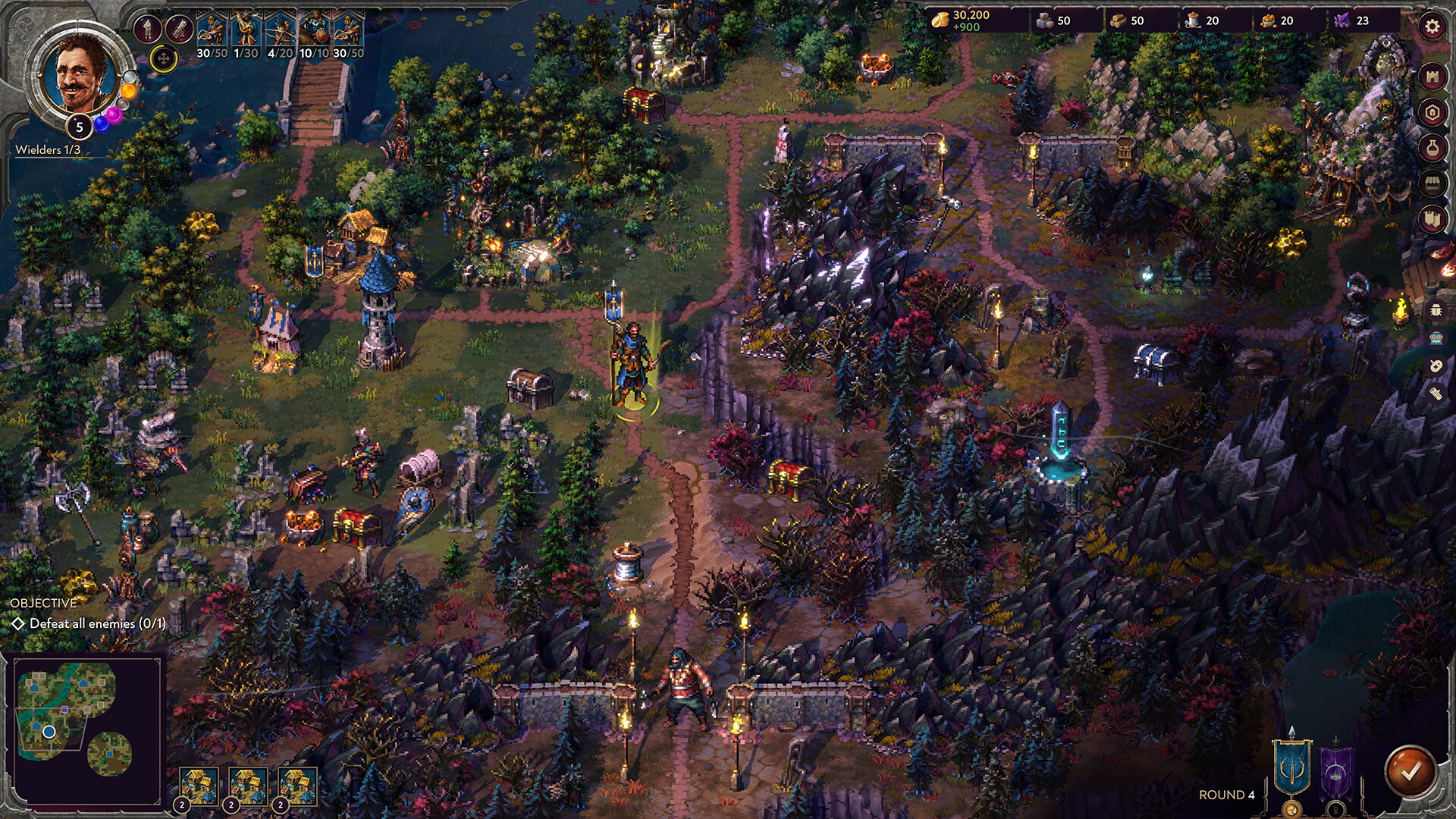
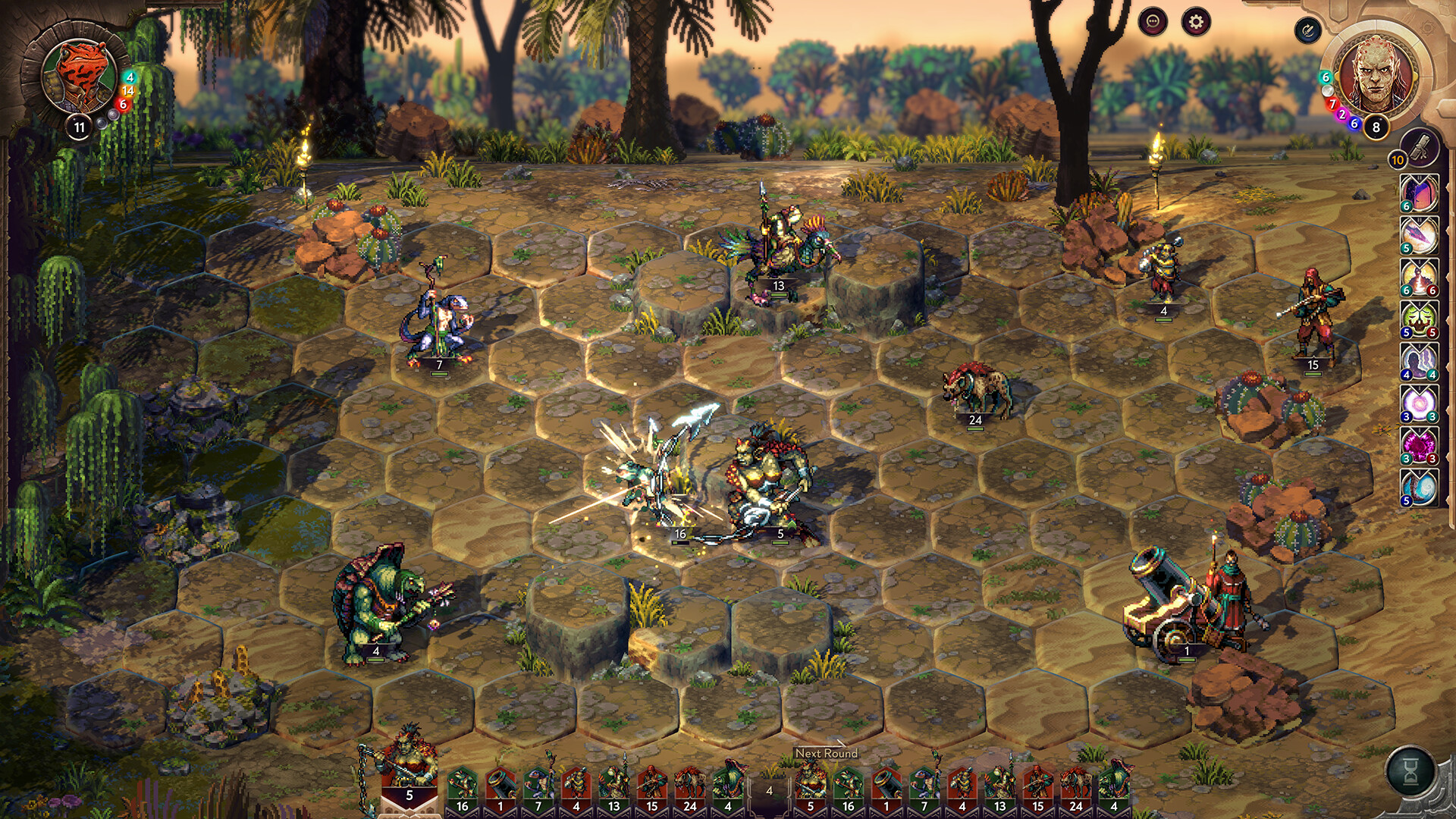
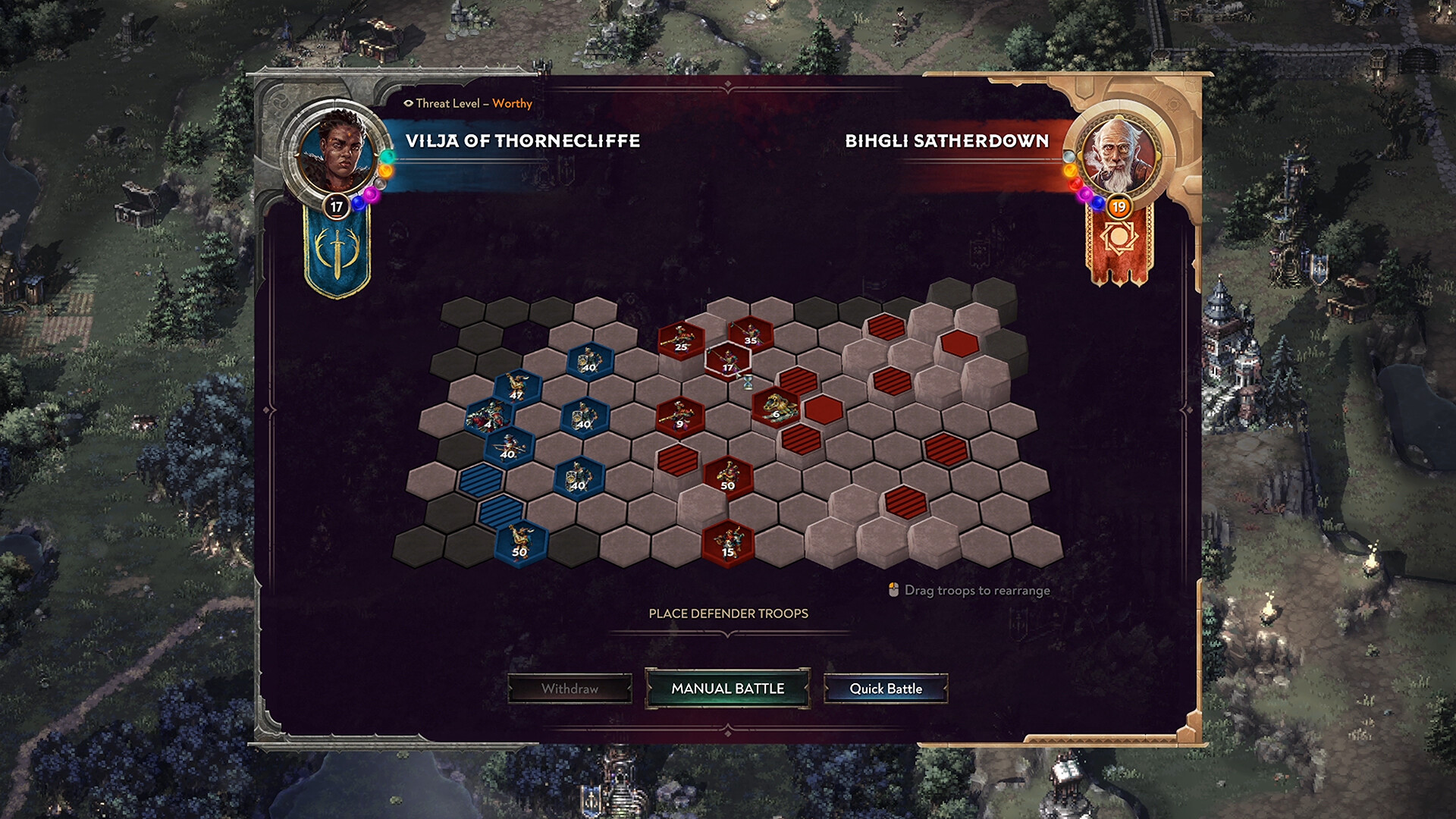
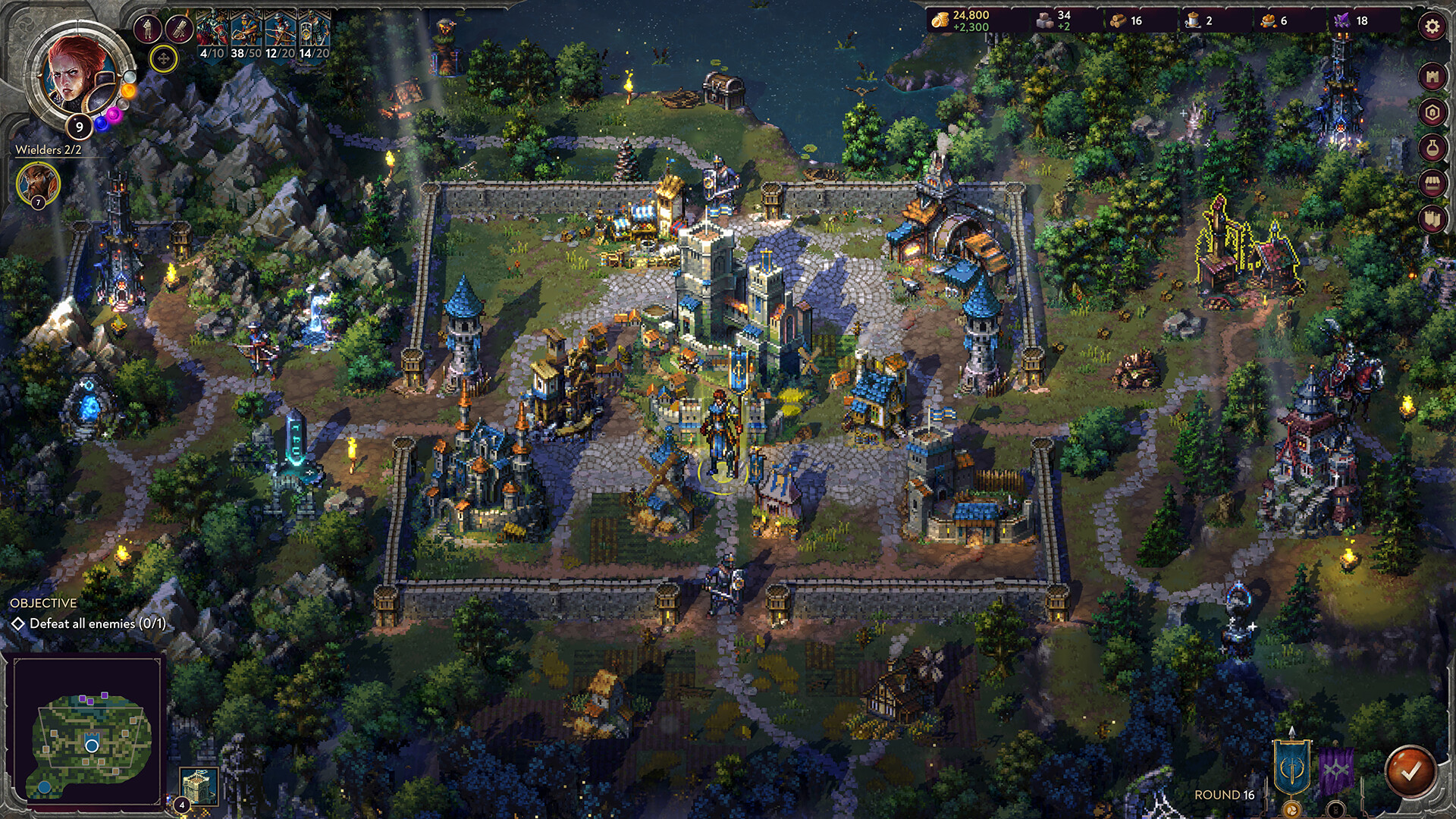
Songs of Conquest is a turn-based strategy game in the Heroes of Might and Magic tradition. You explore a map with hero commanders called Wielders, gather resources, build up settlements, and resolve battles on a separate tactical grid. Each faction fields its own roster of units and its own approach to magic.
The piece that ties everything together is the Essence system. Essence is the resource that fuels your spells, and your troops generate it during combat. Because the army you bring is also the engine that powers your magic, faction army identity and spellcasting identity are inseparable. A faction built around a certain kind of unit will naturally lean toward a certain kind of magic. That is why "what units do I have" and "what spells can I cast" are really the same question here.
The four base factions are not balanced by being identical. They are balanced by being distinct — different tempos, different win conditions, different comfort levels. Below, the tier ranking is about how easy a faction is to learn, not about which one wins. Reviewers repeatedly singled out the near-perfect balance and strong characterization of the base four, so treat the tiers as a learning curve, not a power ladder.
Beginner-friendliness tiers
These tiers rank ease of learning, not strength. The four base factions are widely regarded as well balanced — none is meaningfully weaker than the others in skilled hands. A "B" here simply means there is more to manage before the faction pays off, not that it loses.
Arleon — the forgiving frontline
Arleon is what remains of a human, European-fantasy empire, fielding knights and archers alongside the fae Faey. Its identity is defensive, ranged-heavy attrition: hold a line, trade efficiently, and grind opponents down with sustained fire rather than one decisive blow.
- Playstyle: Flexible and reactive. You can adapt your army to the situation instead of committing to a single plan.
- Strengths: Strong ranged presence, solid defense, and a roster that forgives imperfect decisions. It is the most beginner-friendly faction.
- Weaknesses: Few. The main caveat is that "easy to start" does not mean "easy to master" — Arleon has a high skill ceiling, and getting full value from its flexibility takes practice.
- Who it suits: New players, and anyone who likes patient, position-based play that rewards good trades over flashy aggression.
Barya — gunpowder and the alpha strike
Barya is a coalition of independent merchant states with an Arabian-inspired flavor, built around gunpowder and machinery. It pairs powerful melee with artillery and firearms for a hard-hitting, aggressive identity.
- Playstyle: Alpha-strike. Barya wants to win the open battle decisively and early, hitting hard before the enemy can set up.
- Strengths: Excellent damage output. In a straight fight on open ground, Barya can crush armies outright.
- Weaknesses: Weak defense, and it struggles in prolonged sieges where its burst advantage fades and attrition turns against it.
- Who it suits: Players who enjoy pressing the initiative and finishing fights fast. It is moderate difficulty — punishing if you overextend, but very rewarding when your timing lands.
Rana — the fastest faction
Rana are the oppressed amphibian and reptile peoples of the swamps — frog-folk, lizard-folk, and swamp beasts — rising against the human slavers who oppressed them. Their armies blend hunters, shamans, beasts, and dragons.
- Playstyle: Mobility-first. Rana is the fastest faction, using speed to dictate where and when fights happen.
- Strengths: Strong magic and notable Beast-tag synergy — research bonuses that target Beast units apply across all of them, so investment compounds. High ceiling once everything is set up.
- Weaknesses: Weaker early units and a slower ramp. Rana takes time to come online, which makes the opening phase the riskiest part of the game.
- Who it suits: Players comfortable trading early safety for late-game payoff. Its lower beginner-friendliness comes from that timing, not from any lack of power.
Barony of Loth — undead attrition
The Barony of Loth is a failing baron-state that turned to gothic necromancy. Its signature mechanic is the Risen: human units rise again as undead when they die, so your losses can come back to fight.
- Playstyle: Attrition and longevity. Loth wins by outlasting opponents rather than overwhelming them quickly.
- Strengths: Resurrection gives it staying power that few factions can match, backed by strong magic. In a long campaign of grinding battles, it simply refuses to run out.
- Weaknesses: Slow and grind-based. Loth's deliberate pace and reliance on the long game make it less responsive, and the patience it demands raises its learning curve.
- Who it suits: Methodical players who enjoy the chess match of a drawn-out war of attrition. Its beginner-friendliness is lower mainly because that patience is a learned skill.
At a glance — comparing the base four
| Faction | Playstyle | Strength | Weakness |
|---|---|---|---|
| Arleon | Defensive, ranged attrition | Flexible and forgiving | High ceiling to truly master |
| Barya | Aggressive alpha-strike | Crushing open-battle damage | Weak defense, poor in long sieges |
| Rana | Fast, mobility and Beast synergy | Speed, strong magic, scaling | Weak early, slow to come online |
| Barony of Loth | Undead attrition | Longevity via resurrection | Slow, grind-based pace |
A useful way to read this table — Arleon and Loth both win through attrition, but Arleon does it through position and ranged trades while Loth does it through resurrection. Barya and Rana both pressure the enemy, but Barya is an explosive open-field punch and Rana is a fast, maneuvering scalpel. Pick the feel you want, not the name at the top of a tier.
The DLC factions — Vanir and Roots
Beyond the launch roster, two factions arrived as paid DLC, bringing the total to six.
The Vanir are Viking and Scandinavian-inspired raiders, released as paid DLC in December 2024. Their identity leans into the raiding, hard-charging fantasy you would expect from the theme.
Roots are sentient plants and fungi led by figures called Tree Mothers, who repurpose the corpses of the fallen, released as paid DLC in June 2025. They bring a distinct life-and-decay flavor that sits apart from the base four.
In my opinion, neither DLC faction is a better starting point than the base four — they are best enjoyed once you already understand the core systems and want fresh identities to explore. If you own them, there is no harm in trying them, but a newcomer loses nothing by learning the fundamentals on the launch roster first.
Which faction should you start with?
If you are new, start with Arleon. Its defensive, ranged, forgiving style lets you focus on learning the map, the economy, and the Essence-driven combat without being punished for slow or imperfect play. Once those fundamentals click, branch out: try Barya if you want to be the aggressor, Rana if you want speed and scaling, or the Barony of Loth if you enjoy a patient war of attrition.
For the basics of your first few turns and how combat actually plays out, see the Songs of Conquest beginner guide. For a fuller, honest take on whether the game is for you, read our Songs of Conquest review.
Remember the core point throughout: these tiers measure how easy a faction is to learn, not how strong it is. The base four are well balanced, so the best faction for you is the one whose tempo and identity you enjoy playing.