The Verdict — The Best Heroes-like in Years, With a Catch
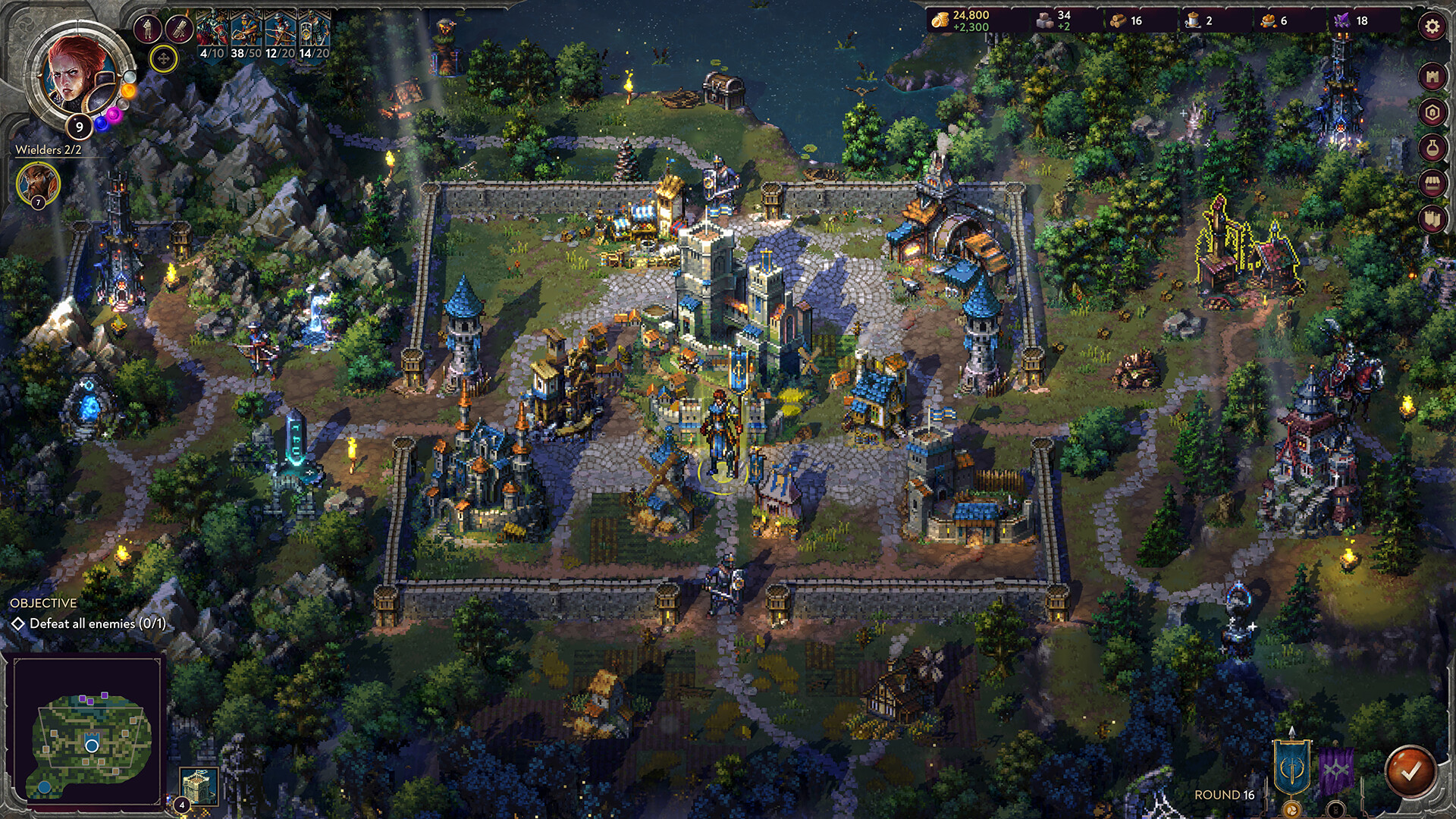
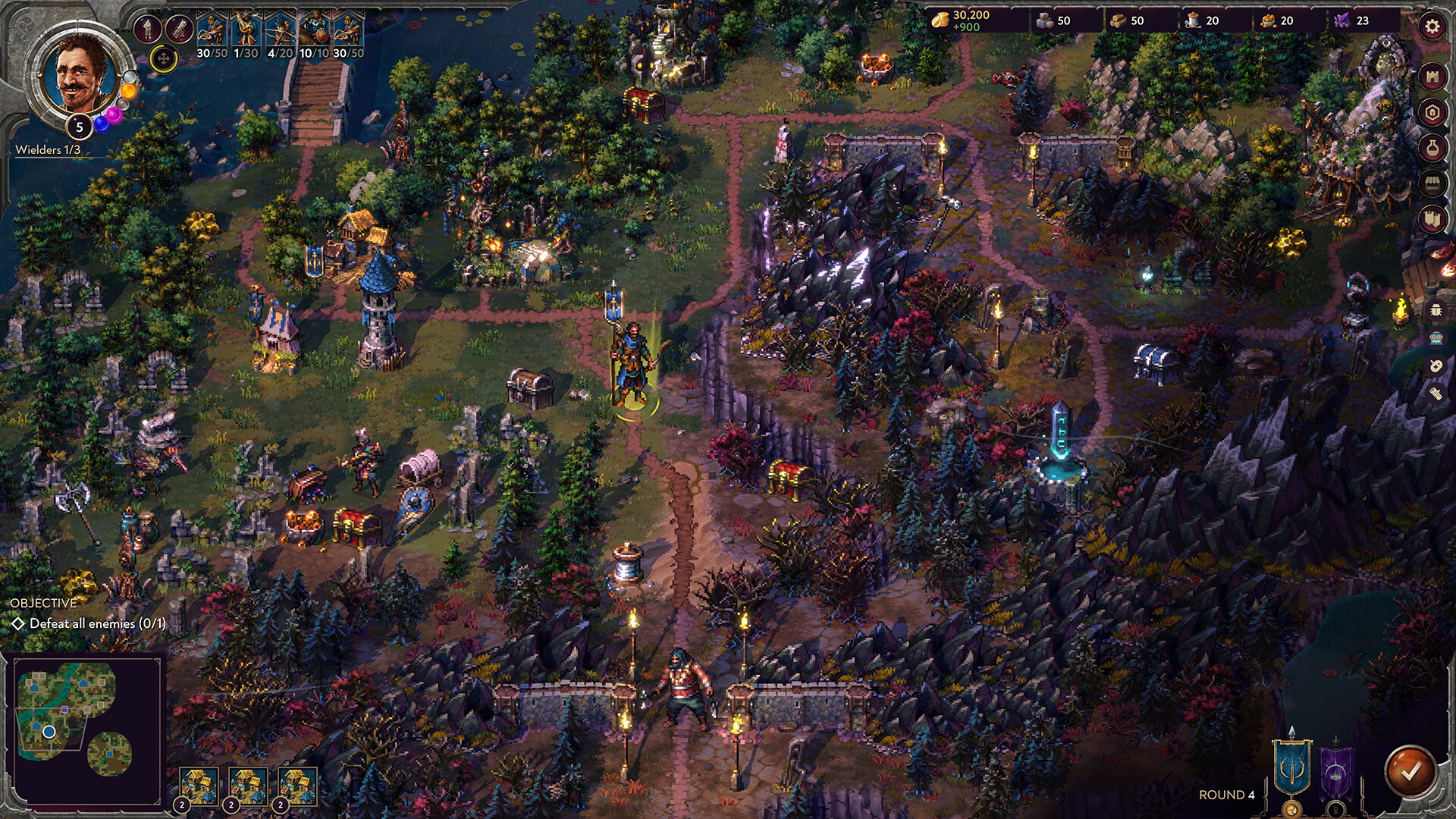
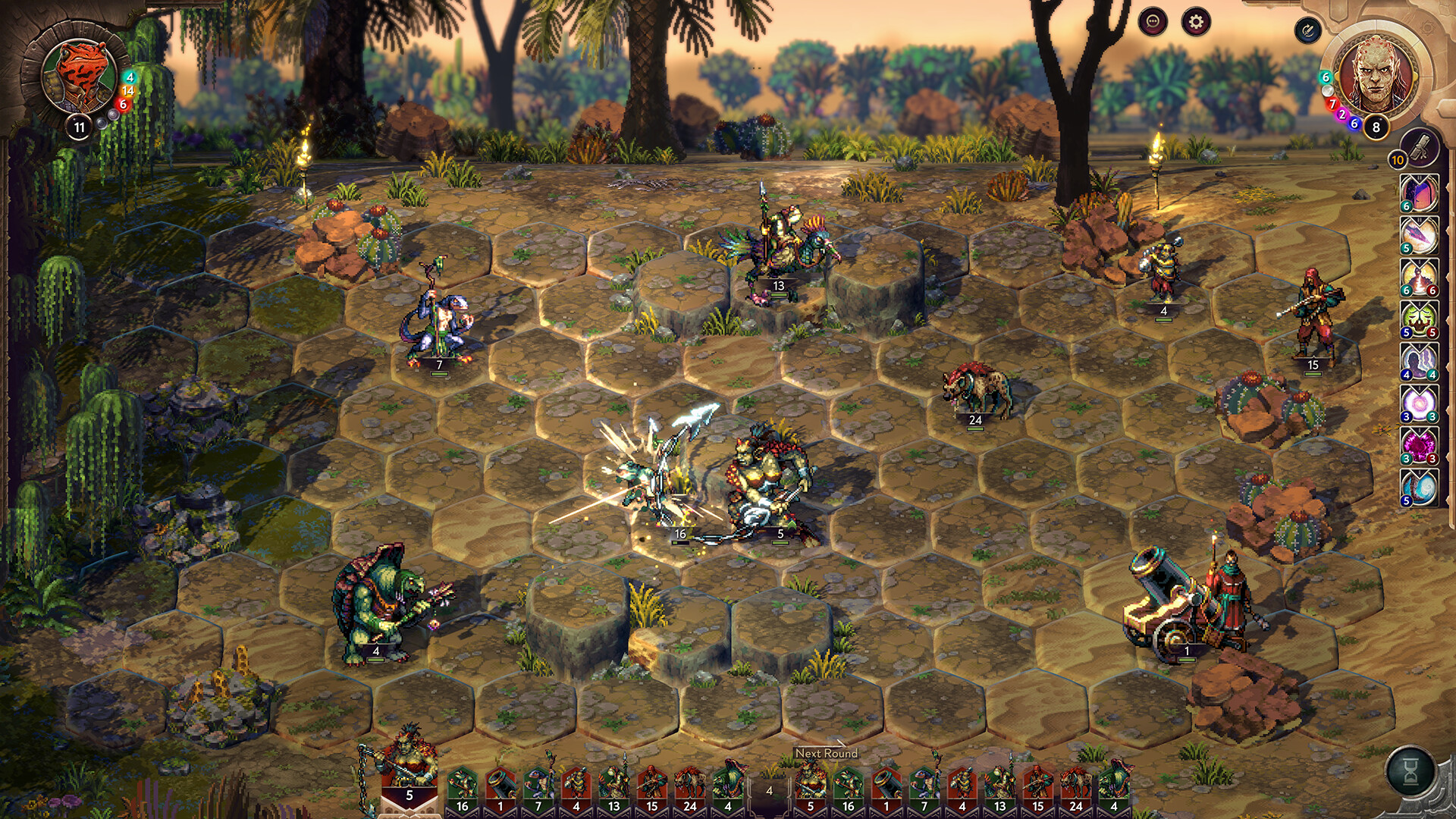
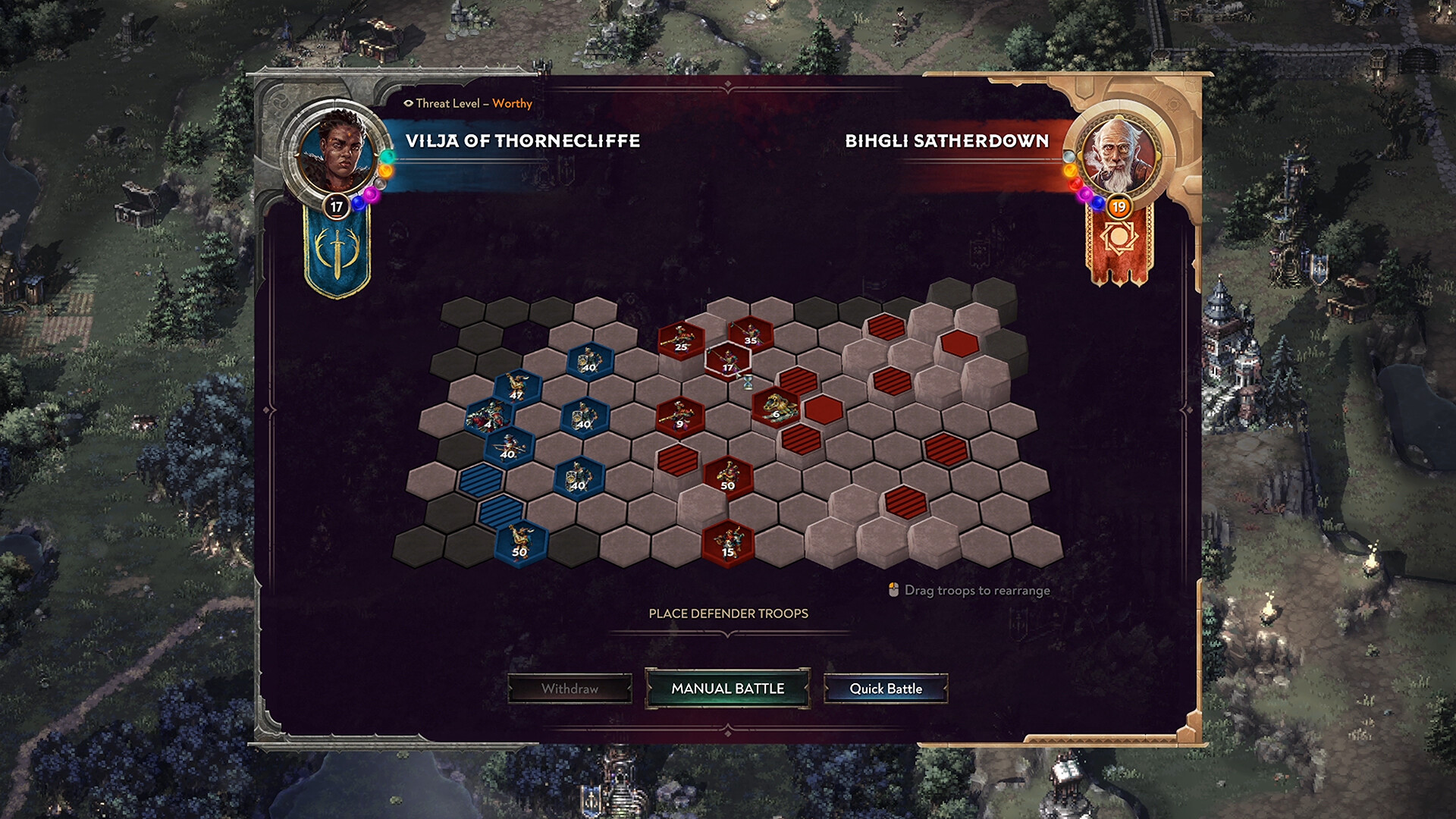
Songs of Conquest is the rare homage that improves on its source. Lavapotion clearly studied Heroes of Might and Magic 3 — you build an empire on an overworld, develop towns, and fight battles on a separate tactical grid using hero commanders called Wielders who cast spells and buff troops rather than swinging swords themselves. All of that is faithful. What sets it apart is the Essence magic system, which reworks the genre's tired spell economy into something genuinely fresh.
The result, after Early Access ended with the 1.0 release in May 2024, is a polished, confident strategy game. The reception reflects that: a Metacritic Metascore of 78 ("Generally Favorable") and a "Very Positive" Steam rating, with roughly 85% of around 5,900 English reviews recommending it. The user score sits lower at about 7.2 ("Mixed"), and the reasons for that gap are worth being honest about — they come down to short campaigns and a soft AI.
The single most-praised feature is the Essence system. Unlike Heroes of Might and Magic, where spells are gated behind hero level and guild buildings, every spell is available from the start. What limits you is Essence — a per-battle resource generated mostly by the troops in your army each round.
The Good — Why the Essence System Works
In most Heroes-likes, magic is a function of your hero's stats and which spells you happened to buy. Songs of Conquest flips that. There are five Essence types — Order, Chaos, Destruction, Creation, and Arcana — plus combination spells that need more than one type. Crucially, your troops are what generate Essence each round, so what you bring to battle directly determines what magic you can cast.
This single design choice carries a lot of weight. It means army composition isn't just about damage and durability; it's about what spells you want to enable. A defensive line might fuel Order and Creation for shields and healing, while a more chaotic mix unlocks aggressive Destruction casting. The Wielder still matters as a caster and buffer, but the army is the engine. It's a smarter, more legible system than the one it borrows from, and it's the main reason this game stands out.
Pros
- +Essence ties spellcasting to army composition, creating real build decisions
- +All spells available from the start removes tedious spell-shopping
- +Four base factions feel distinct and are remarkably well balanced
- +Pixel art and the bard-song soundtrack are consistently excellent
- +Generous mode coverage with a built-in map editor for longevity
Cons
- −Campaigns end too early, with more story pushed to paid DLC
- −AI rarely punishes mistakes and gets easier to exploit over time
- −Originality outside the Essence system is limited — much of the frame is standard HoMM
- −Online multiplayer is sparsely populated
Factions — Distinct and Well Balanced
The four base factions are a highlight, each with a clear identity that holds up in play:
- Arleon — knights, archers, and the fae-like Faey. Defensive and the most beginner-friendly faction.
- Barya — gunpowder and hired mercenaries. Aggressive alpha-strike specialists with weak defense, so you live and die by your opening.
- Rana — amphibian swamp-folk and beasts. The fastest faction with strong magic, but weaker in the early game.
- Barony of Loth — necromancy. Fallen units return as Risen, making Loth an attrition faction that wins long fights.
The balance and characterization here are widely praised, and rightly so — there's no obviously dominant pick, and each faction asks you to play differently. Two later paid factions, Vanir (December 2024) and Roots (June 2025), extend the roster for players who want more. If you're picking a starting faction, our factions guide breaks down strengths and matchups in detail.
New to the genre? Start with Arleon. Its defensive units and forgiving economy give you room to learn the Essence system before you have to make sharp tactical calls. Save Barya's all-or-nothing alpha strikes for once you know the maps.
The Presentation — Pixel Art and Bard Songs
The art and audio deserve their own mention. The pixel-art presentation is detailed and characterful, and the soundtrack — built around in-world bard songs that comment on the world — is one of the most distinctive in the genre. It gives the game a folk-storybook texture that sets it apart from the painterly fantasy look most Heroes-likes default to.
It isn't flawless. Some players find the pixels "rather large," and the animation can be uneven from unit to unit. These are presentation quibbles rather than dealbreakers, but if crisp, high-resolution visuals matter to you, go in expecting a deliberate retro style rather than a modern facelift of HoMM 3.
The Not-So-Good — Short Campaigns and a Soft AI
Here's where the honesty matters. The most common, legitimate complaint is that the campaigns feel short — several reviewers describe them as ending right when they start to matter, with more of the story pushed into paid DLC. For a game whose factions and lore are this well-realized, the base campaign content leaves you wanting, and at launch the overall content and variety felt thin outside the Essence system.
The second issue is the AI. It's weak and exploitable, and the problem compounds over time: early campaign missions are genuinely hard before you understand the Essence economy, but once you do, later content becomes easy to cheese against an opponent that rarely punishes mistakes. The difficulty curve is front-loaded and then deflates, which undercuts solo replay value.
If you're buying primarily for a long, challenging single-player campaign, temper expectations. The campaigns are short and the AI won't keep you honest for long. Skirmish, the map editor, and human opponents are where the lasting challenge lives.
Multiplayer is the intended long-term home, and the modes are all there — online PvP, co-op, and local hotseat. The catch is population — the online community is small and niche, so matchmaking can be slow. Hotseat with a friend remains the most dependable way to face a human.
Final Score — A Smart Recommendation With Clear Limits
Overall 8.0. Songs of Conquest is the most thoughtful Heroes of Might and Magic successor in years. The Essence system alone justifies a look, the factions are excellent, and the art and music elevate the whole package. The short campaigns and exploitable AI are real weaknesses that cap solo longevity, but they don't erase how well the core game plays.
Buy it if you want a fresh, well-balanced take on the genre and you're happy to live in skirmish or against friends. Hold off if you need a meaty story campaign or a busy ranked ladder. To get up to speed quickly, start with our beginner guide and the factions guide.
If you want the same fantasy strategy with a full 4X empire layer under the battles, the Age of Wonders 4 review covers the game that hands you the faction designer instead of a faction list.