The verdict up front
Wildermyth sets out to do something most RPGs only gesture at: make you genuinely care about your characters. Made by the small studio Worldwalker Games, it is a party-based procedural storytelling tactical RPG where heroes begin as ordinary farmers and hunters, grow through turn-based battles and branching, comic-book story events, and live whole lives across a campaign — ageing, forming friendships and rivalries and romances, losing limbs, transforming in strange ways, and eventually retiring or dying. It launched out of Early Access in 2021 to a Very Positive Steam rating (around 95% of more than 18,000 reviews), and that warmth reflects what makes it special: this is a game about people, and it earns the attachment it asks for.
So is it worth buying? For anyone who values story and character over pure mechanical depth, almost certainly. The emergent sagas are wonderful, the legacy system is unlike anything else, and the value is excellent. The honest caveats are combat and presentation. The tactical battles are solid but run a little light and can repeat over a long campaign, and the distinctive papercraft art will not be for everyone. If you come for the stories rather than a brutal tactical puzzle, few games are as charming.
Wildermyth is developed by Worldwalker Games and released from Early Access in 2021. It supports single-player and online or local co-op (plus Remote Play Together), with Steam Workshop and a built-in level editor. There are no microtransactions; additional content comes as paid story DLC.
What you actually do
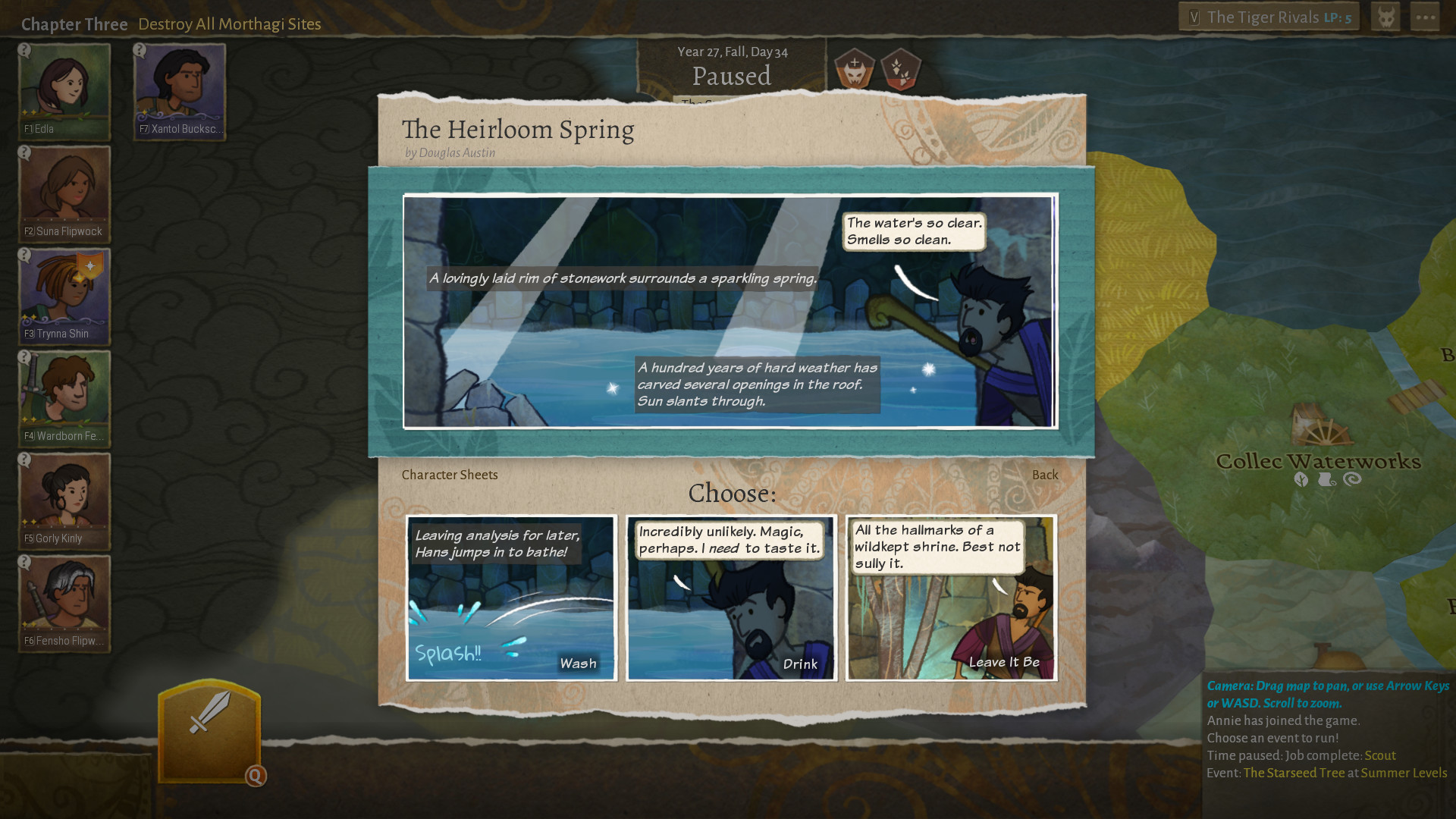
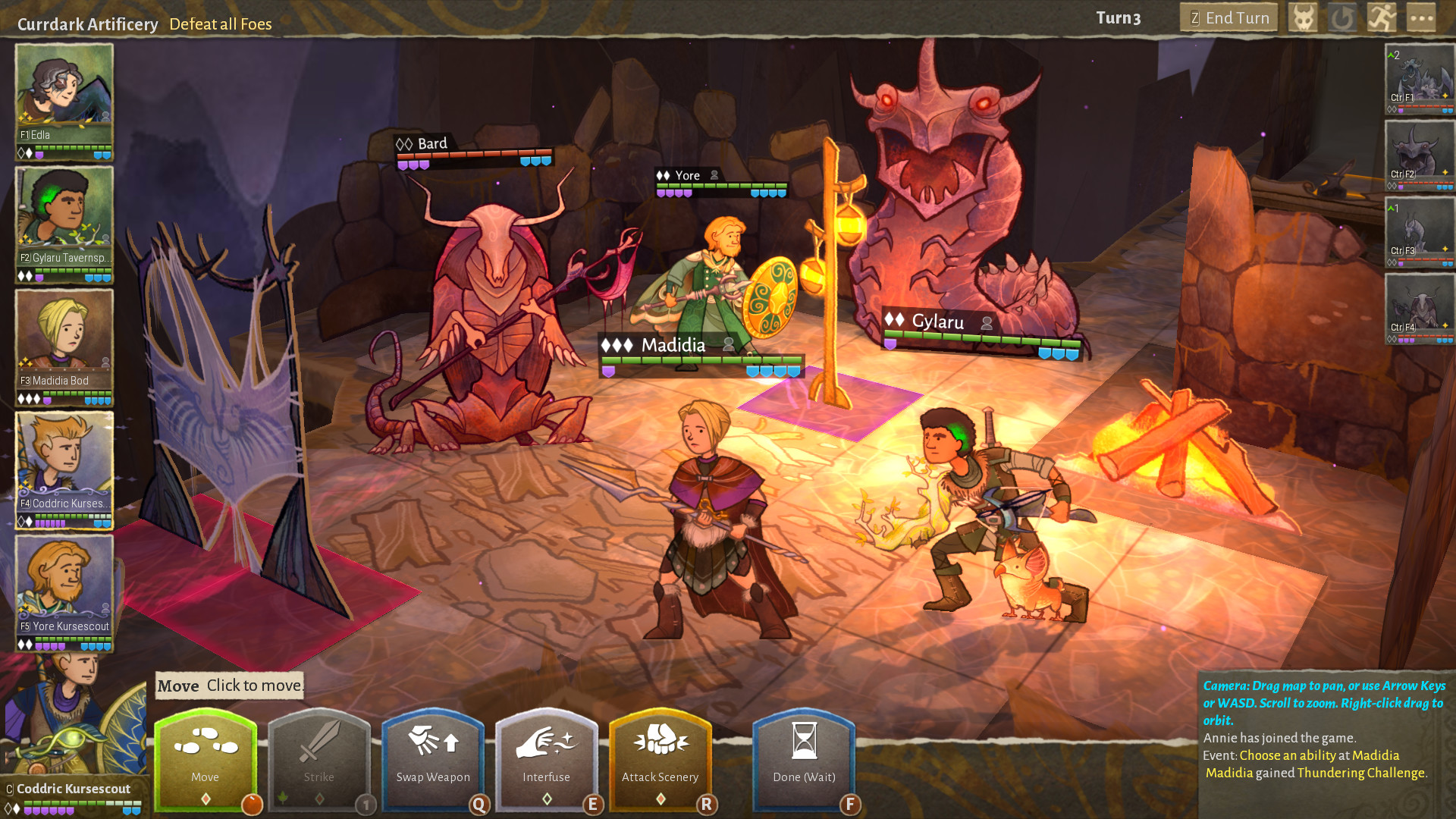
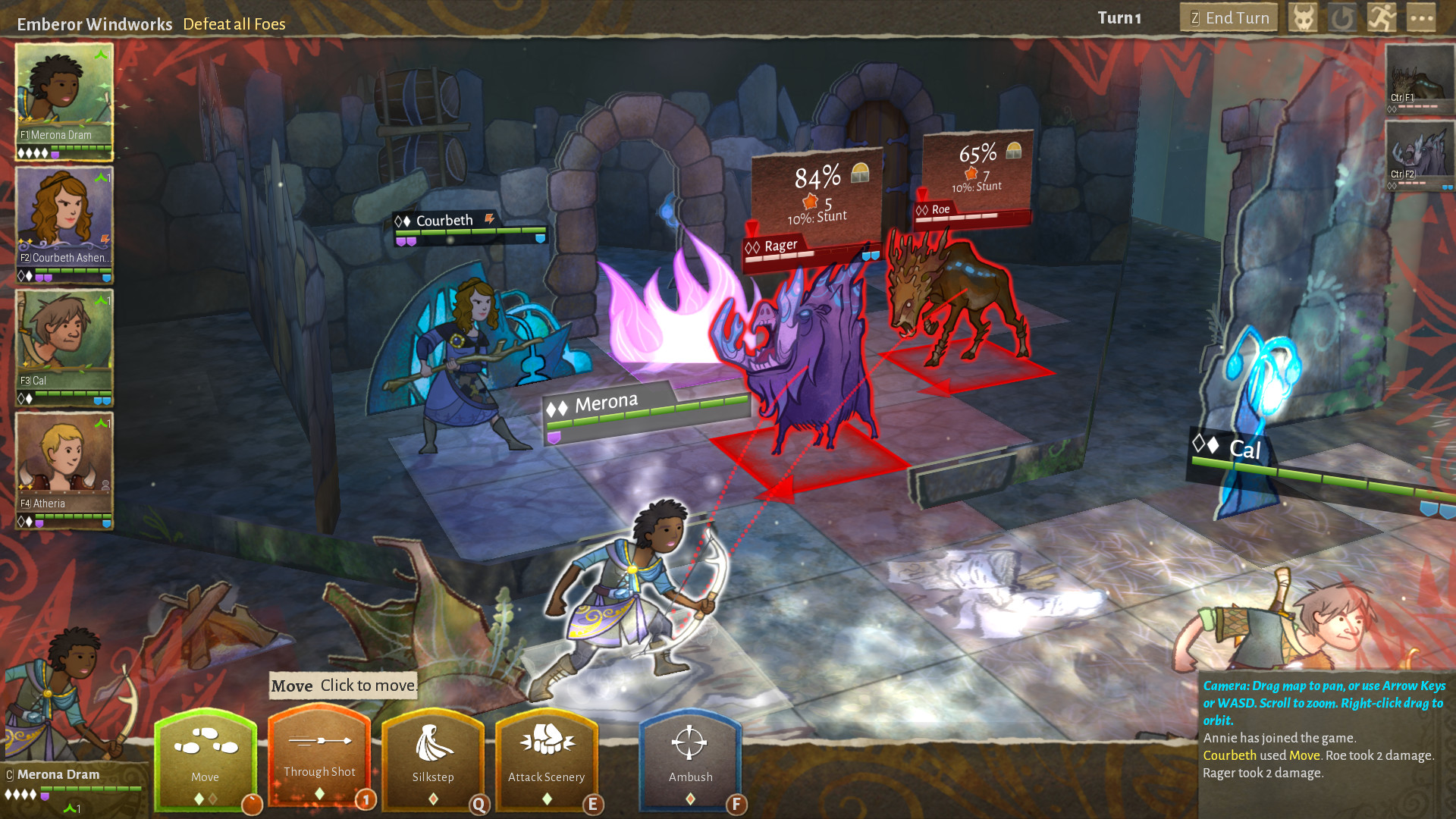
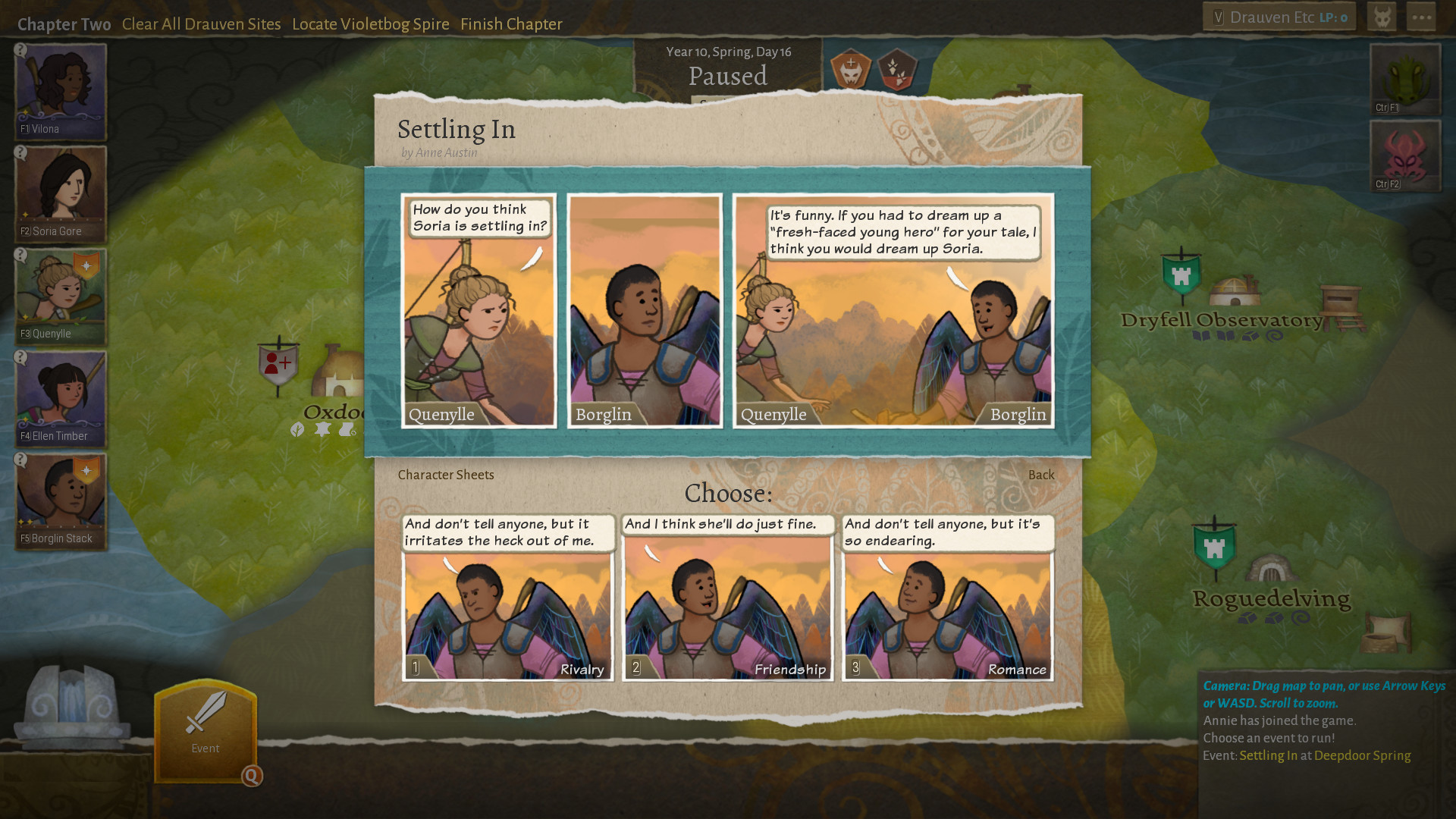
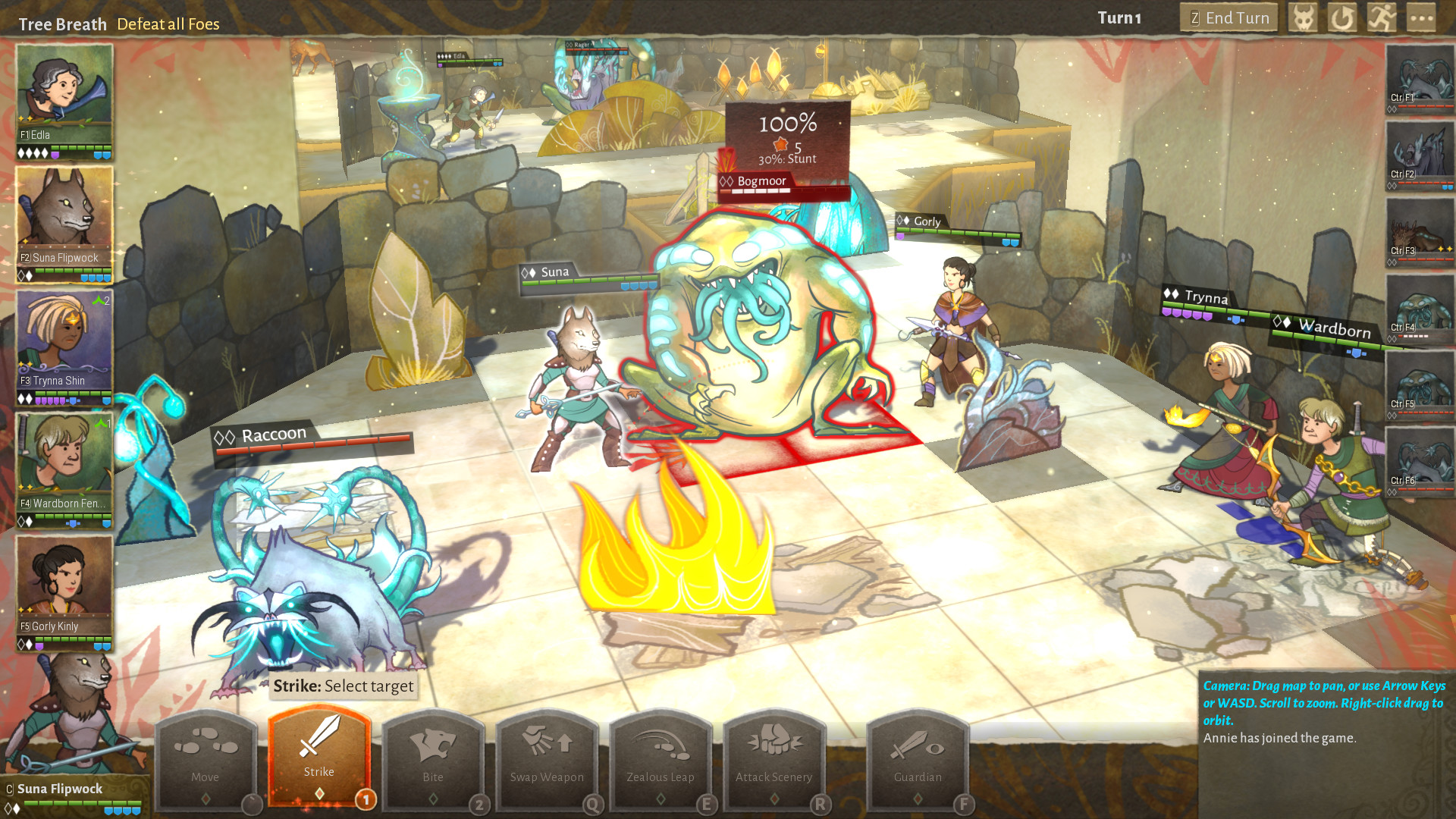
A campaign in Wildermyth alternates between two layers. On the overland map you defend a procedurally generated land from an invading threat — scouting, fortifying sites, and choosing where to send your heroes as incursions spread. In battle you fight turn-based tactical engagements on handcrafted-feeling maps. But the connective tissue, and the real point, is the story: between and during these beats, branching comic-style events unfold, and your choices shape who your heroes become. A scared recruit can grow into a fearless legend; two companions can fall in love or come to resent each other; a character can lose an arm and gain a hook, or be touched by ancient magic and slowly transform.
Crucially, heroes are not static stat blocks. They age across the campaign's chapters, growing more powerful before they inevitably decline, and they can die for good. That mortality is what gives every choice weight. By the end of a campaign you are not managing units; you are saying goodbye to people whose stories you watched unfold.
Lean into the roleplay. Wildermyth rewards players who make story choices for character rather than pure optimisation — the game is at its best when you let your heroes become who the events suggest. Our Wildermyth beginner guide covers the basics that keep your party alive while you do.
Why the storytelling carries everything
It is worth being specific about why Wildermyth lands emotionally, because "good story" is vague. The magic is procedural specificity: the events are written with enough branching variety that they feel authored, but they attach to your particular heroes, your particular relationships, and your particular history. When a character you have led for hours makes a sacrifice, or two rivals finally reconcile, it feels earned because you lived it. The papercraft art and warm narration sell these moments, turning a tactics game into something closer to a generated novel you co-author.
This is the lens for everything else. The combat is good, but it is in service of the stories — it is the crucible that ages your heroes, maims them, and gives the narrative its stakes. Judged as a pure tactics engine it is merely solid; judged as the engine of an emergent saga, it is exactly enough.
Pros
- +Emergent, branching storytelling that makes heroes feel like real people.
- +The legacy system turns separate campaigns into a personal mythology.
- +Charming papercraft art, strong writing and narration.
- +Great value with co-op, Workshop, a level editor and high replayability.
Cons
- −Combat is solid but light and can repeat over a long campaign.
- −On the easier side for tactics veterans.
- −Distinctive 2D visuals will not appeal to everyone.
- −Story events begin to repeat across many playthroughs.
The legacy system and replayability
Where many RPGs end when the credits roll, Wildermyth keeps your heroes alive in a different sense. Characters can carry across campaigns as legacy heroes, recruitable in future playthroughs with their history intact, growing into a personal pantheon over time. Combined with procedurally generated maps, threats and events, this means no two campaigns are the same, and your own past runs enrich the next. You can also create and import custom heroes, and the Workshop and level editor extend the game further. It is a structure built for the long haul, and it is a big part of why players return.
The fair counterpoint is that, given enough hours, the pool of story events starts to feel familiar, and the "anything can happen" magic dulls as you begin to recognise beats. The legacy and procedural systems keep runs fresh longer than most, but they are not infinite.
The honest weaknesses
Now the part a store page underplays. Wildermyth's combat, while genuinely enjoyable, is its lightest pillar. It is tactical and satisfying — positioning, flanking, and the Mystic's environment-warping abilities all matter — but it lacks the depth and brutal challenge of something like Battle Brothers or XCOM on its hardest settings, and over a long campaign the encounter variety can wear thin. Tactics veterans hunting a stiff mechanical test may come away wanting more; the difficulty is adjustable, but the ceiling is not especially high.
The presentation is the other honest point. The papercraft, comic-book art style is full of character and ties beautifully to the storytelling, but it is static and stylised in a way that some players bounce off, and if you want animation-rich spectacle you will not find it here. And while the writing is excellent, the procedural events do repeat across many playthroughs, so the surprise fades with heavy play. None of this undermines what Wildermyth is — it just means you should buy it for its stories and heart, not for a deep tactical grind.
Buy Wildermyth for its characters and emergent stories, not for hardcore tactical depth or flashy visuals. If you want a brutal tactics puzzle or photorealism, look elsewhere. If you want to fall in love with a party of heroes, few games do it better.
Who should buy it
If you love character-driven, emergent storytelling and want a warm, endlessly replayable tactical RPG, Wildermyth is a joy. Players coming from XCOM will recognise the tactical bones but find them lighter and wrapped in far more story; those from tabletop RPGs will appreciate how much it feels like a generated campaign; and anyone who has ever grown attached to a roguelike character will find that feeling deepened across whole lifetimes here. With co-op, a level editor, Workshop support and a fair price, the value is excellent. To get the most from your party, see our Wildermyth classes tier list and combat guide.
Who should pass? Anyone who needs deep, punishing tactical combat, anyone who wants modern animated presentation, and anyone who will tire of repeating story beats. For everyone else, Wildermyth is a special, big-hearted RPG that earns its praise — with the honest asterisk that its combat is the supporting act, not the star. To understand its most distinctive feature, our Wildermyth legacy guide goes deep on how heroes live on.