The Verdict: A Quiet Masterpiece
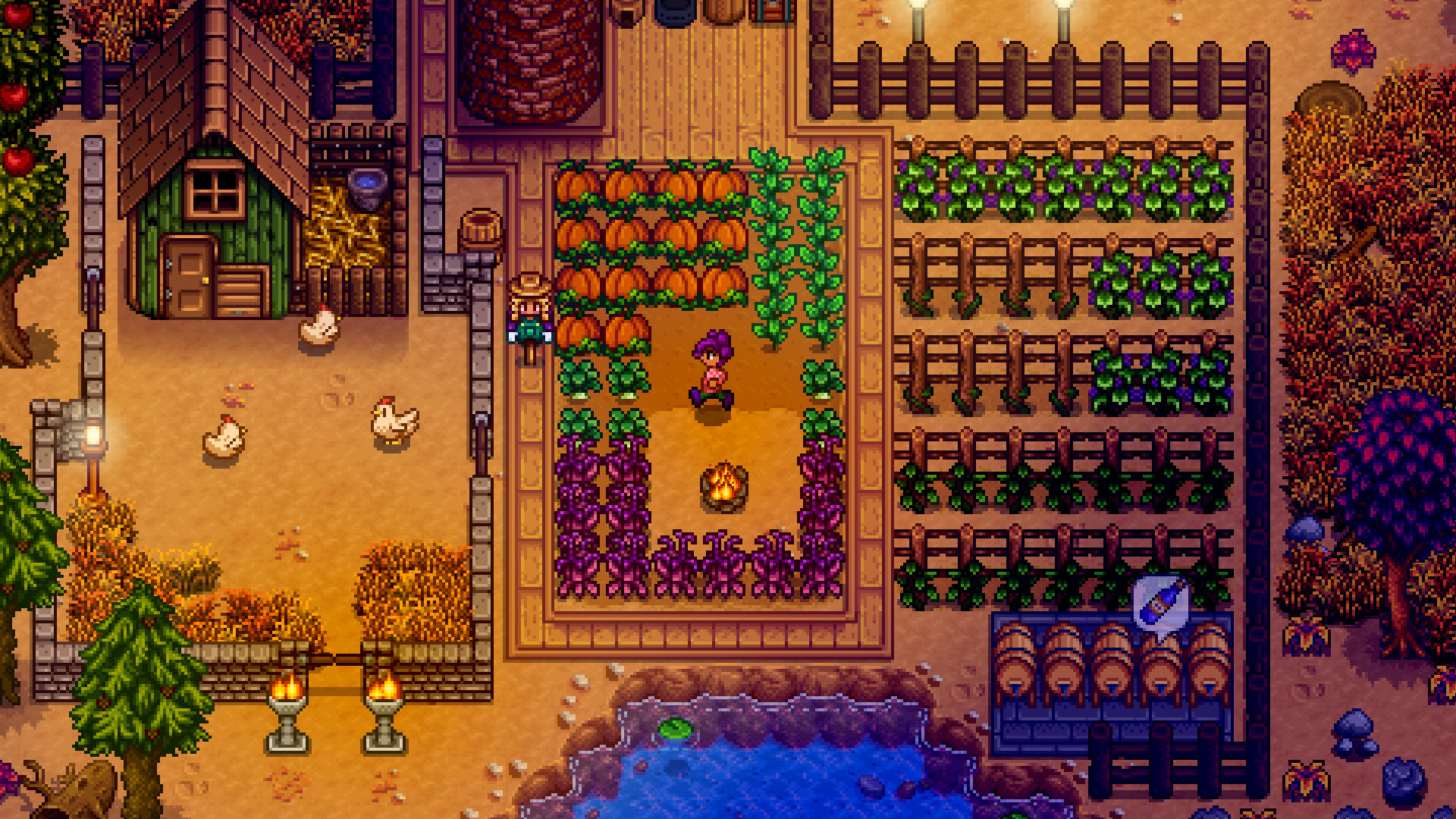
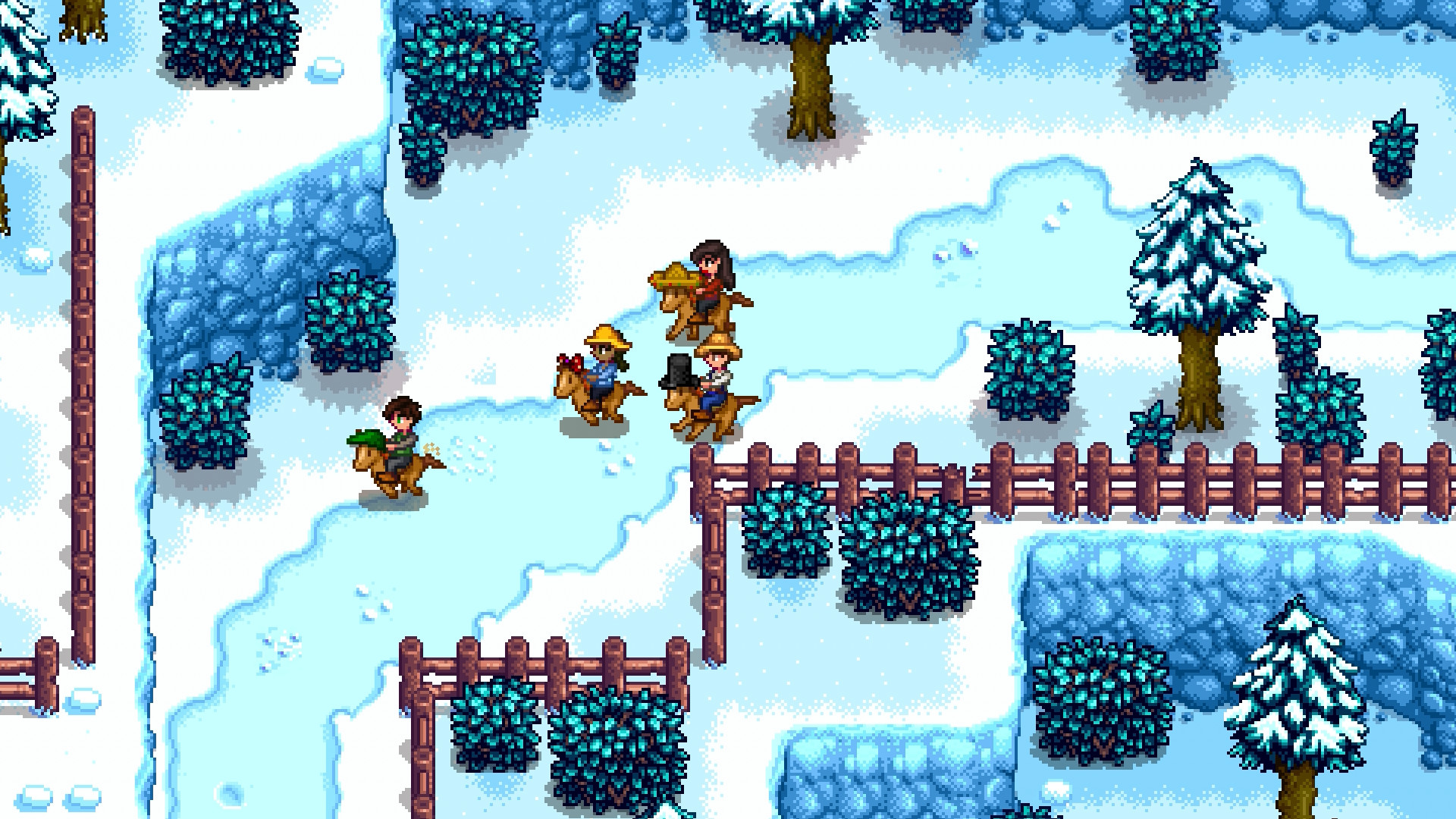
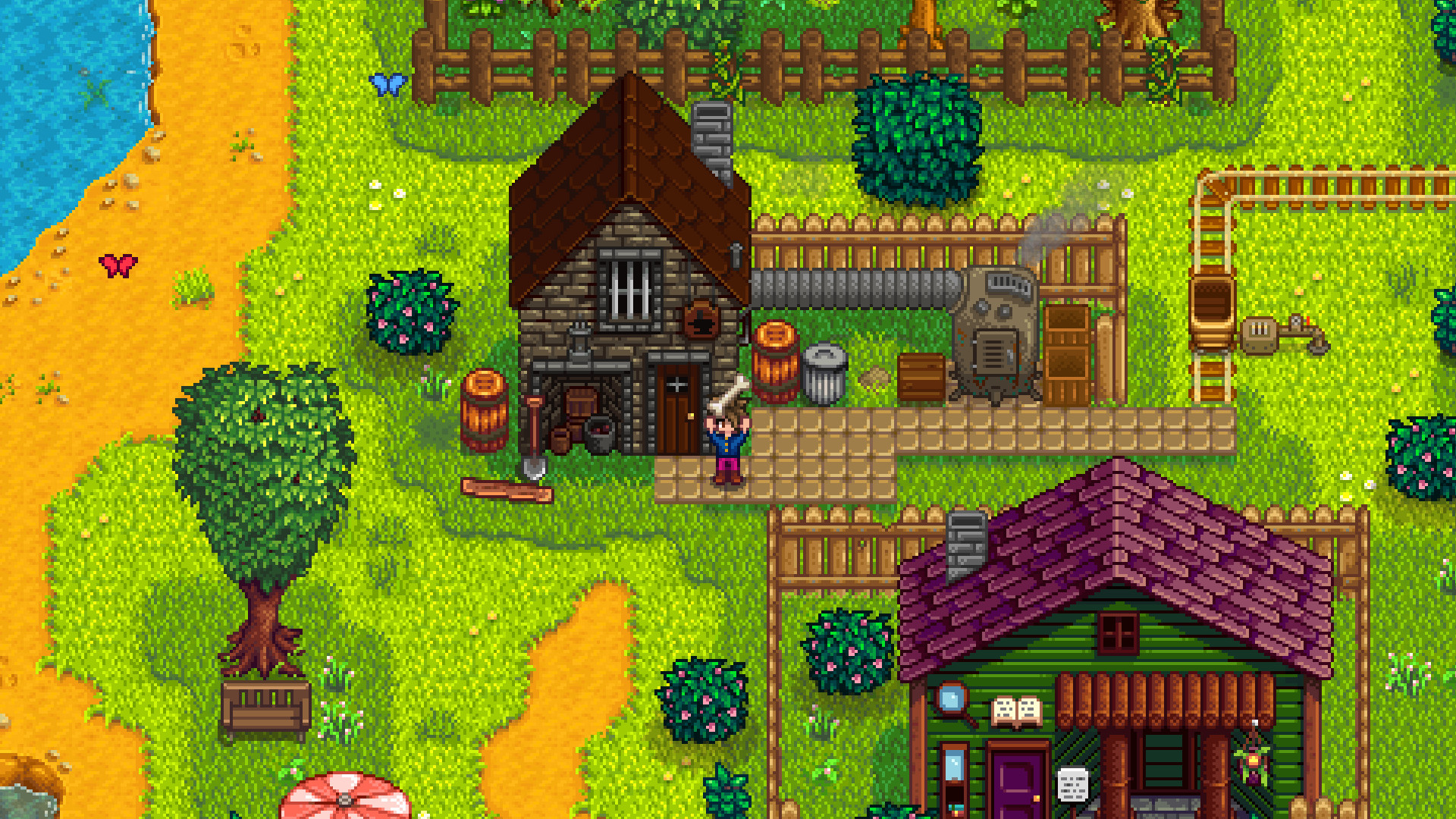
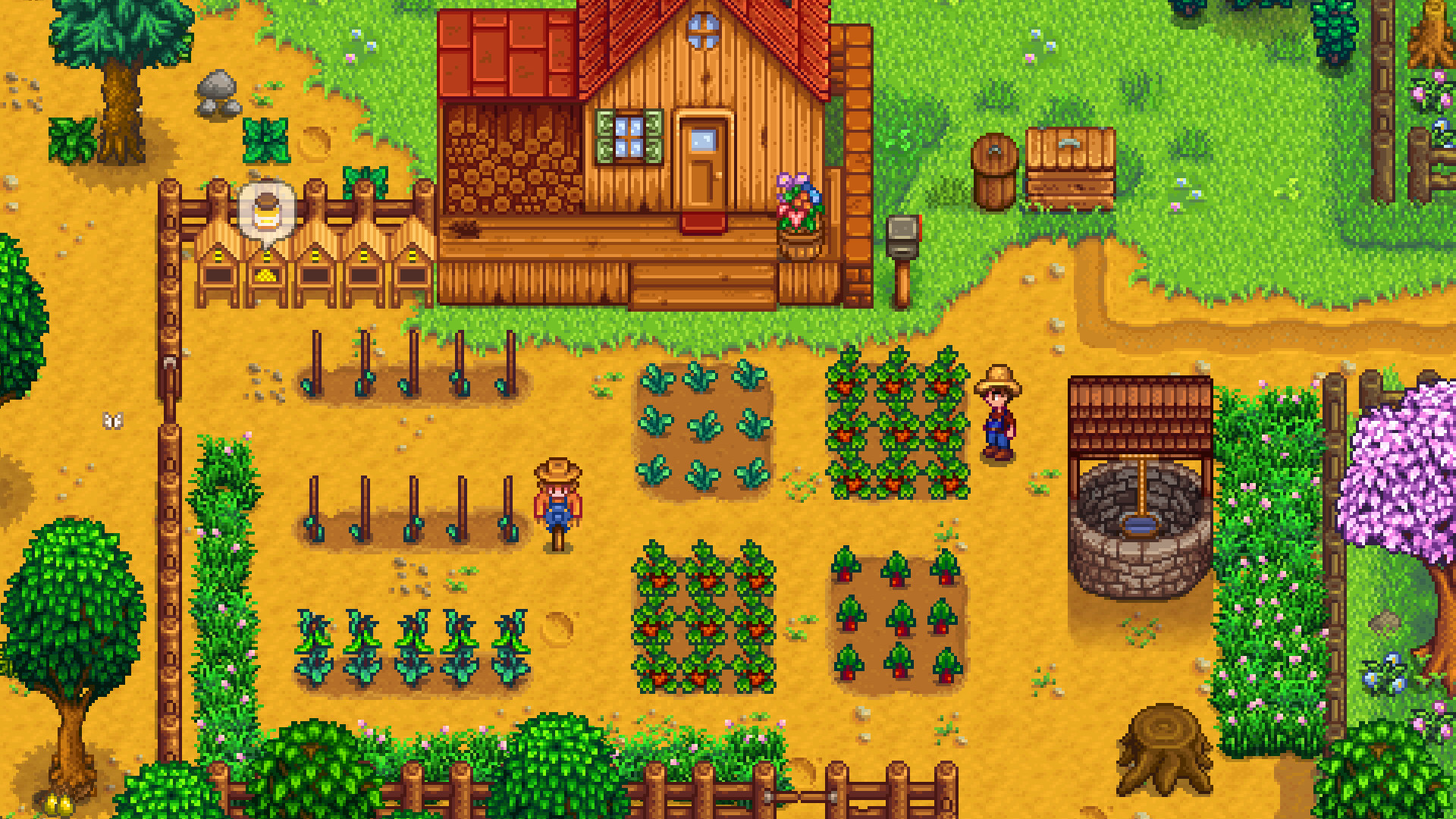
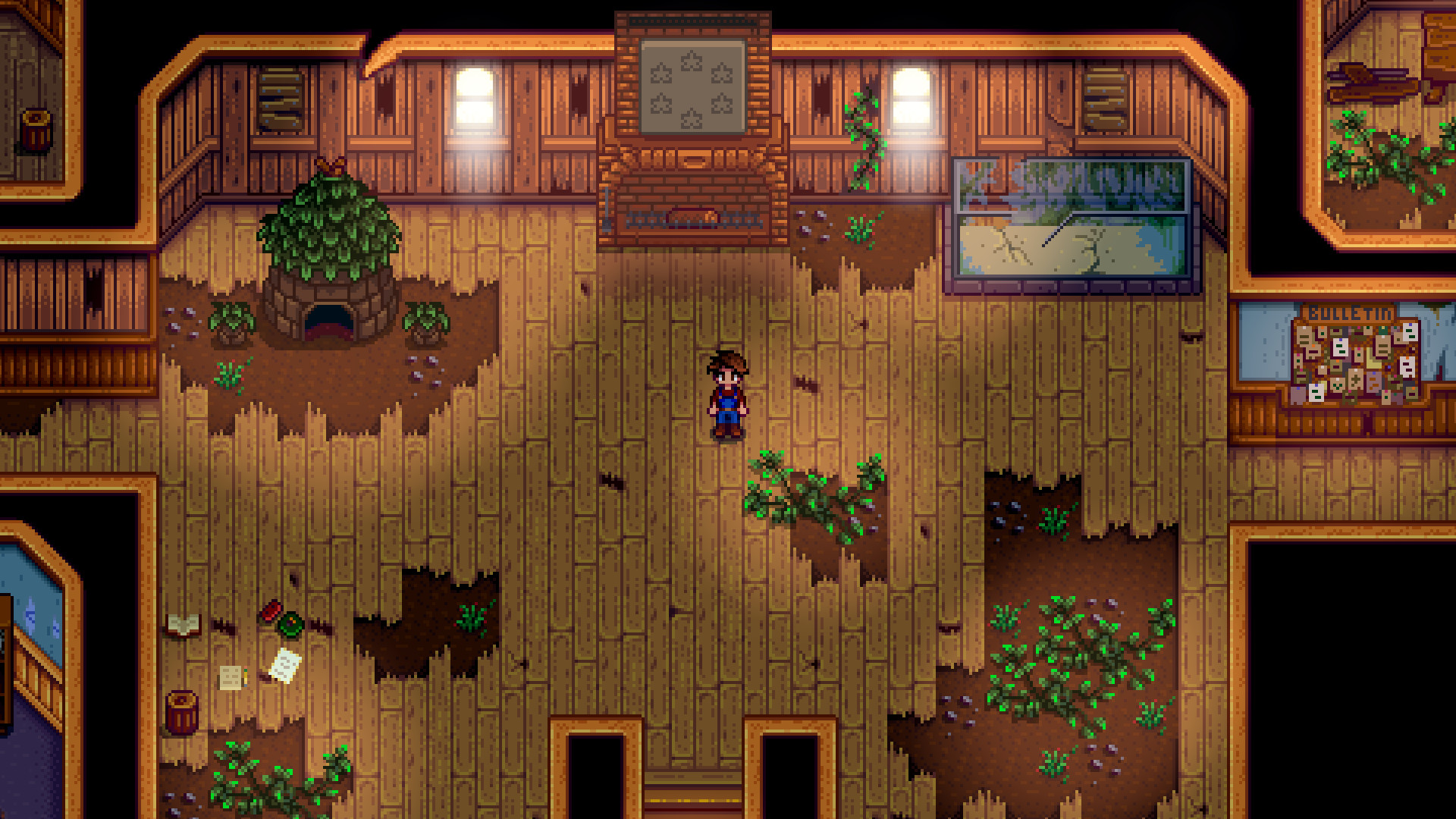
Stardew Valley is a farming life RPG where you inherit your grandfather's run-down farm and rebuild it however you like — farming, mining, fishing, fighting, and building relationships, all at your own pace. Its greatest strength is not pushing one "correct" playstyle. You can specialize in any direction or dabble in all of them without the game punishing you.
On Steam, the game holds an "Overwhelmingly Positive" rating with 98%+ approval, and a Metacritic score of 89. For an indie title, the polish and content matches AAA expectations.
The Good
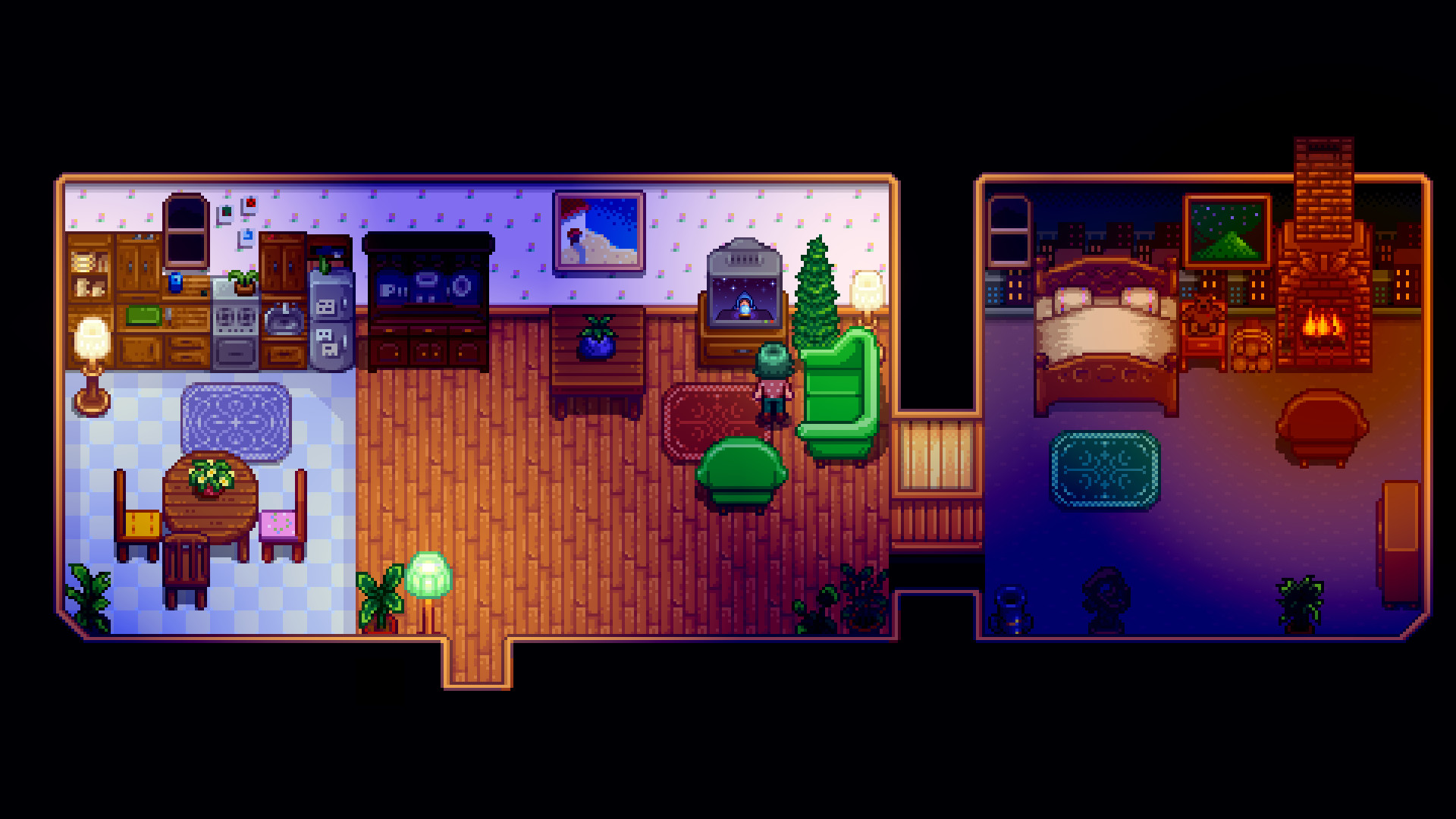
Freedom and content stand out. Farms and houses can be customized almost without limit, and over time your valley becomes uniquely yours. Add the fact that it's buy-to-play with no microtransactions for this much content, and the value proposition is hard to argue with.
The Not-So-Good (Honest)
That said, it's not a no-flaws masterpiece.
| Aspect | Rating | Note |
|---|---|---|
| Late-game grind | △ | Resource collection can drift into routine without clear goals |
| Early-year tightness | △ | Year 1 is a constant juggle of watering, mining, and time |
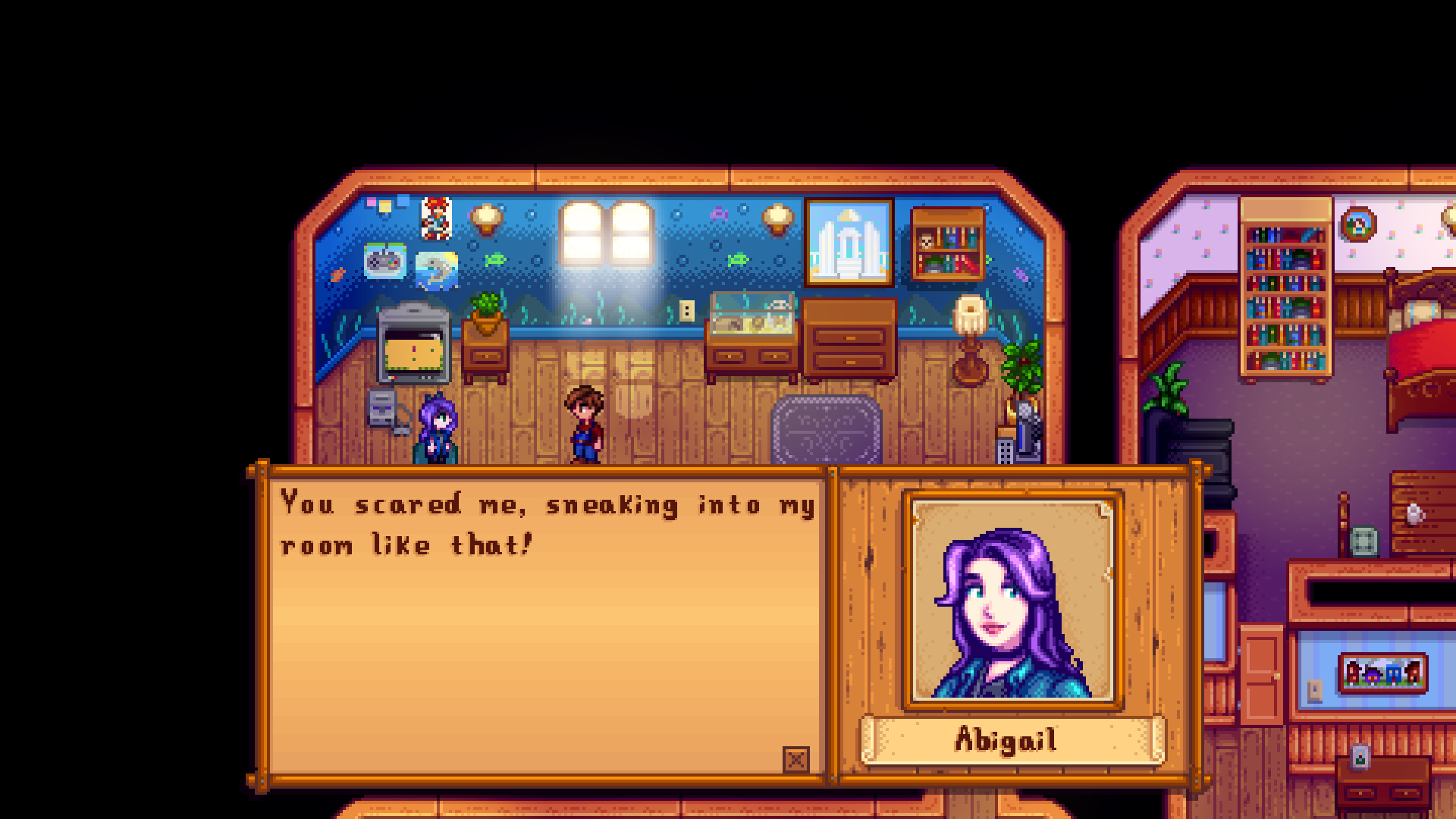
| Social/romance system | △ | Gift-based affection feels mechanical to some players |
Players who want clear narrative goals or combat tension may find the late-game freedom oddly empty. Stardew rewards self-direction; if you don't bring goals to it, the game won't supply them.
★Who Should Play It
After putting in dozens of hours, I'd describe Stardew as a game you don't rush, but live alongside. It's at its best when you carve out a small daily routine — water the crops, check the mine, talk to a couple of villagers — over many sessions. If you want sharp short-session highs or tight combat encounters, you'll find sections that feel underweight. But for the price and the freedom, it's hard not to recommend.
If you're new, start with the Beginner Guide and our Best Crops by Season ranking.