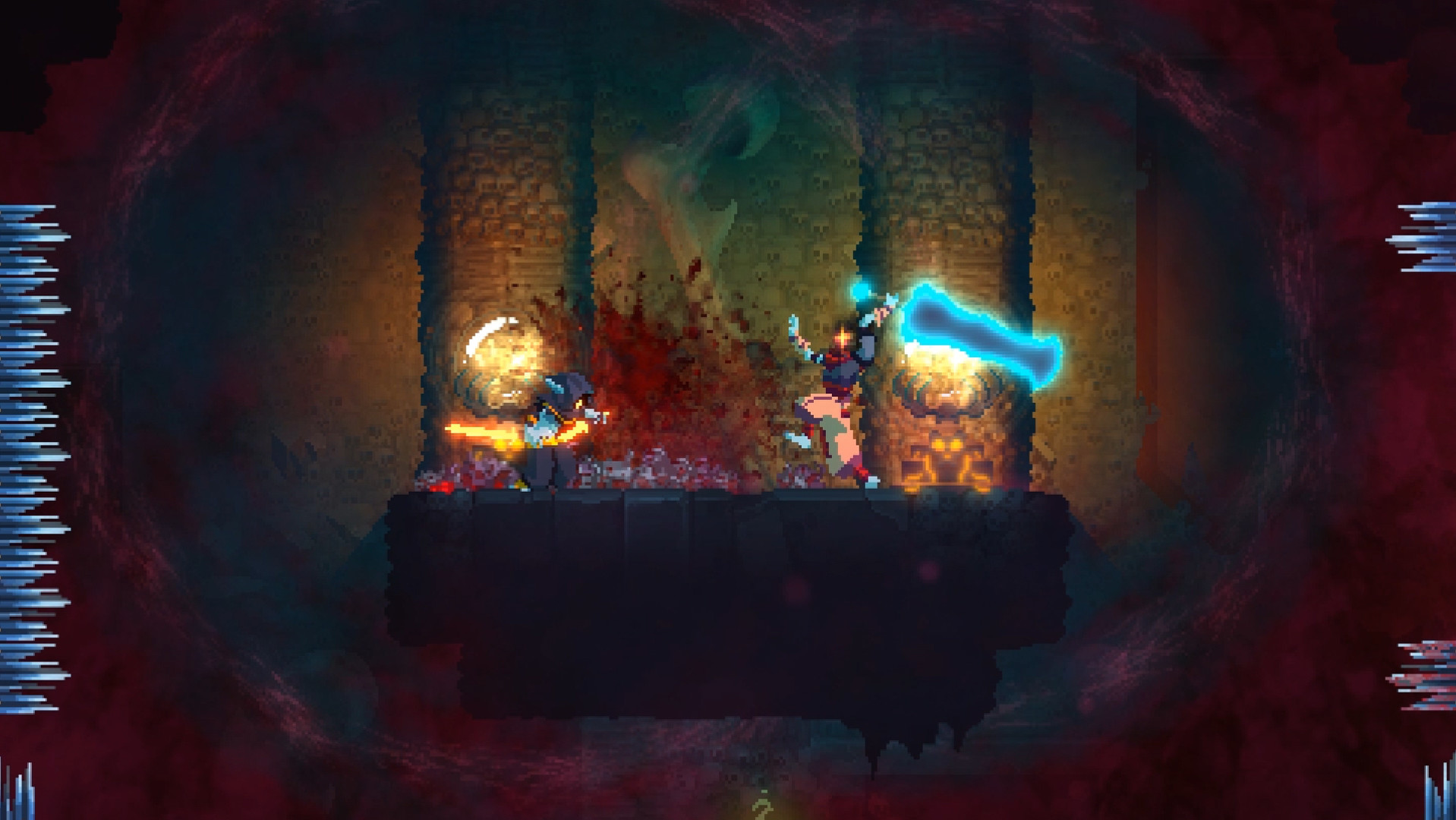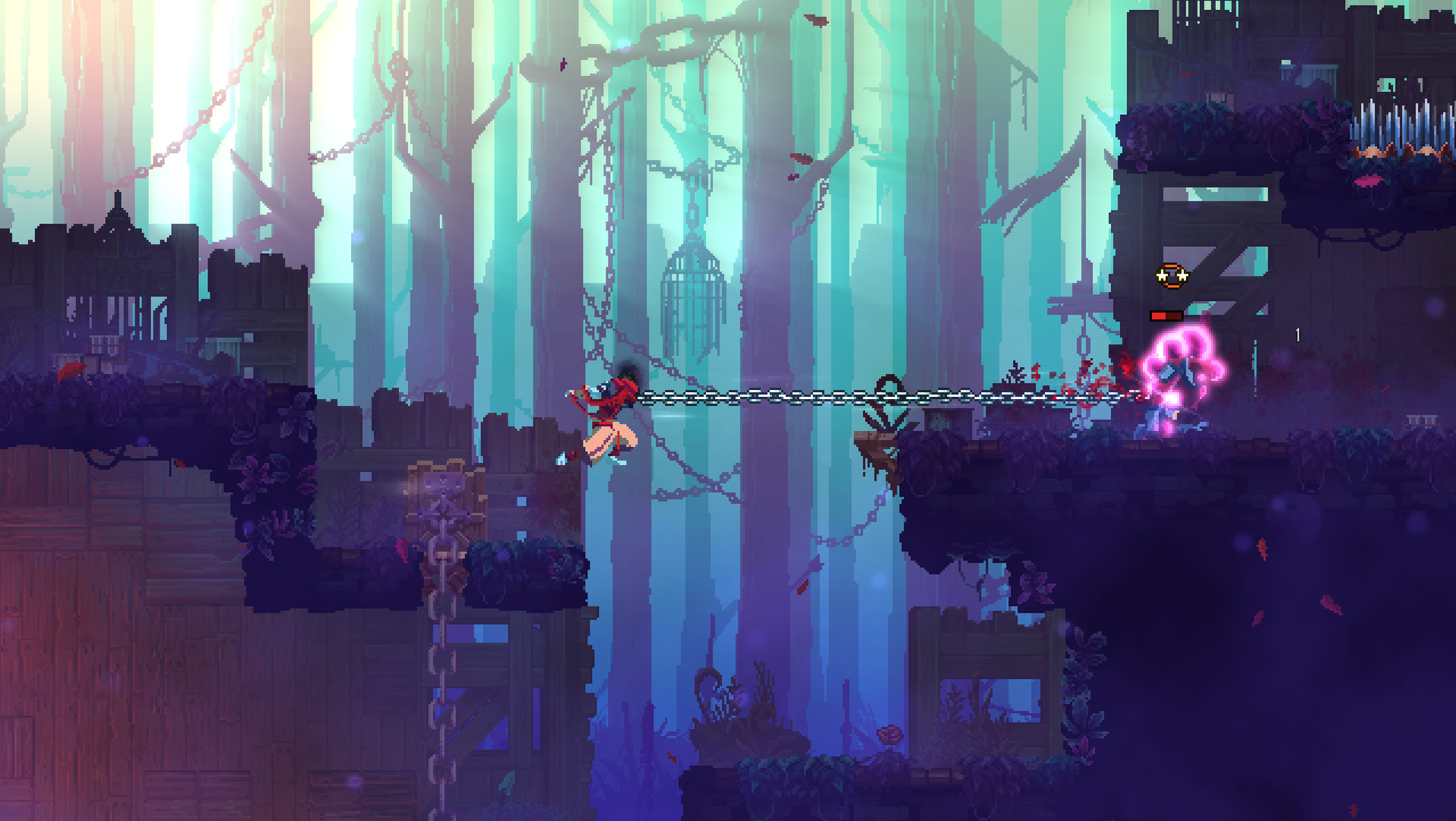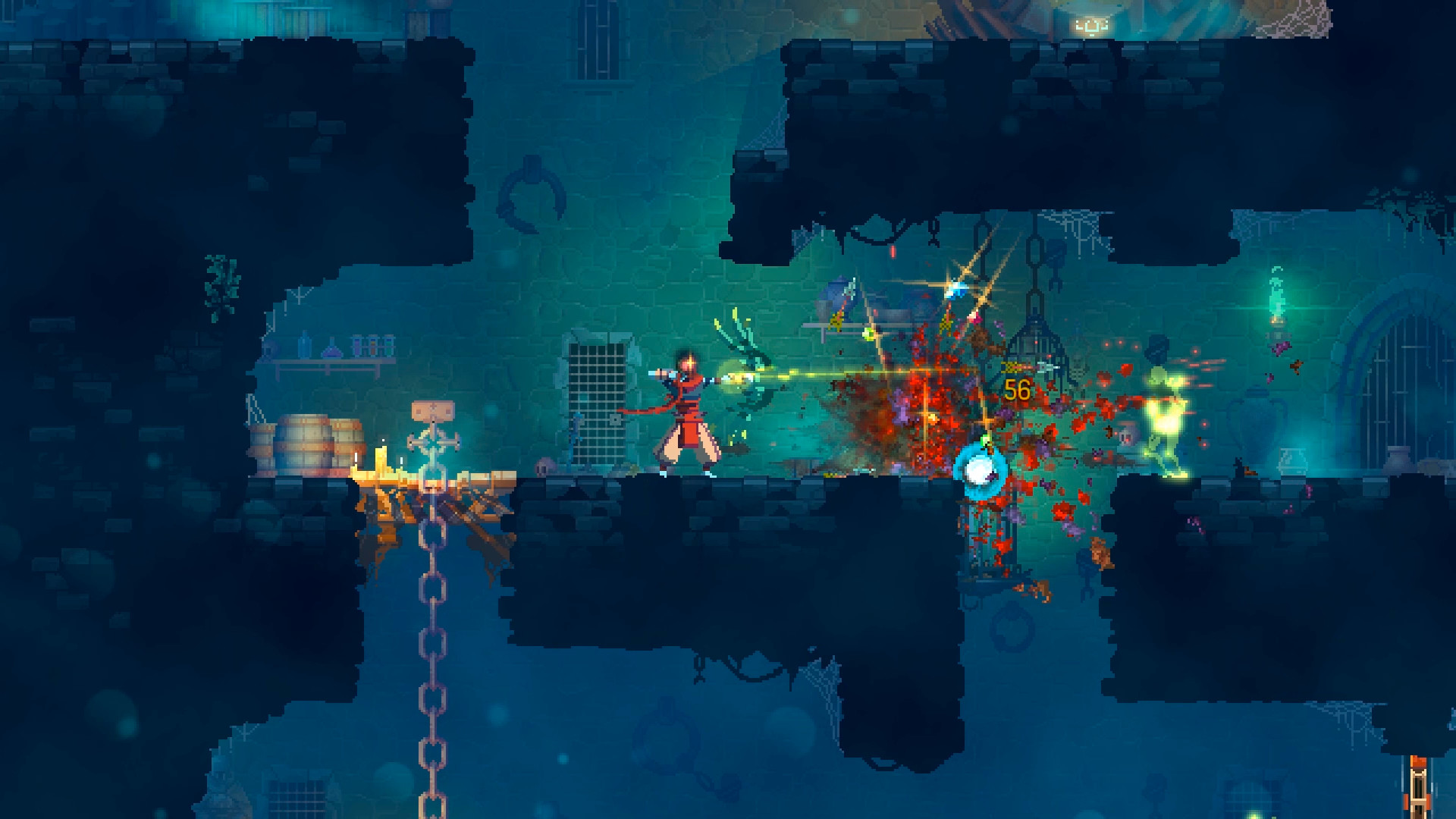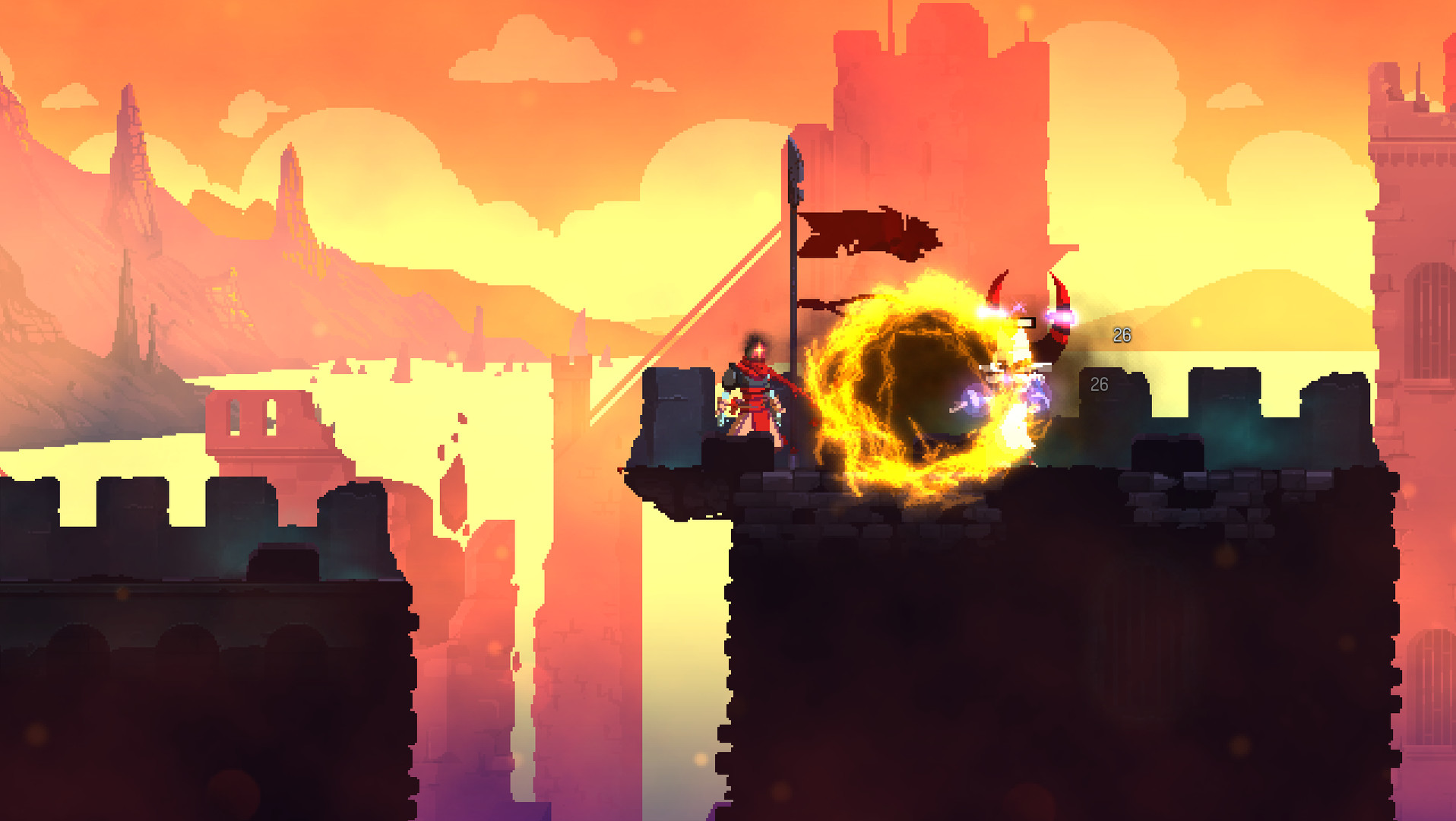
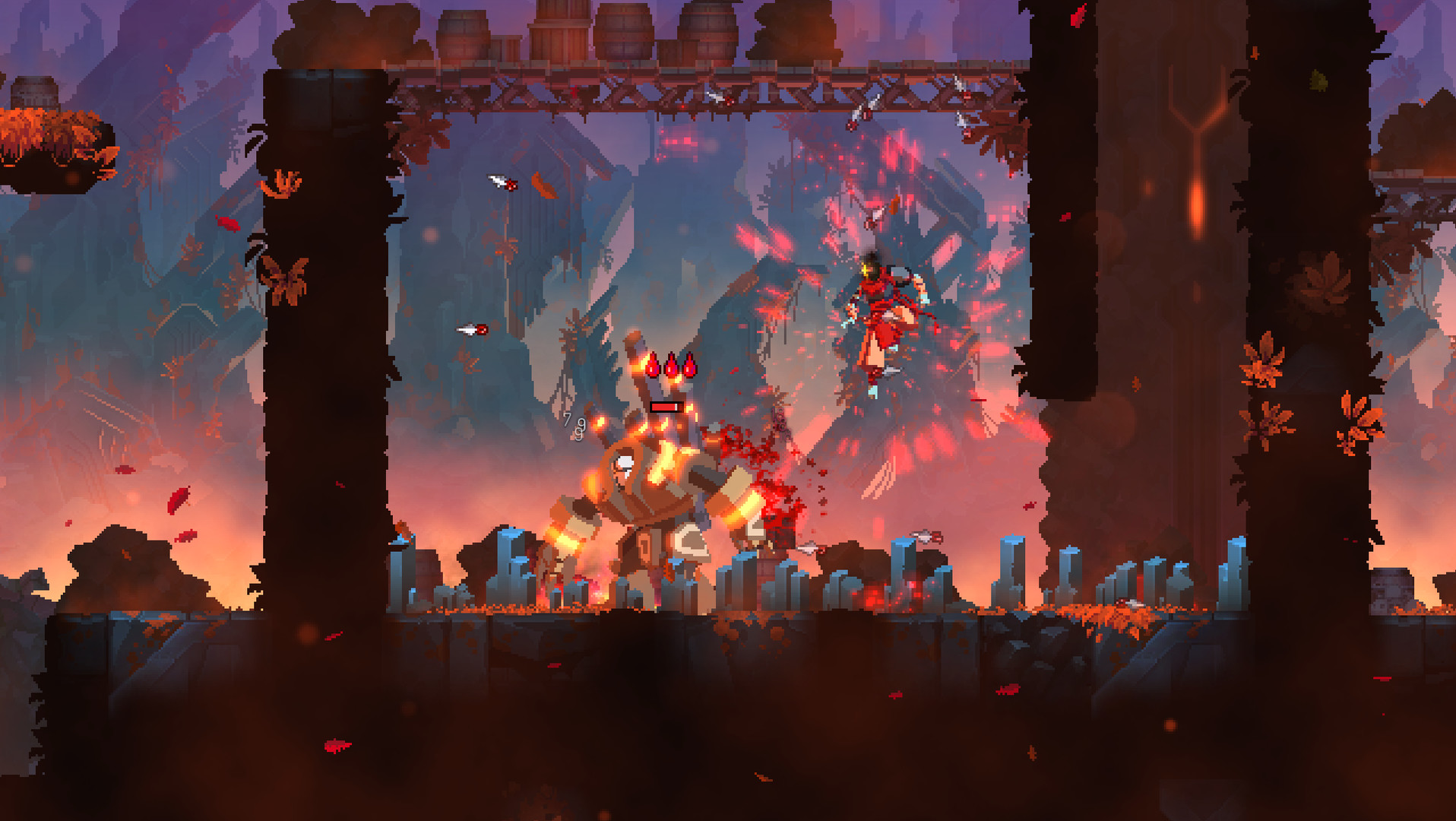
Dead Cells is a 2D action roguelite with metroidvania routes by Motion Twin, developed from 2019 by Evil Empire. It left Early Access in August 2018, and its Steam user reviews sit at Overwhelmingly Positive. In August 2024 update 35, The End is Near, was announced as the last content update. So the question is not "will it get better?" but "does the finished game suit you?"
Buy, wait or skip
| Your situation | Verdict | Why |
|---|---|---|
| You enjoy fast, precise 2D action and roguelites | Buy | Combat and build variety are why it is still recommended years after launch |
| You liked Hollow Knight but want short, replayable sessions | Buy | Similar parry-and-dodge feel, but every run is self-contained and different |
| You want a game to master for a long time | Buy | The 5 Boss Stem Cell ladder changes healing and enemy behaviour at each step |
| You are waiting for more updates | Do not wait | Content development has ended; only bug fixes are expected |
| You are deciding on the DLC | Base game first | Beat the Hand of the King once, then add The Queen and the Sea or Return to Castlevania |
| You are price-sensitive | Wait for a sale | It has been discounted by half in past sales |
| You want a story that moves forward as you play | Skip (try Hades) | The story is fragmentary and the real ending sits at the top difficulty |
| You dislike dying repeatedly and will not use assist options | Skip | Death and restarting are the core loop |
Short version: if you like 2D action, Dead Cells is close to a safe purchase, and the end of development is no reason to hesitate. Those who regret it mostly wanted a story or permanent power growth, not an easier game.
What kind of game it is
You play the Prisoner, a mass of cells controlling a body in a cursed island dungeon. Each run crosses a chain of biomes with branching exits, assembled from hand-made pieces in a new layout each time, with three boss tiers: the Concierge or Conjunctivius, the Time Keeper, then the Hand of the King. You carry two weapons (or a weapon and a shield) and two skills, raise one of three colours with Scrolls of Power, and pick up to three mutations.
When you die you restart in the Prisoners' Quarters. Only cells you spent at the Collector, delivered blueprints and runes stay; runes permanently open new routes, so the map grows like a metroidvania while each run stays a roguelite. The Beginner Guide covers first unlocks and the rune order.
Current state
| Item | Status |
|---|---|
| Release | Early Access May 2017; full release August 2018 |
| Platforms | Windows, macOS, Linux, PlayStation 4 and 5, Xbox One, Nintendo Switch, iOS, Android |
| Content updates | Ended with update 35, The End is Near (19 August 2024); mobile got updates 34 and 35 on 18 February 2025 |
| DLC | Rise of the Giant (free); The Bad Seed, Fatal Falls, The Queen and the Sea, Return to Castlevania (paid) |
| Modes | Normal runs, Daily Run, Custom Mode, Boss Rush, Assist Mode |
| Multiplayer | None; single-player only |
| Languages | 15 on Steam, including Japanese, both Chinese scripts, Korean, Russian, German, French, Spanish, Italian, Brazilian Portuguese |
The last update built on the Curse mechanic with three enemies, the Misericorde and Anathema weapons, three curse mutations and about 40 new heads. The teams said they ended creative work but would keep fixing bugs and making quality-of-life changes.
Base game vs DLC
The base game already includes the free Rise of the Giant: the Cavern, Guardian's Haven, the Astrolab and the Observatory, plus the Giant and the Collector. The 5th Boss Stem Cell and the true final boss come from it, so the whole difficulty ladder is free. The paid DLCs add alternative routes with biomes, bosses and gear, not new systems.
| DLC | Released (PC/console) | What it adds | Who it is for |
|---|---|---|---|
| Rise of the Giant (free) | March 2019 | 4 biomes, the Giant and the Collector, 11 items | Everyone; part of core progression |
| The Bad Seed | February 2020 | Early side route of 3 biomes, boss Mama Tick, 6 items | Variety in the first third of a run |
| Fatal Falls | January 2021 | Middle route of 3 biomes, boss Scarecrow, 7 weapons | Variety in the middle of a run |
| The Queen and the Sea | January 2022 | Final route of 3 biomes, the Servants and the Queen, 10 weapons, a new ending | Best value if you reach the endgame often |
| Return to Castlevania | March 2023 | 4 biomes, Death, Dracula and his Final Form, 14 items, 20 outfits | Castlevania fans; the largest and priciest |
Our take: play the base game until your first Hand of the King kill. Then The Queen and the Sea gives the most new endgame; Return to Castlevania is the biggest package, a crossover with Richter, Alucard and weapons such as the Vampire Killer, reached early from the Prisoners' Quarters. The Bad Seed and Fatal Falls replace existing route sections rather than extend the game, so buy them last. Note that every DLC also adds items to the random drop pool, which makes a specific weapon rarer to find.
The Boss Stem Cell curve
Beating the Hand of the King gives a Boss Stem Cell (BSC), which you activate at the start of a run to raise the difficulty, up to five. The main thing that changes is healing.
| Level | How you get it | Healing | Other changes |
|---|---|---|---|
| 0 BSC | Start | Health Fountain in every passage | Base difficulty |
| 1 BSC | Hand of the King at 0 BSC | Fountain in every other passage; the rest refill the flask | Early boss phases skipped |
| 2 BSC | Hand of the King at 1 BSC | No fountains; one flask charge per passage | Cell drops ×2 |
| 3 BSC | Hand of the King at 2 BSC | Only 3 flask charges in passages per run | Item level +1, scroll fragments |
| 4 BSC | Hand of the King at 3 BSC | No flask charges in passages | Most enemies can teleport to you; item level +3, cells ×3 |
| 5 BSC | The Giant at 4 BSC | No flask charges in passages | The Malaise is on; the Collector is the true final boss |
With the DLC, the Queen or Dracula's Final Form can replace the Hand of the King for the first four cells.
Steps 1 to 3 mostly teach flask management. 4 BSC is the real wall: teleporting enemies and no healing between biomes. 5 BSC adds the Malaise, a meter that rises while enemies stay alive and makes them stronger and more numerous; killing fast lowers it. Many satisfied players never finish 5 BSC, and the game is complete well before it. Details are in the Progression Guide and the Boss Guide.
What it does well
Combat that rewards reading
Combat is fast, but almost every boss attack has a clear wind-up, and a timed shield parry blocks all damage and stuns melee attackers. A few attacks per boss (ground fire, auras, the Hand of the King's last shockwave) need a different answer, so fights are about recognition, and a boss that killed you twenty times can fall in one clean run.
Builds that change how a run plays
Gear belongs to Brutality (red), Tactics (purple) or Survival (green), and each scroll point raises that colour's damage by about 15%, compounding. A bleed run with fast blades, a turret run and a shield-parry run share almost nothing. See the Build Guide and the Weapons and Mutations Tier List.
Progress you can see on the map
Runes are permanent keys: Vine opens the Toxic Sewers, Teleportation the Ossuary, Ram the Ancient Sewers. A bad run that grabs a rune is never wasted.
Accessible without punishment
Assist Mode (update 2.9, Breaking Barriers) can lower enemy health, enemy damage and trap damage to 20%, ease parry timing and add continues. Per the official wiki it does not disable achievements or Boss Stem Cell progress; it only hides your Daily Run score.
Where it falls short
A hard, unexplained start
Nothing tells you that carried cells vanish on death, that scrolls belong in one colour, or that flask upgrades matter most. Many players stall before the first boss for reasons unrelated to reflexes.
The unlock grind
Permanent progress is unlocks, not power. Health Flask III and IV need 10 and 25 items unlocked, and the Legendary Forge costs 500 + 3,000 + 10,000 cells across three tiers, with the top tier locked until 2 BSC. Each unlock also dilutes the drop pool.
The story
There is lore in rooms and conversations, but no plot that advances as you play, and the true ending requires beating the Collector at 5 BSC.
Common complaints, and how true they are
| Complaint | Is it true? | What helps |
|---|---|---|
| The early game is too hard | Partly; missing upgrades and spread scrolls cause most early walls | Flask upgrades first, one scroll colour, a shield, or Assist Mode |
| Unlocking everything is a grind | Yes, especially the Legendary Forge and high BSC | Spend cells at every Collector; you do not need everything |
| Runs depend on luck | Partly; drops are random | Commit to the first good weapon's colour and upgrade it at the Blacksmith's Apprentice |
| 4 and 5 BSC are punishing | Yes; no healing between biomes, teleporting enemies, the Malaise | Treat them as optional; the core game is complete before them |
| The game is dead | No; it is finished, the final update reached every platform | Buy it as a complete game, not a live service |
Dead Cells compared with similar games
| Game | Structure | Permanent progress | How Dead Cells differs |
|---|---|---|---|
| Hades | Isometric action roguelite; story advances with each death | Mirror upgrades; God Mode | Side-scrolling, more weapons, a longer difficulty ladder, far less story |
| Hollow Knight | Hand-crafted metroidvania, fixed map, no runs | Abilities and charms kept forever | Replayable runs instead of one fixed world |
| Rogue Legacy 2 | Roguelite platformer; heirs with random traits and classes | Gold buys manor upgrades to health and damage; Heirlooms open areas | Little permanent power, so skill matters more and grinding helps less |
If you love Hades, Dead Cells gives faster, more mechanical combat at the cost of story. If Hollow Knight is your favourite, expect the same tension in short, repeatable form. Rogue Legacy 2 is gentler for players who want each death to make them stronger.
★Honest Take — a finished classic that still does not explain itself
Dead Cells keeps its 9.2 because the core is excellent: readable combat, builds that change how a run plays, and runes that grow the map. The end of development is good news for buyers: no roadmap to wait for, and the free Rise of the Giant holds the full difficulty ladder. The reservations are real: it teaches its rules badly, the Forge is a long grind, the top two BSC levels are harsh, and the story barely exists. If you want action first, buy it and add DLC after your first Hand of the King kill; if you want story or permanent power growth, Hades or Rogue Legacy 2 suit you better.