Verdict Games Verdict Games
Field of Glory II: Medieval Troops Tier List — Best Units Ranked

Field of Glory II: Medieval Troops Tier List — Best Units Ranked

Author: Verdict Games Editorial Team Last Updated:

The Bottom Line

Knightly lancers, longbowmen and foot men-at-arms are the most reliable medieval troops, with mounted men-at-arms, crossbows and spearmen close behind, pikemen and light horse filling key roles, and skirmishers and levies as situational support — but in a game of matchups the charge, the bow, the spear and the flank each beat something, so read the tiers as reliability, not absolute power.

Summary

Field of Glory II: Medieval is built on a rock-paper-scissors of medieval troops, so no unit is simply "best" — but some are far more central than others. This tier list ranks the major troop types by overall battlefield value: how reliably they win their fights. You will learn why knights, longbowmen and foot men-at-arms top the list, where crossbows, spears and light horse fit, and how to read the tiers as guidance, since the charge, the bow and the spear all counter something.

Who This Is For: Field of Glory II: Medieval players comparing troops and building armies Intermediate

Key Points

Key Points

1

No unit is truly best — Medieval is rock-paper-scissors, so tiers rank reliability and value; knights beat most things but bows and spears beat knights.

2

Knights and longbows lead — the charge dominates the open field while massed longbows answer it, the era's defining duel.

3

Solid foot anchors armies — dismounted men-at-arms and spearmen hold the line and absorb charges the cavalry cannot win.

4

Specialists still matter — crossbows, pikemen, light horse and skirmishers fill vital roles in a balanced medieval army.

How to read this tier list

Before the ranking, one warning that matters here as much as in the ancient game: Field of Glory II: Medieval is a game of matchups, and no troop type is simply "the best." The whole system is rock-paper-scissors — knights crush most things on the charge, longbows shoot the knights down, spears and pikes blunt the charge, light troops harass the bows, and so on. So this tier list does not claim some units always beat others. Instead, it ranks the major troop types by overall reliability and value as the core of a strong army: how dependably they win the fights you put them in, how central they are to a winning plan, and how forgiving they are to use. A troop type lower down is not weak; it is more specialised, and shines in the right role.

Read the tiers, then, as a guide to what to build around and what to use as support, not as a promise that an S-tier unit beats a B-tier one. In a good matchup with good handling, almost anything can win — and that is exactly what makes the game so deep.

Every troop type in Field of Glory II: Medieval has a counter. The skill is not fielding "the best" units but matching your troops to the enemy and the terrain — and forcing fights where your strengths meet their weaknesses. The charge beats the open line; the bow beats the charge; the spear blunts the charge; maneuver beats them all.

The troops tier list

This ranking weighs reliability, frontline value and how central each type is to a strong, balanced medieval army, assuming you protect its weaknesses and use combined arms.

S
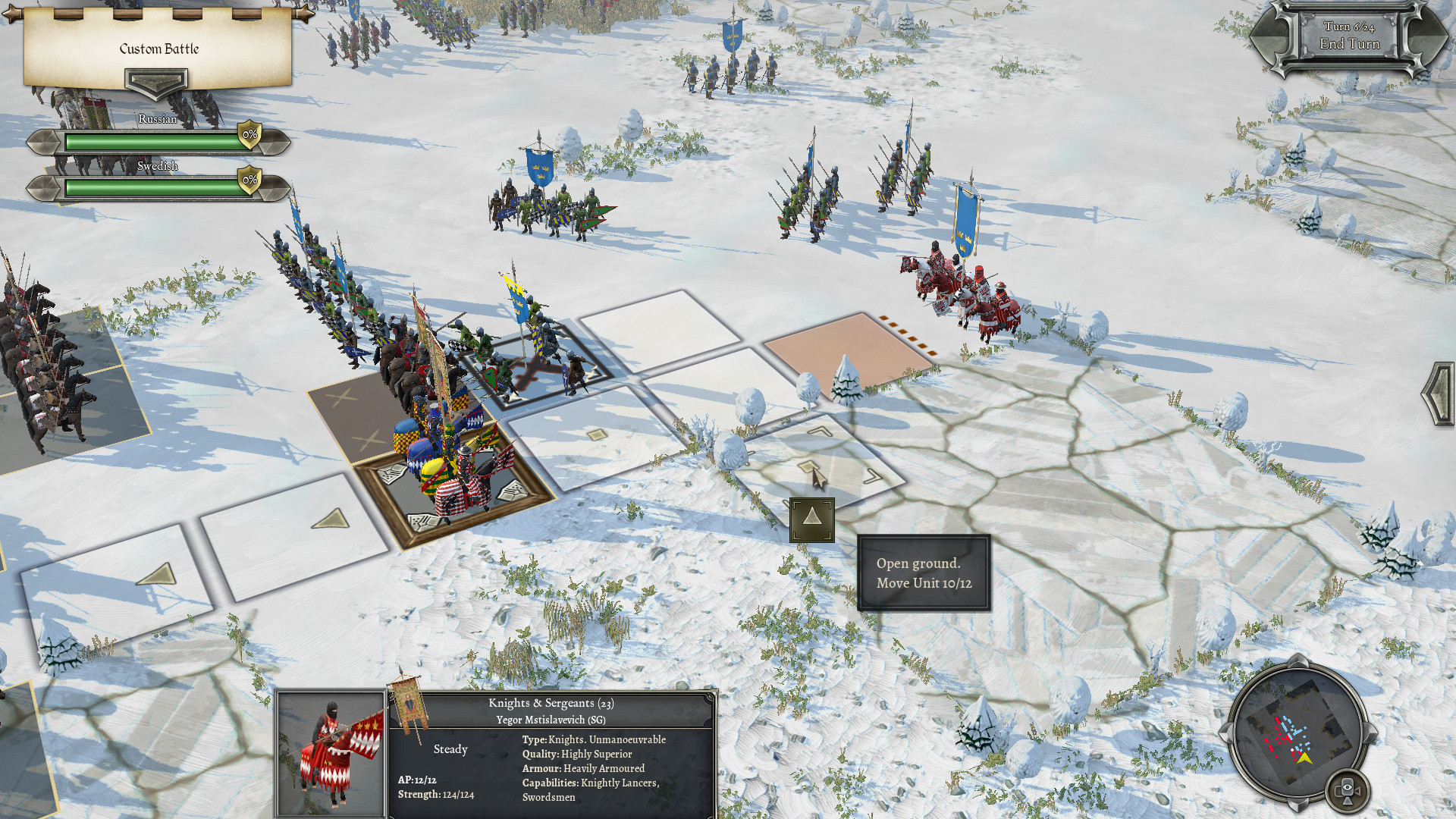
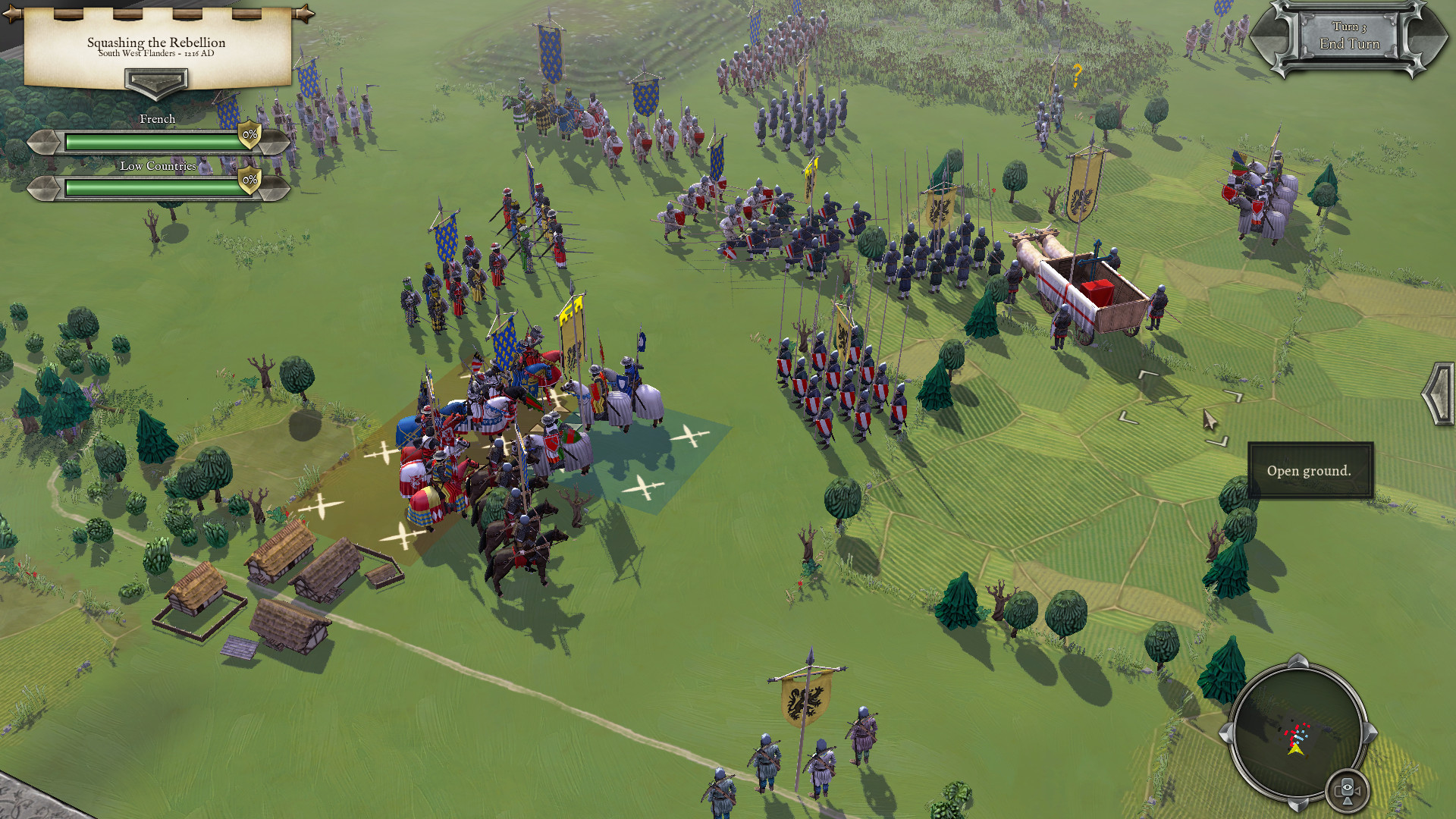
Knightly Lancers (knights) The flagship unit and the most dangerous on the field. Devastating on the charge, with a huge impact advantage over lesser cavalry and crushing most infantry in the open. Countered by shooting, flanks and rough terrain. Longbowmen The era-defining answer to the knight. Massed longbows shoot down armoured cavalry and infantry, and unlike most archers they also fight well in melee. A top-tier tool — keep them from being charged by fresh heavy troops. Foot Men-at-Arms (dismounted) Elite heavy foot that anchor the line, dealing and absorbing punishment and pairing famously with longbows. Slower and disordered in rough terrain, but the backbone of a strong foot army.
A
Mounted Men-at-Arms / Lancers Powerful non-knightly heavy cavalry that charge hard and flank well. Strong, just outmatched at impact by true knights, and wasted if thrown frontally into steady spears. Crossbowmen Hard-hitting missile troops whose bolts punch through armour. Excellent for softening the enemy and shooting cavalry, though they shoot more slowly than longbows and are weak in melee. Spearmen / Pikemen The anti-cavalry backbone. Steady spears and pikes blunt the charges that ride down lesser foot, invaluable for holding a line against knights, if outfought by elite foot.
B
Medium Foot Flexible all-rounders that fight at full strength in rough terrain where heavy foot falter. Less dominant in the open, but invaluable for taking and holding difficult ground. Light Horse / Horse Archers Mobile harassers (Mongols, Turks and the like) that shoot, evade and threaten flanks, wearing down cohesion. Cannot hold ground or win a straight fight, but priceless for control and disruption. Defensive Spearmen / Levy Foot Solid, cheap line-fillers that hold ground and bulk out an army, especially behind better troops. Unspectacular and beaten by elite foot, but useful mass.
C
Light Foot / Skirmishers Fast archers and javelinmen that screen, harass and fight in rough terrain, but melt against cavalry in the open or heavy foot face-to-face. Useful support, not a core. Mob / Poor Levies Cheap, low-quality bodies that can swamp a position or pad a line, but break easily and contribute little in a real fight. Numbers over quality, used sparingly.

S tier — knights, longbows and foot men-at-arms

These three define strong medieval armies. The knightly lancer is the flagship and the most feared unit on the field: devastating on the charge, holding a large impact advantage over lesser cavalry, and crushing most infantry caught in the open. Its dominance is exactly why the rest of the game is about answering it — and its counters are real, namely shooting, flank attacks and rough terrain, so it must be aimed rather than thrown away. The longbowman is that answer made flesh: massed longbows shoot down armoured knights and infantry alike, and uniquely among missile troops they fight respectably in melee, which is why the English longbow-and-men-at-arms combination dominated its era. Foot men-at-arms — often dismounted knights — round out the tier as elite heavy foot that anchor the line, absorb charges and pair perfectly with the bow. Build around these three, protect their weaknesses, and you have a formidable army.

A and B tiers — strong arms and key roles

The A tier holds powerful troops with clear weaknesses to manage. Mounted men-at-arms and non-knightly lancers are strong shock cavalry that charge hard and flank well, just beaten at impact by true knights and wasted against steady spears. Crossbowmen are hard-hitting missile troops whose bolts punch through armour, excellent for softening the enemy and shooting cavalry, though slower-firing than longbows and weak in melee. Spearmen and pikemen are the anti-cavalry backbone, steady troops that blunt the charges which ride down lesser foot — unglamorous but invaluable for holding a line against knights. The B tier covers the units that fill essential roles without anchoring the army: medium foot that own rough terrain, light horse and horse archers that harass and disrupt but cannot hold, and defensive or levy foot that bulk out a line behind better troops. None win battles alone, but a good army cannot do without them.

Troop type Strength Weakness Best role
Knightly Lancers Devastating charge Shooting, flanks, rough ground The decisive hammer
Longbowmen Shoot down knights, melee too Charged by fresh heavy foot Counter cavalry, soften lines
Foot Men-at-Arms Elite, resilient line Disordered in rough terrain Anchor the battle line
Crossbowmen Armour-piercing bolts Slow, weak in melee Softening and anti-cavalry
Spearmen / Pikemen Blunt cavalry charges Outfought by elite foot Hold the line vs knights

C tier — situational support

The bottom tier is not for useless troops but for situational ones that support rather than anchor. Light foot and skirmishers — archers and javelinmen — screen your line, harass the enemy and fight in rough terrain, then evade; they are genuinely useful, but they melt against cavalry in the open or heavy foot in melee, so they enable your army rather than carry it. Mob and poor levies are cheap, low-quality bodies that can swamp a position or pad out a line, but they break easily and add little in a serious fight, so they are numbers over quality, used sparingly behind better troops. Both have their moments — a screen here, a body to hold ground there — but leaned on as a backbone they will let you down.

Building a balanced army

The lesson of the tiers is combined arms, and medieval combined arms above all means pairing the charge with the bow and the spear. Build your core from S- and A-tier troops suited to your army — a line of foot men-at-arms and spearmen, knights to charge, and longbows or crossbows to shoot — then fill the roles with B-tier medium foot and light horse. Cover each unit's weakness with another's strength: protect your archers with foot and cavalry, blunt enemy knights with spears and shooting, hold rough ground with medium foot, and aim your own knights at flanks and softened targets. Because every troop type has a counter, the winning army is not the one with the "best" units but the one that combines its charge, its shooting and its line, and matches them to the enemy and the ground. To put these troops to work, see our combat guide and tactics guide; if you are just starting out, the beginner guide covers the fundamentals.

When you pick an army, note what it lacks. A knight-heavy army needs an answer to massed bows and steady spears; a longbow army needs foot to protect the archers; a foot army needs a way to deal with being outflanked by cavalry. Covering your gaps matters more than maximising your strengths.
FAQ

FAQ

There is no single best type, because the game is built on matchups — every type beats some and loses to others. That said, the most dominant unit is the knightly lancer, terrifying on the charge and superior to most cavalry and infantry in the open. Its great counter is the longbowman, which can shoot armoured knights down and also fights well in melee, so knights and longbows are the two most defining troops, each strong in its own way.
Knightly lancers are the strongest single units — dominant on the charge, with a big advantage over lesser cavalry at impact and crushing most infantry in the open — but they are far from unbeatable. They can be shot down by massed longbows and crossbows, broken by flank attacks, disordered in rough terrain, and blunted by steady spears or pikes. They are top tier, but a smart opponent has several ways to answer them.
Excellent and era-defining. Massed longbowmen shoot down armoured cavalry and infantry, making them the key counter to the dominant knight, and unlike most missile troops they also fight respectably in melee. The historical English combination of longbows and dismounted men-at-arms dominated western battlefields, and in the game longbows are a top-tier tool — just protect them from being charged by fresh heavy troops.
Several things. Massed longbows and crossbows can shoot armoured knights down before they reach you; a flank or rear charge cracks their cohesion; rough terrain disorders them and saps their charge; and steady spearmen or pikemen can blunt a frontal charge that catches them formed and ready. The whole era is about answers to the heavy cavalry charge, so combining shooting, spears and maneuver is how you handle knights.
Very, as the anti-cavalry backbone of a foot army. Steady spearmen and pikemen are far better than other infantry at receiving a cavalry charge, blunting the knights that would ride down lesser troops, which makes them invaluable for holding a line against mounted enemies. They are not flashy and can be outfought by elite foot or worn down by shooting, but a foot-based army without a solid spear or pike core is dangerously exposed to the charge.

Our editorial policy is honest, no-spin reviews. We separate facts from opinion and back every rating with reasoning. View Editorial Policy

Related

Related Articles